
 #01
#01Vídeos
L'AI explicada en vídeos breus
Una idea per vídeo, amb llenguatge planer. Cada vídeo enllaça amb el capítol del nostre curs gratuït que l'explica pas a pas.
Comença aquí AI 101
- #01
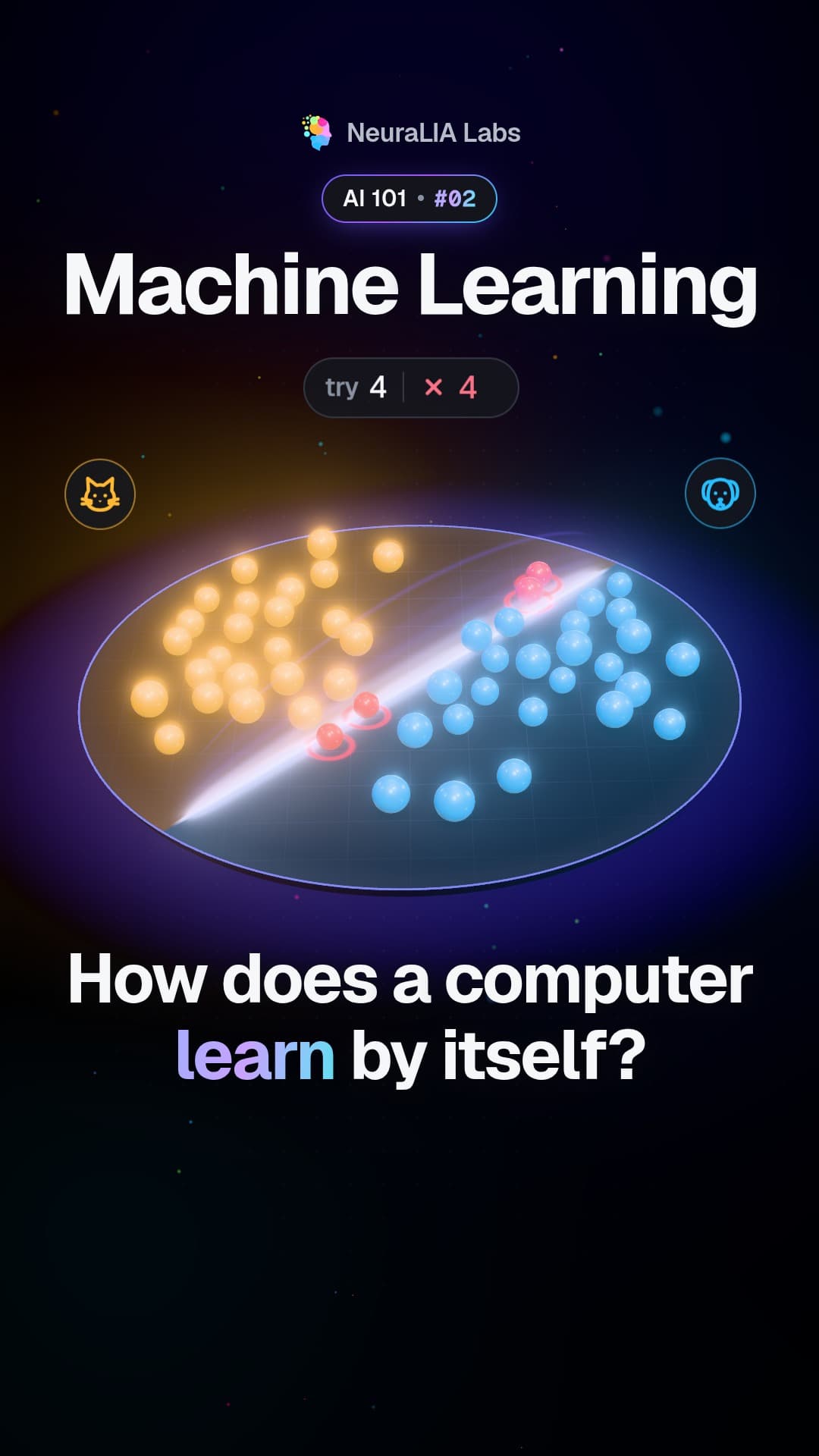 #02
#02Machine learning: how a computer draws its own dividing line
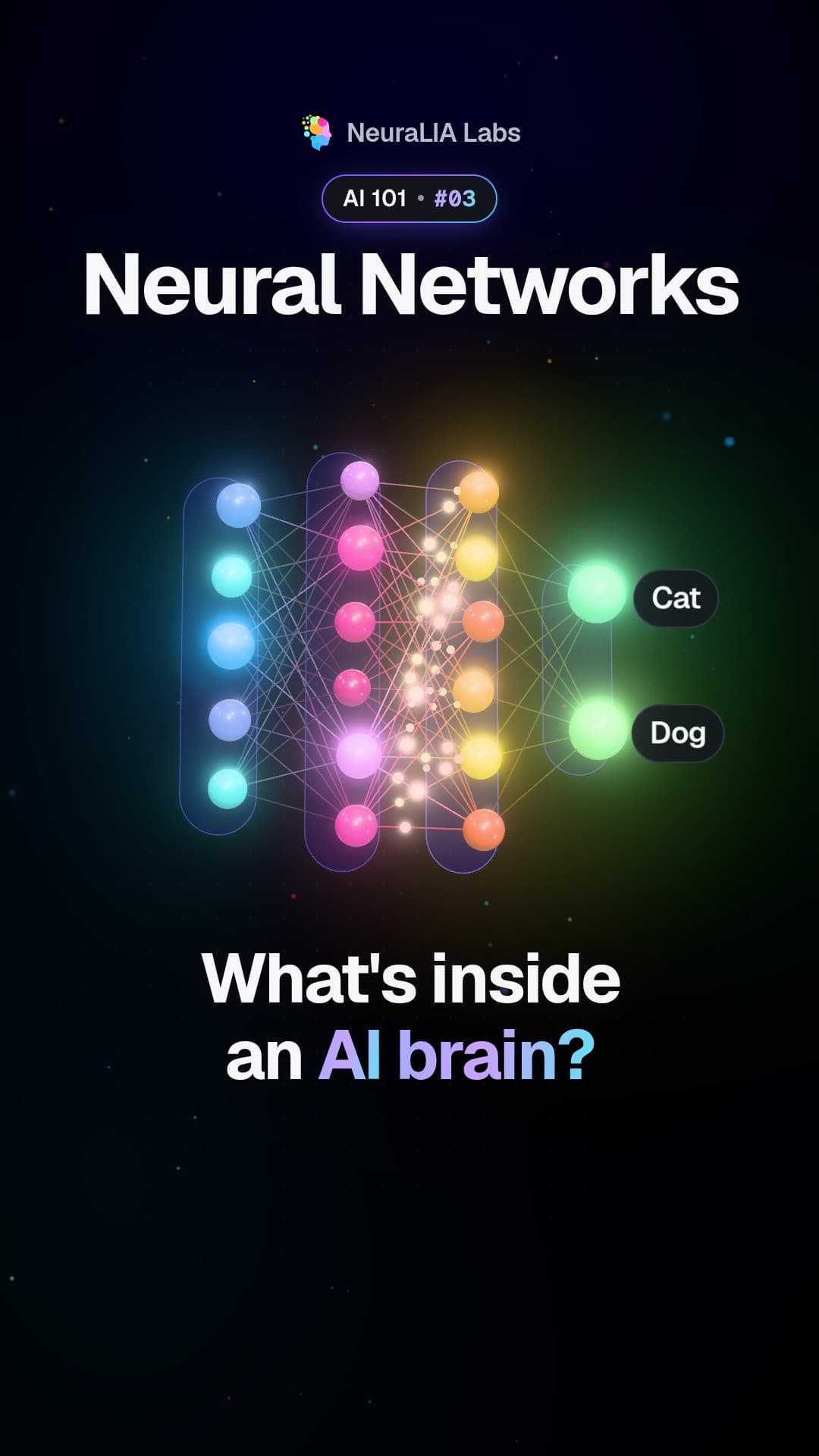 #03
#03Neural networks: layers of tiny calculators passing signals on
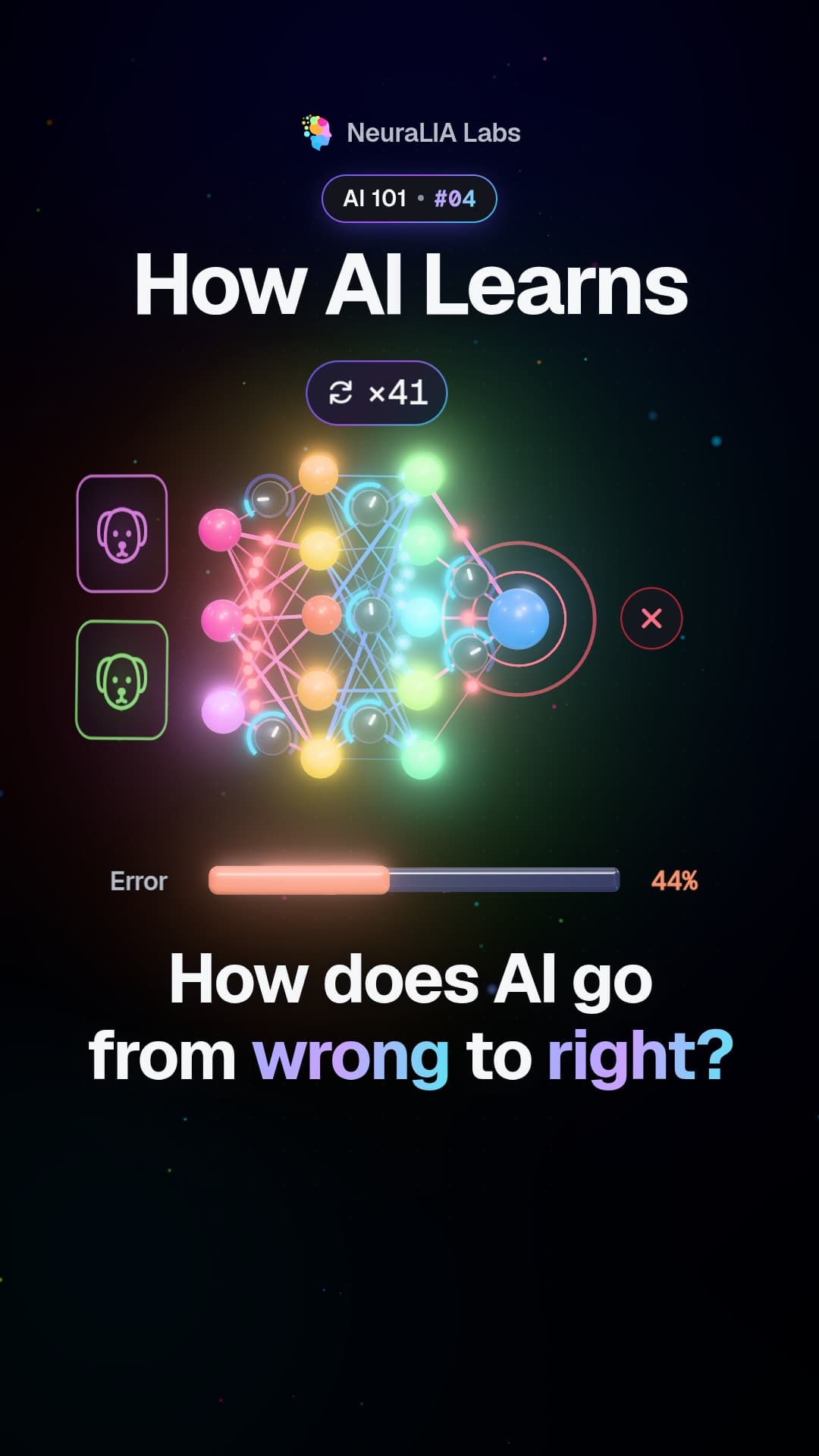 #04
#04How AI learns: guess, measure the error, nudge, repeat
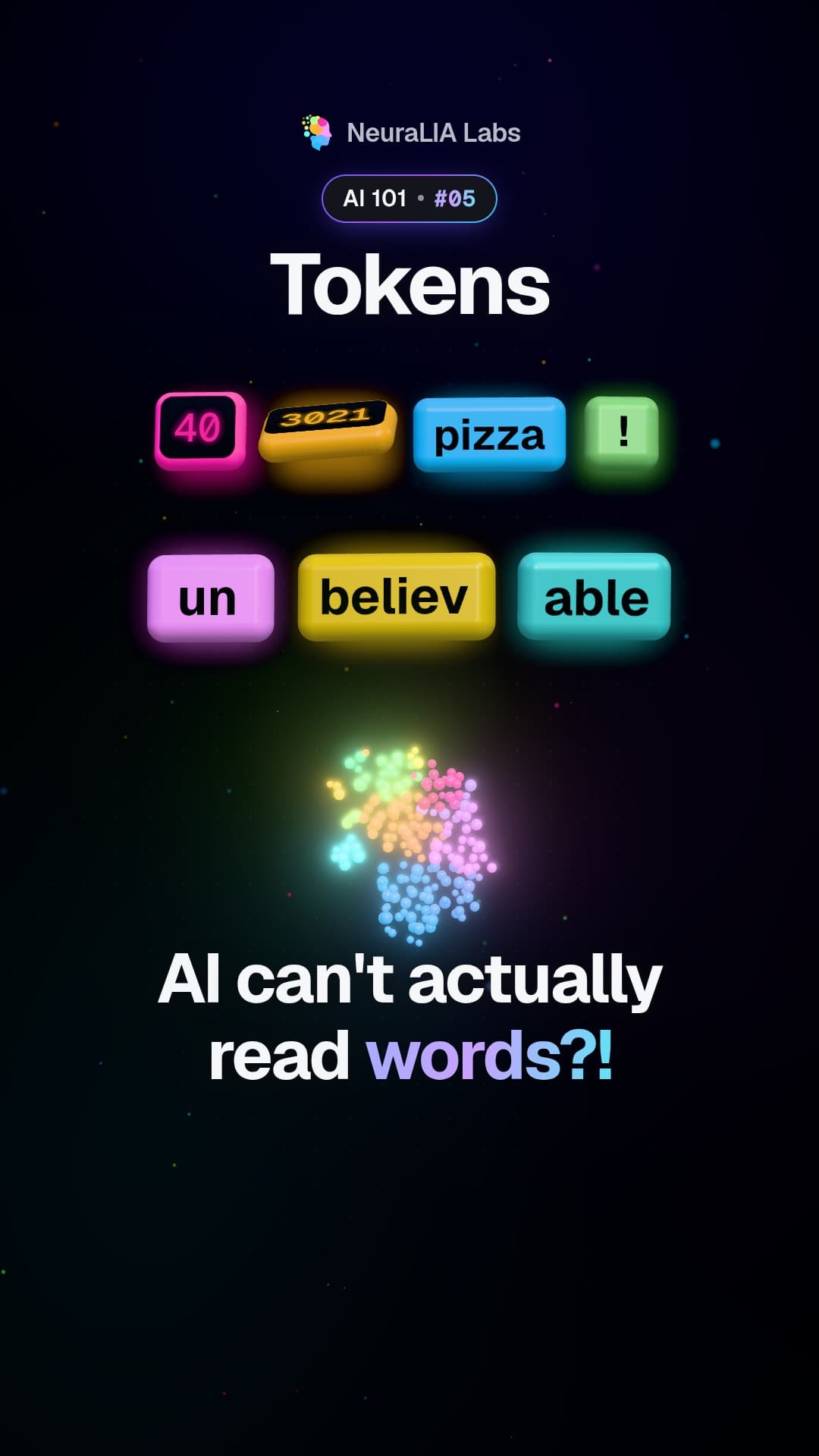 #05
#05Tokens: how AI chops your words into numbered pieces
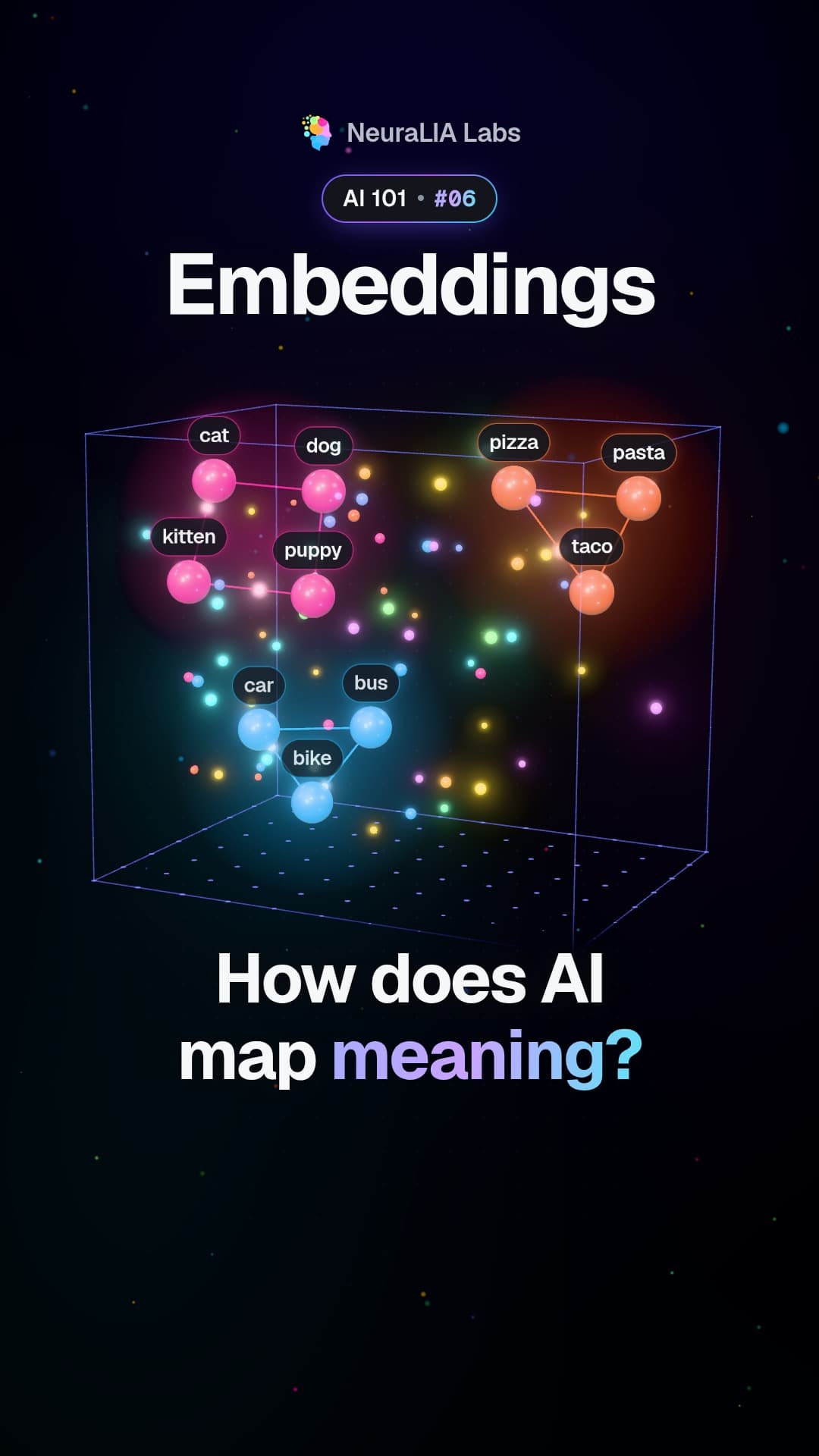 #06
#06Embeddings: why a puppy lands closer to a dog than to a pizza
Últims
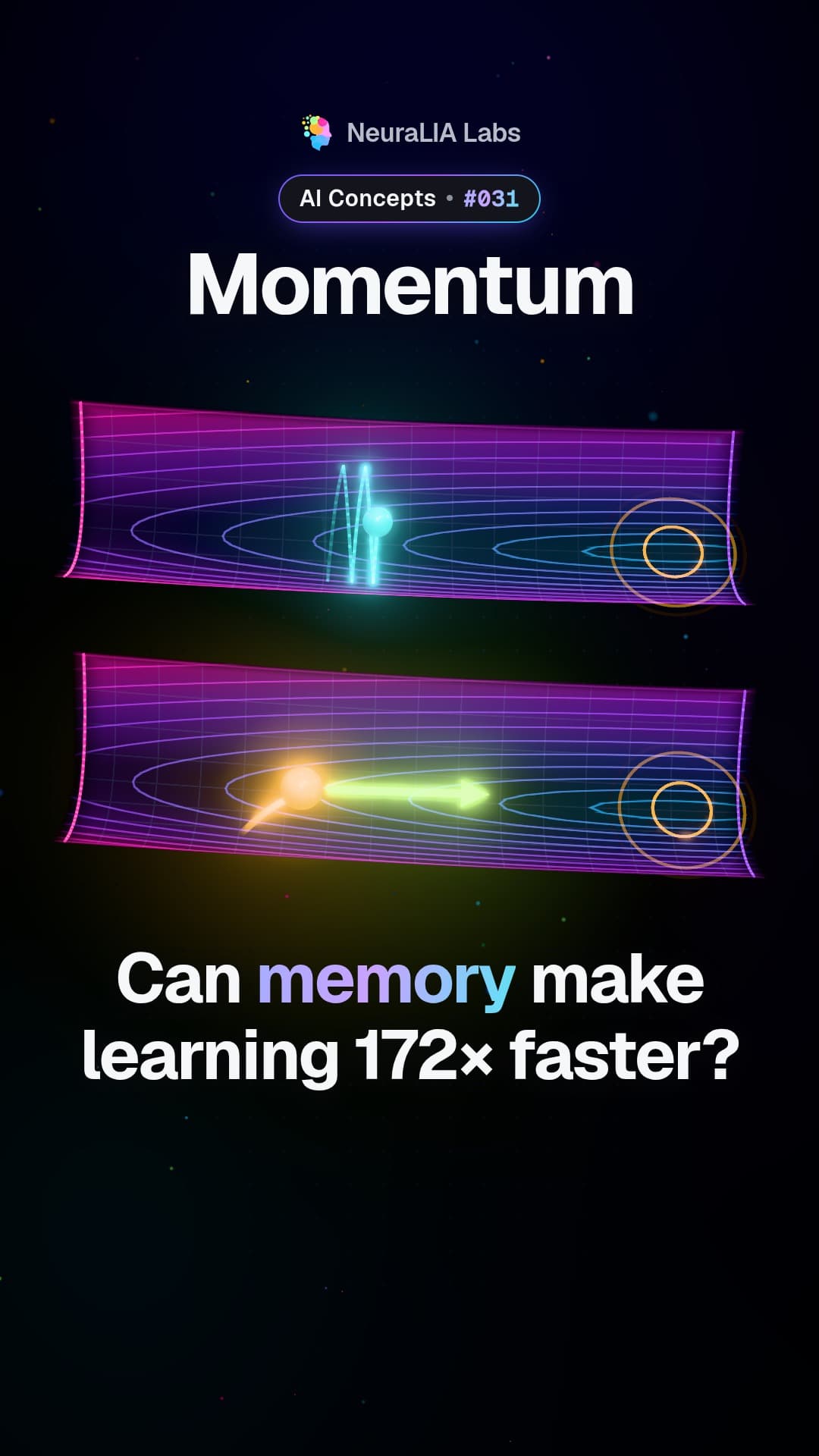 #031
#031Momentum: how remembering past steps stops AI training zigzagging
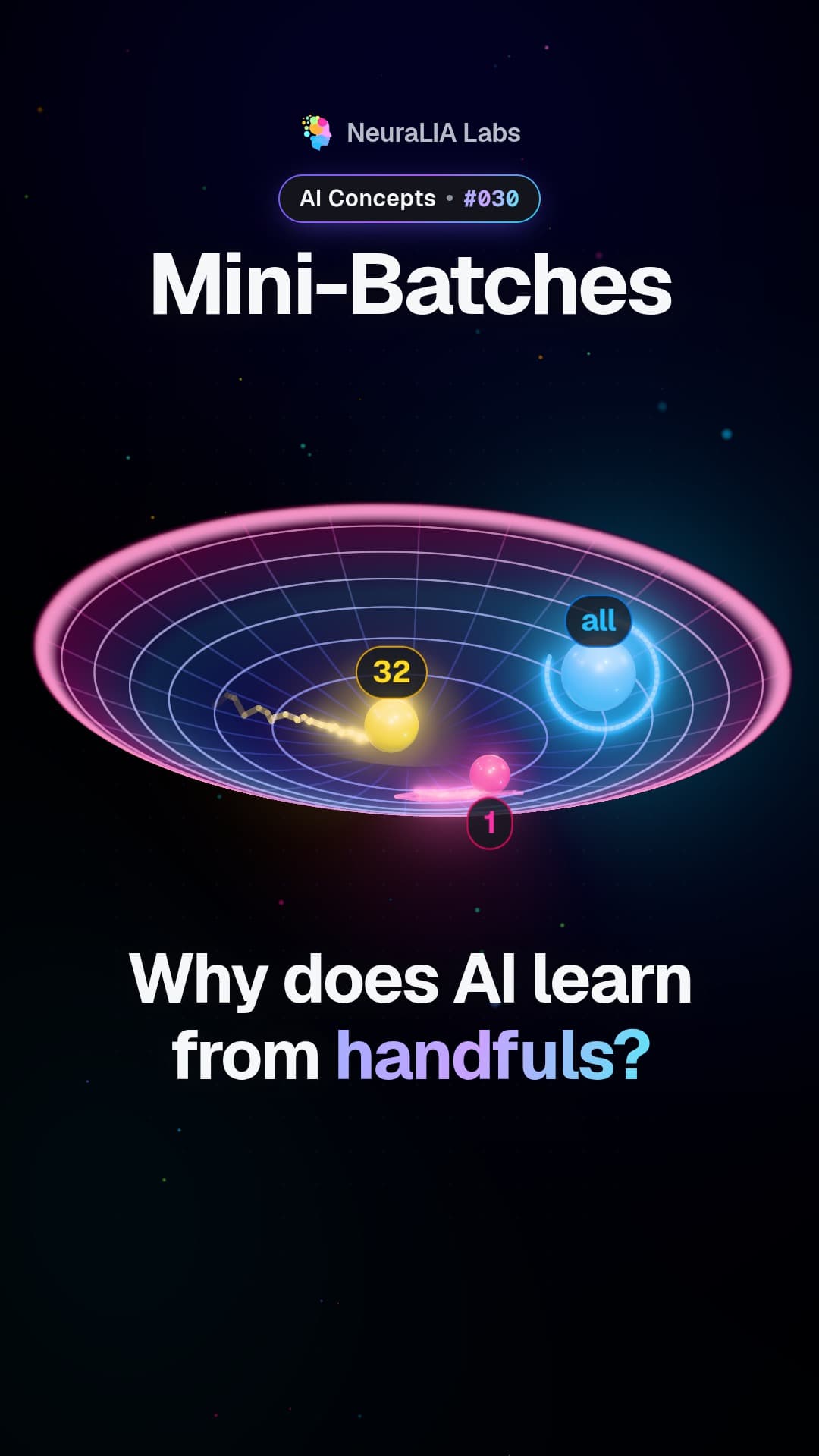 #030
#030Mini-batches: why AI learns faster from a random handful of data
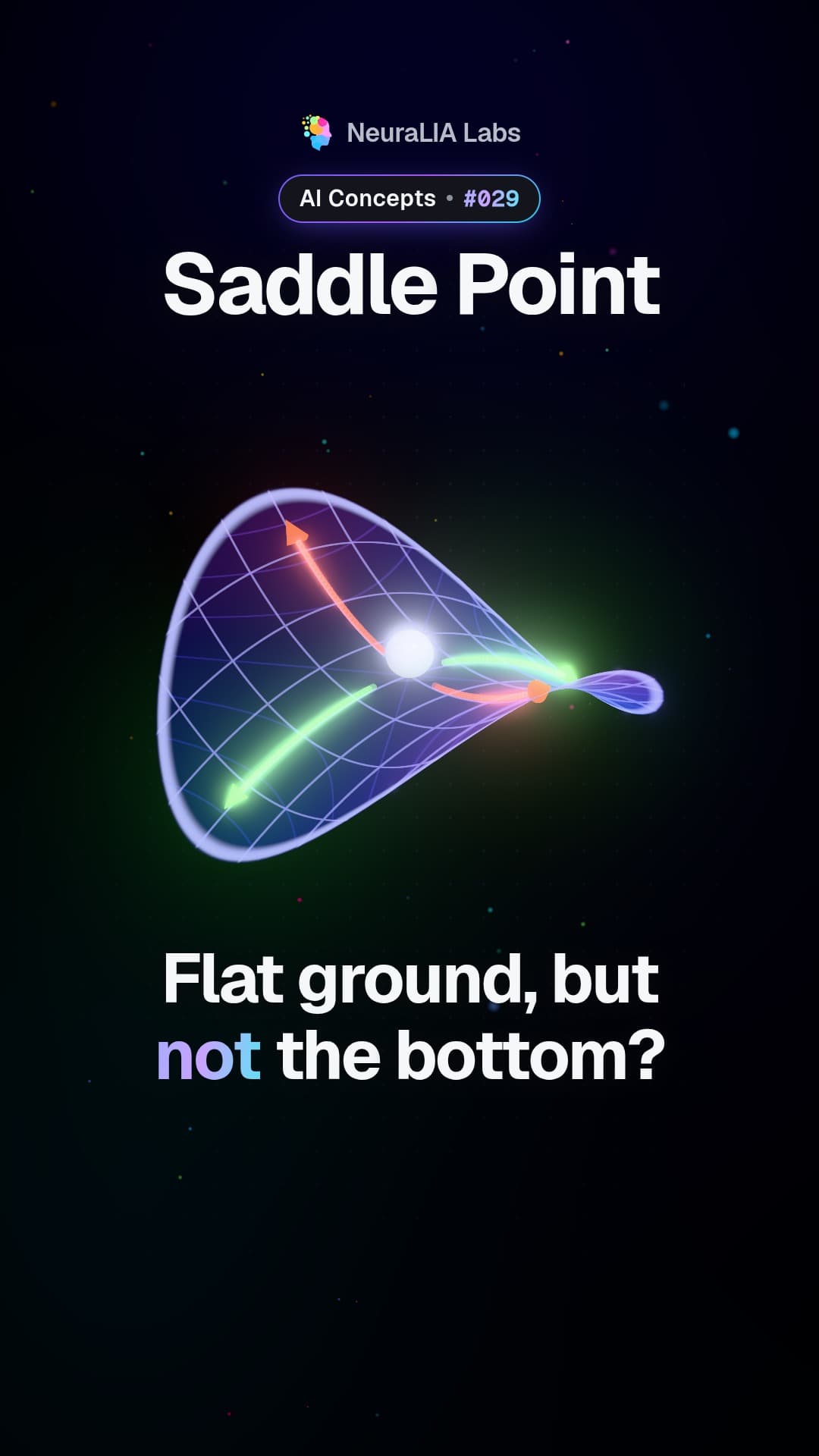 #029
#029Saddle points: where AI training looks stuck but has a way down
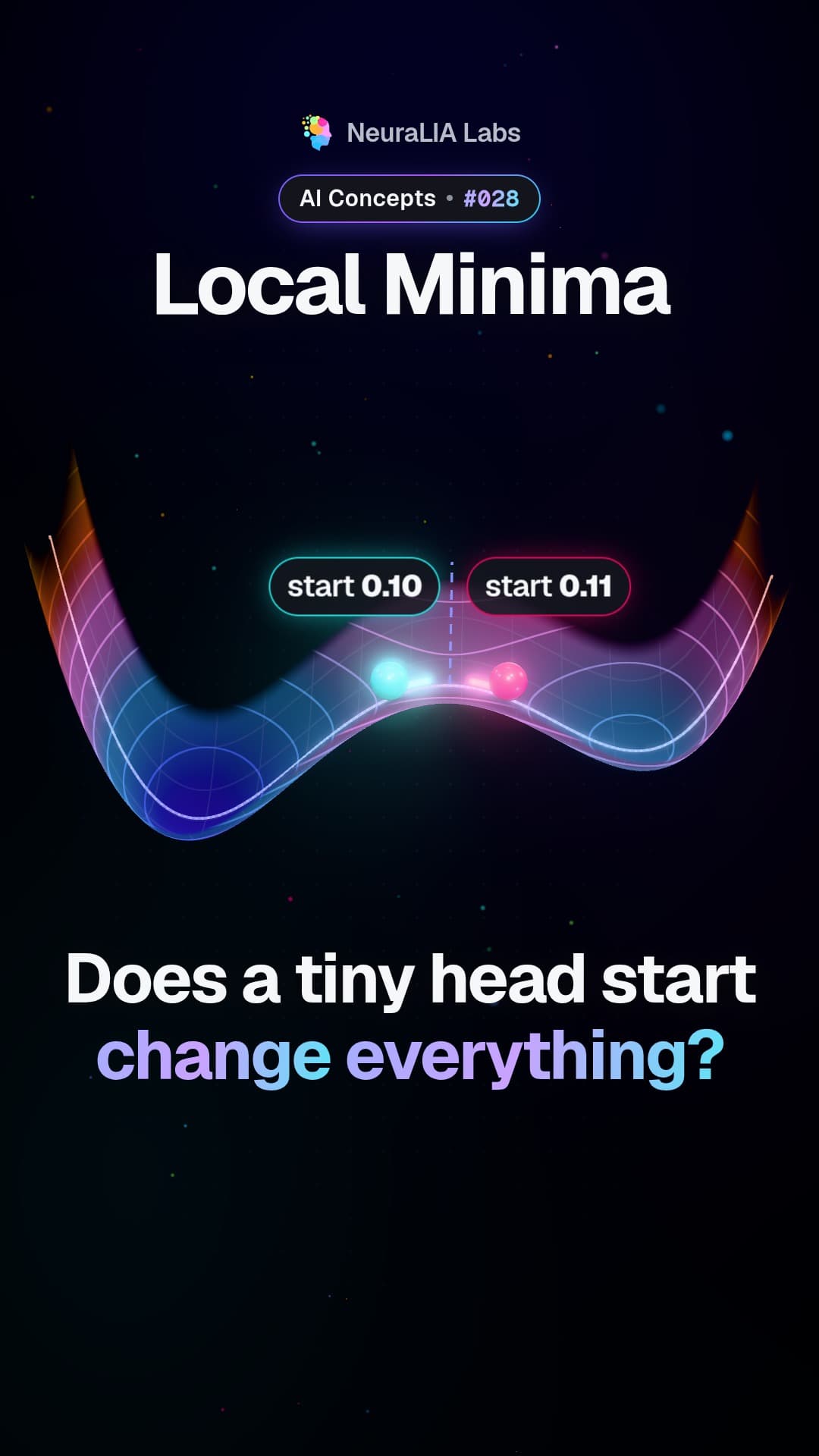 #028
#028Local minima: why AI training can settle for second best
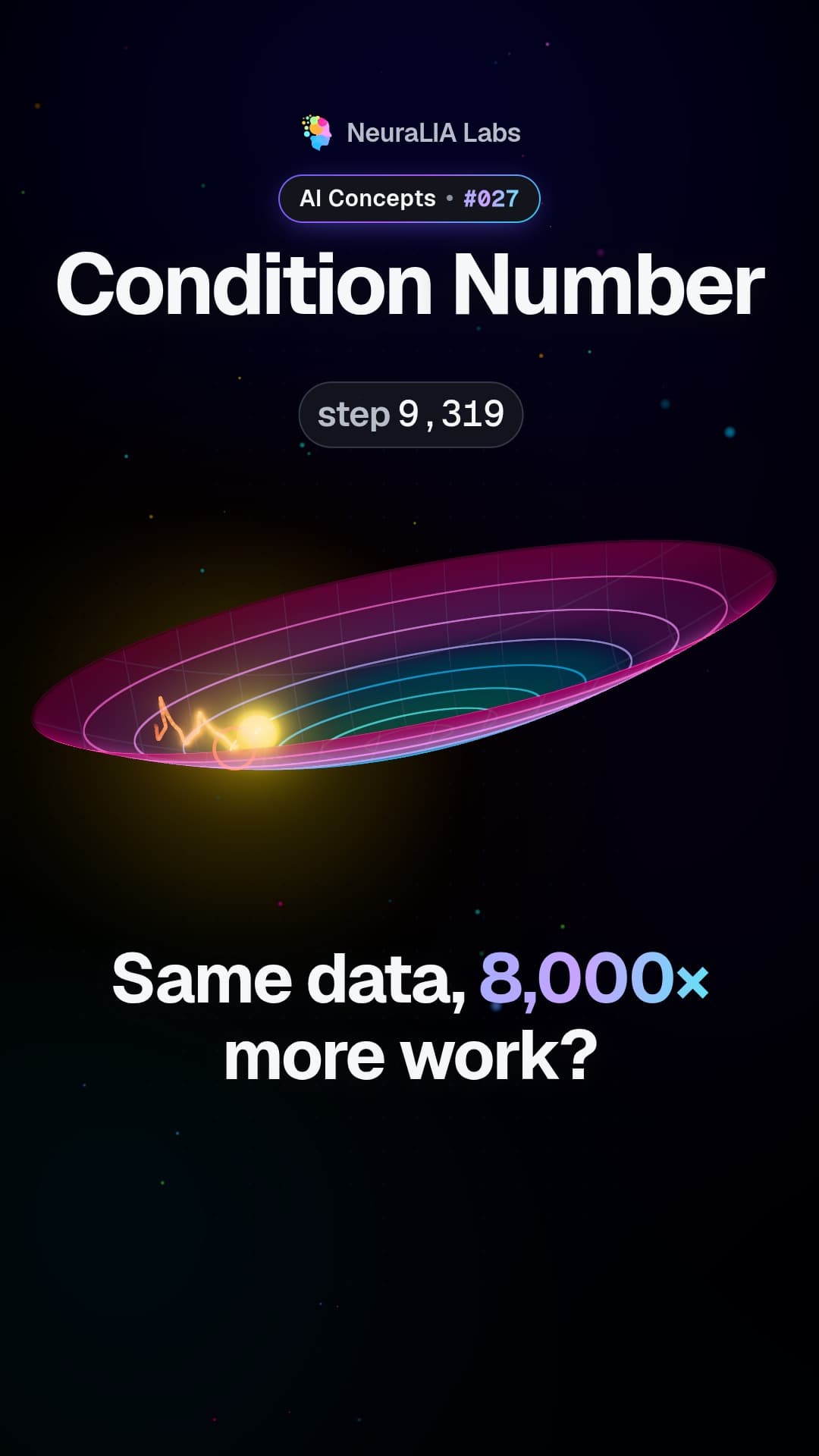 #027
#027Condition number: why a stretched valley makes AI training crawl
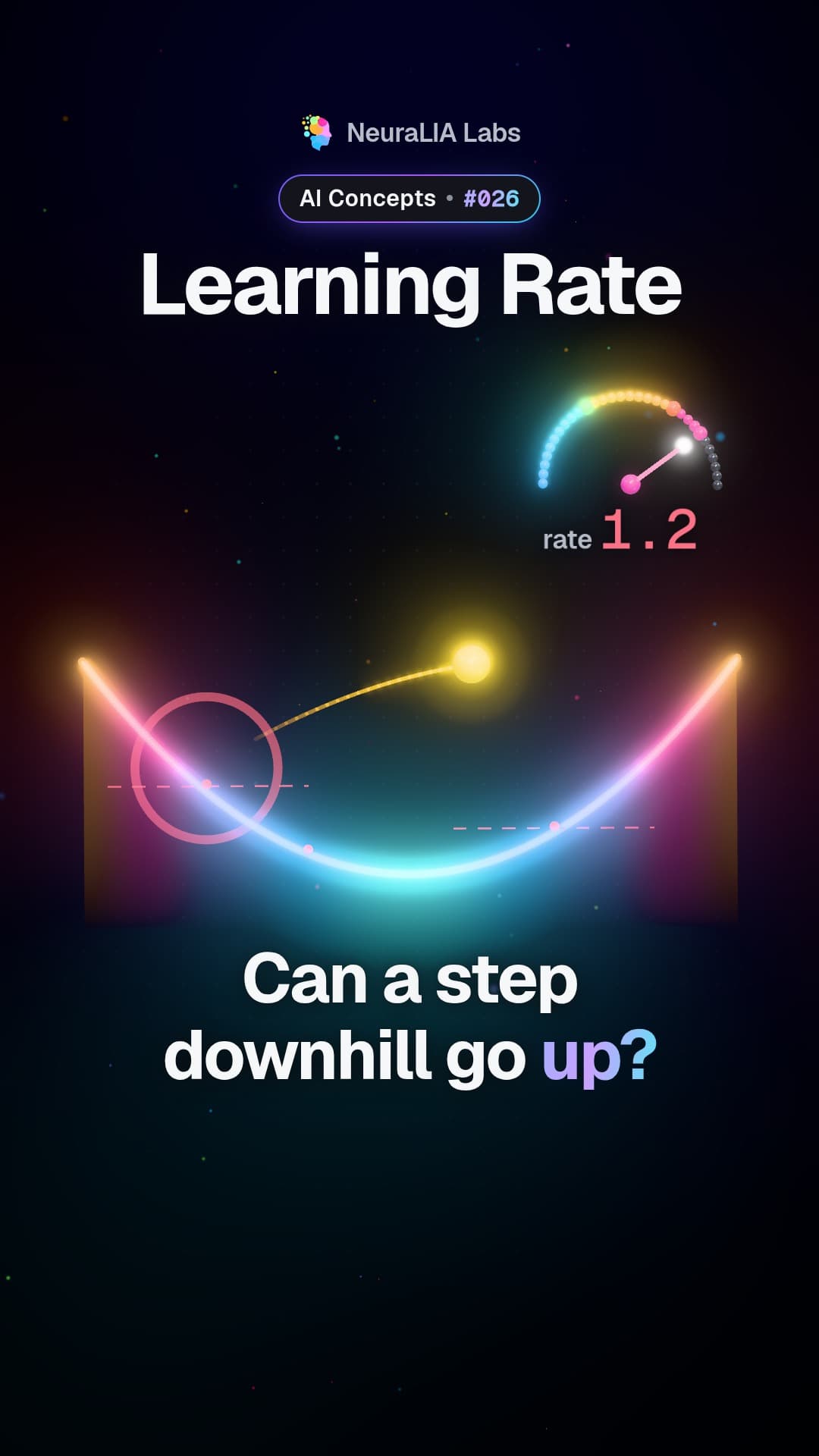 #026
#026Learning rate: the step size with a ceiling you can calculate
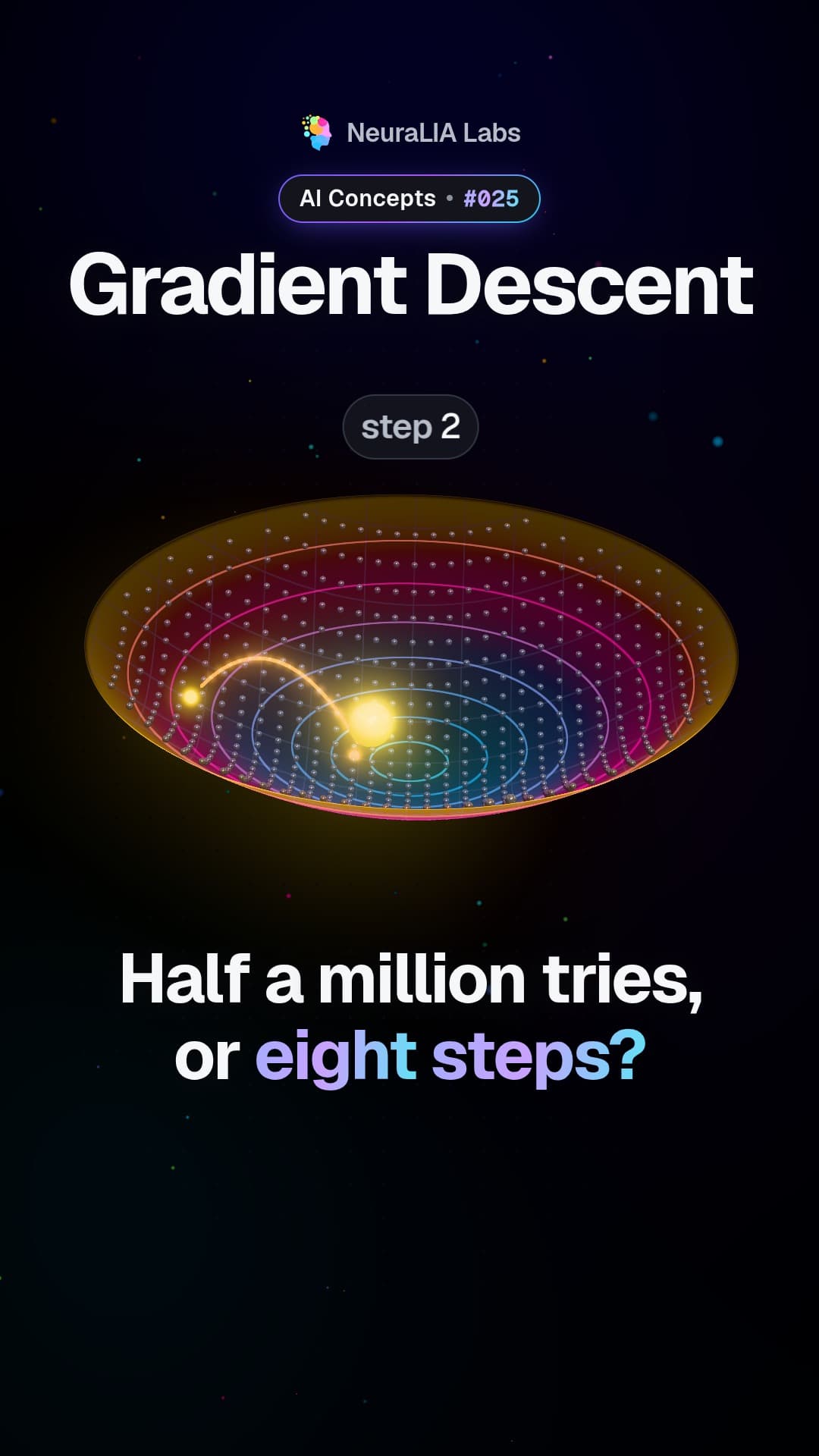 #025
#025Gradient descent: how AI finds its way downhill in small steps
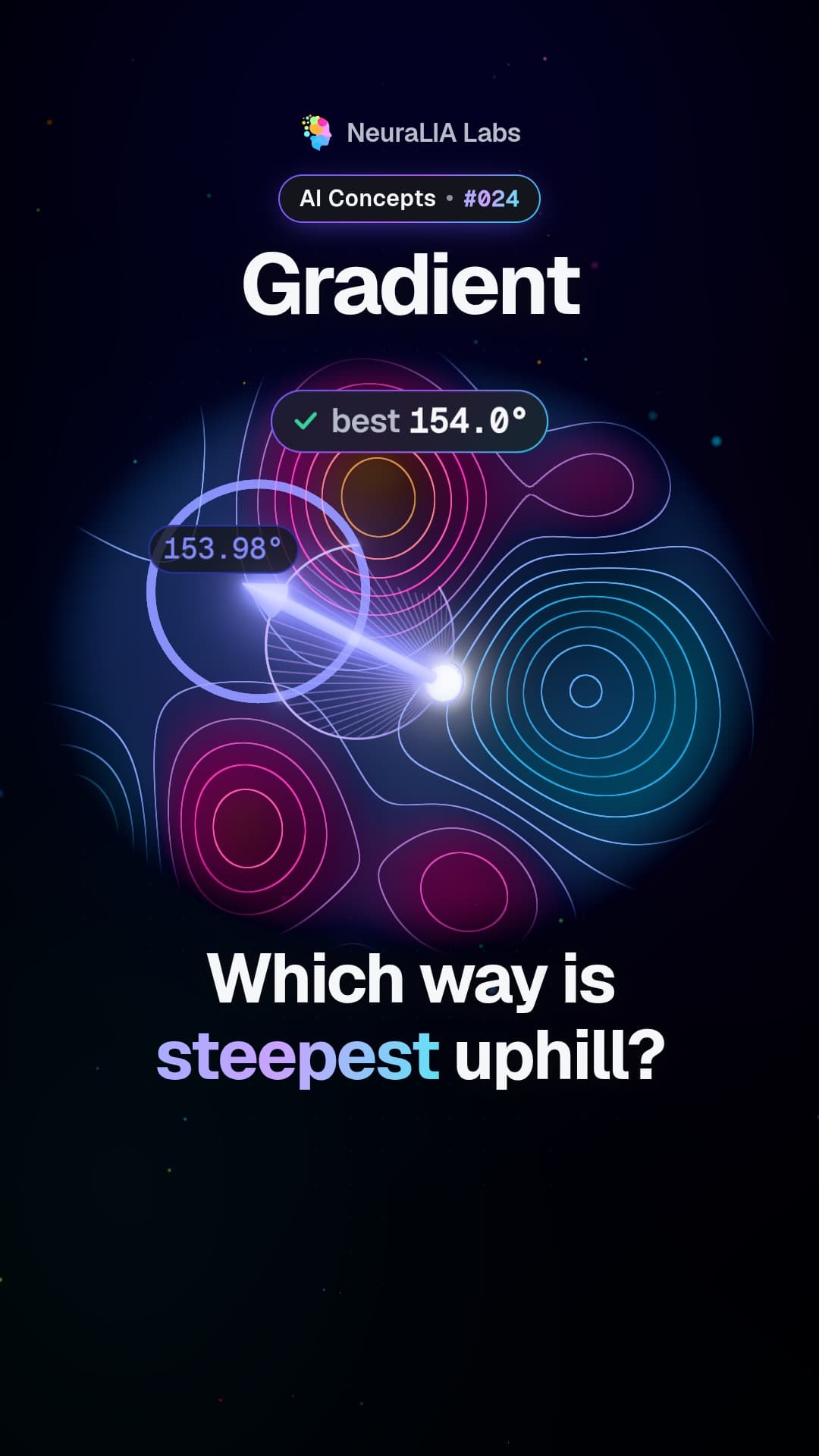 #024
#024Gradient: the arrow that points uphill, and why AI walks the other way
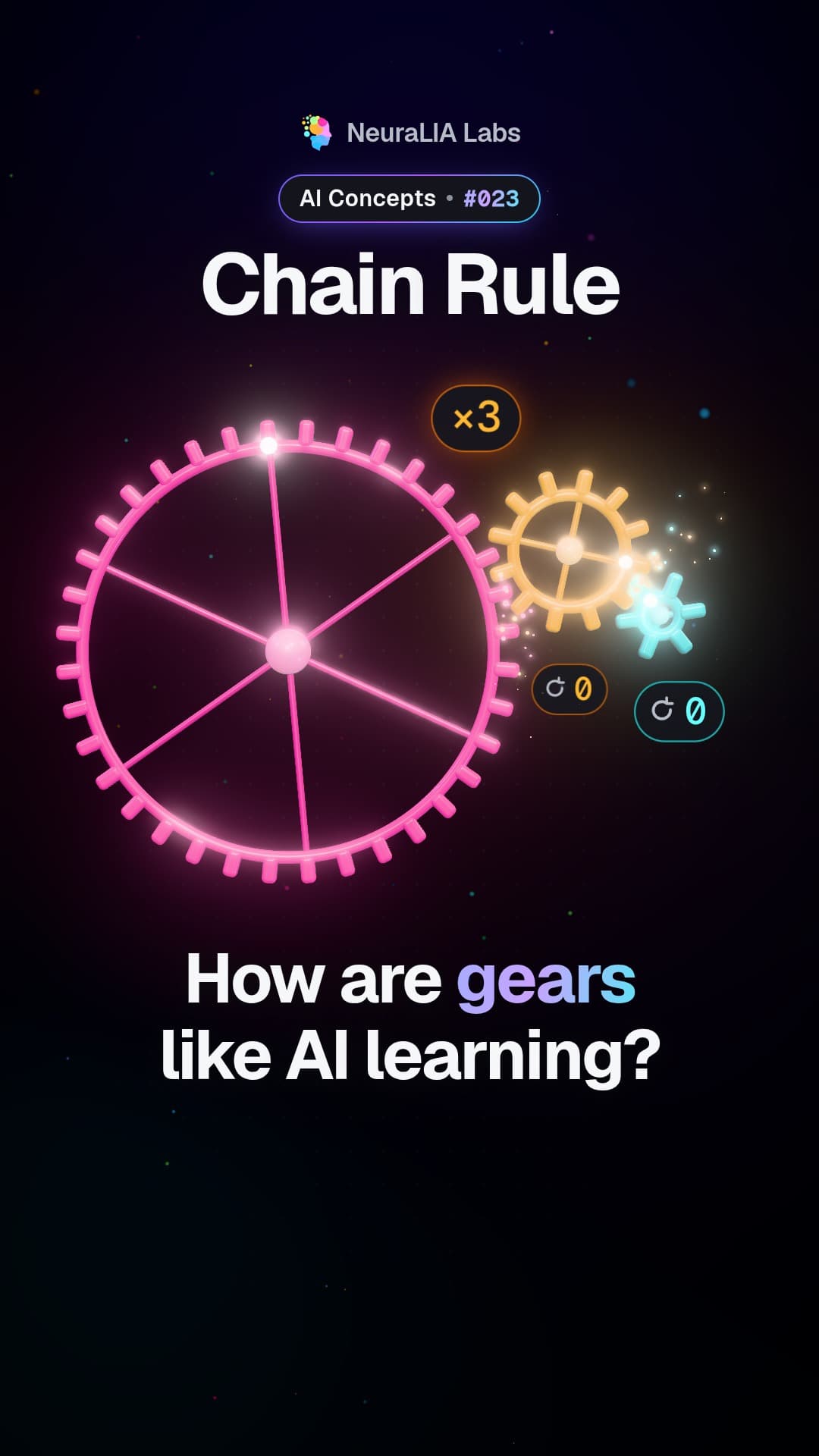 #023
#023Chain rule: how AI traces the effect of every layer
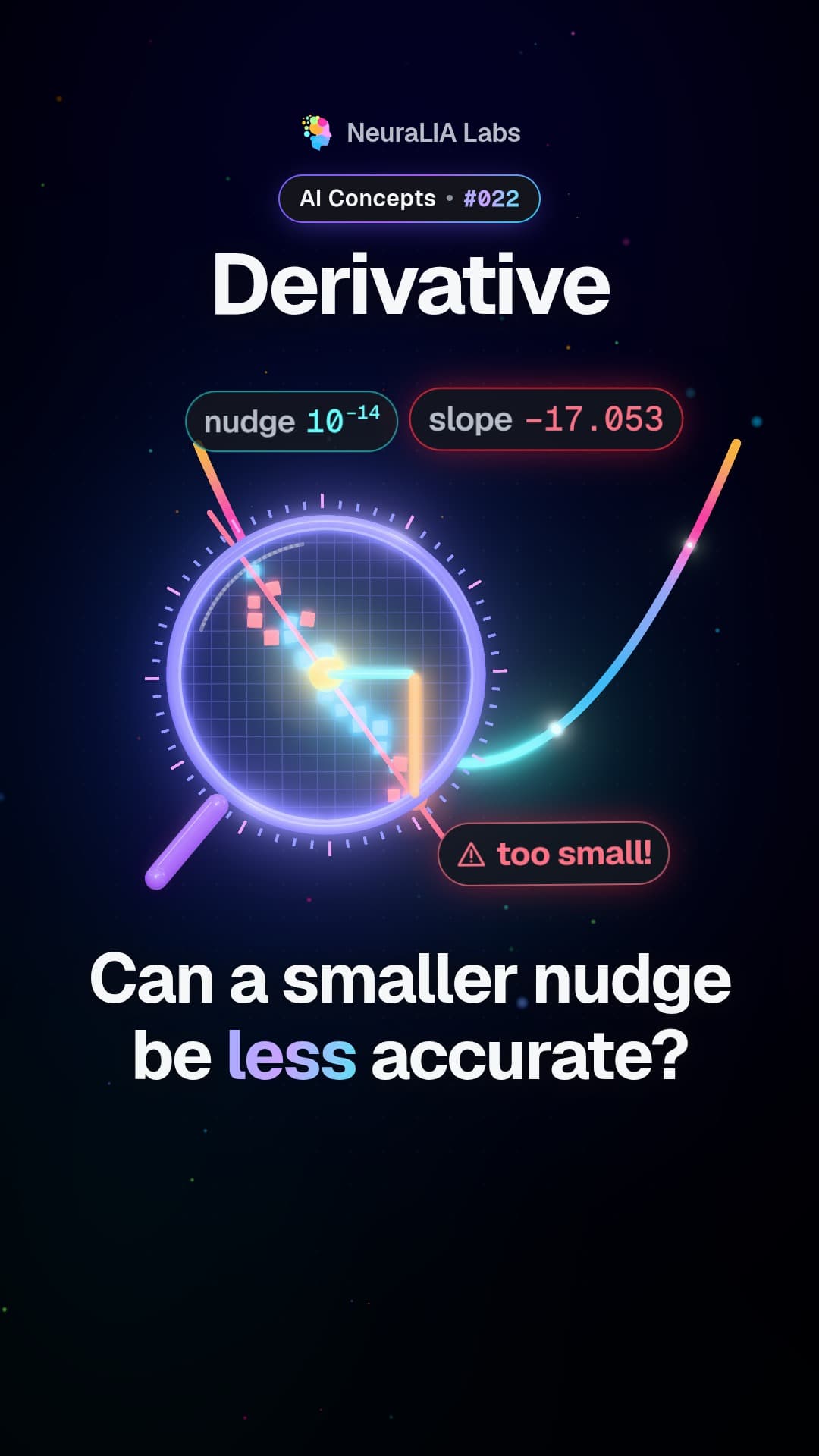 #022
#022Derivative: how much the result moves when you nudge one input
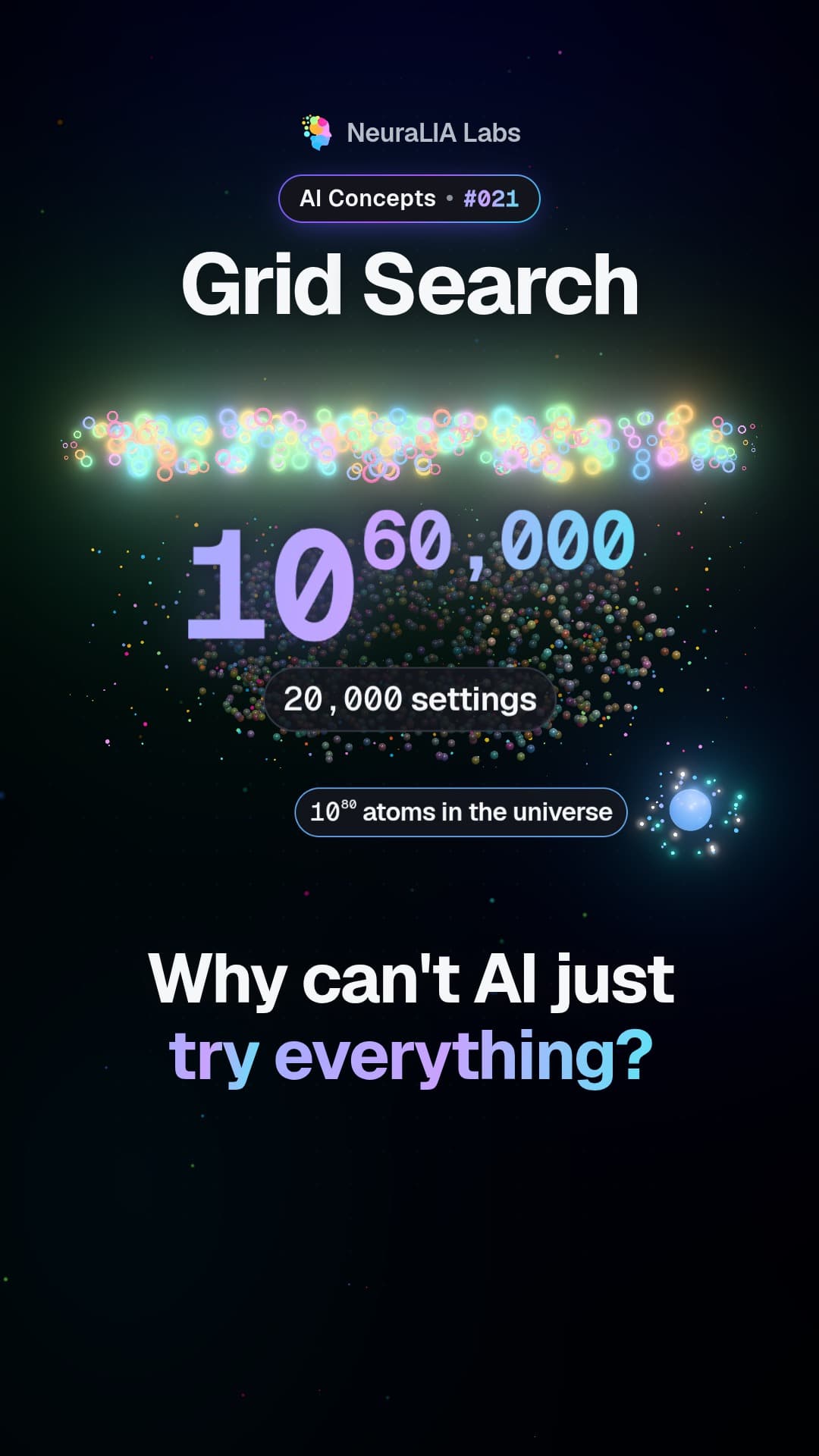 #021
#021Grid search: why you cannot train an AI by trying every setting
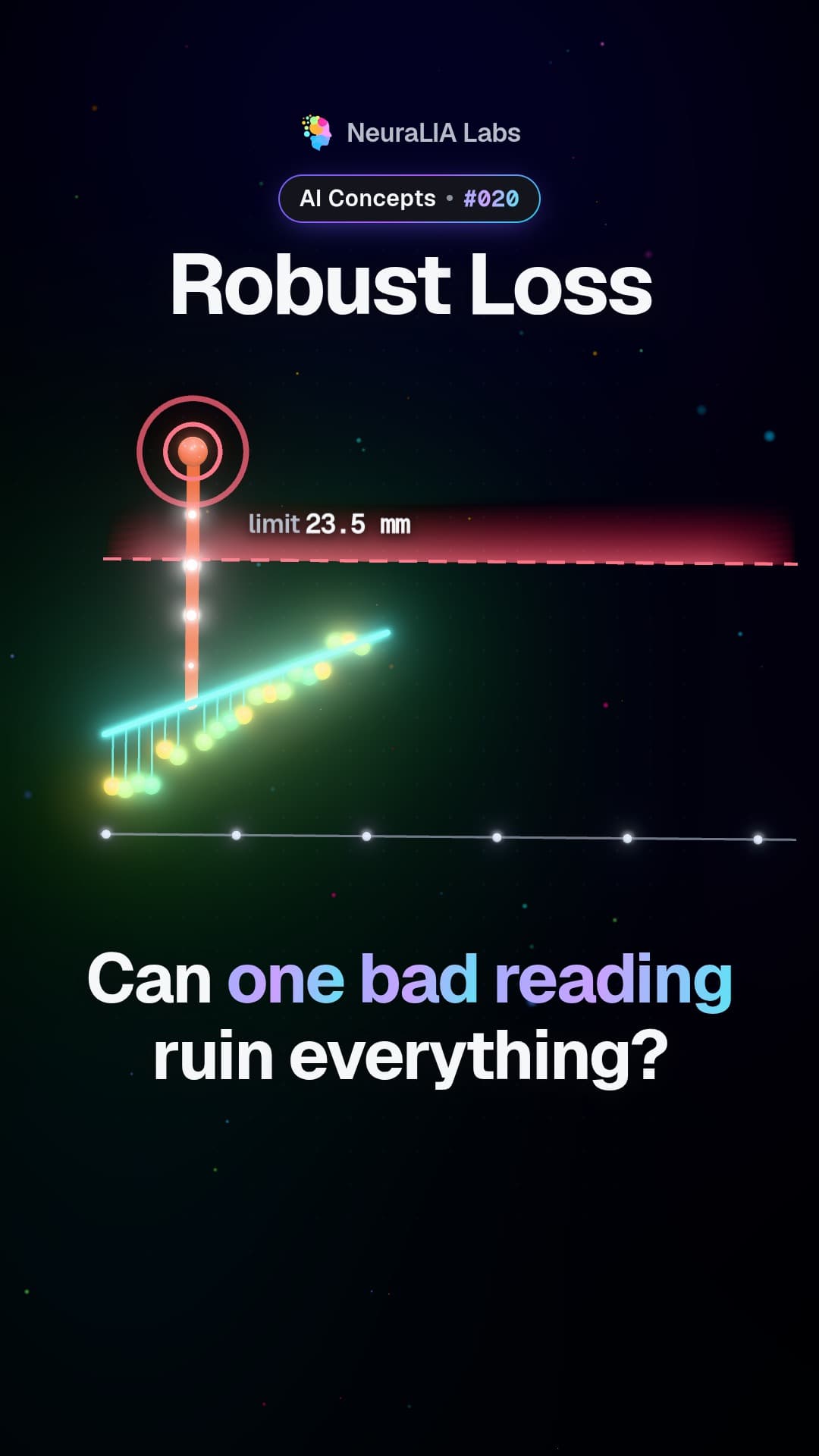 #020
#020Robust loss: stop one wild reading from wrecking your forecast
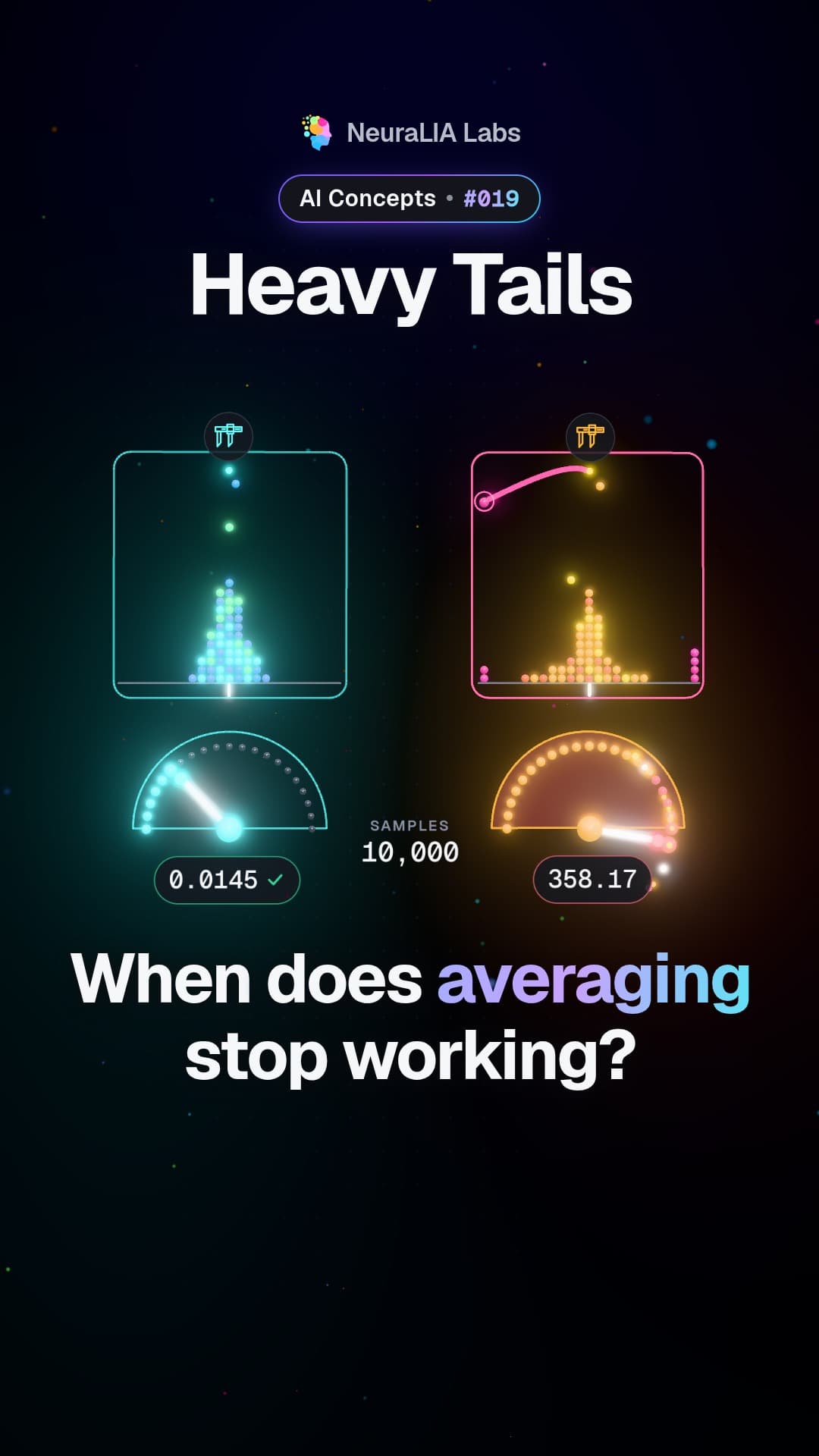 #019
#019Heavy tails: when rare, huge errors break the usual average
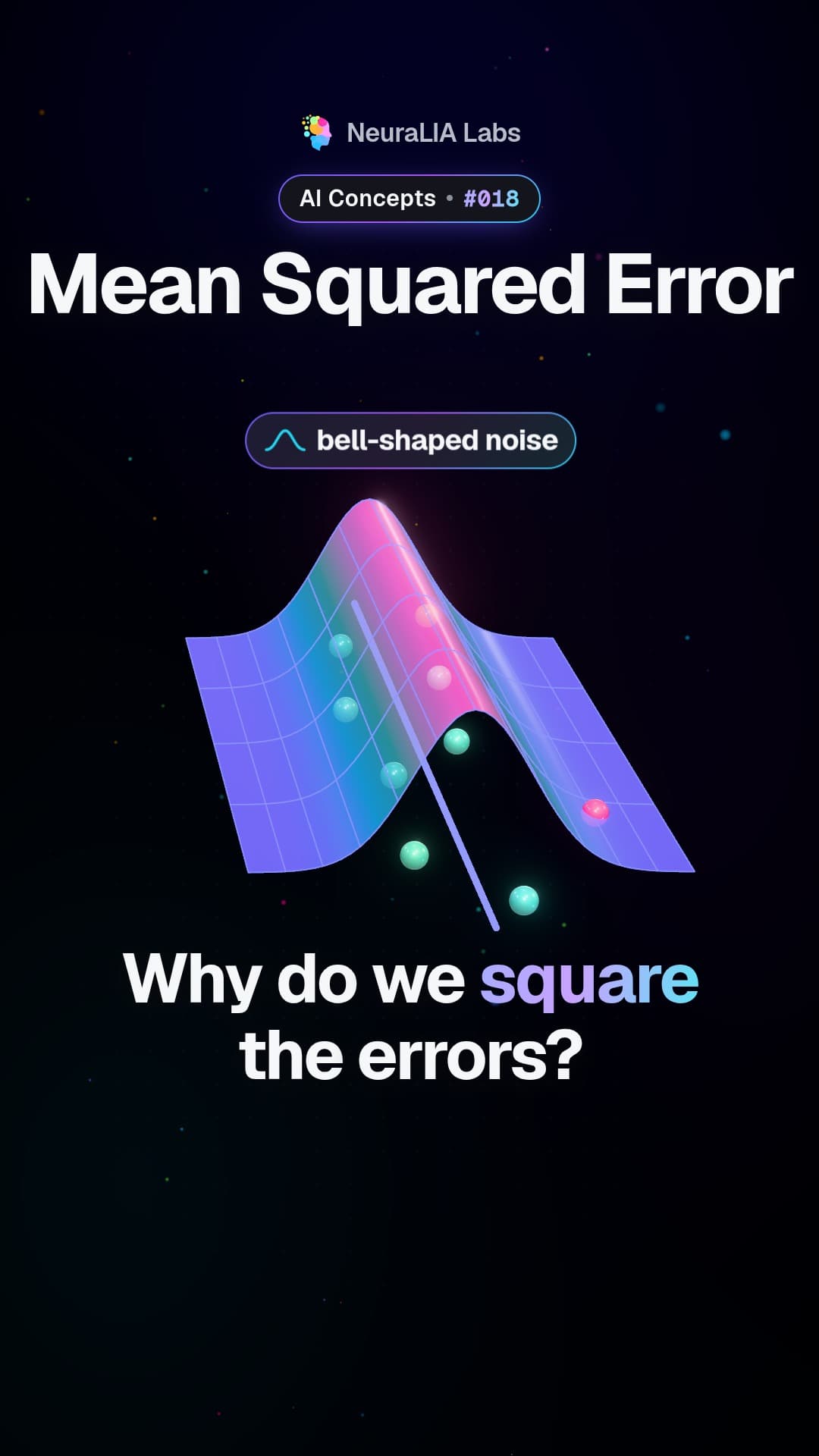 #018
#018Mean squared error: the hidden bet behind squaring your mistakes
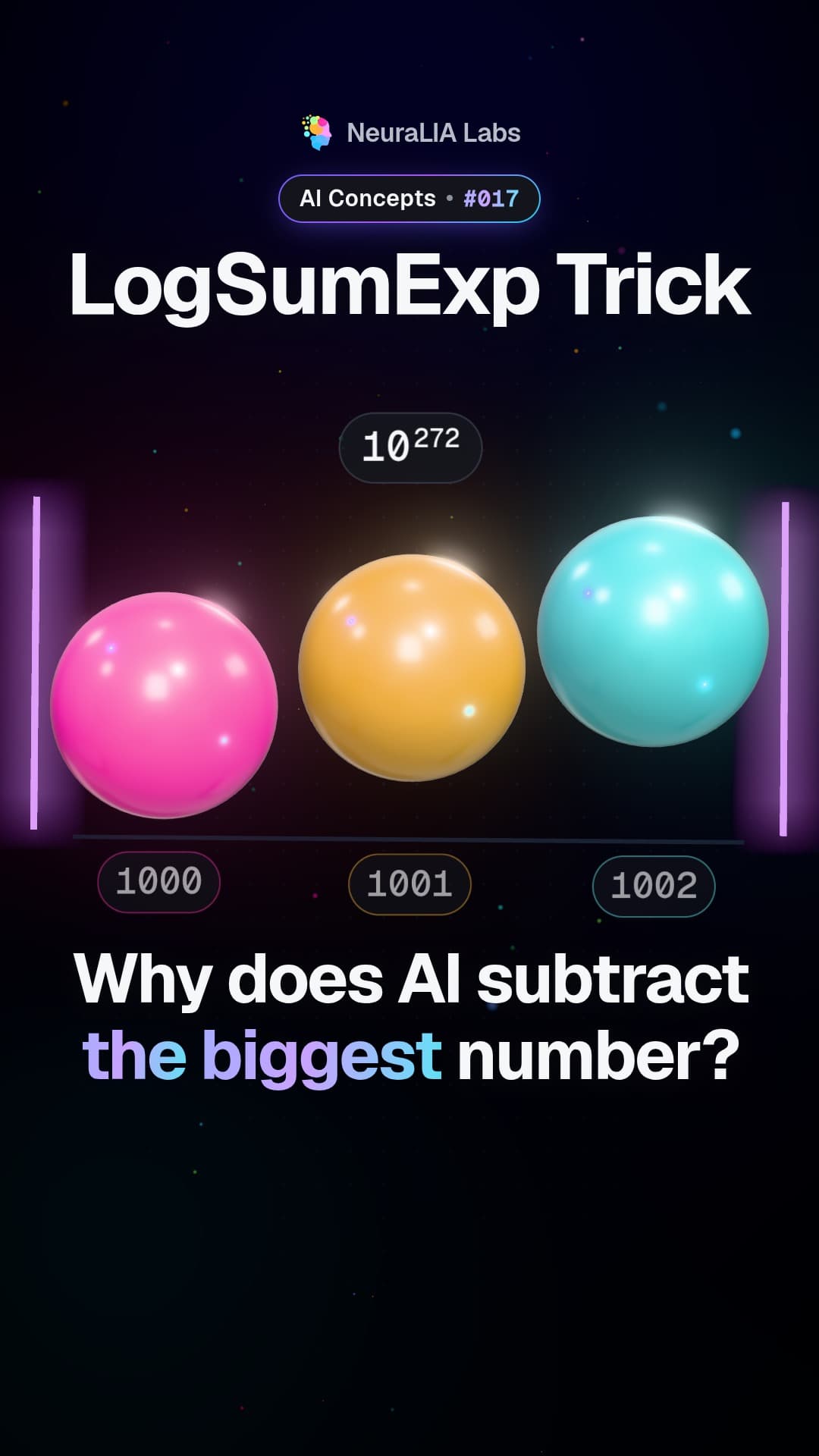 #017
#017The LogSumExp trick: one subtraction that stops AI math overflowing
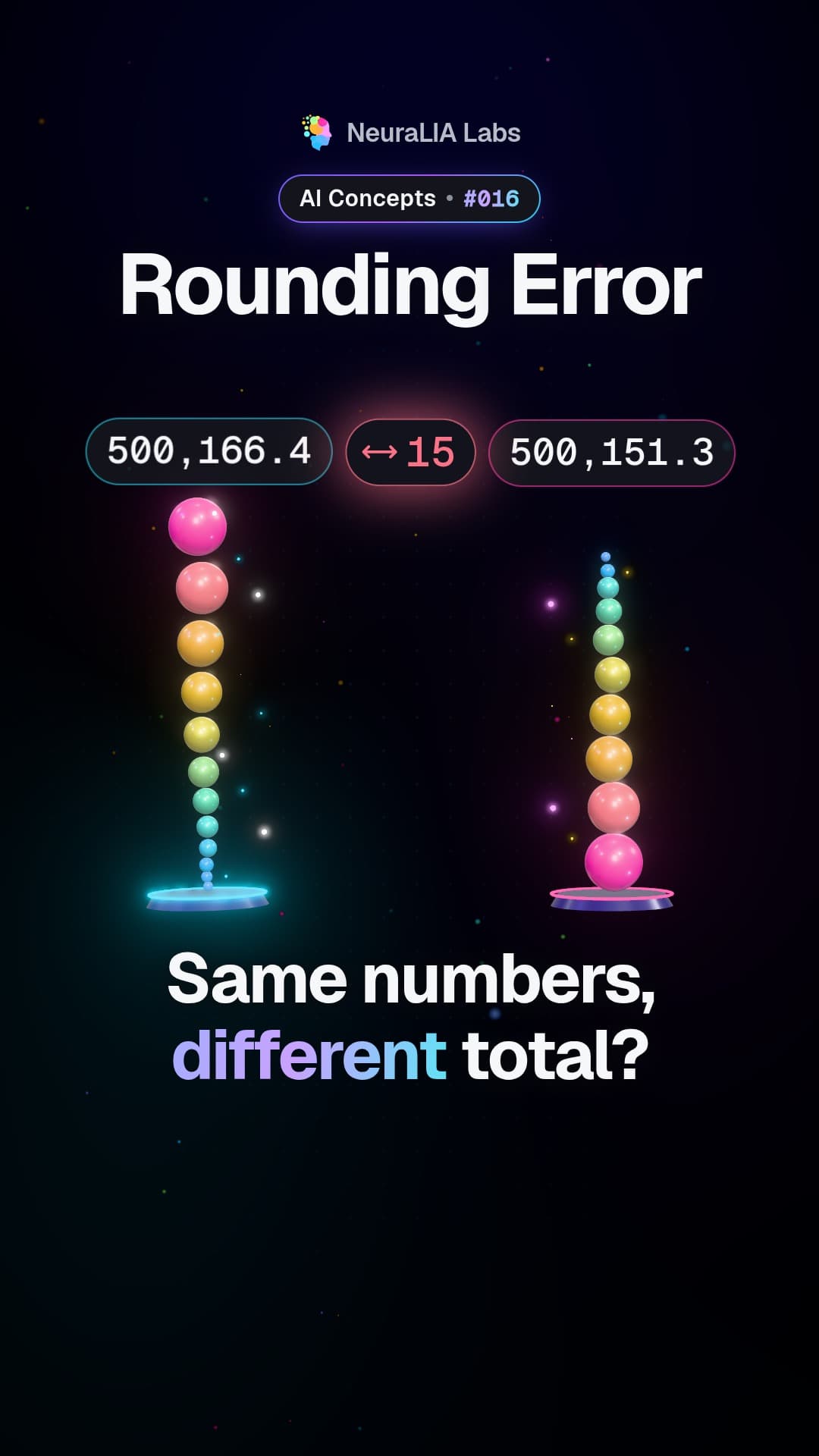 #016
#016Rounding error: why adding the same numbers can give two answers
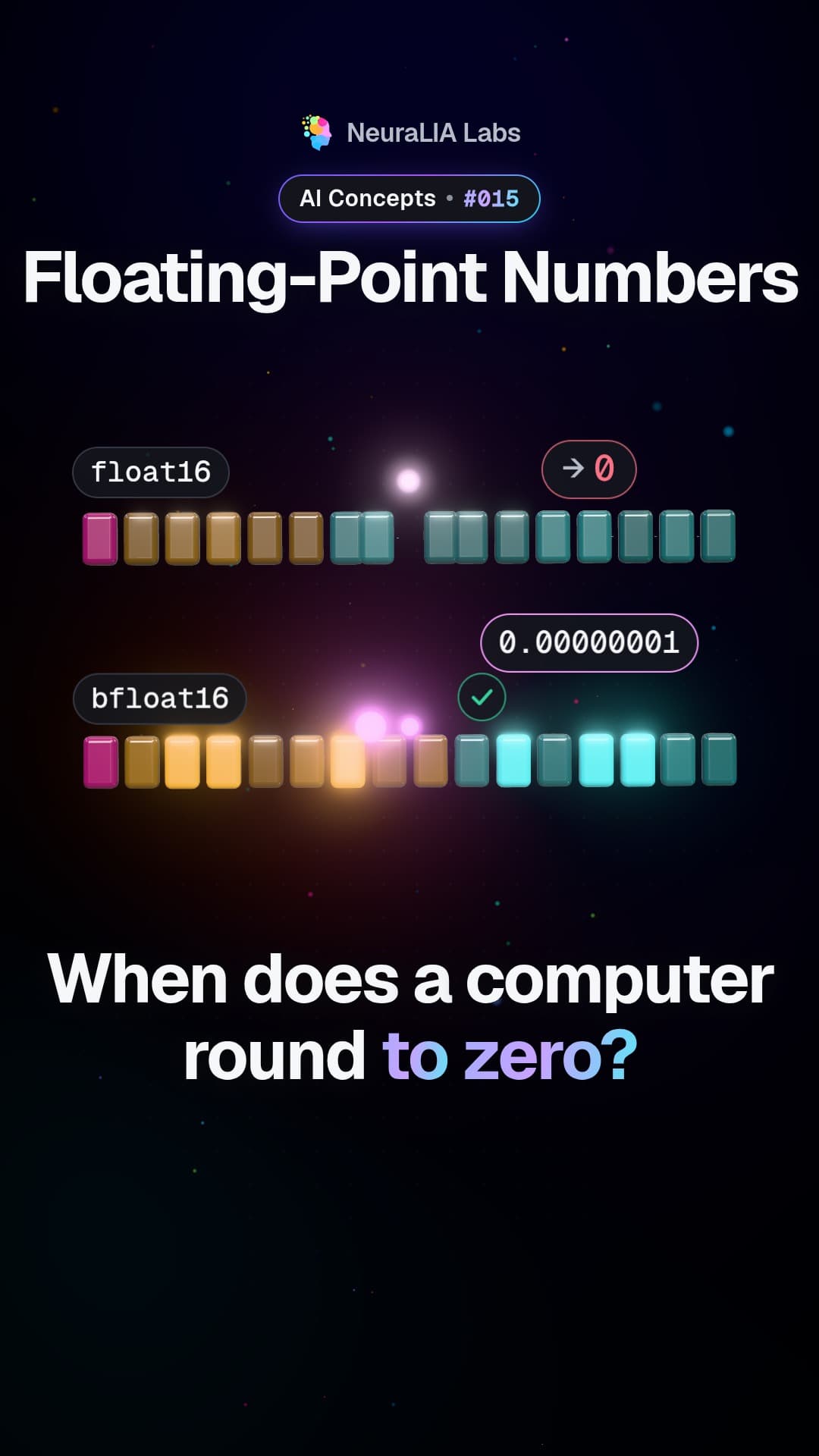 #015
#015Floating-point numbers: why your computer cannot hold every number
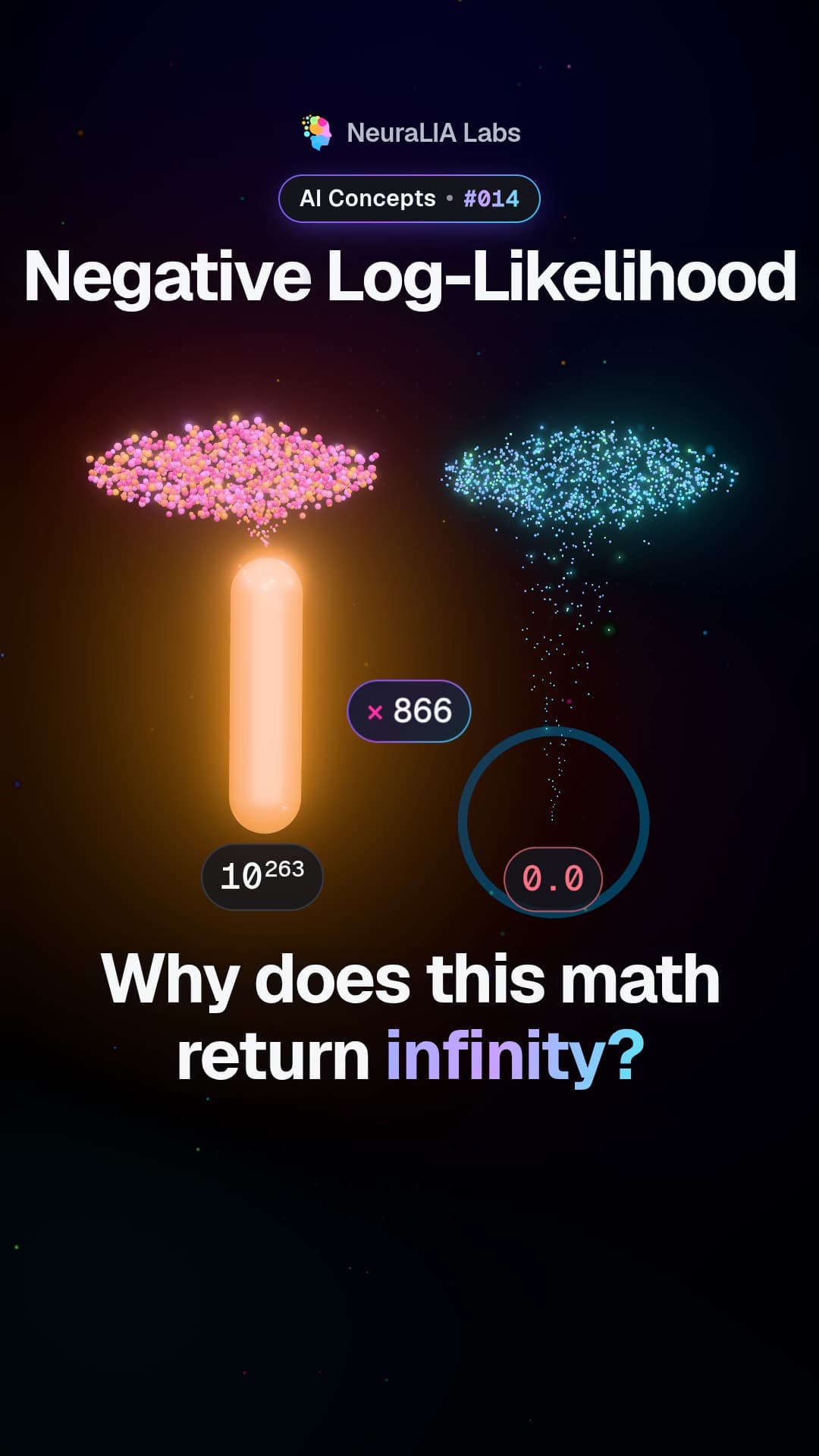 #014
#014Negative log-likelihood: turning a fragile product into a calm sum
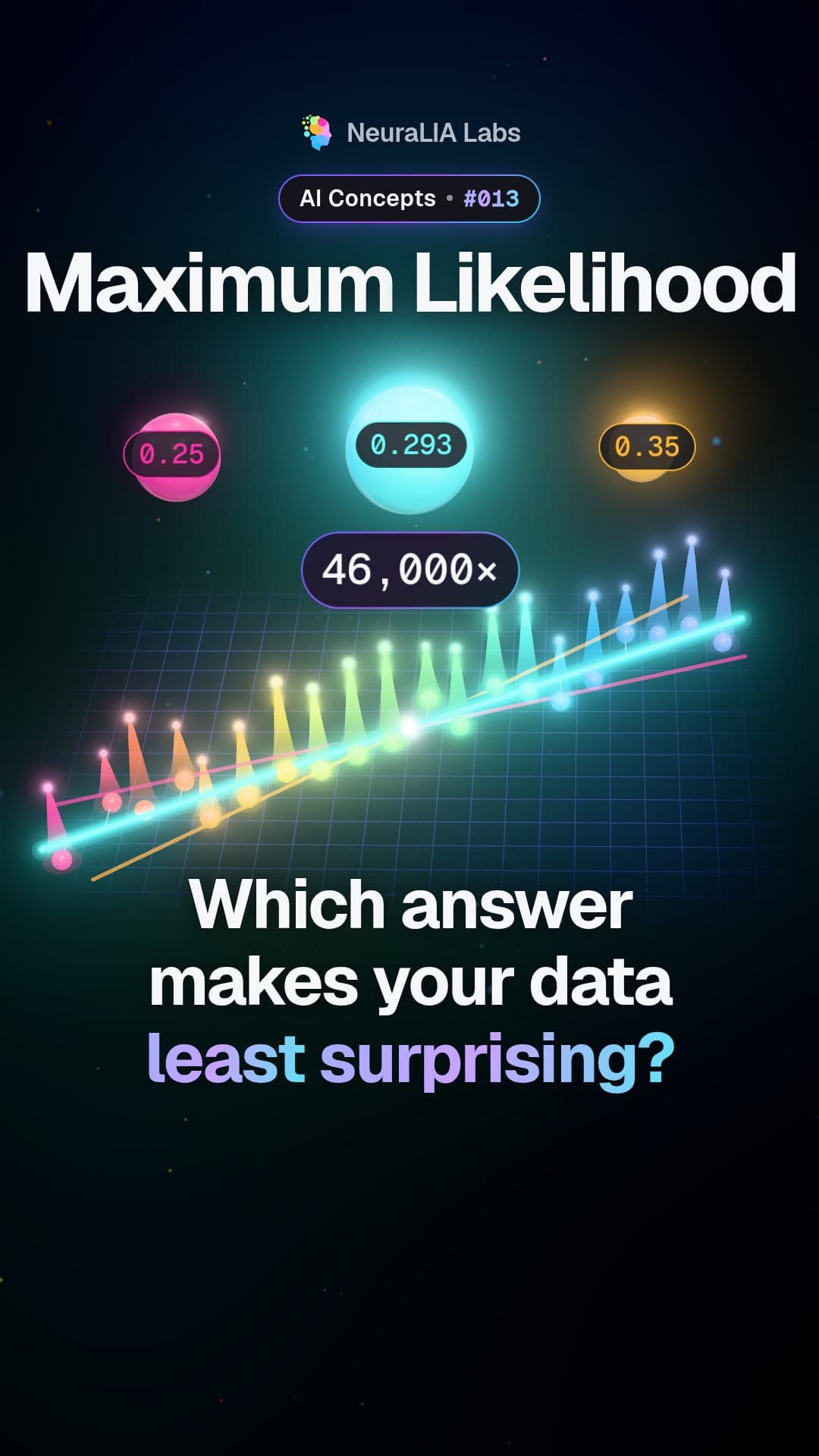 #013
#013Maximum likelihood: the answer that makes your data least surprising
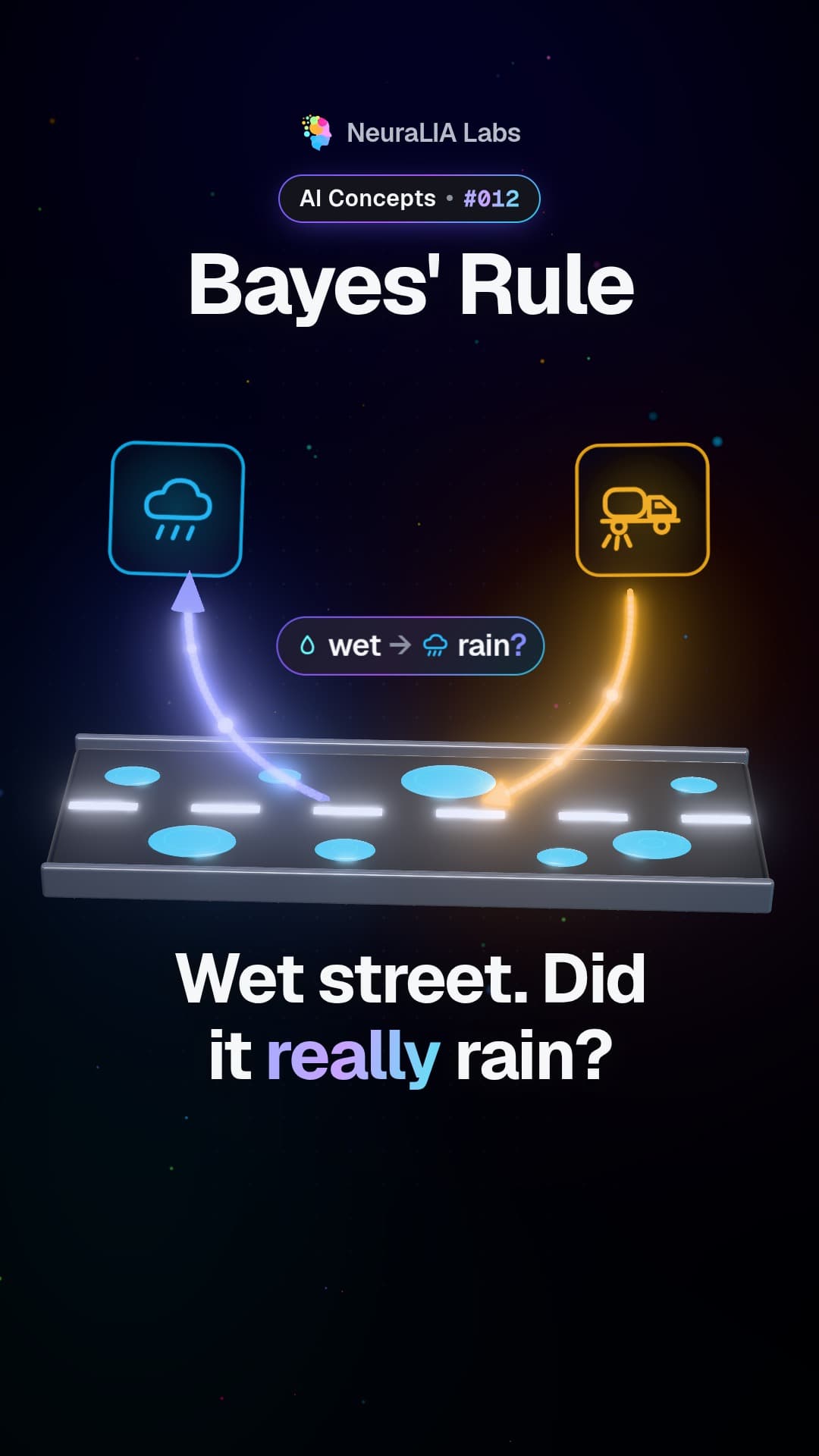 #012
#012Bayes' rule: reasoning backwards from a clue to its most likely cause
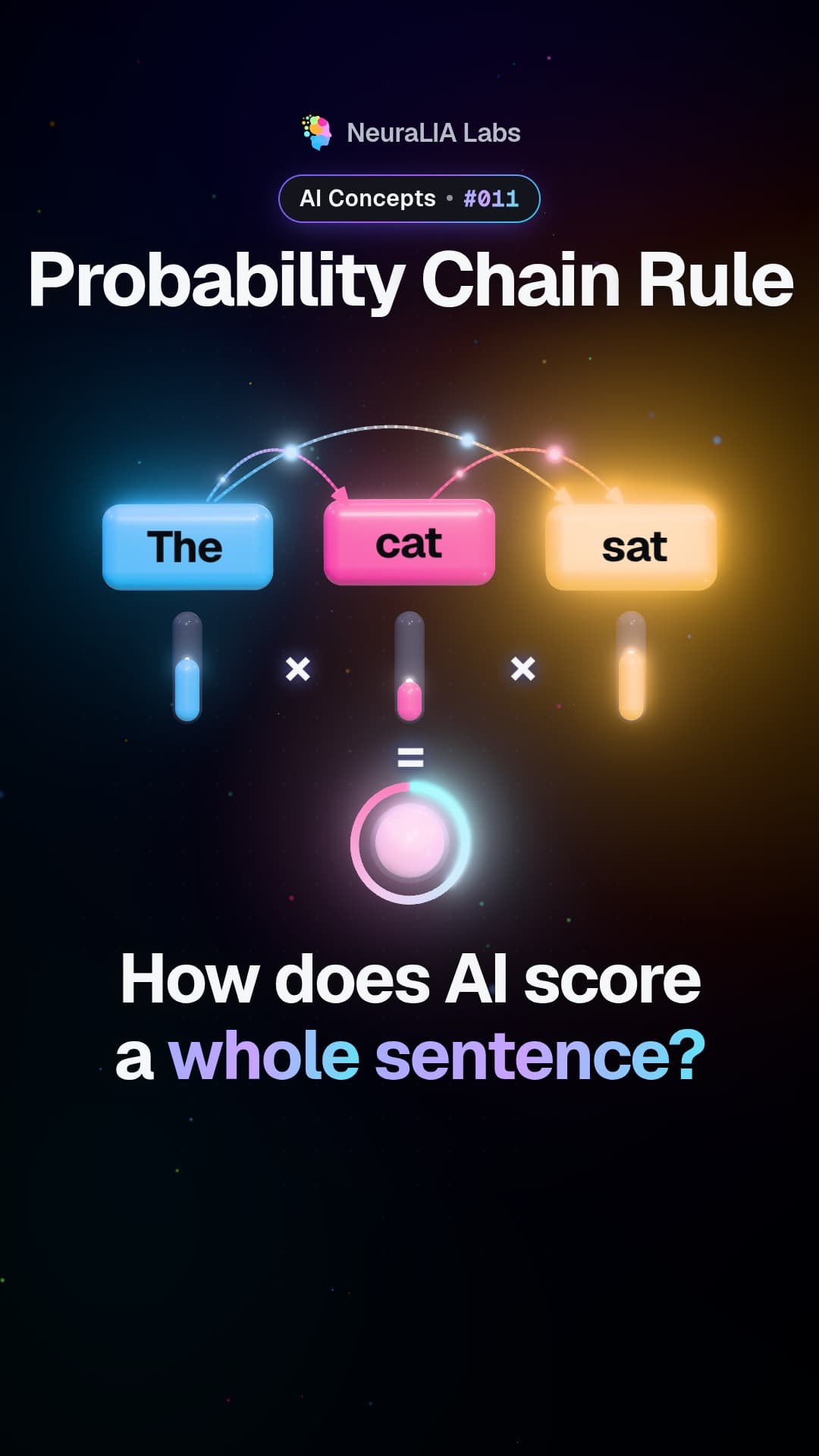 #011
#011Chain rule of probability: how AI scores a sentence word by word
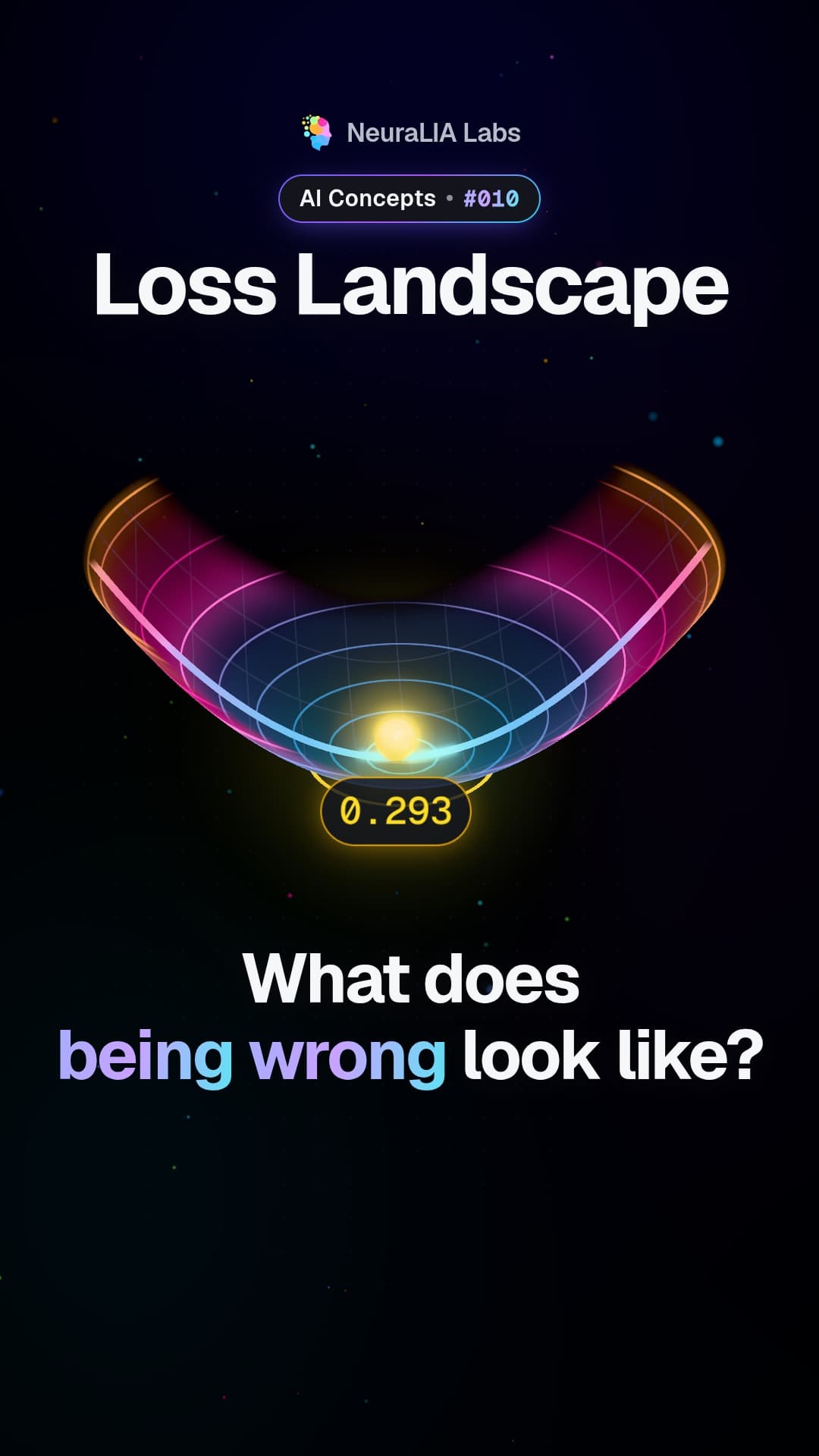 #010
#010Loss landscape: training an AI means finding the bottom of a valley
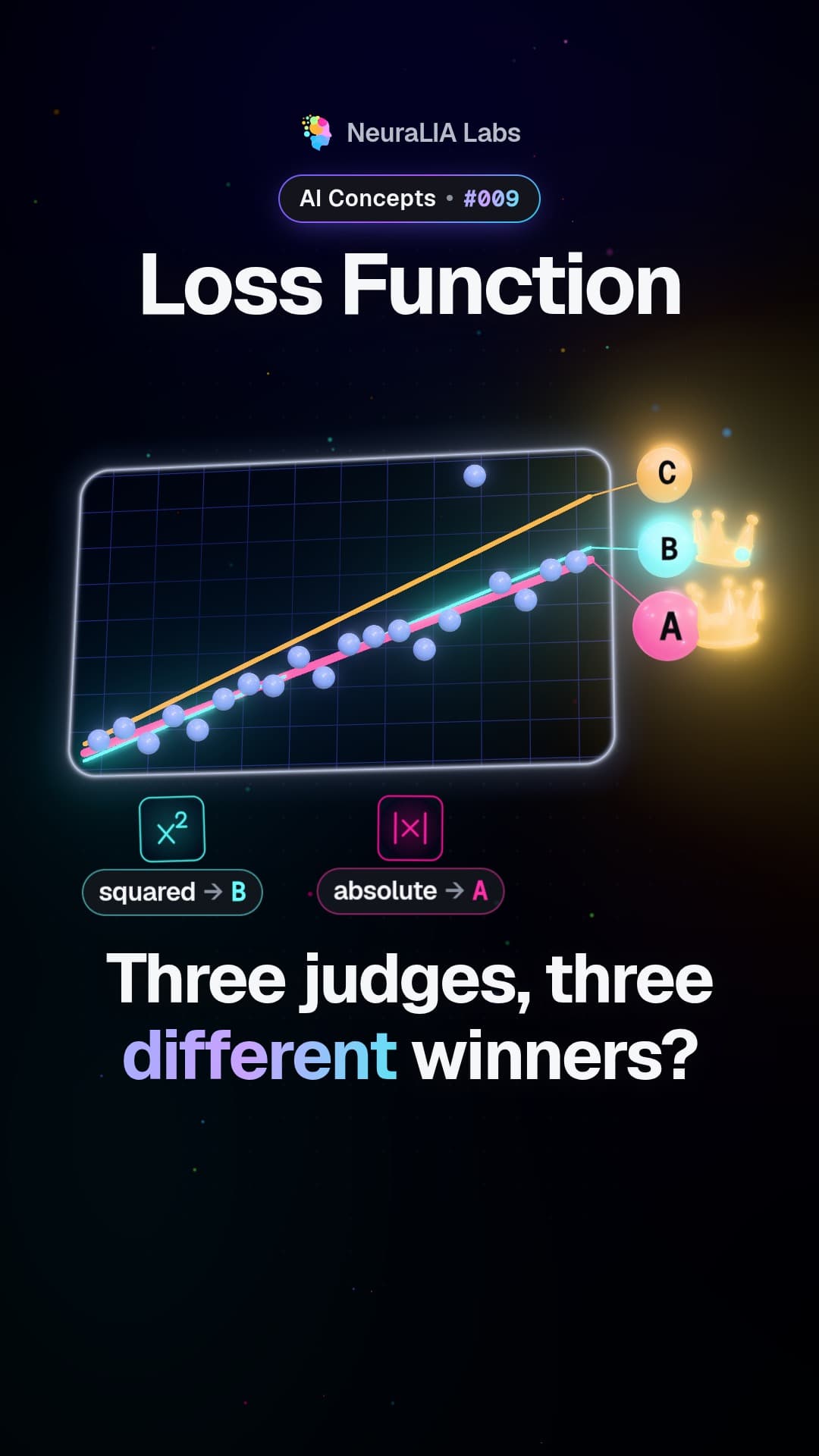 #009
#009Loss function: the scoring rule that decides which answer wins
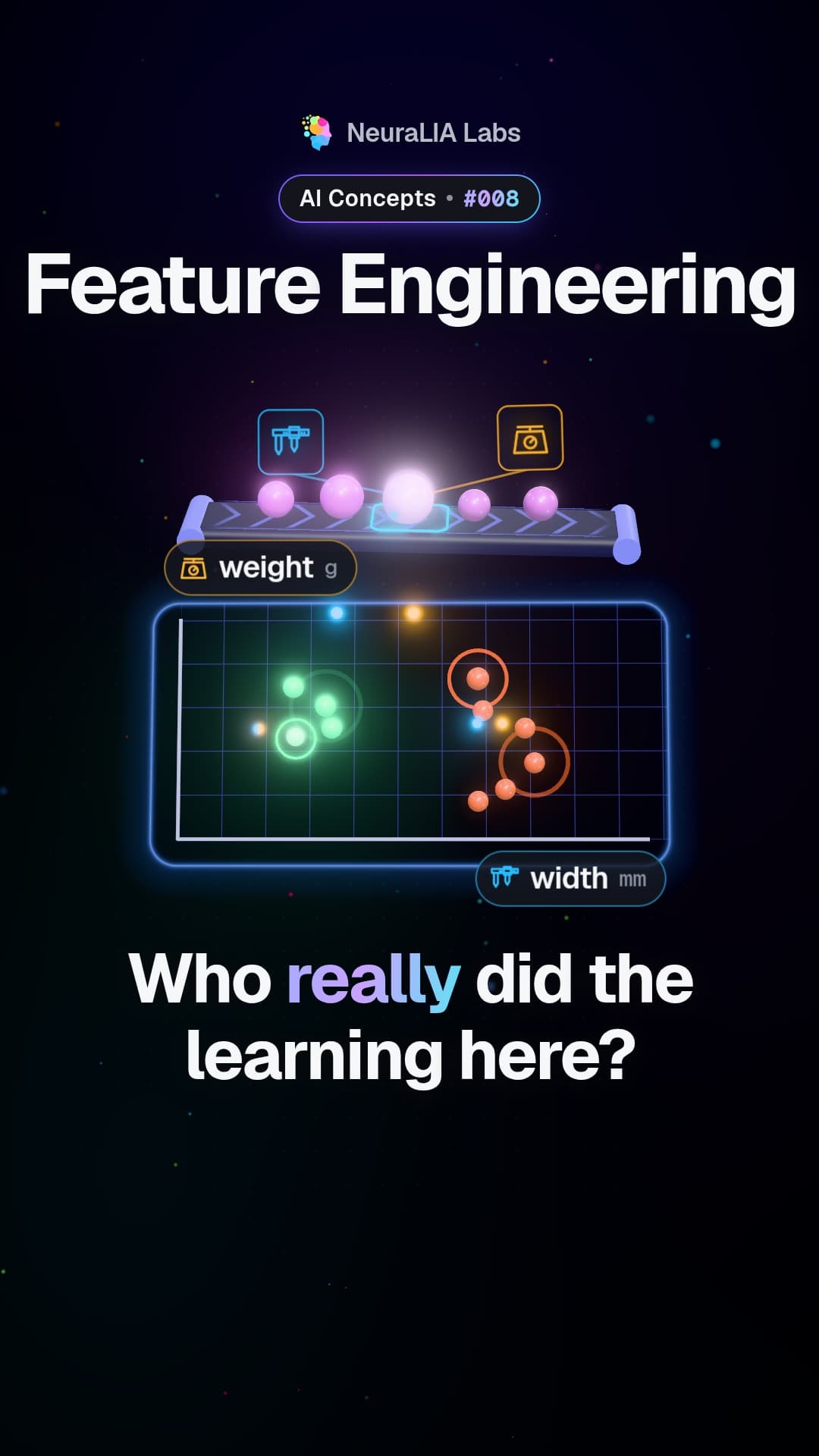 #008
#008Feature engineering: the human choice that can beat the algorithm
Per capítol del curs
- 1El perceptró des de zero: què calcula una neurona10 vídeos
- 2D’on surt una funció de pèrdua: versemblança, no convenció12 vídeos
- 3Pendent avall: gradient descent i els dos passos que tothom se salta12 vídeos
- 4Classificació, entropia creuada i com no enganyar-te
- 5Backpropagation des de zero: primer el motor, després la xarxa1 vídeo
- 6Fer que entreni i que generalitzi
- 7Construeix un tokenitzador BPE: per què el teu model no pot comptar les erres1 vídeo
- 8Predicció del següent token: embeddings i què vol dir la perplexitat1 vídeo
- 9Attention i el bloc transformer, derivats d’una mitjana
- 10Preentrenar un LLM: dades, còmput, lleis d’escala i cost
- 11Del model base a l’assistent: SFT, RLHF, DPO i GRPO
- 12Chain of Thought, RLVR i Test-Time Compute, mesurats
- 13Abaratir la inferència: KV cache, batching i quantization
- 14La teva primera crida LLM en producció: streaming, reintents i timeouts
- 15Prompt engineering, mesurat: què canvia la sortida
- 16El context window, els tokens i la factura, mesurats
- 17Temperature, top-p i el determinisme que no tens
- 18Tool Calling i sortides estructurades: el contracte que aguanta
- 19RAG en producció: chunking, recuperació i cites honestes
- 20Fine-tuning, retrieval o prompt? La decisió és econòmica
- 21Preus multimodals: què facturen realment imatges, àudio i vídeo
- 22Què és un AI agent: cinc tipus clàssics, dues definicions rivals
- 23Construeix un agent harness: el bucle i les cinc maneres de sortir-ne
- 24Context Engineering: per què el teu agent es torna més ximple al torn 40
- 25Orquestració multi-agent: cinc patrons i quan en guanya un
- 26MCP explicat des de l’especificació: què és realment un servidor
- 27Publica un servidor MCP: TypeScript i Python, mesurats
- 28Agent Skills i SKILL.md: divulgació progressiva, mesurada
- 29Avaluació d’LLM: dels benchmarks públics al teu golden set
- 30Injecció de prompt i la tríada letal: protegir un agent real