
 #01
#01Videók
AI rövid videókban elmagyarázva
Videónként egy ötlet, közérthetően. Mindegyik az ingyenes kurzusunk ahhoz a fejezetéhez kapcsolódik, amely lépésről lépésre elmagyarázza.
Kezdd itt AI 101
- #01
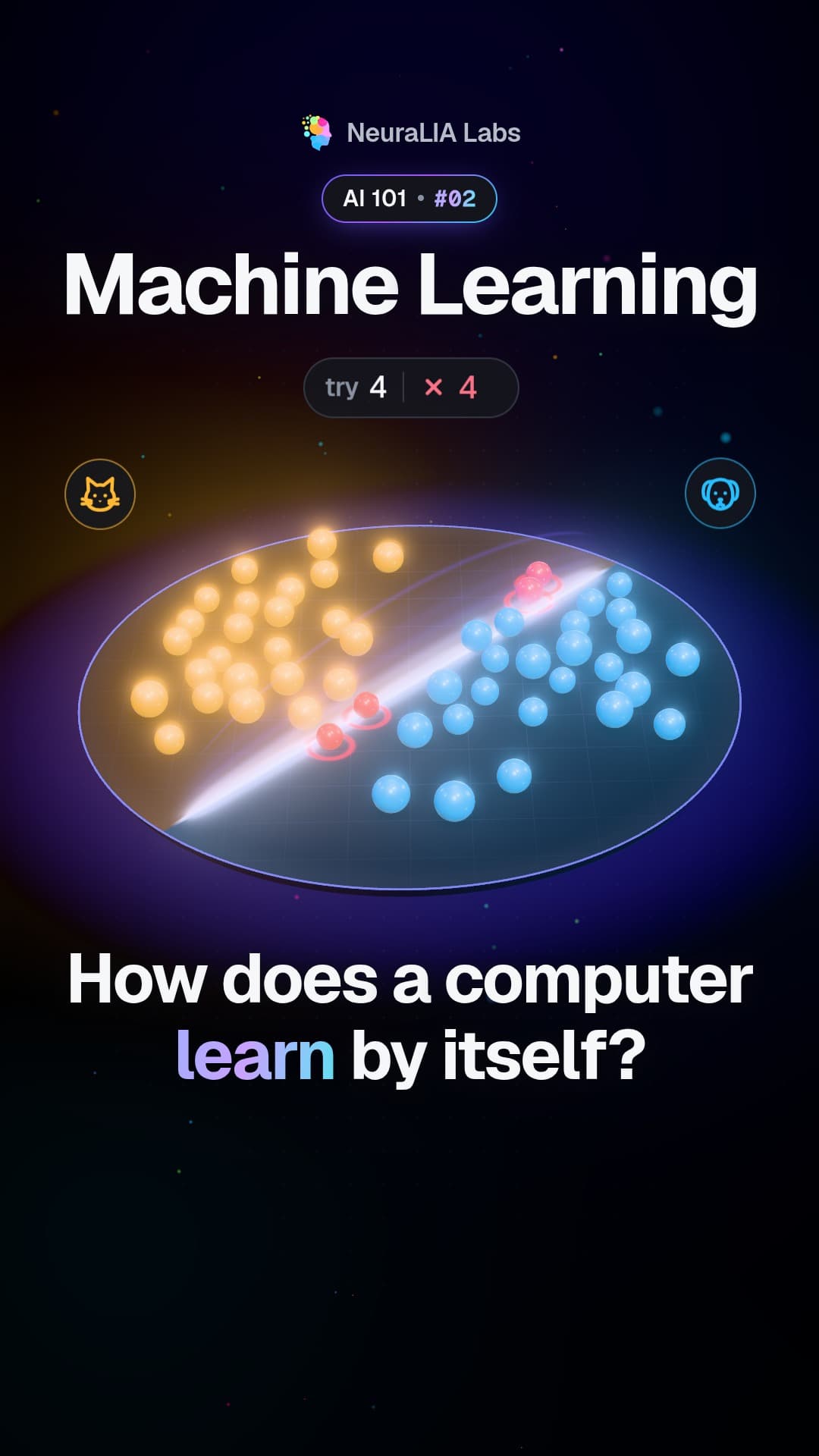 #02
#02Machine learning: how a computer draws its own dividing line
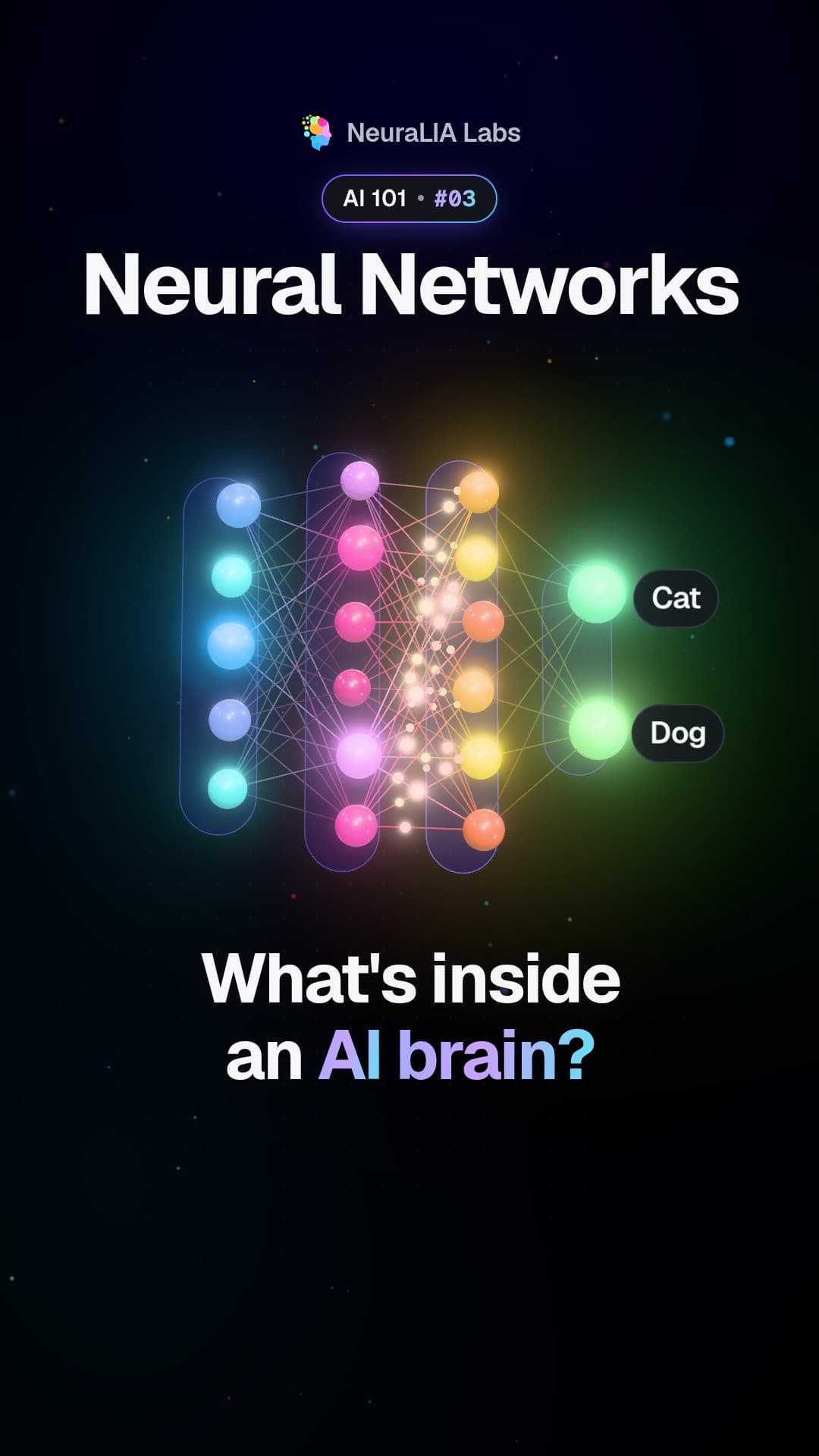 #03
#03Neural networks: layers of tiny calculators passing signals on
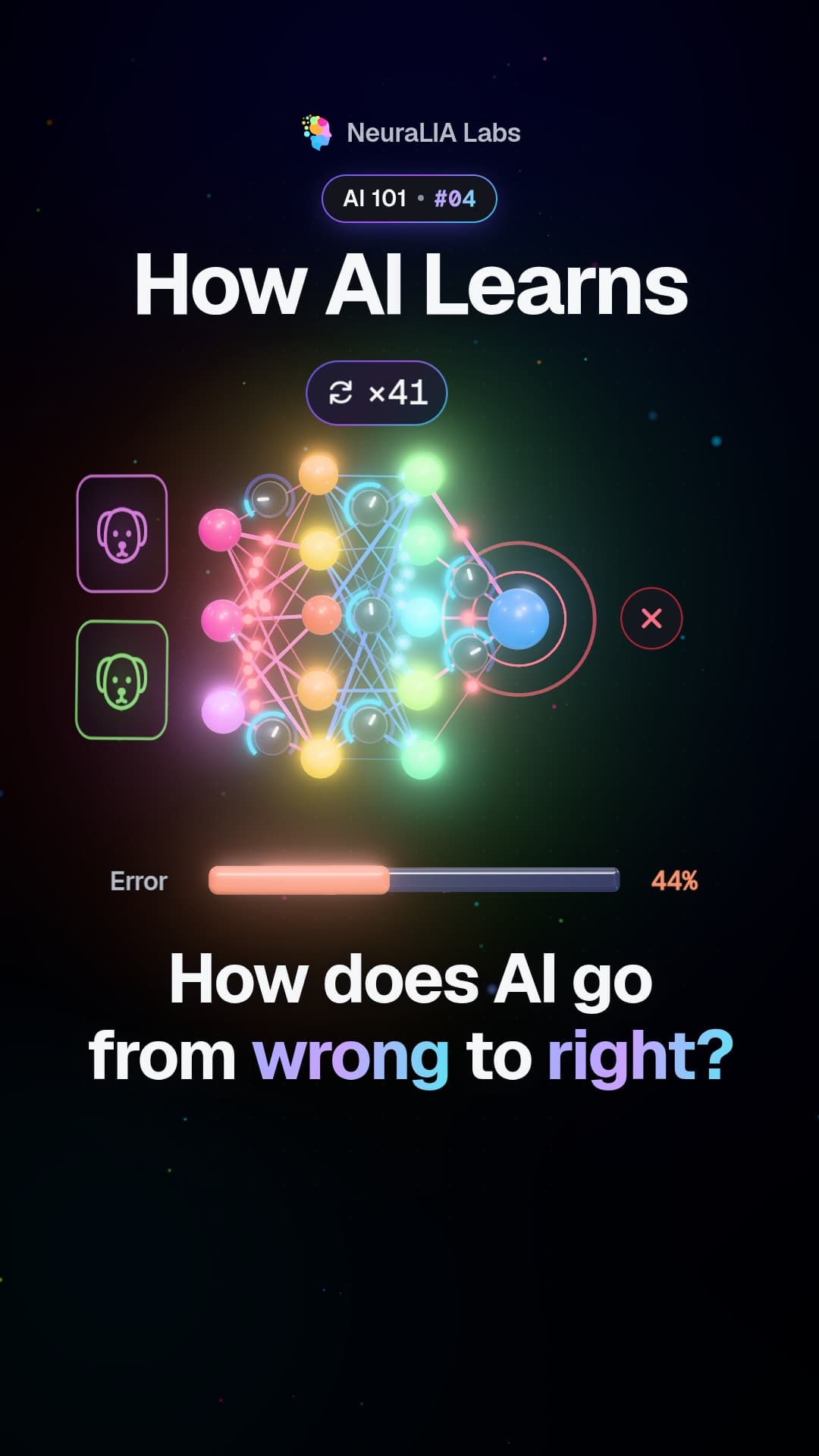 #04
#04How AI learns: guess, measure the error, nudge, repeat
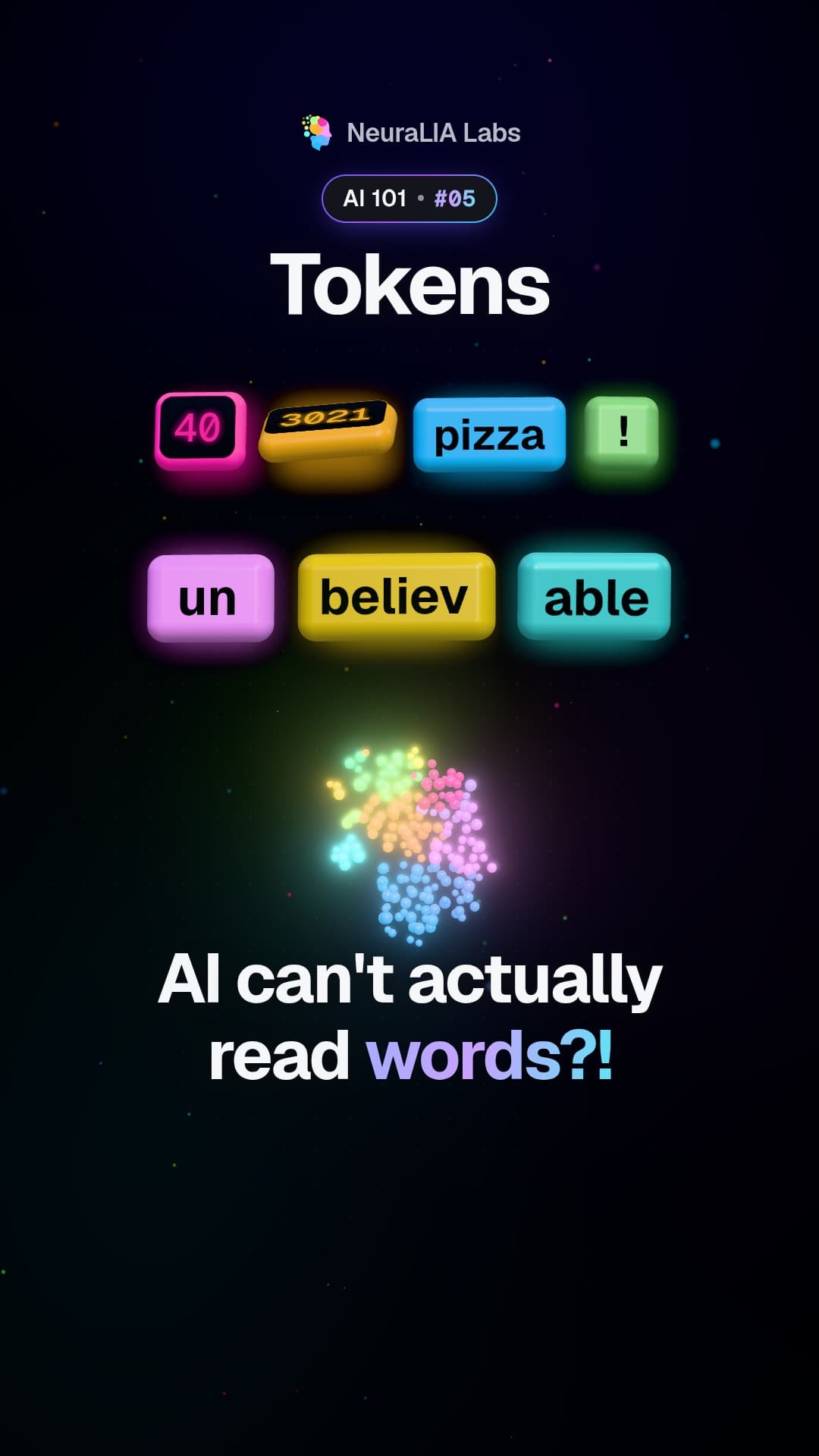 #05
#05Tokens: how AI chops your words into numbered pieces
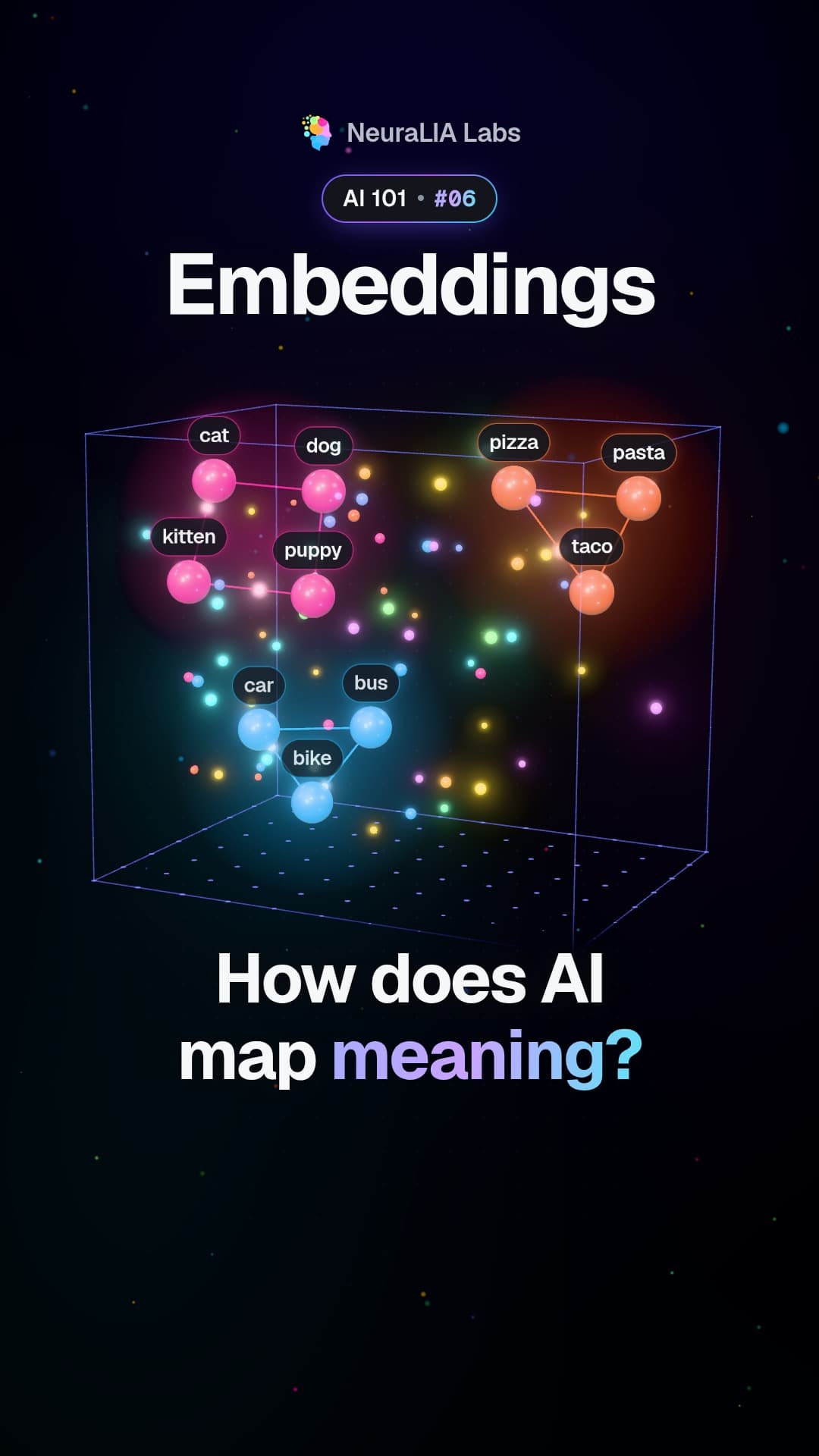 #06
#06Embeddings: why a puppy lands closer to a dog than to a pizza
Legújabbak
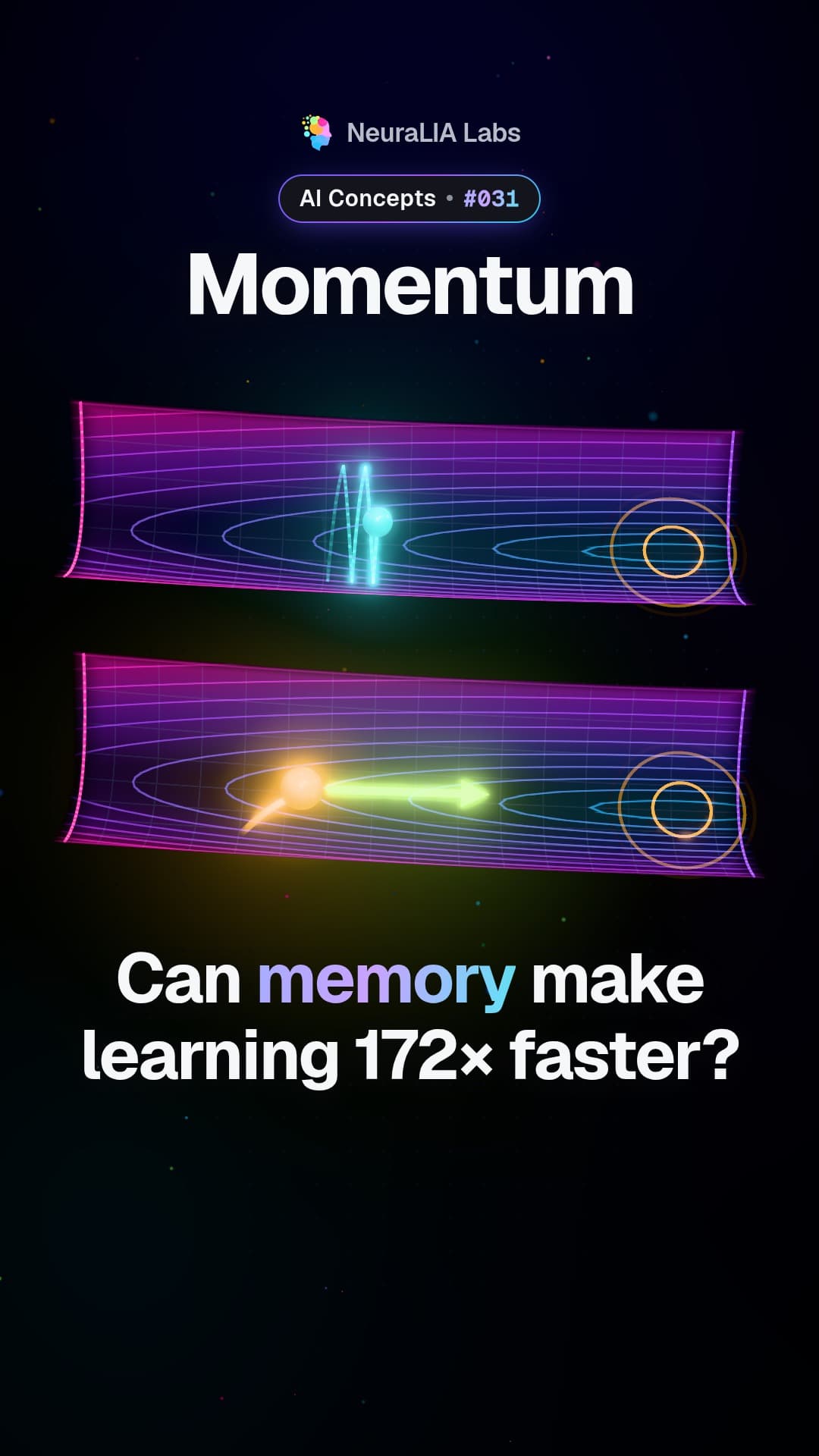 #031
#031Momentum: how remembering past steps stops AI training zigzagging
 #030
#030Mini-batches: why AI learns faster from a random handful of data
 #029
#029Saddle points: where AI training looks stuck but has a way down
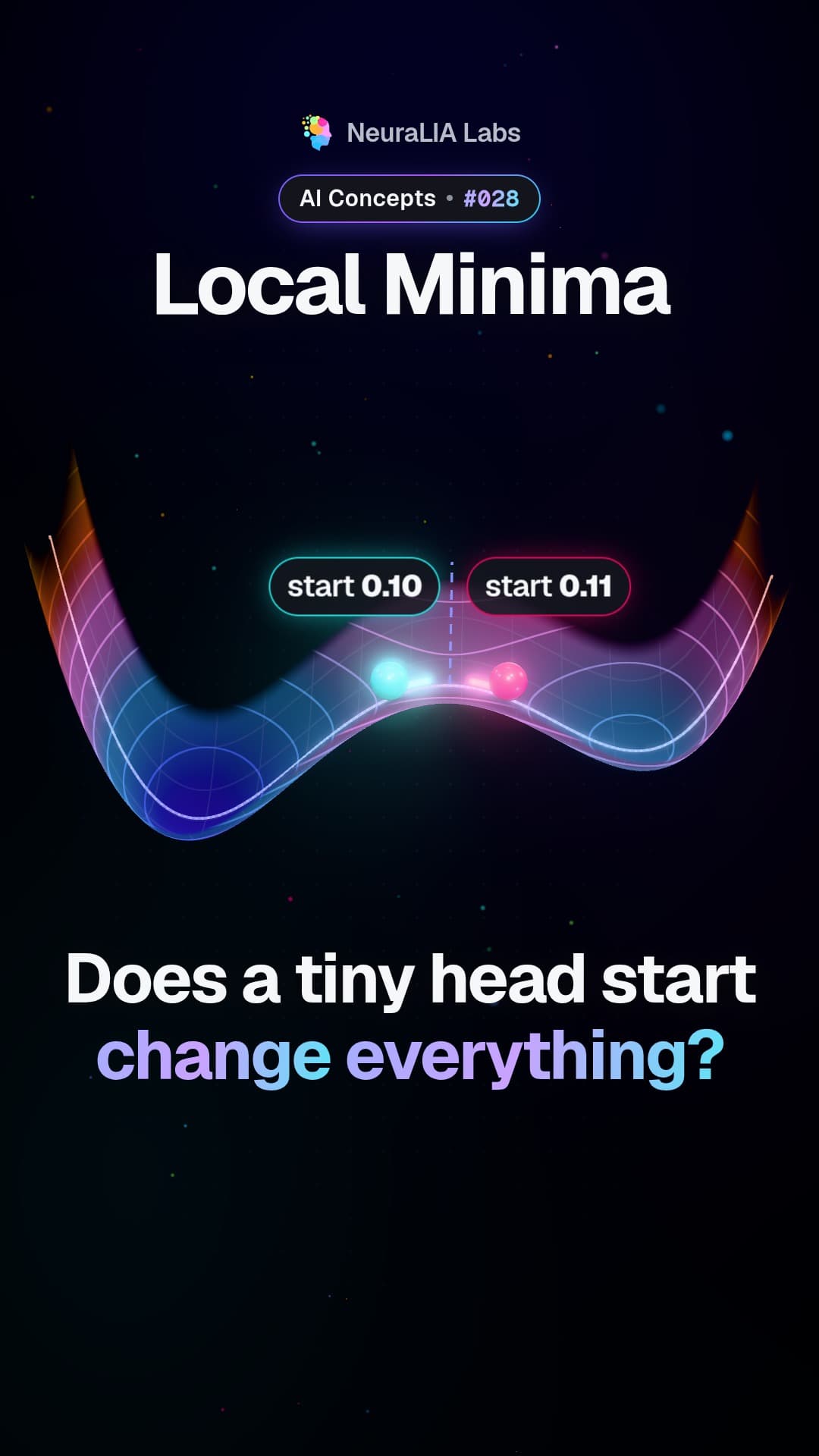 #028
#028Local minima: why AI training can settle for second best
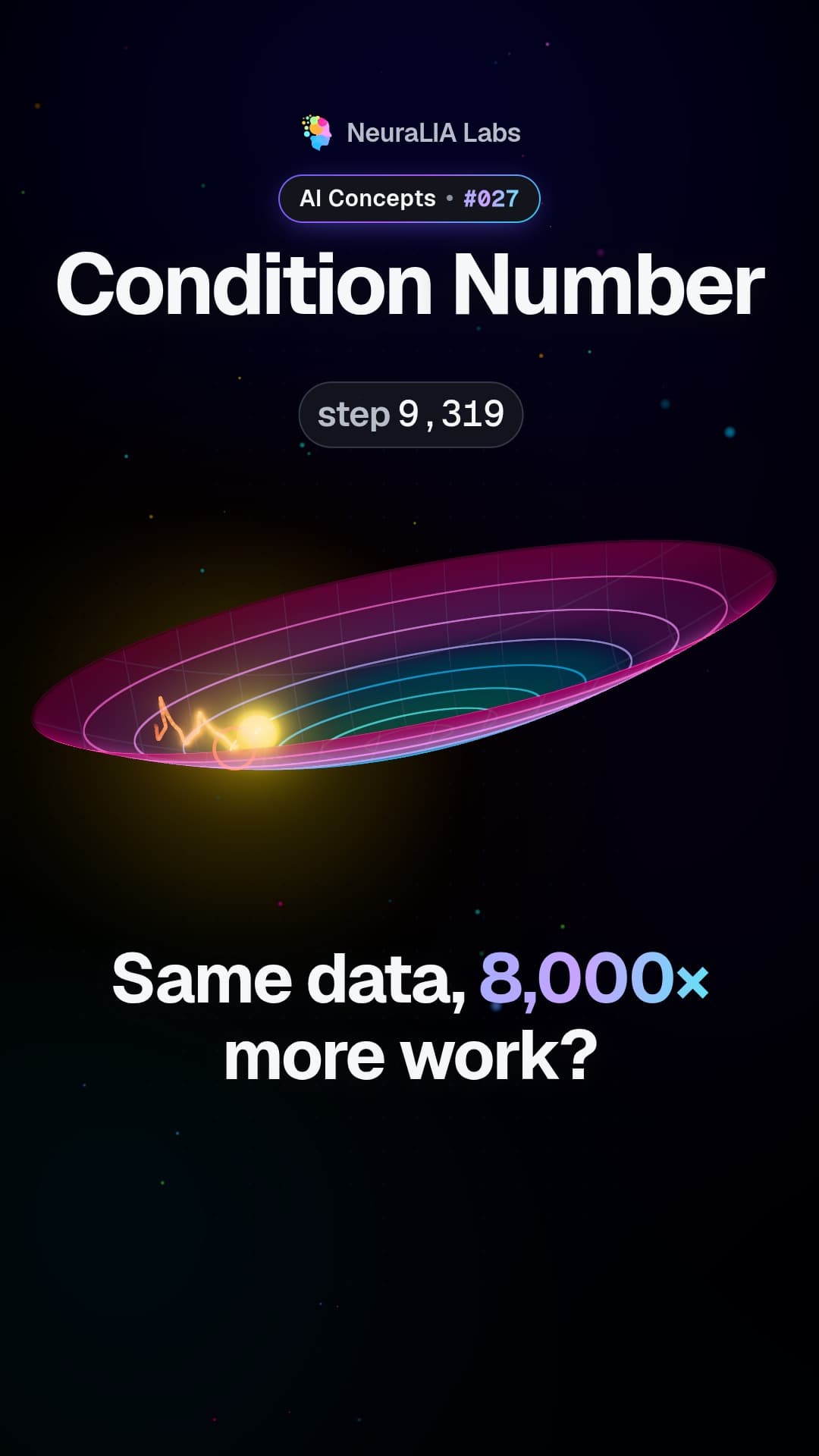 #027
#027Condition number: why a stretched valley makes AI training crawl
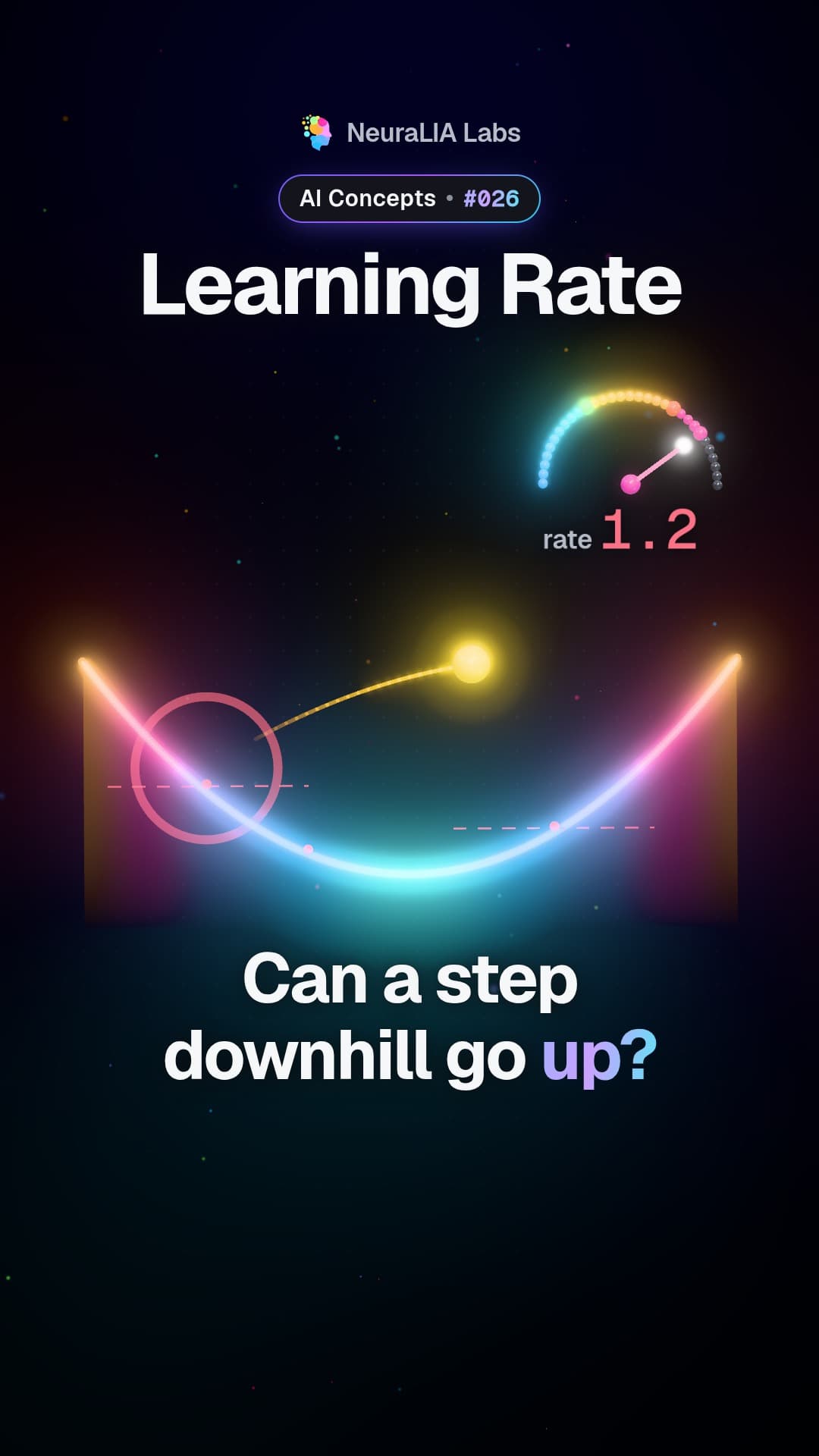 #026
#026Learning rate: the step size with a ceiling you can calculate
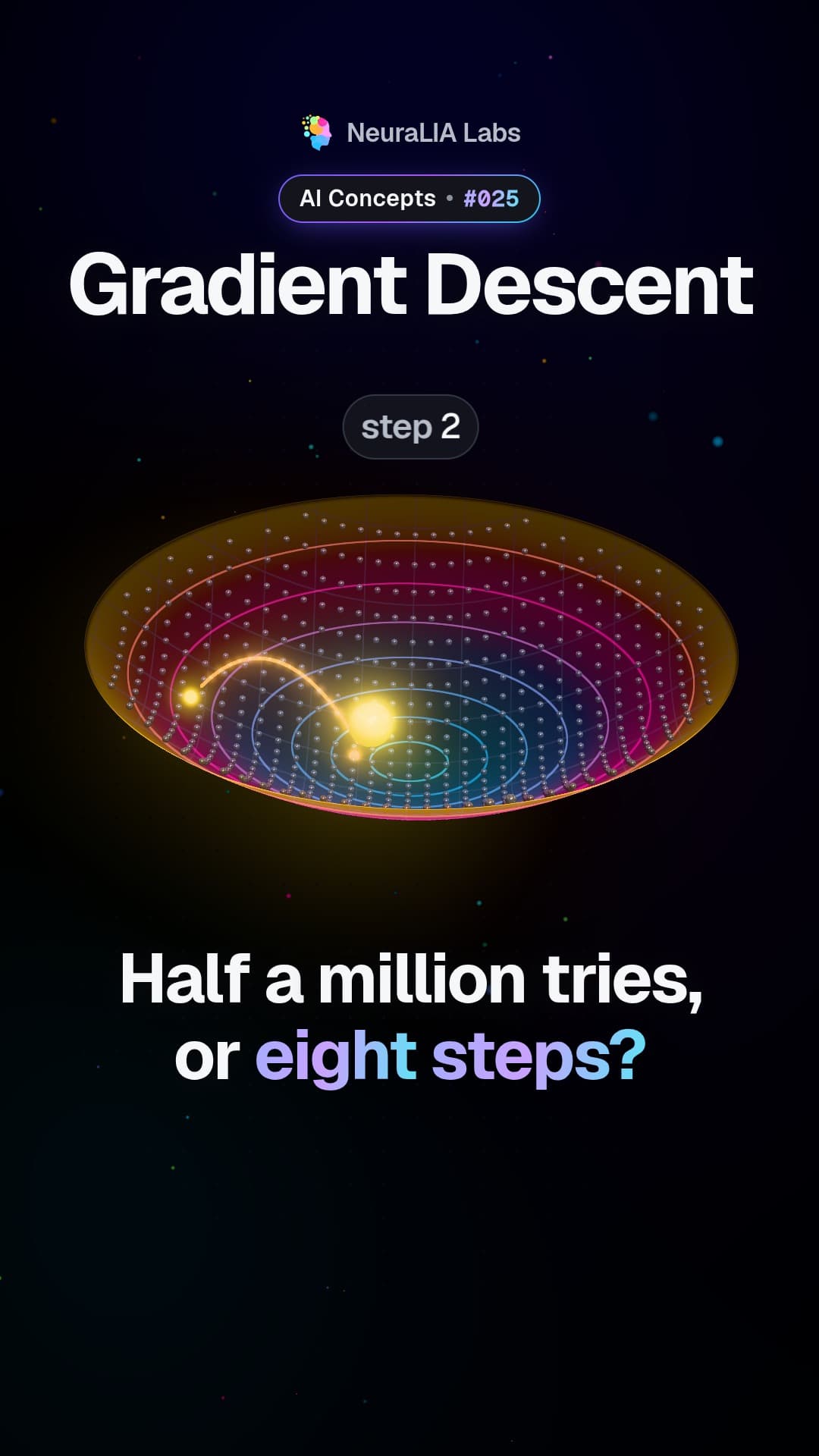 #025
#025Gradient descent: how AI finds its way downhill in small steps
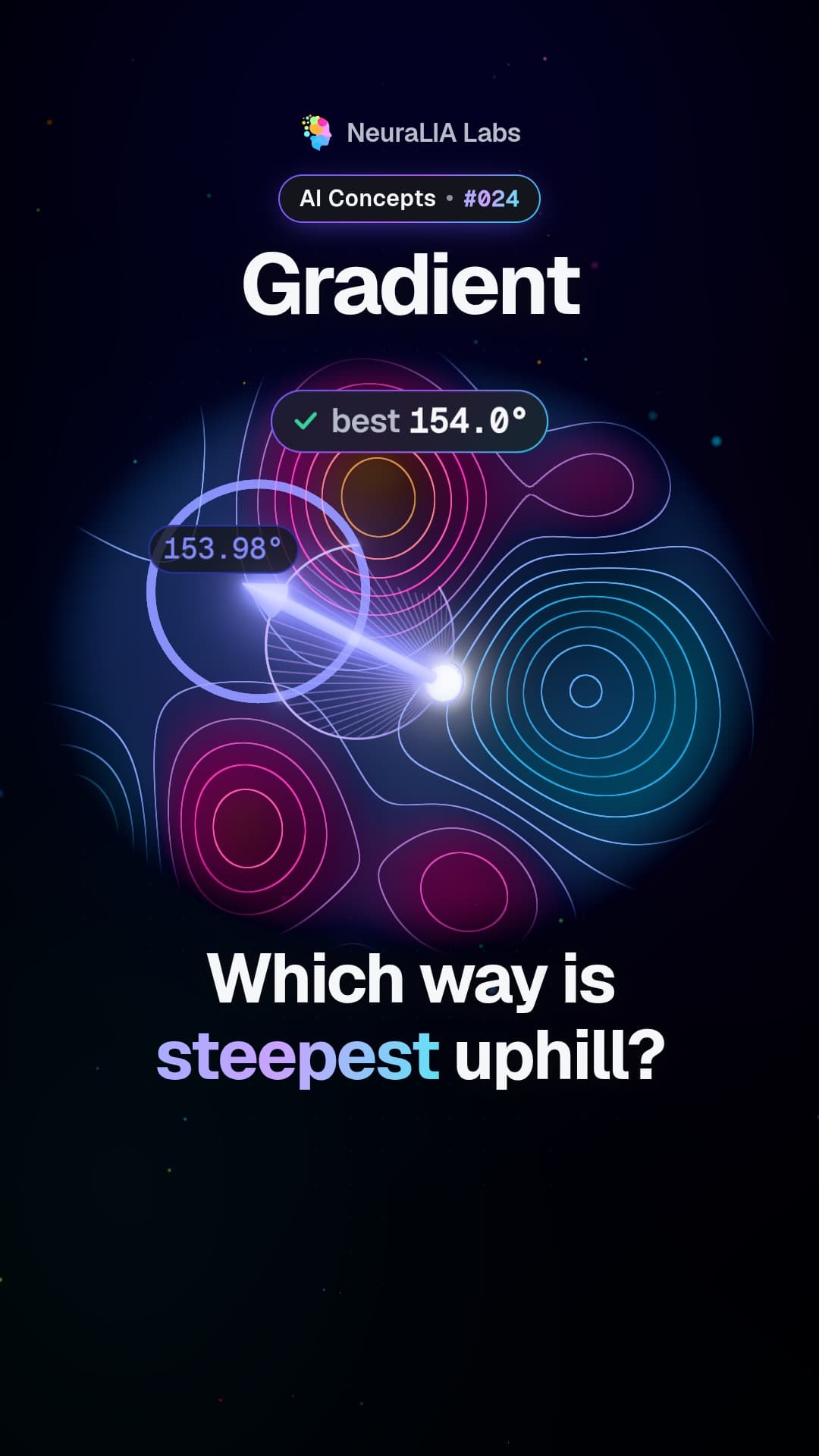 #024
#024Gradient: the arrow that points uphill, and why AI walks the other way
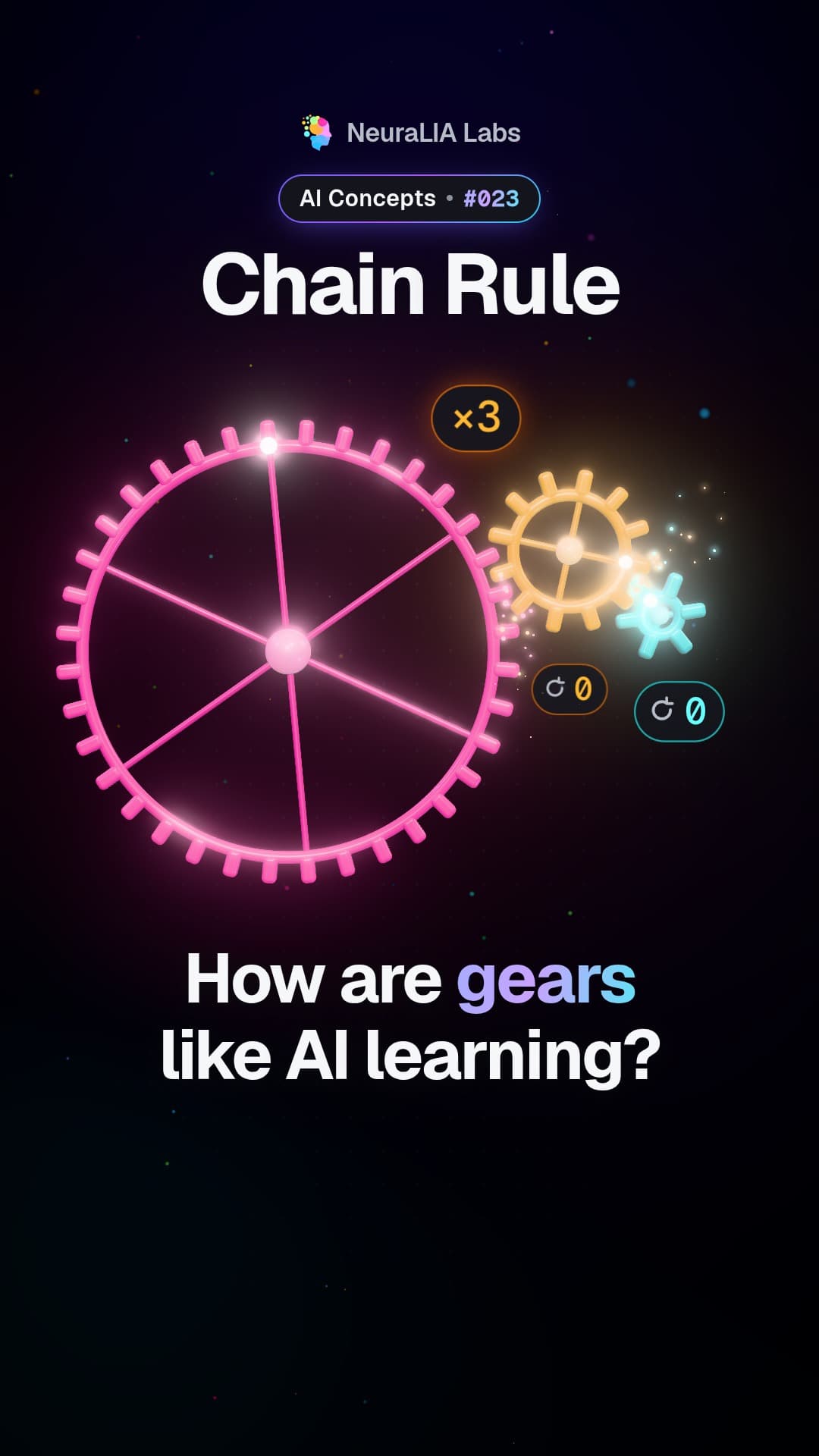 #023
#023Chain rule: how AI traces the effect of every layer
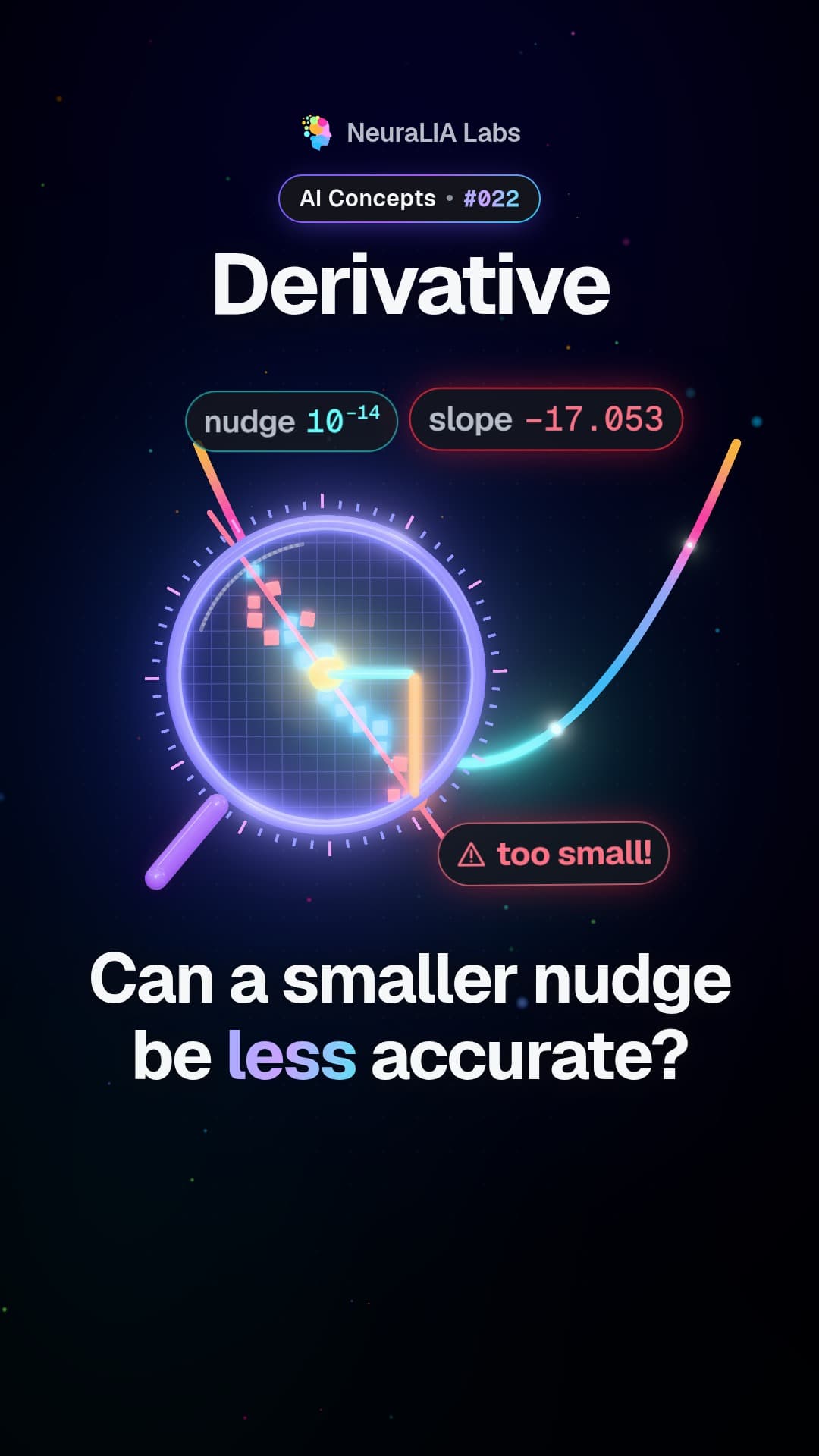 #022
#022Derivative: how much the result moves when you nudge one input
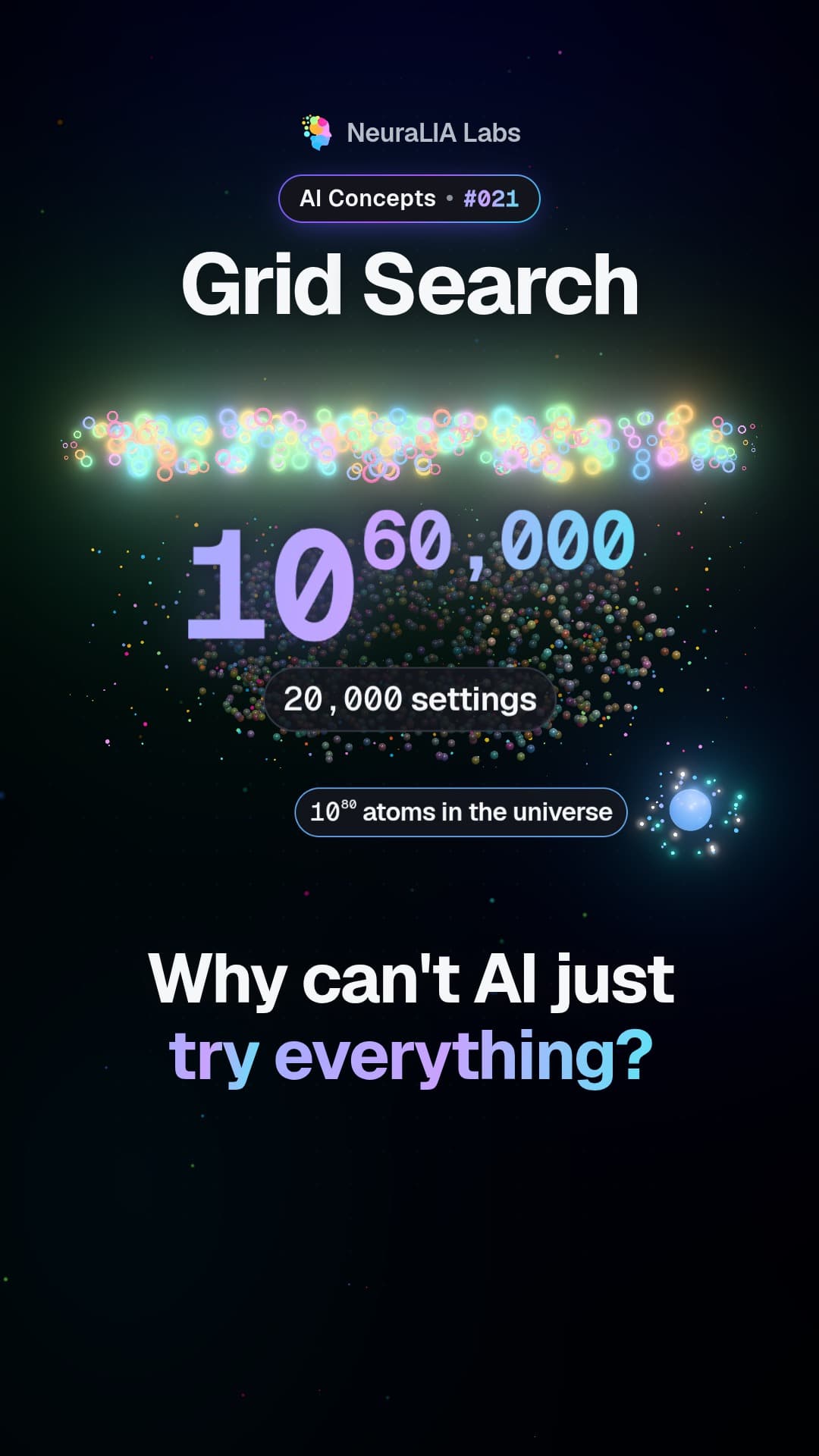 #021
#021Grid search: why you cannot train an AI by trying every setting
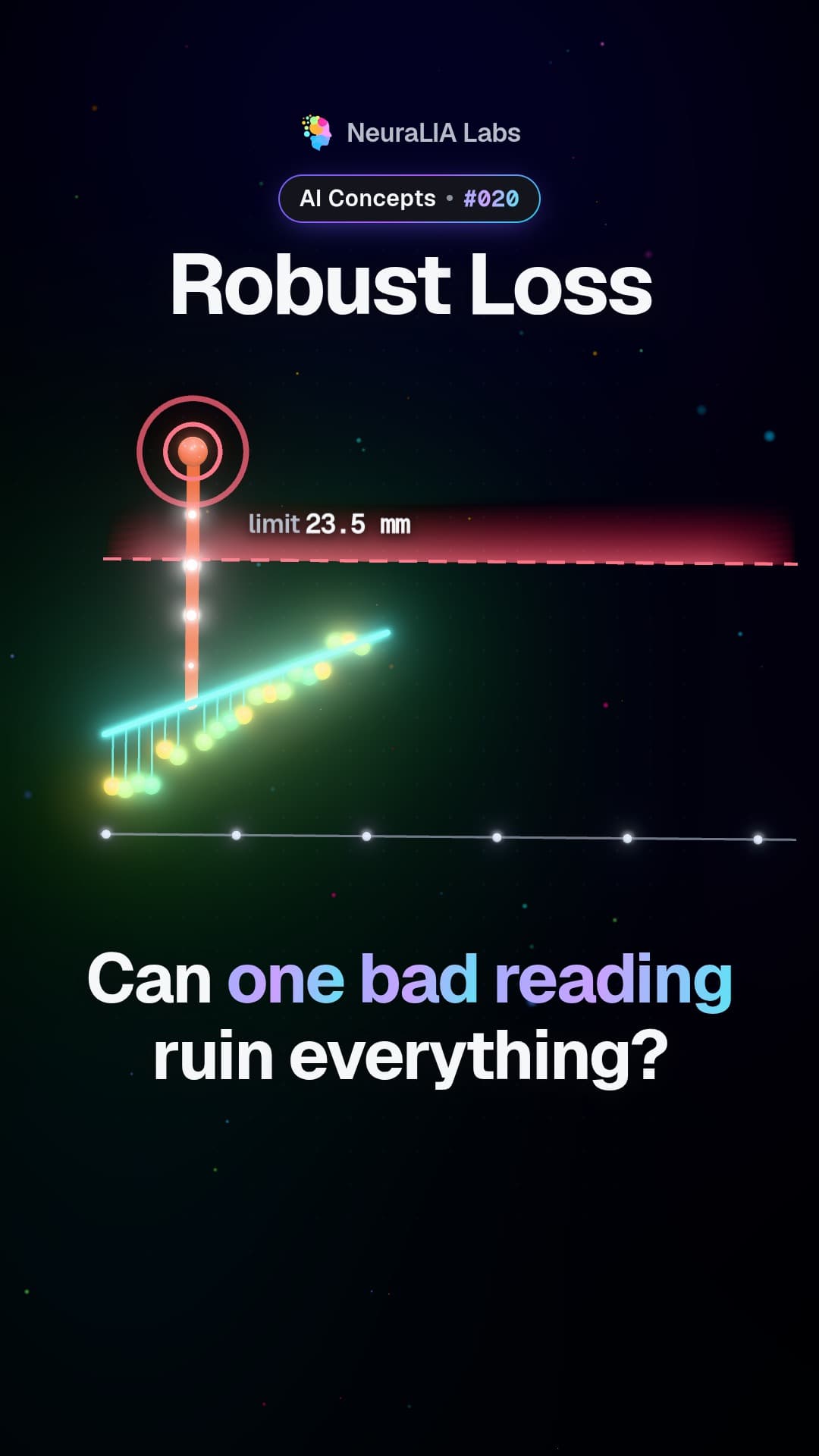 #020
#020Robust loss: stop one wild reading from wrecking your forecast
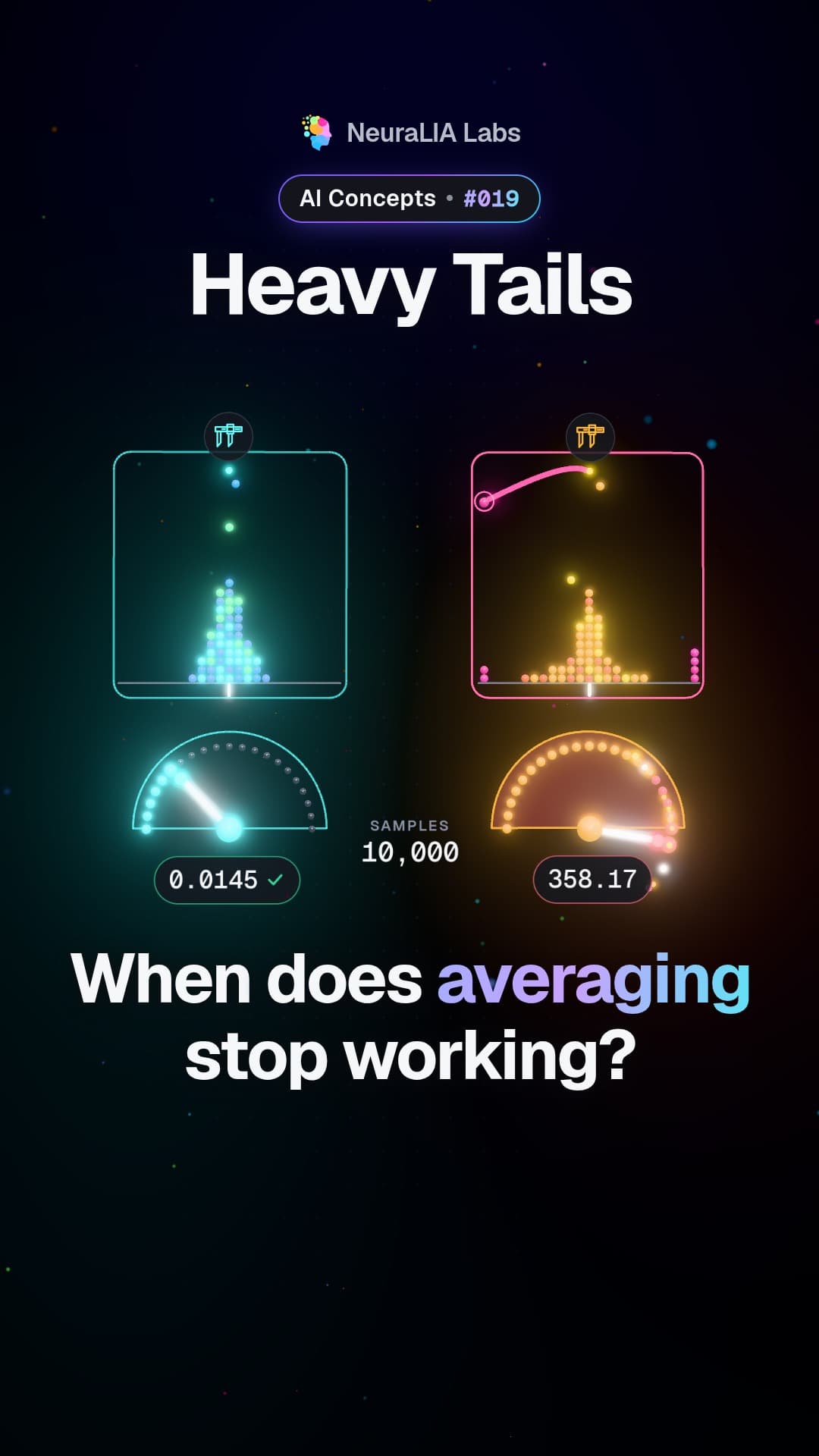 #019
#019Heavy tails: when rare, huge errors break the usual average
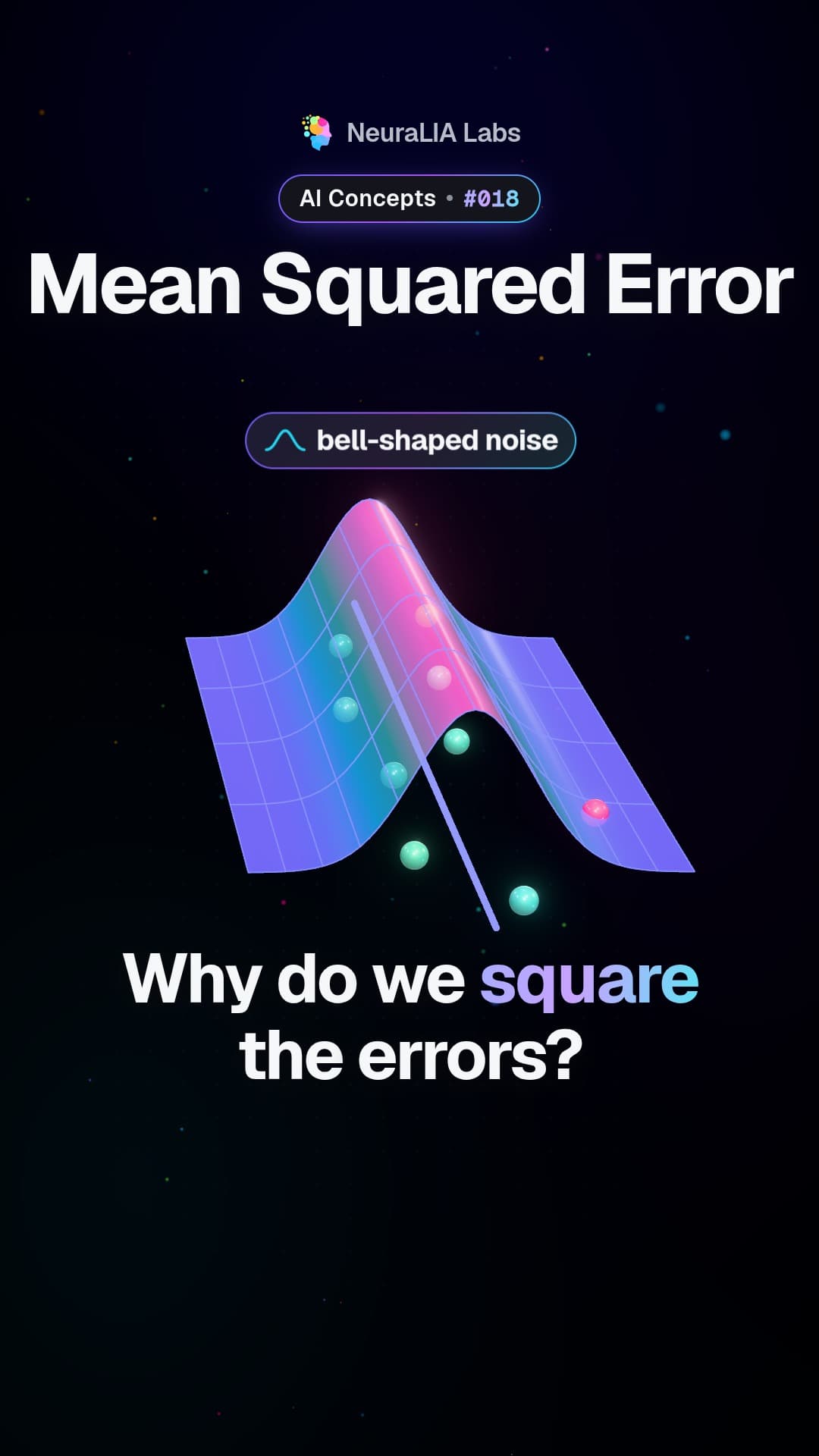 #018
#018Mean squared error: the hidden bet behind squaring your mistakes
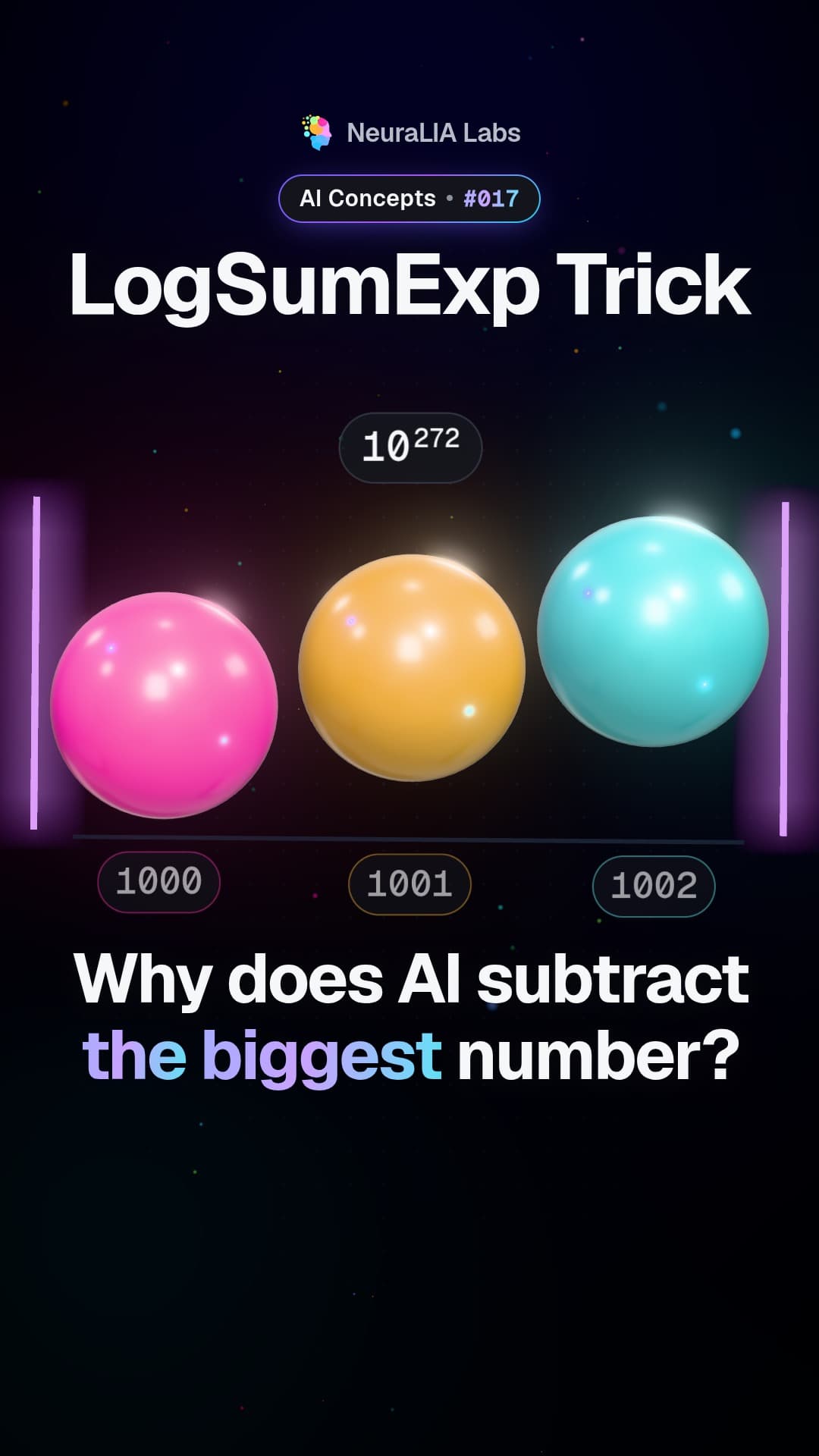 #017
#017The LogSumExp trick: one subtraction that stops AI math overflowing
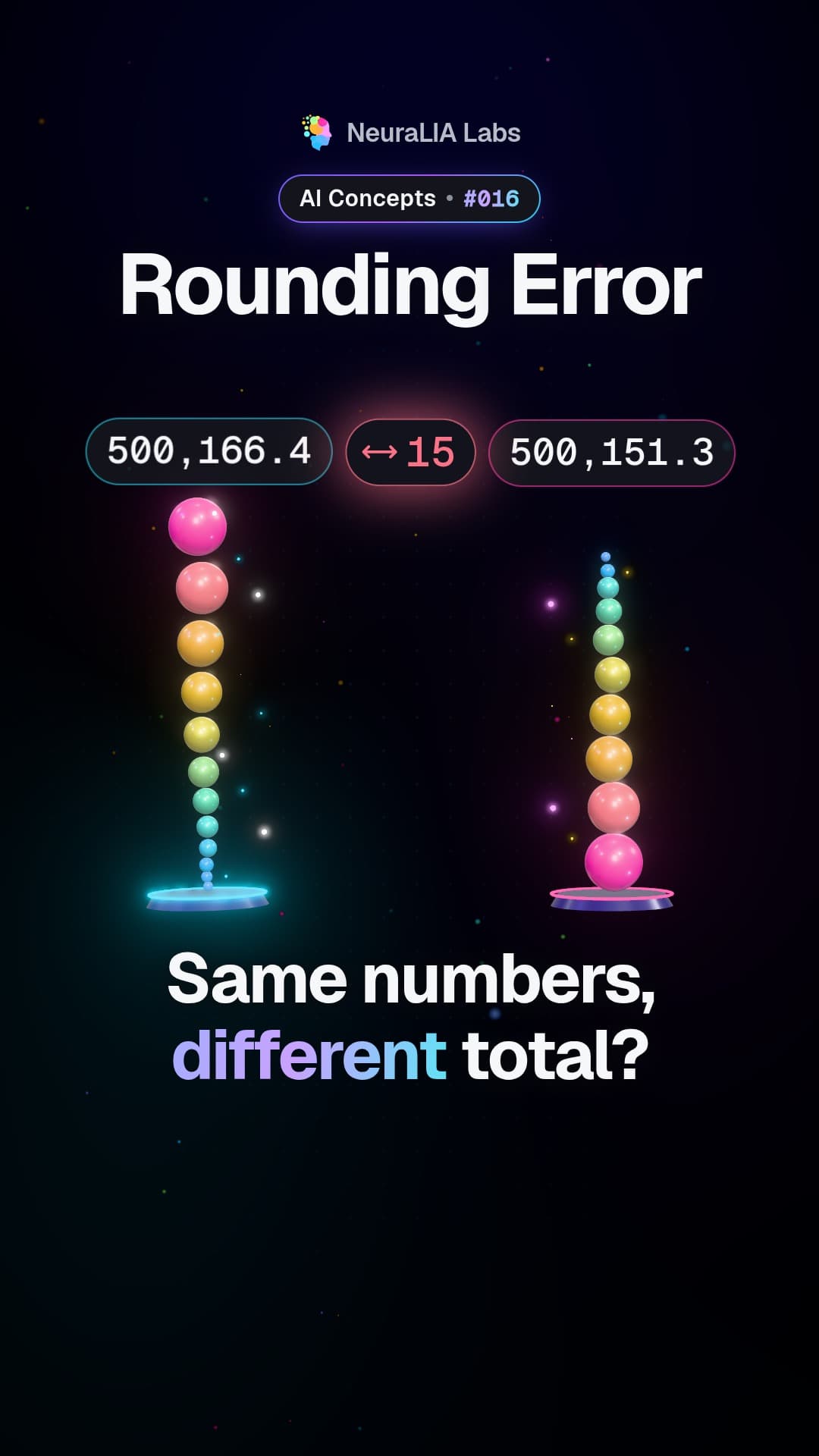 #016
#016Rounding error: why adding the same numbers can give two answers
 #015
#015Floating-point numbers: why your computer cannot hold every number
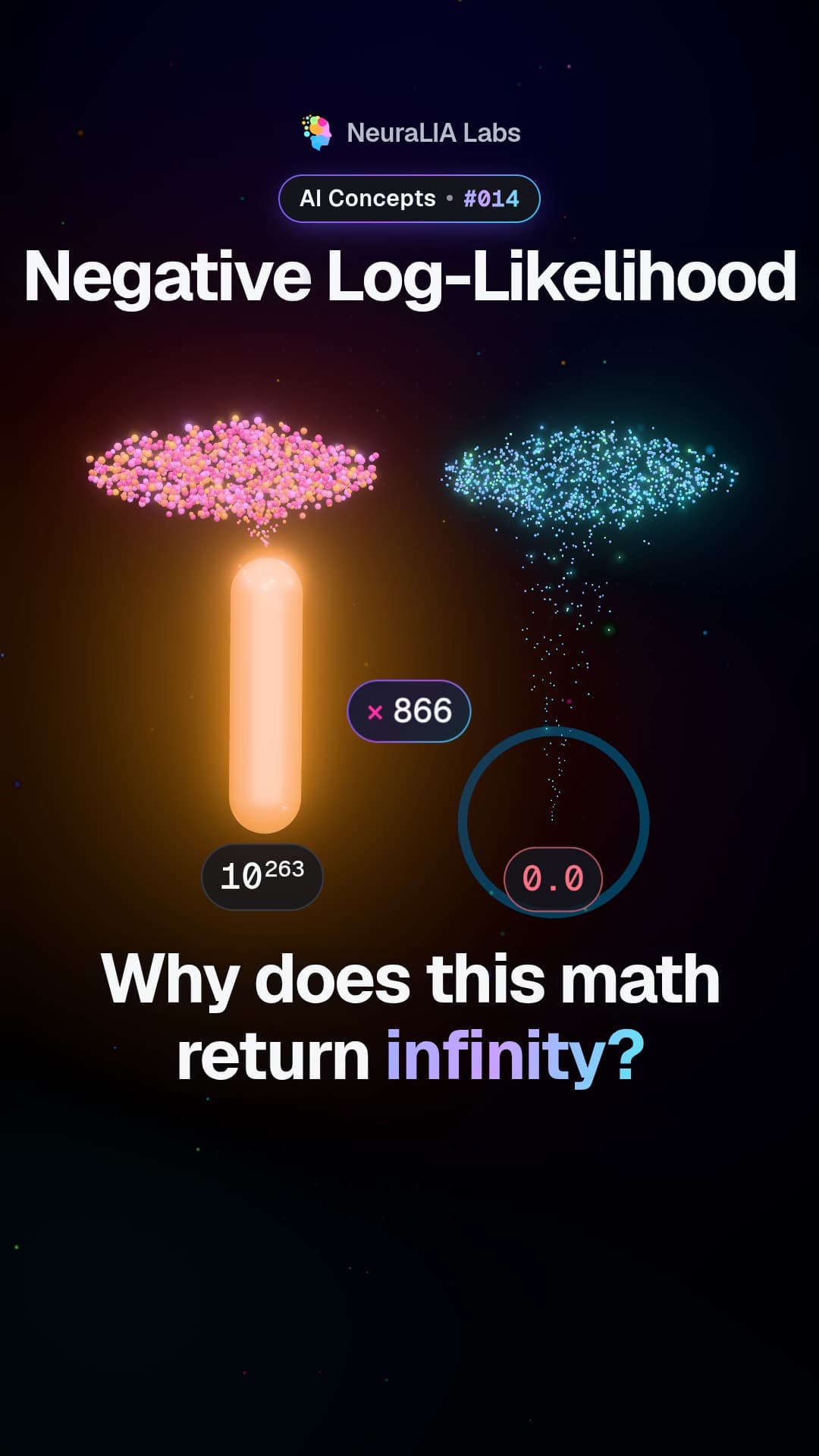 #014
#014Negative log-likelihood: turning a fragile product into a calm sum
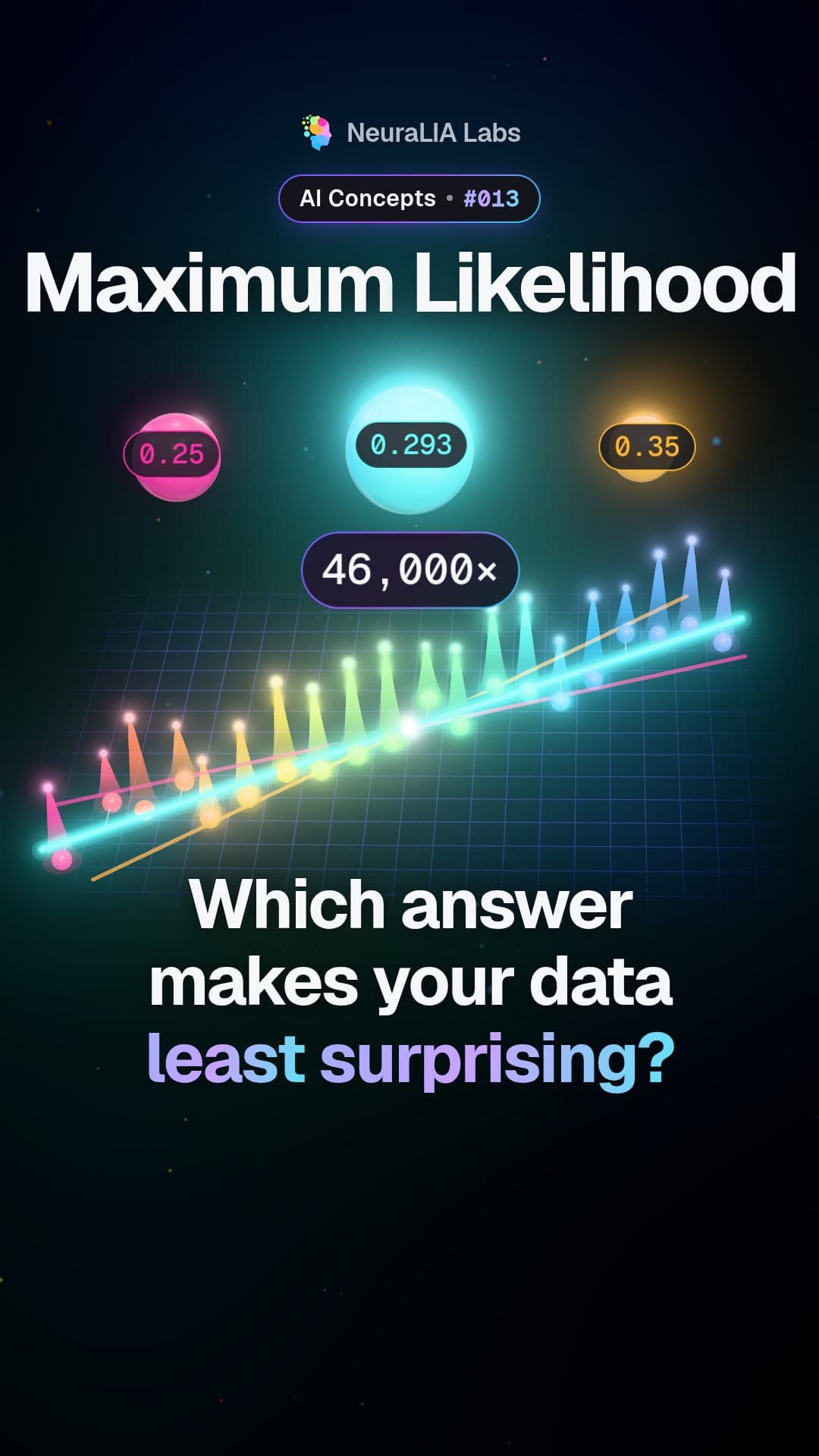 #013
#013Maximum likelihood: the answer that makes your data least surprising
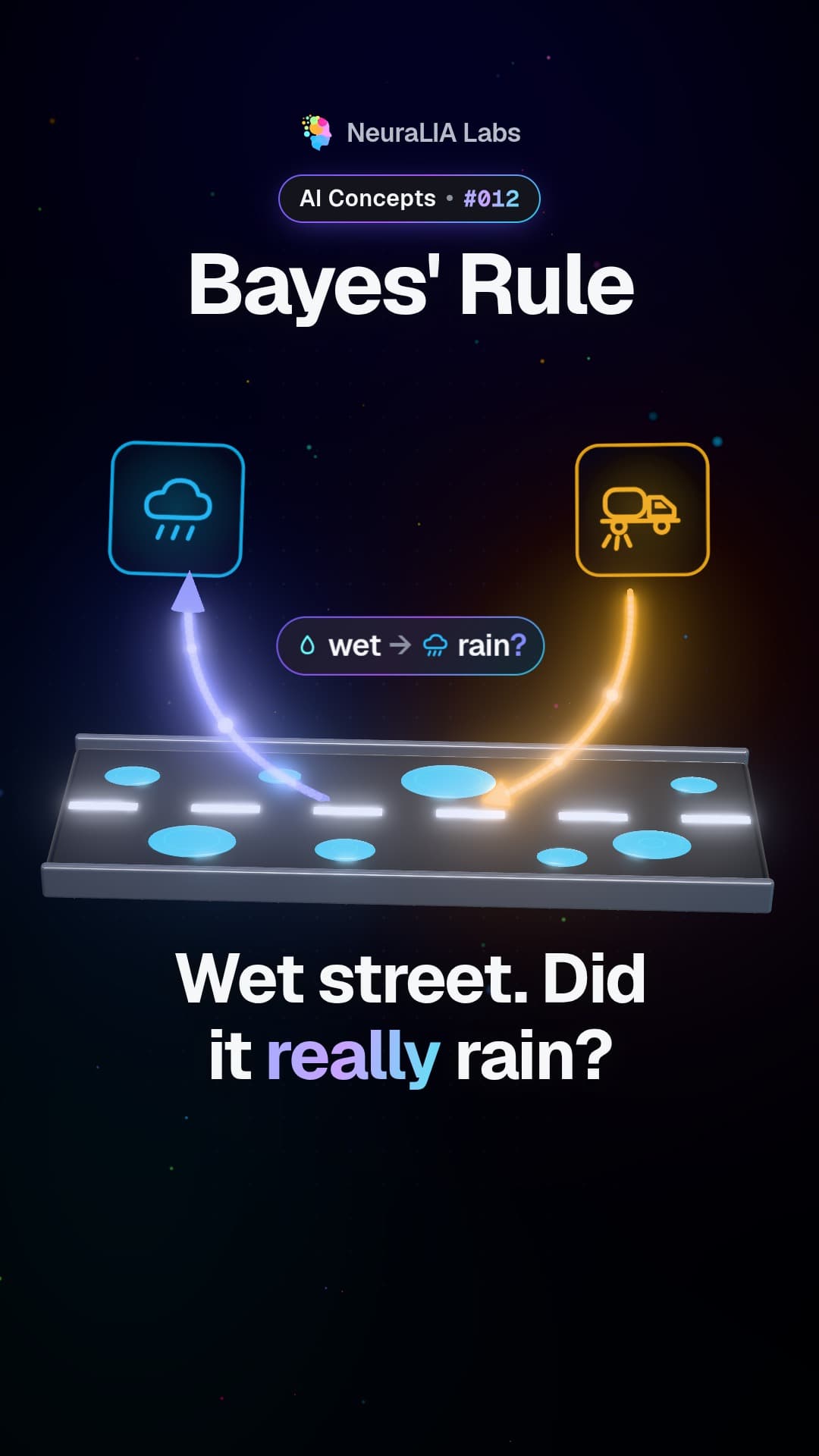 #012
#012Bayes' rule: reasoning backwards from a clue to its most likely cause
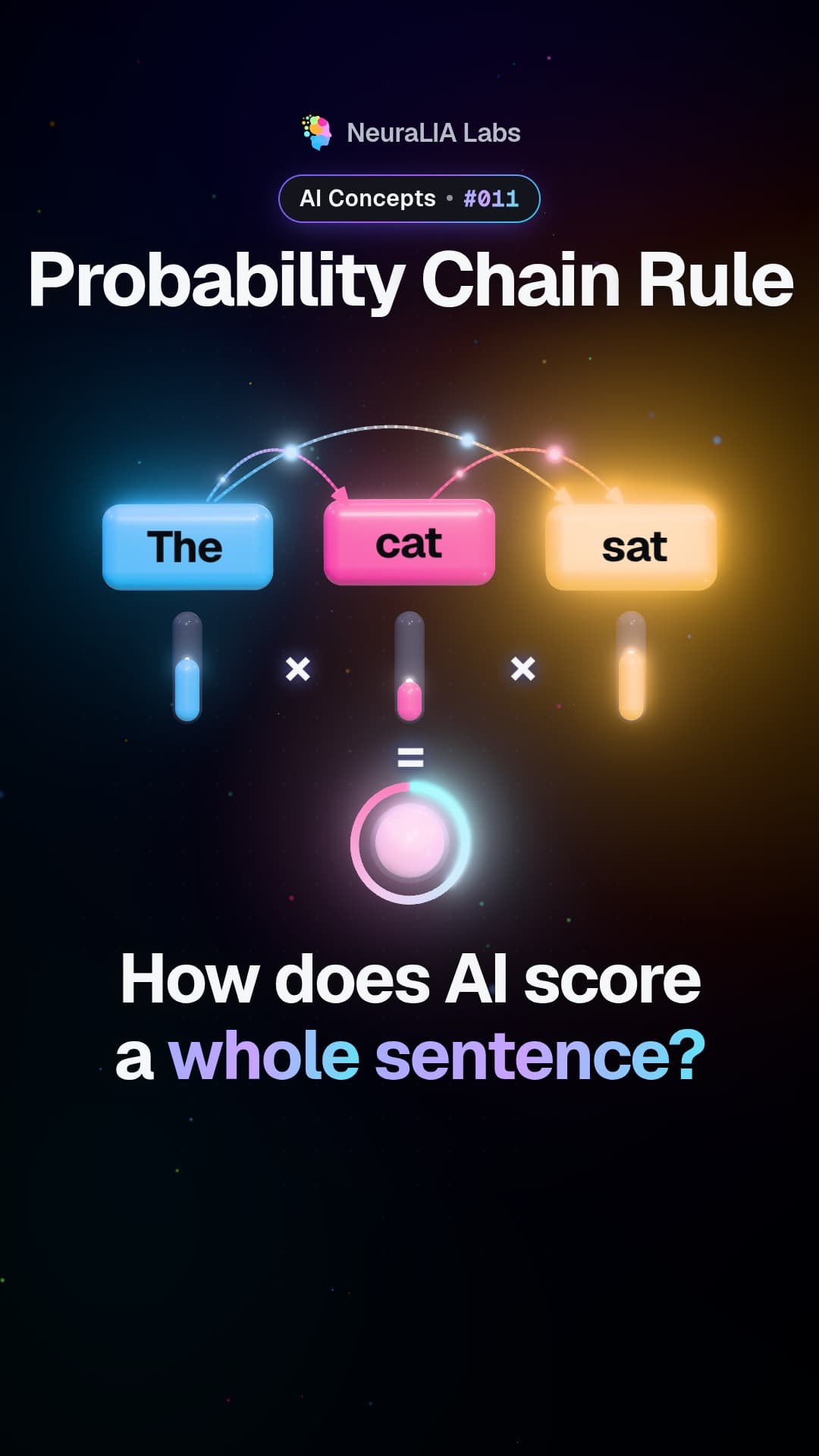 #011
#011Chain rule of probability: how AI scores a sentence word by word
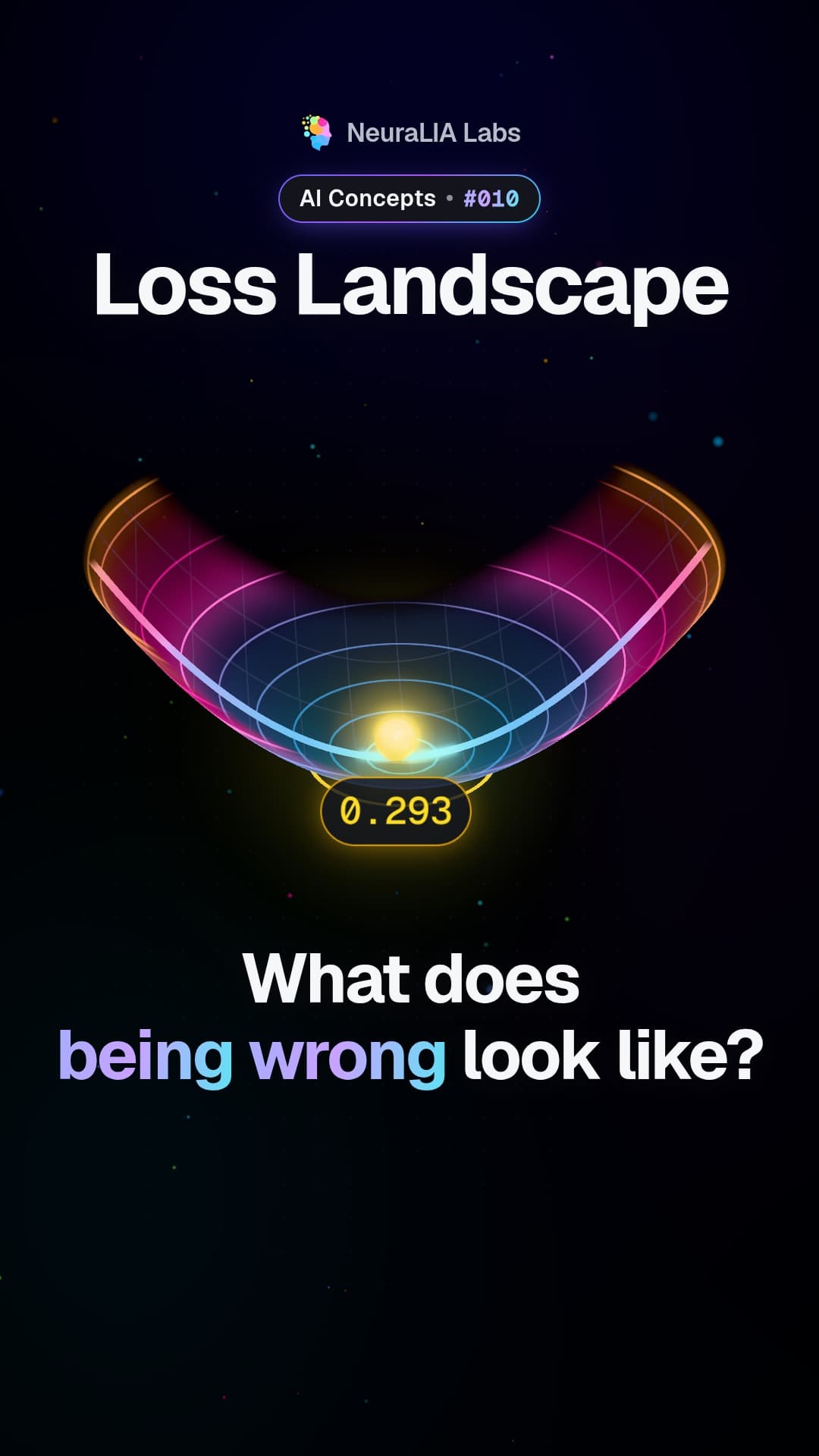 #010
#010Loss landscape: training an AI means finding the bottom of a valley
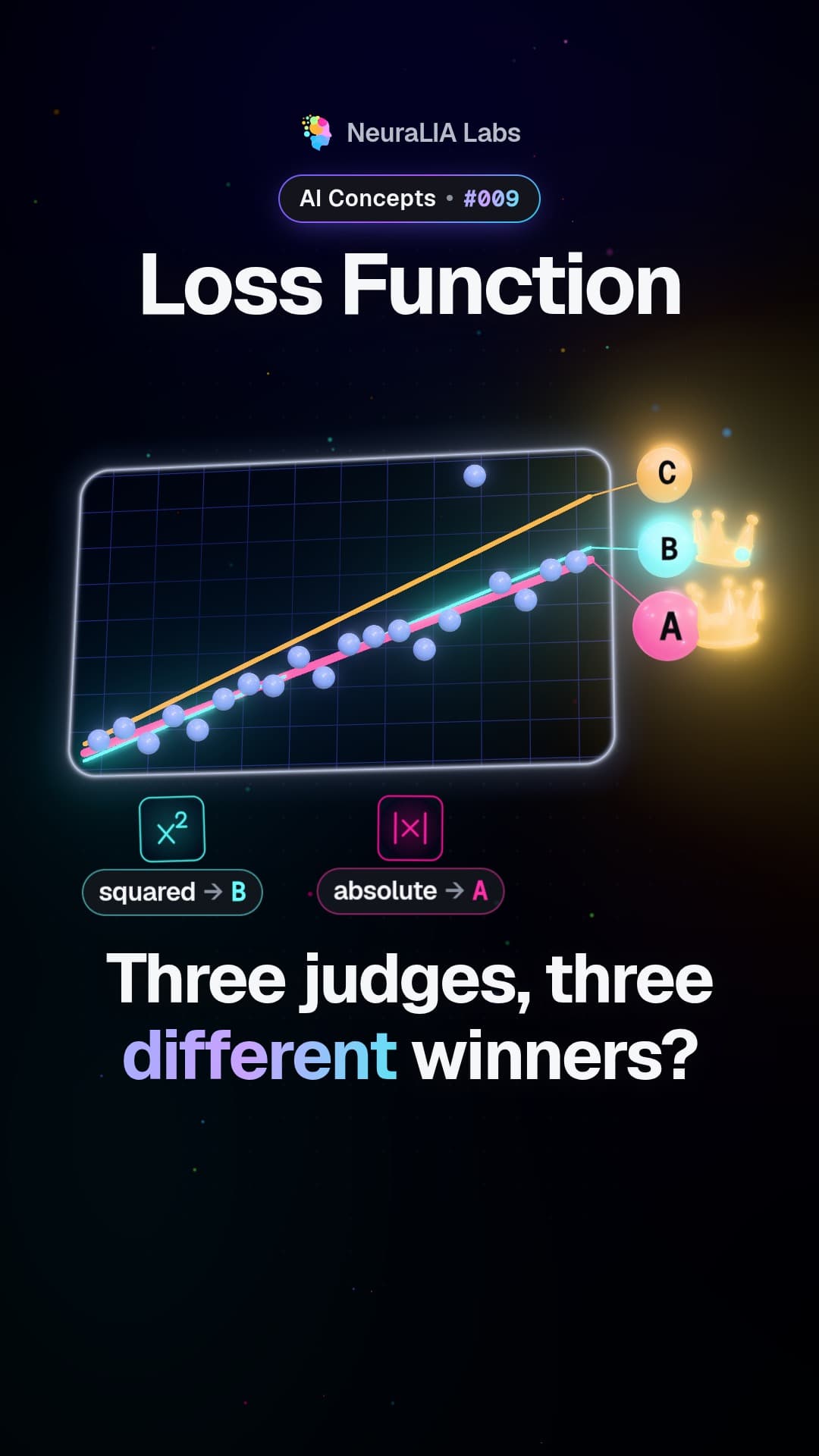 #009
#009Loss function: the scoring rule that decides which answer wins
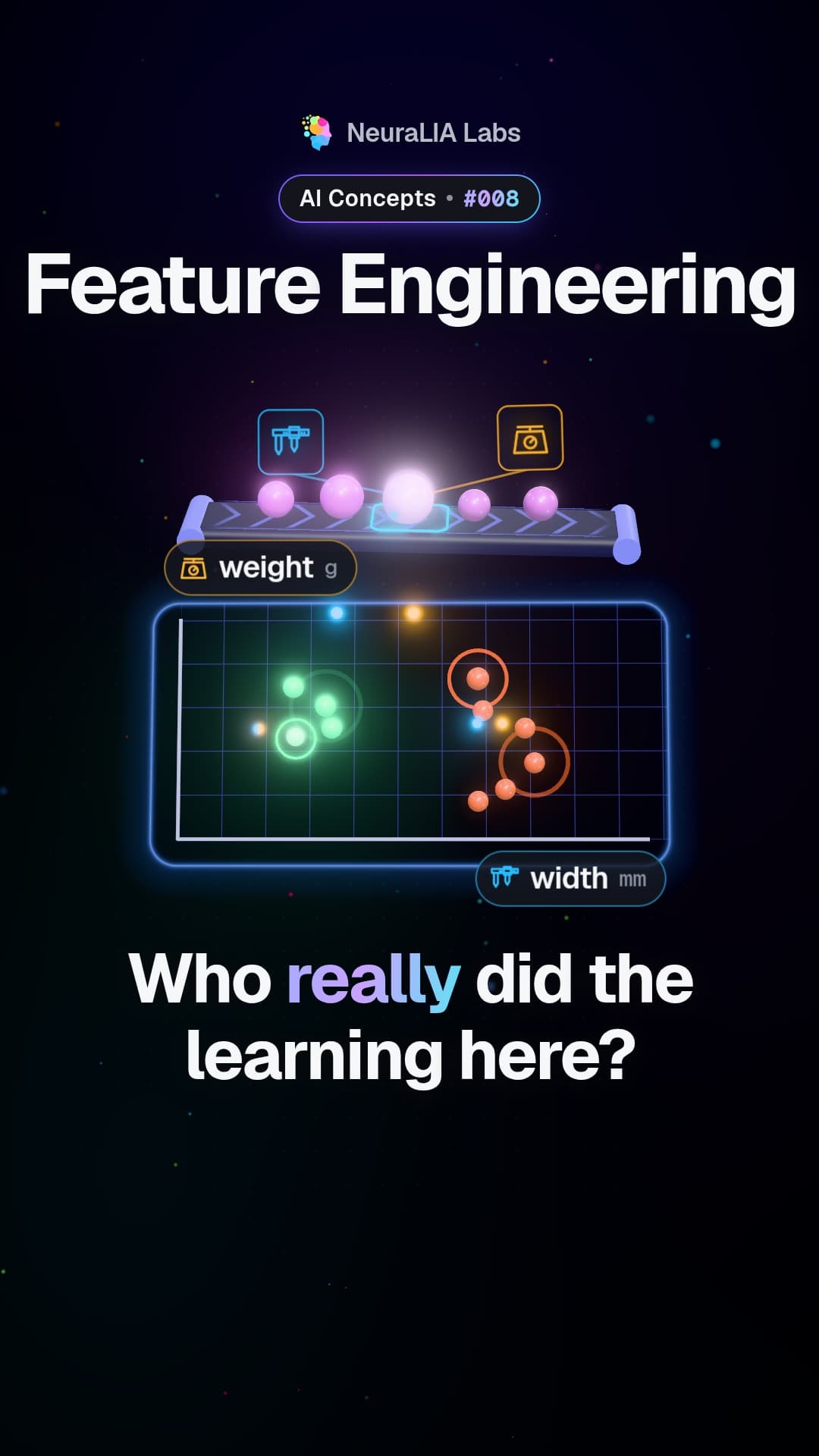 #008
#008Feature engineering: the human choice that can beat the algorithm
Kurzusfejezet szerint
- 1A perceptron nulláról: mit számol egy neuron10 videó
- 2Honnan ered egy veszteségfüggvény: likelihood, nem konvenció12 videó
- 3Lejtmenet: gradient descent, és a két lépés, amit mindenki kihagy12 videó
- 4Osztályozás, keresztentrópia, és hogyan ne csapd be magad
- 5Backpropagation nulláról: előbb a motor, aztán a hálózat1 videó
- 6Elérni, hogy tanuljon — és hogy általánosítson
- 7Építs BPE tokenizert: miért nem tudja a model megszámolni az r-eket?1 videó
- 8Következő token előrejelzése: embeddingek és mit jelent a perplexitás1 videó
- 9Attention és a transformer blokk: levezetés egy átlagból
- 10Egy LLM pretrainingje: adatok, compute, scaling laws és költség
- 11Az alapmodelltől az asszisztensig: SFT, RLHF, DPO és GRPO
- 12Chain of Thought, RLVR és test-time compute mérve
- 13Olcsóbb inferencia: KV cache, batching és kvantálás
- 14Az első production LLM-hívásod: streaming, retryk, timeoutok
- 15Prompt engineering, mérve: mi változtatja meg a kimenetet
- 16A context window, a token és a számla mérve
- 17Temperature, top-p és a determinizmus, ami nincs a kezedben
- 18Tool calling és structured outputs: a szerződés, ami kitart
- 19RAG élesben: chunking, retrieval és őszinte hivatkozások
- 20Fine-tuning, visszakeresés vagy prompt? A döntés gazdasági
- 21Multimodális árazás: mit számláznak valójában a képek, a hang és a videó
- 22Mi az AI agent: öt klasszikus típus, két rivális definíció
- 23Agent harness építése: a loop és öt kiútja
- 24Context engineering: miért butul el az agented a 40. körre
- 25Multi-agent orchestráció: öt minta, és mikor győz az egyik
- 26MCP a specifikáció tükrében: mi is valójában egy szerver
- 27MCP server szállítása: TypeScript és Python, mérve
- 28Agent Skills és SKILL.md: progresszív feltárás, mérve
- 29LLM-értékelés: nyilvános benchmarkoktól a saját golden setig
- 30Prompt injection és a halálos trifekta: egy valódi agent biztonságossá tétele