
 #01
#01Videa
AI vysvětlená v krátkých videích
Jedna myšlenka na video, srozumitelně. Každé odkazuje na kapitolu našeho bezplatného kurzu, která ji vysvětluje krok za krokem.
Začněte zde AI 101
- #01
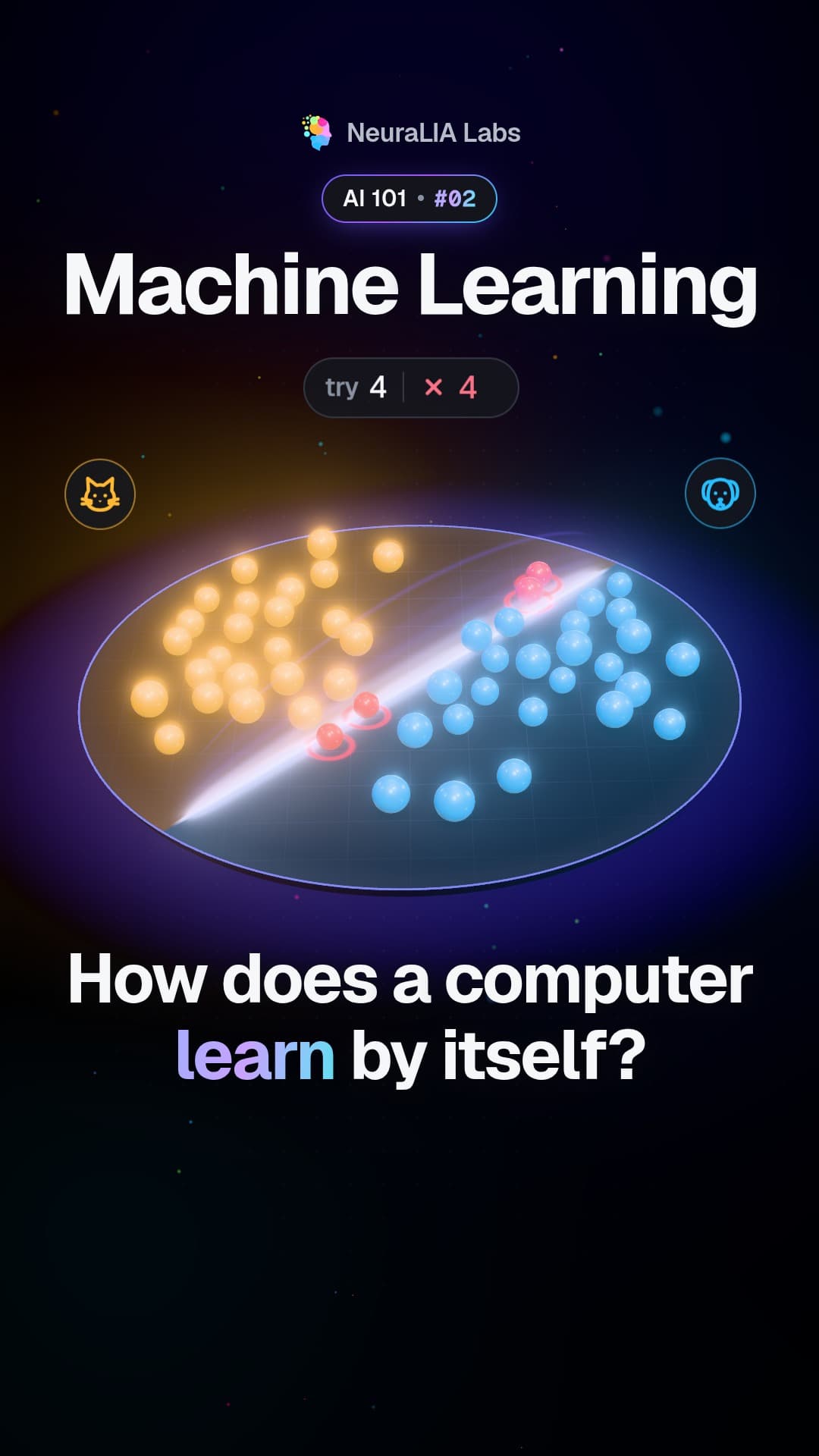 #02
#02Machine learning: how a computer draws its own dividing line
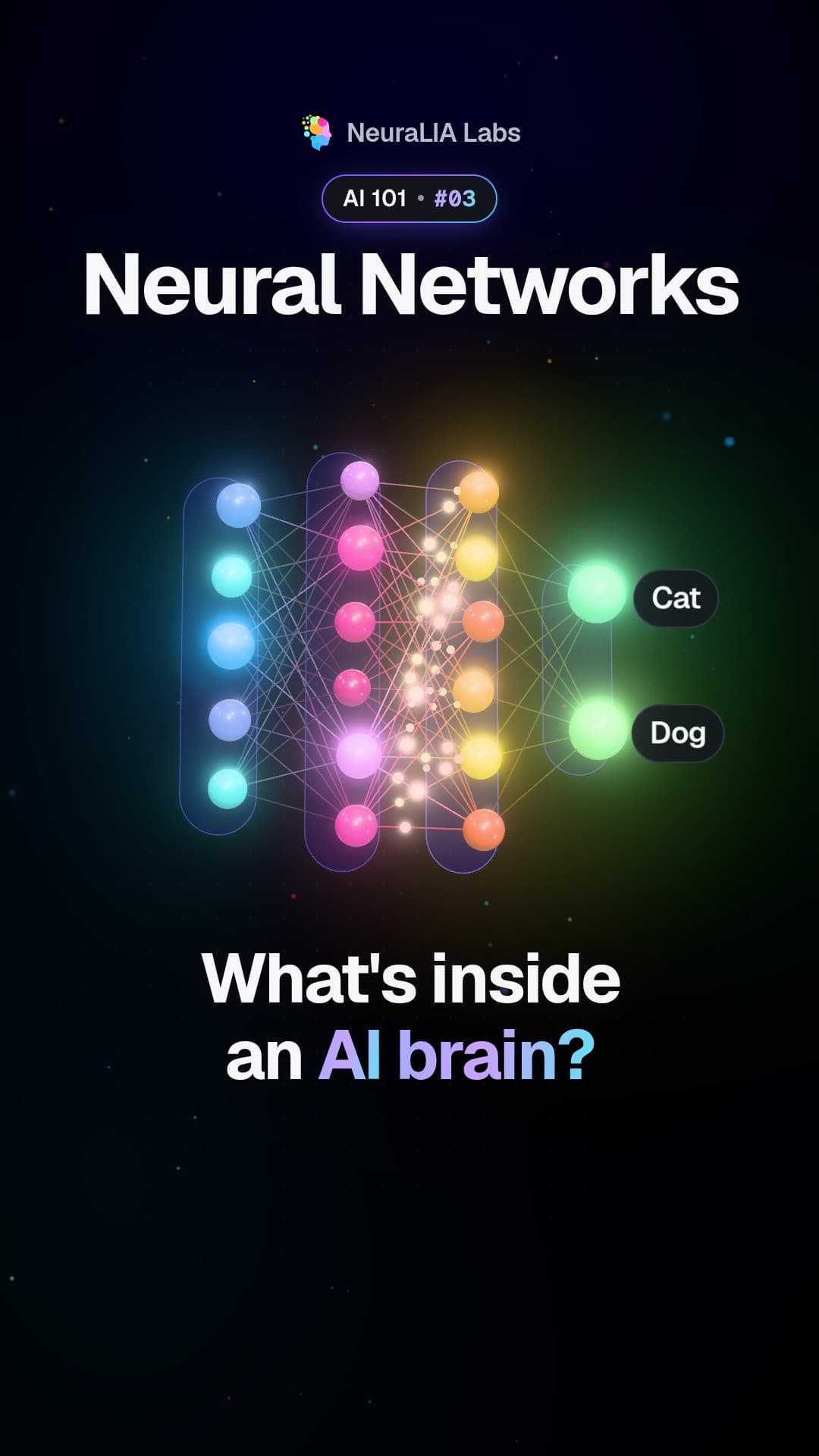 #03
#03Neural networks: layers of tiny calculators passing signals on
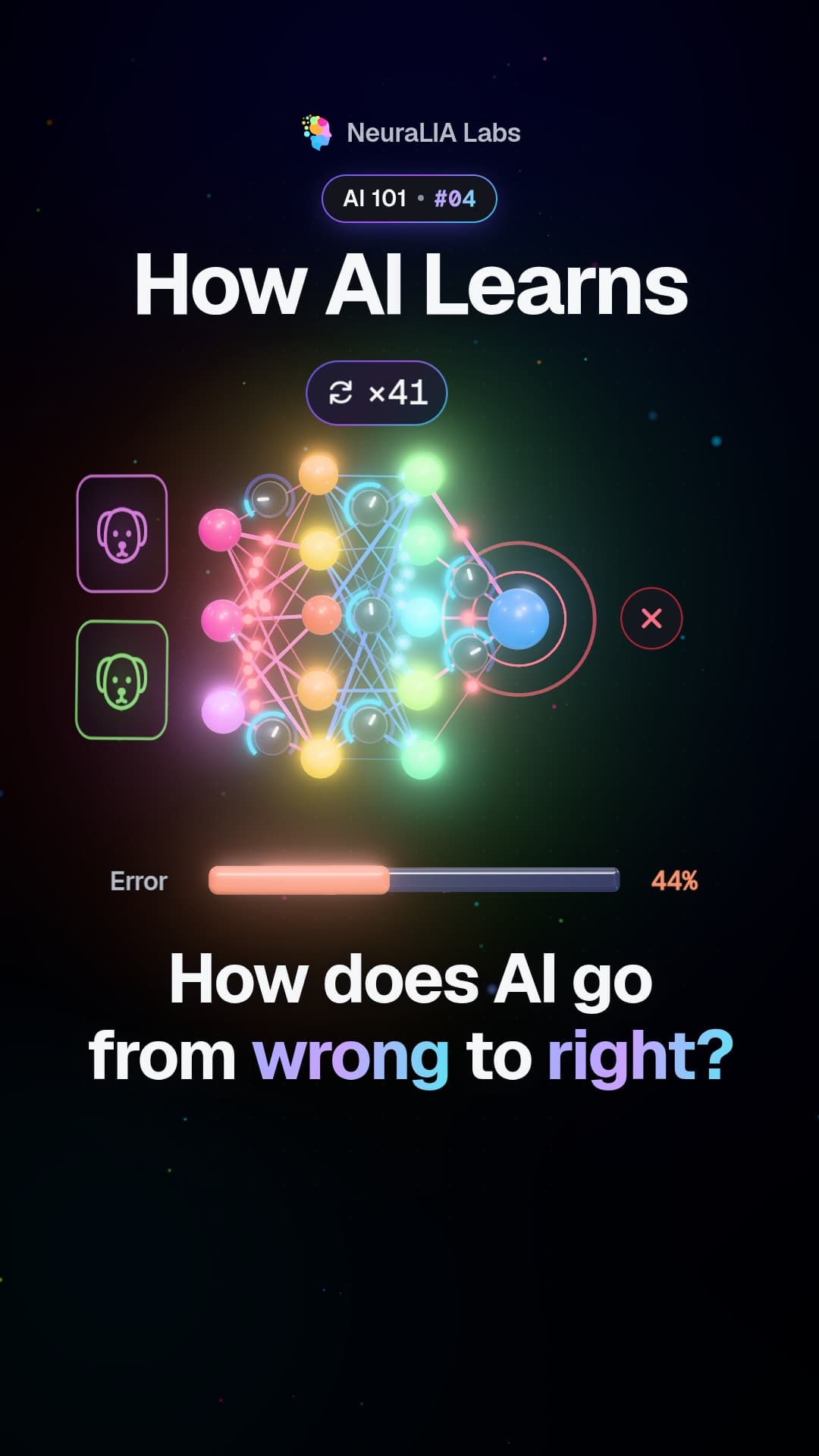 #04
#04How AI learns: guess, measure the error, nudge, repeat
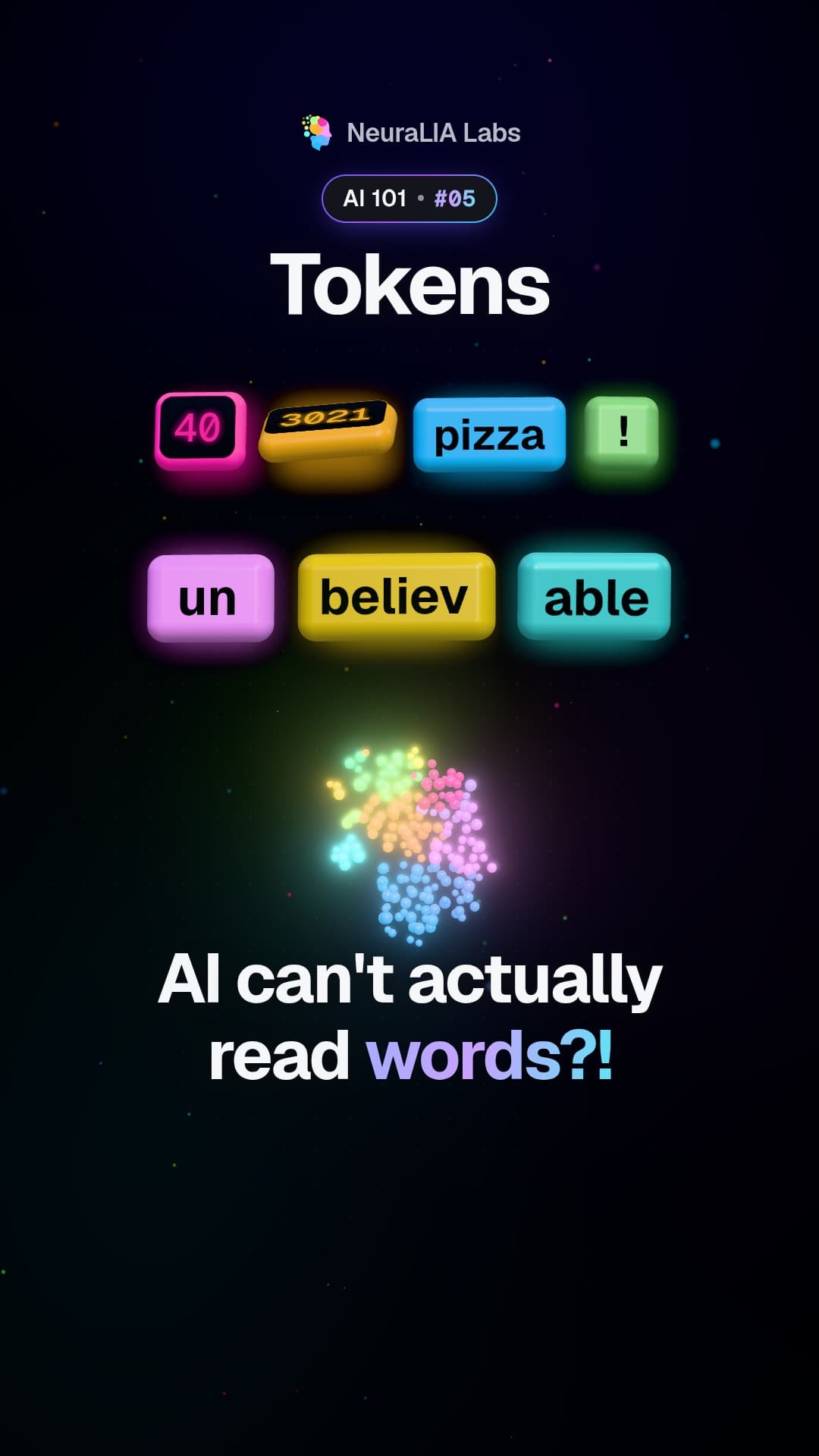 #05
#05Tokens: how AI chops your words into numbered pieces
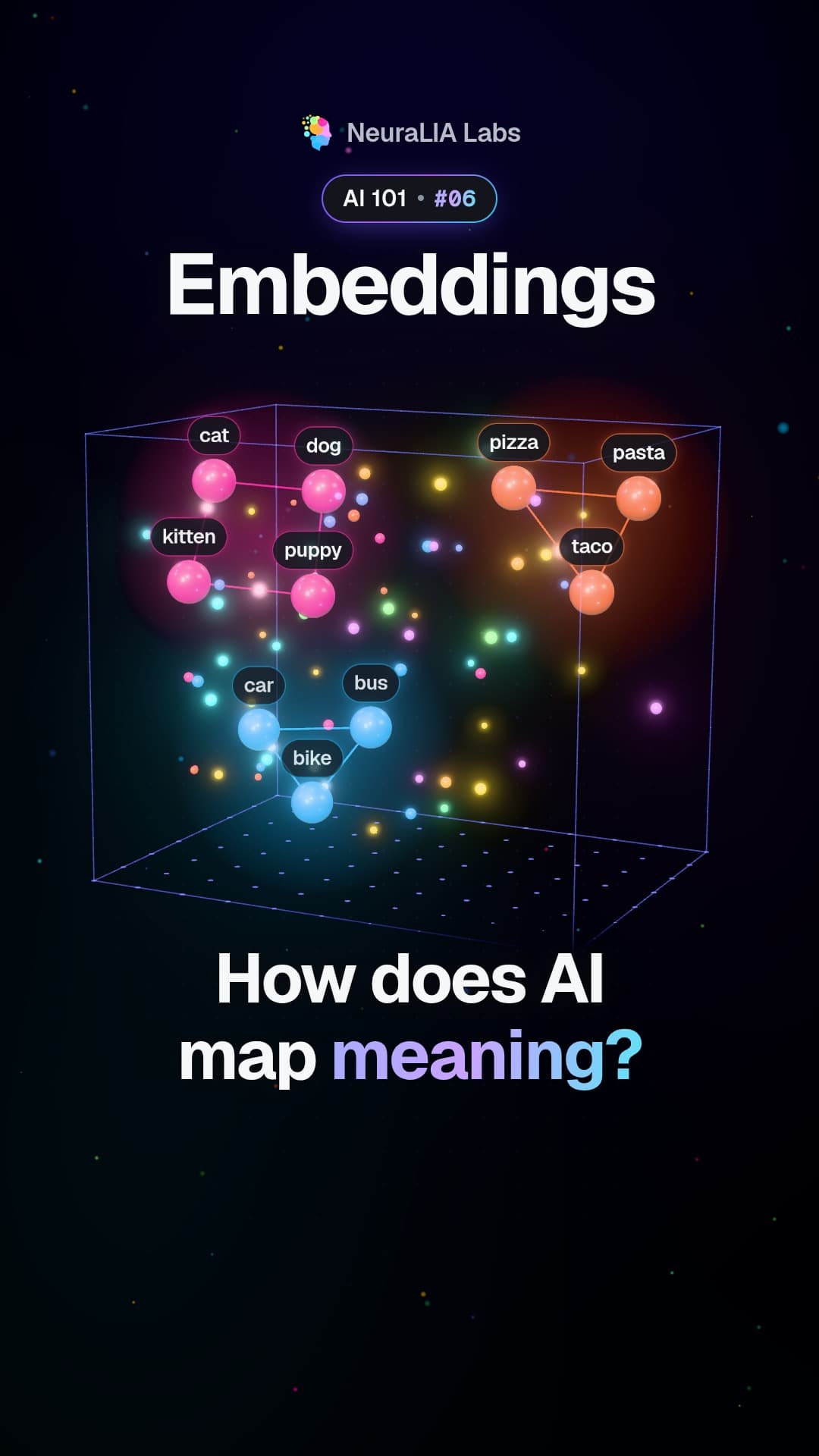 #06
#06Embeddings: why a puppy lands closer to a dog than to a pizza
Nejnovější
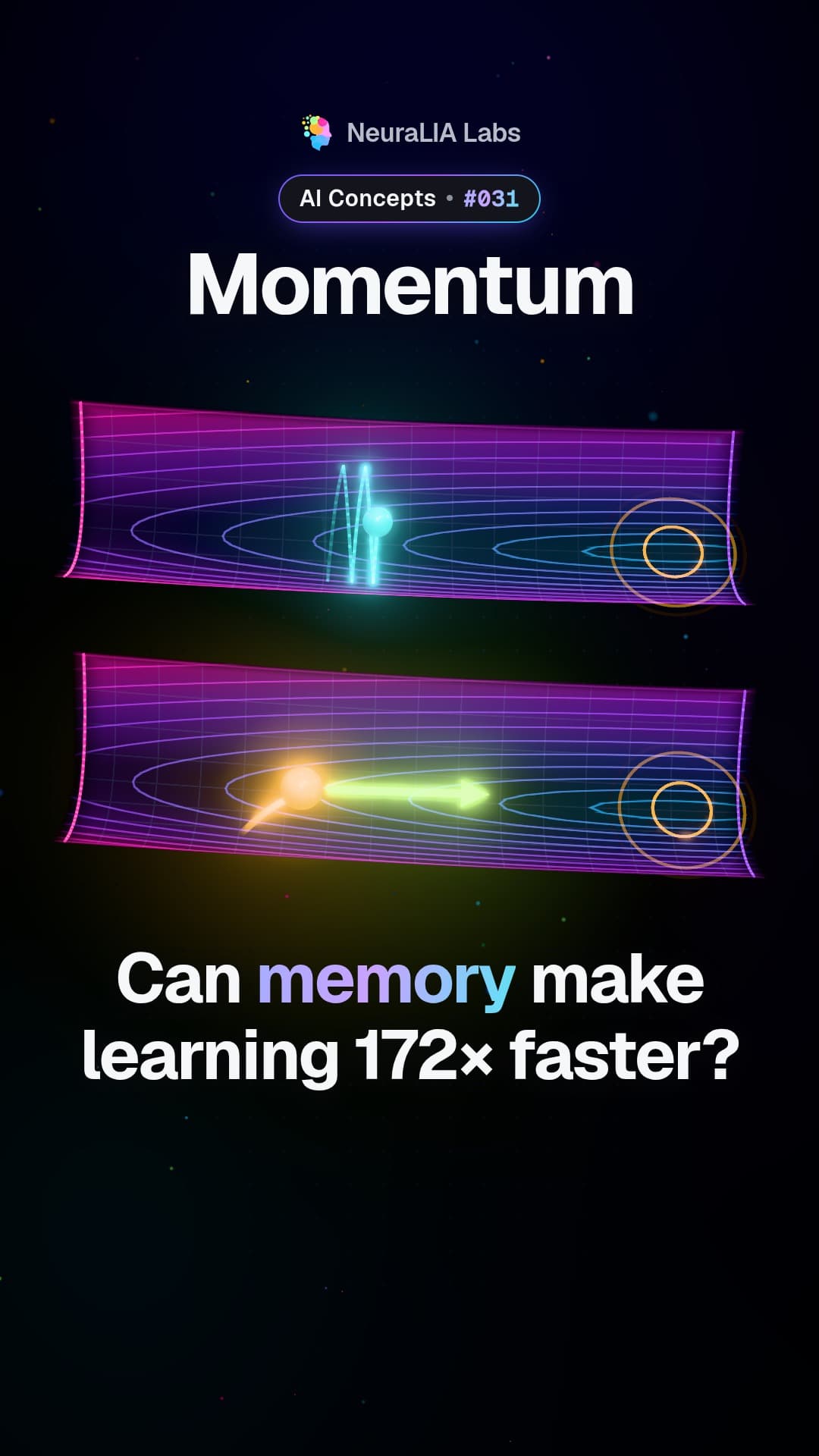 #031
#031Momentum: how remembering past steps stops AI training zigzagging
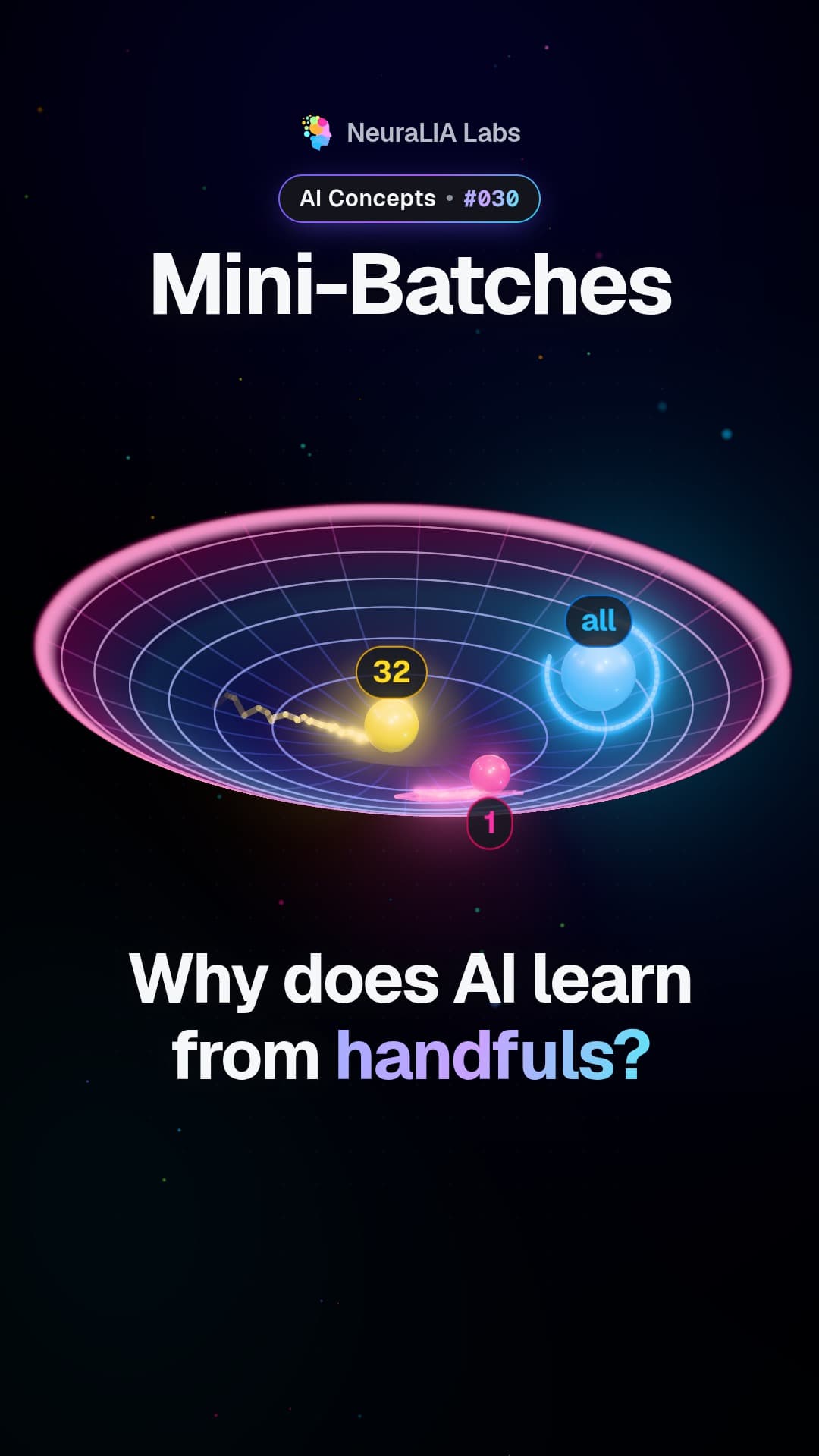 #030
#030Mini-batches: why AI learns faster from a random handful of data
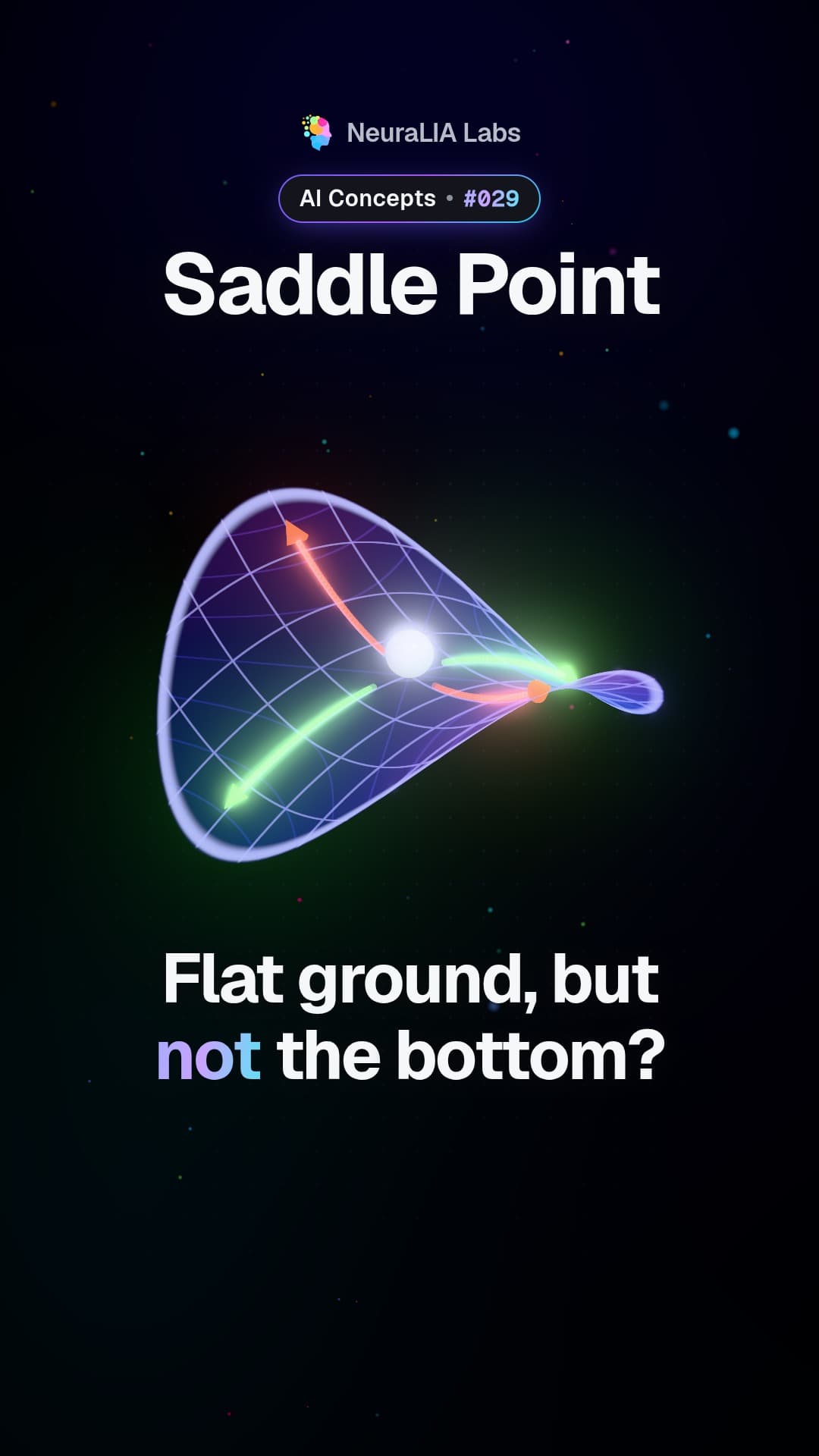 #029
#029Saddle points: where AI training looks stuck but has a way down
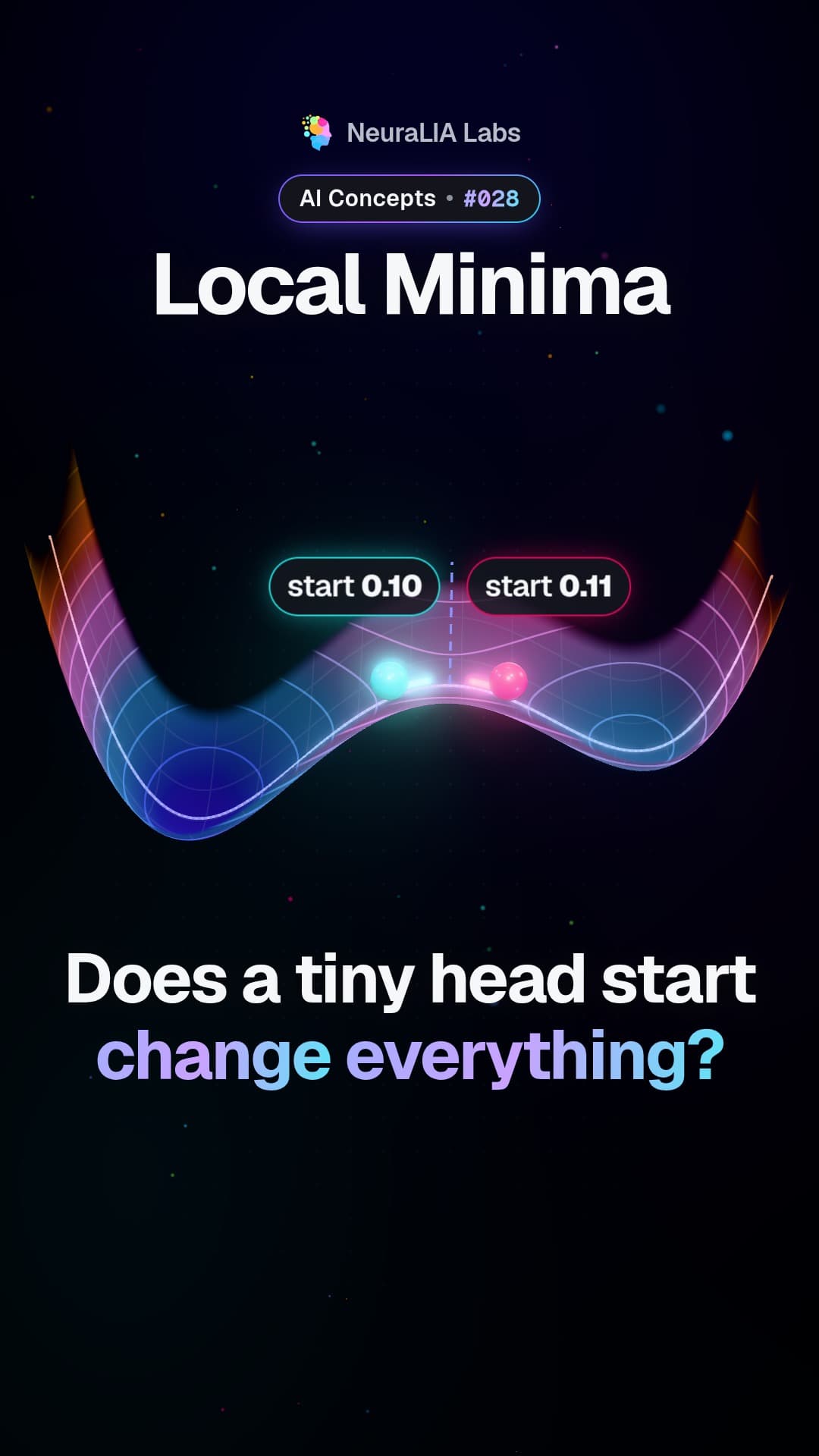 #028
#028Local minima: why AI training can settle for second best
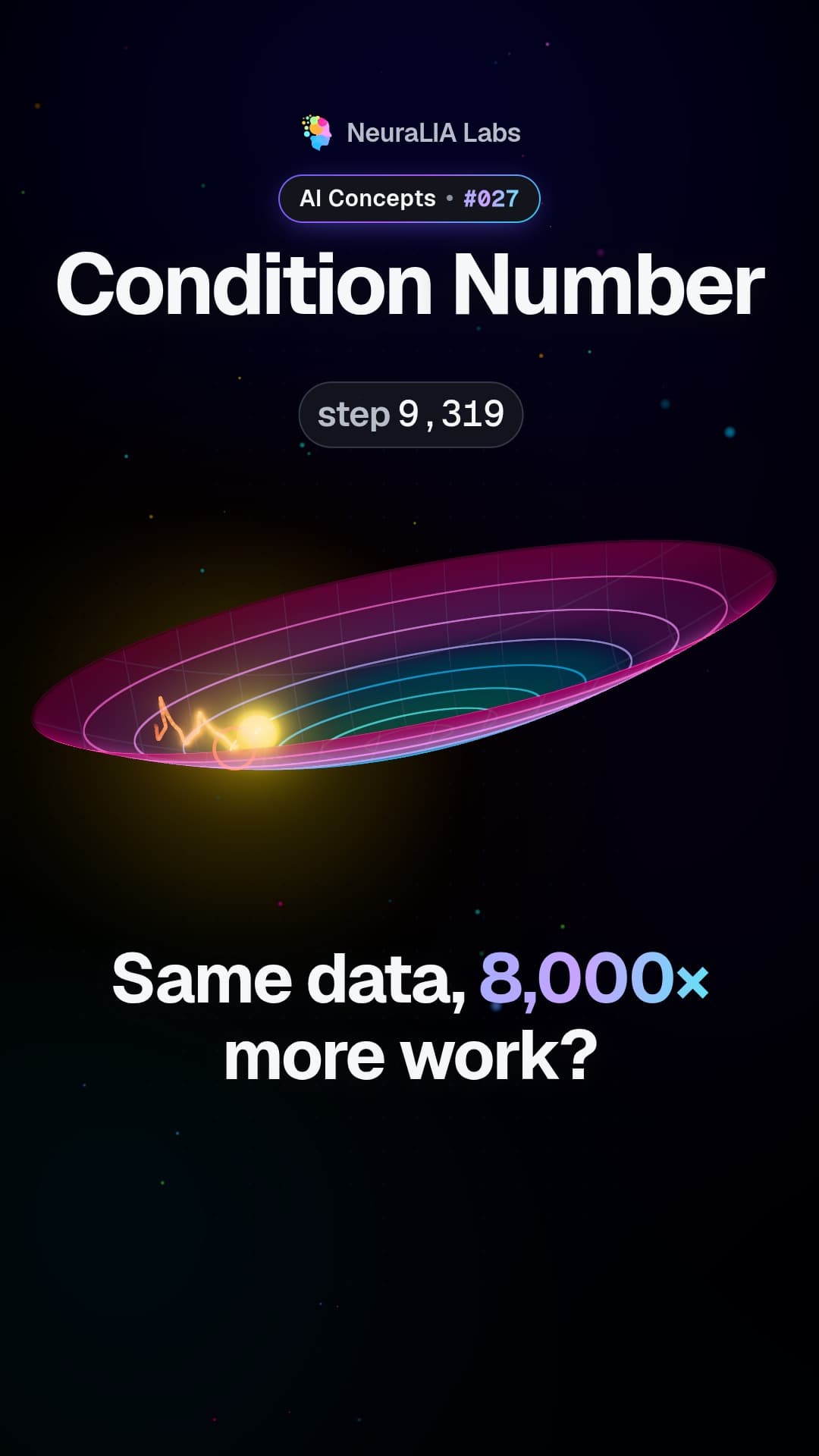 #027
#027Condition number: why a stretched valley makes AI training crawl
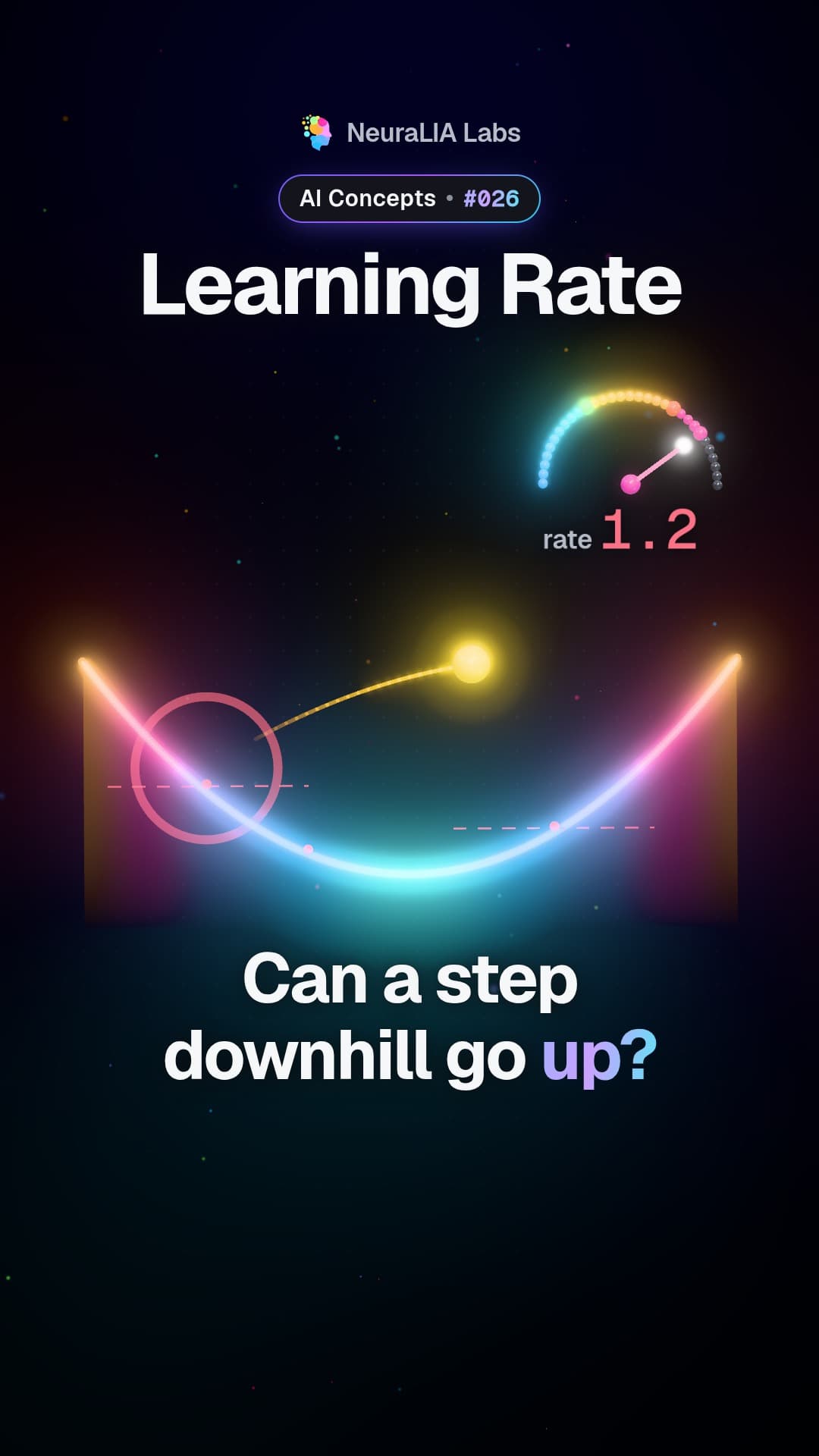 #026
#026Learning rate: the step size with a ceiling you can calculate
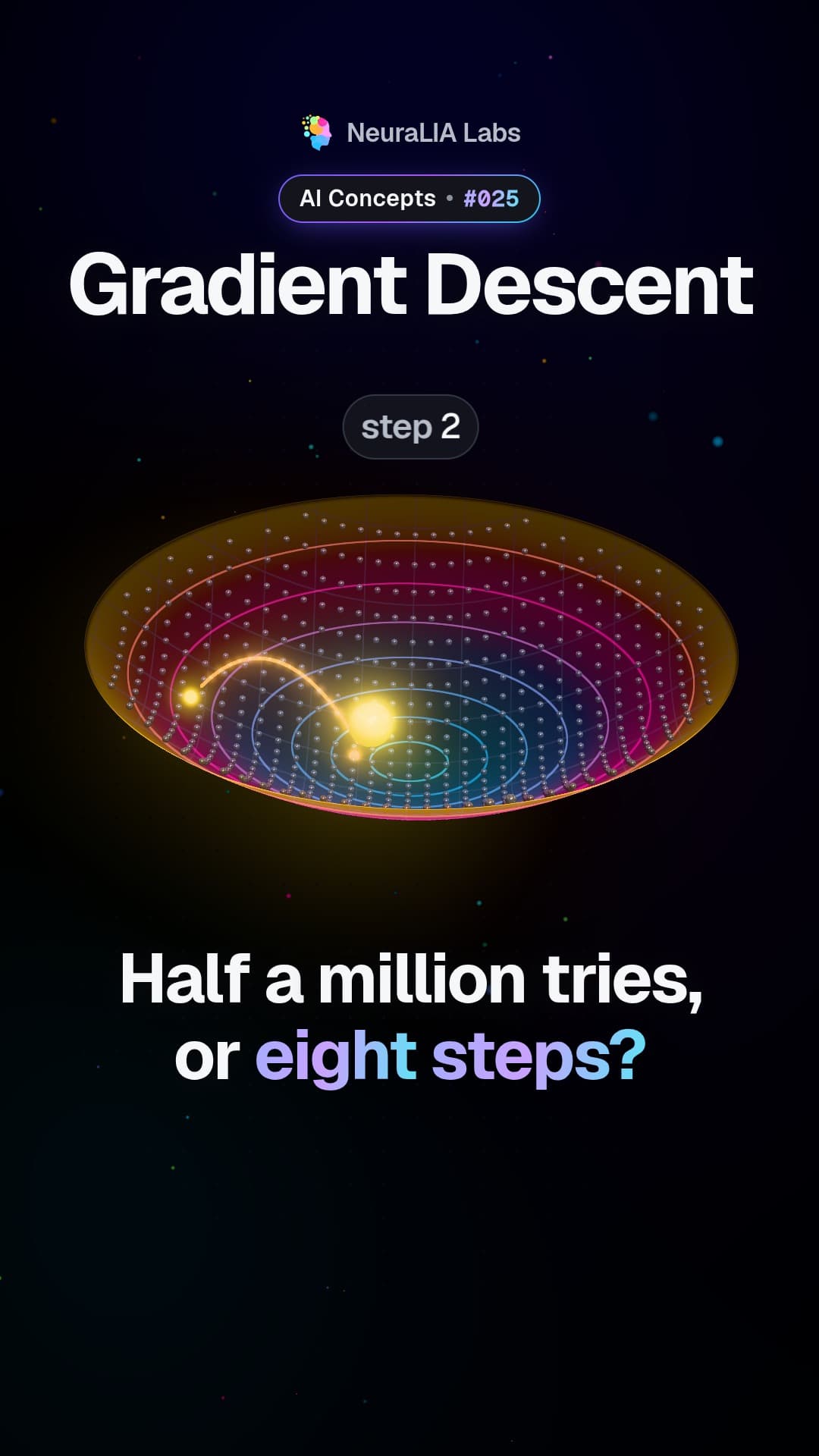 #025
#025Gradient descent: how AI finds its way downhill in small steps
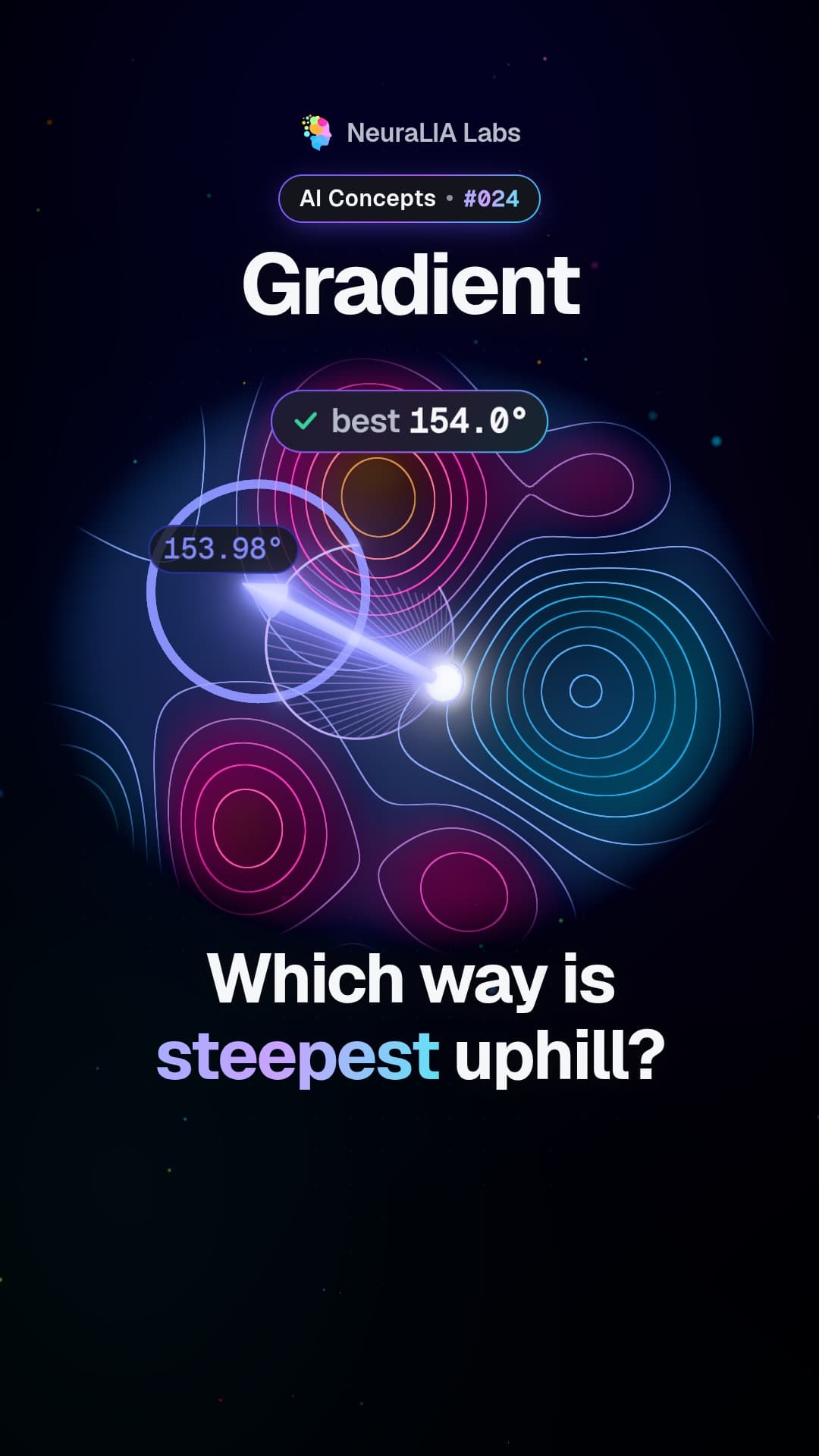 #024
#024Gradient: the arrow that points uphill, and why AI walks the other way
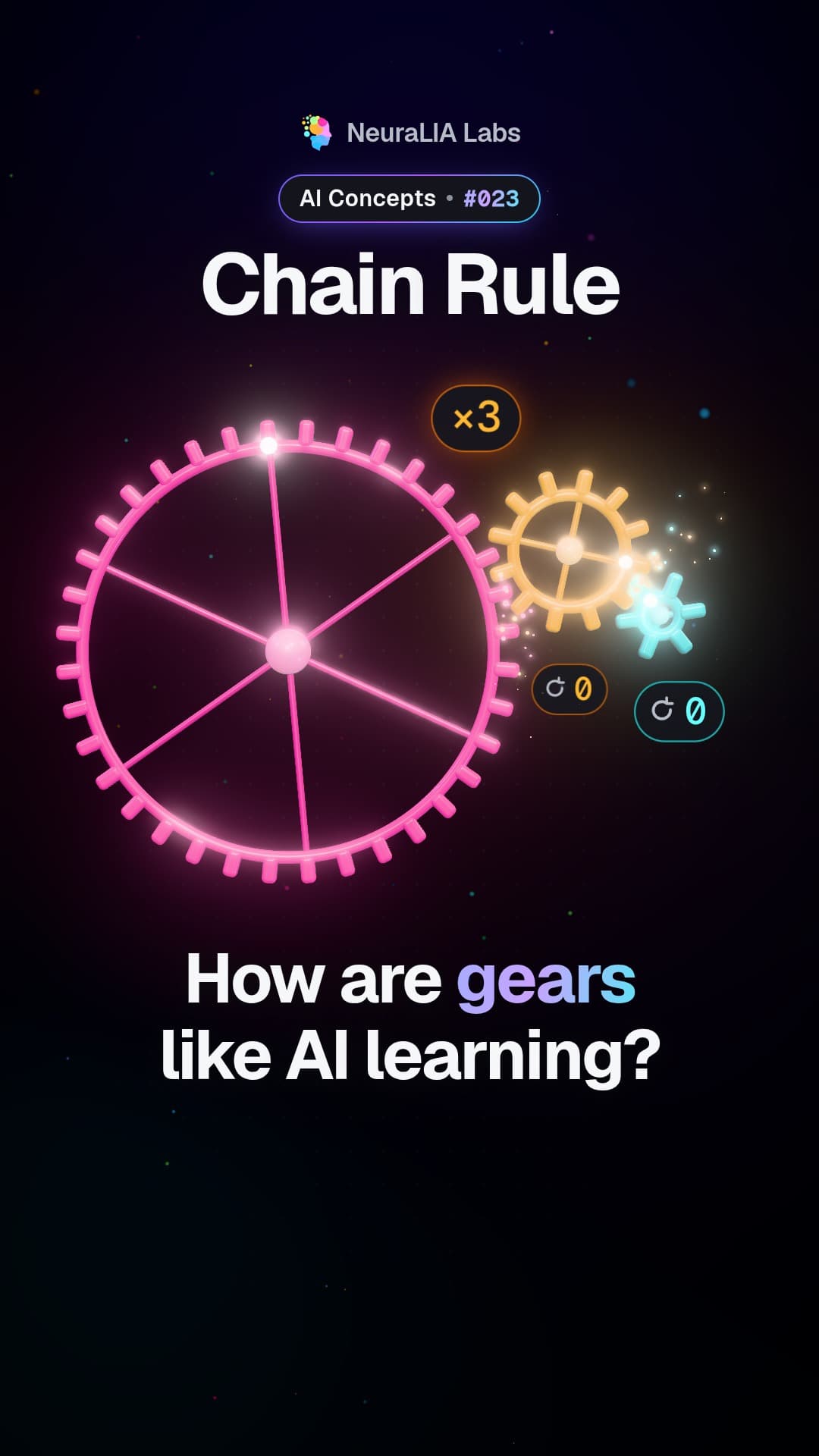 #023
#023Chain rule: how AI traces the effect of every layer
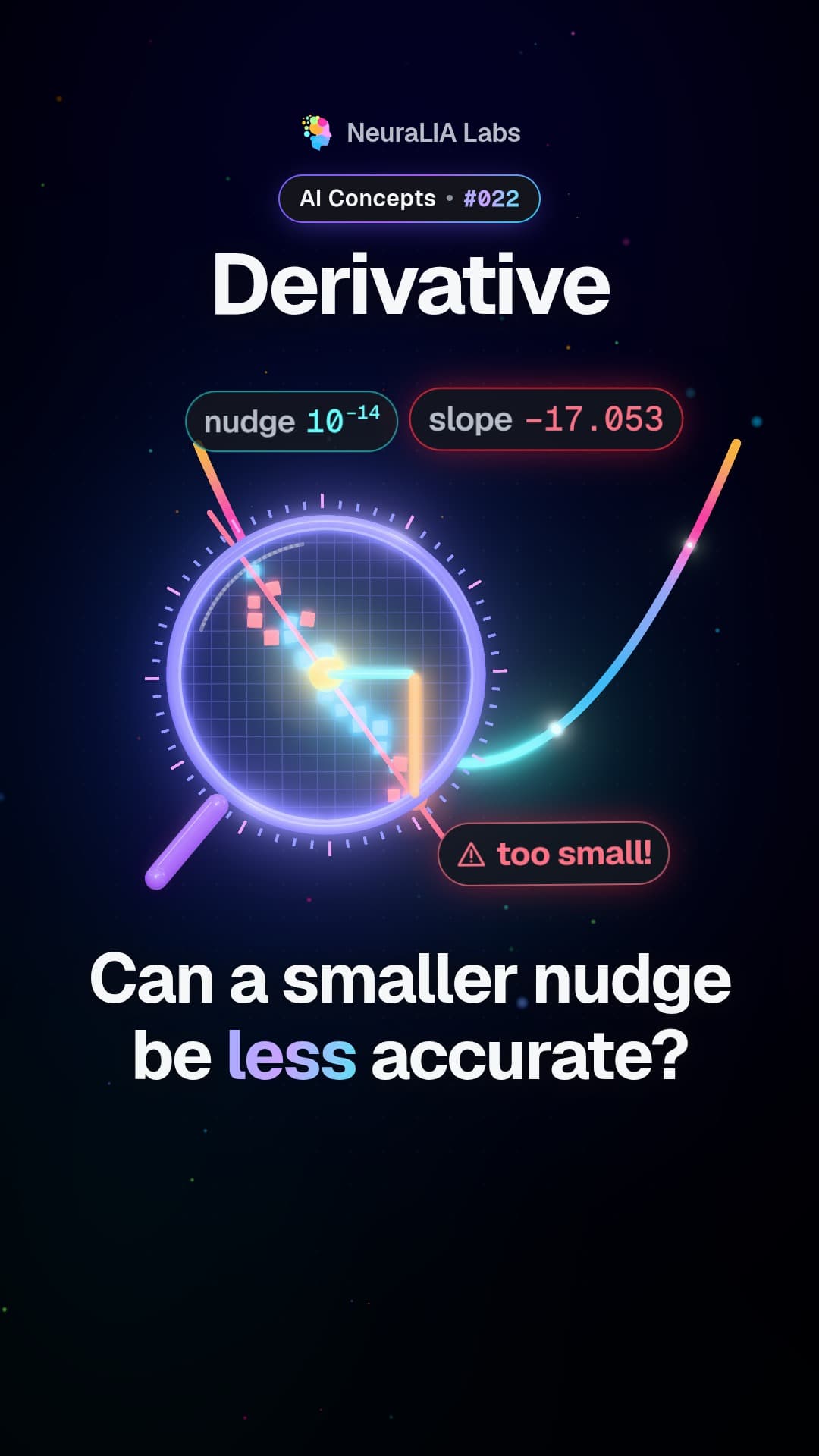 #022
#022Derivative: how much the result moves when you nudge one input
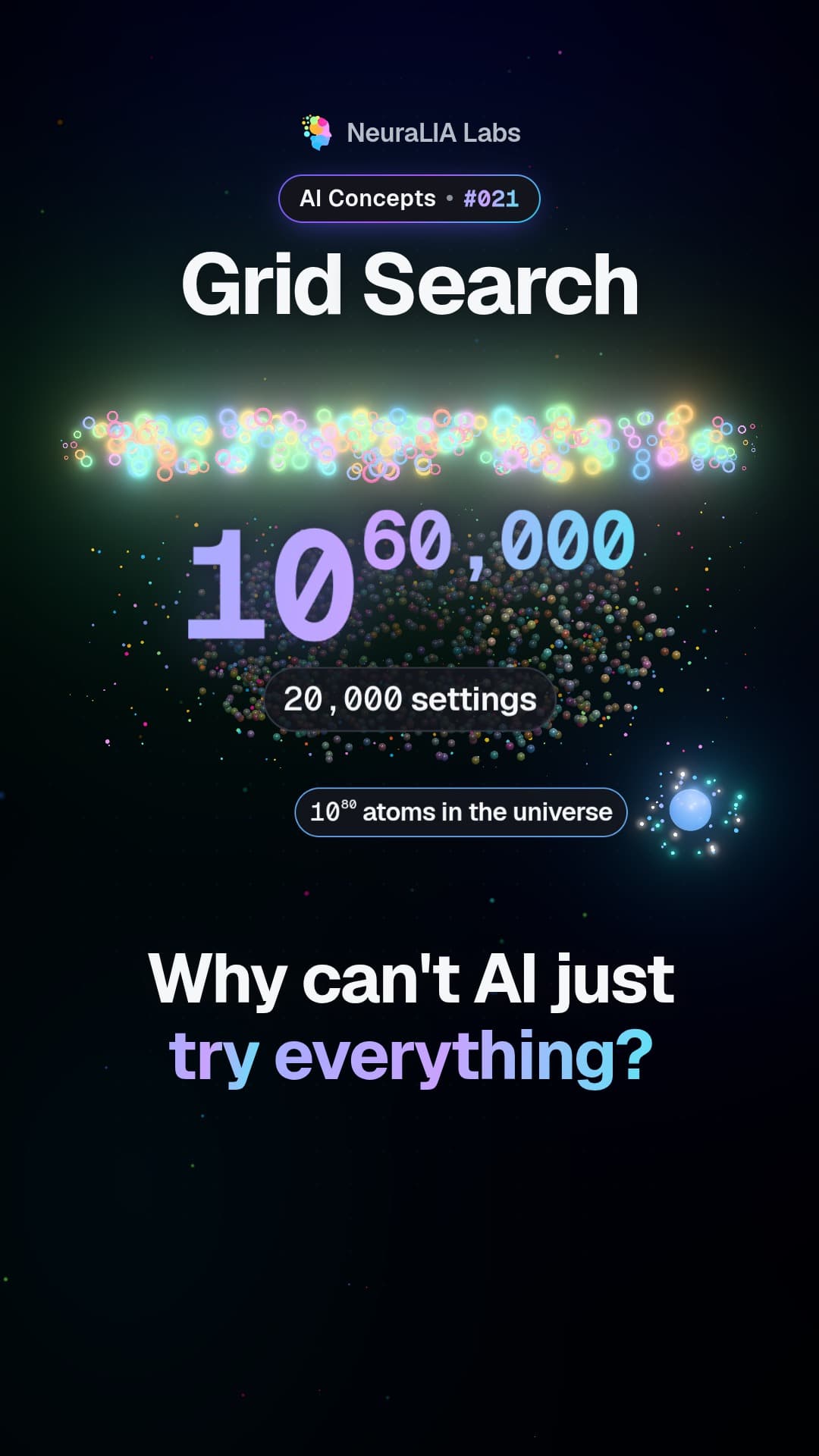 #021
#021Grid search: why you cannot train an AI by trying every setting
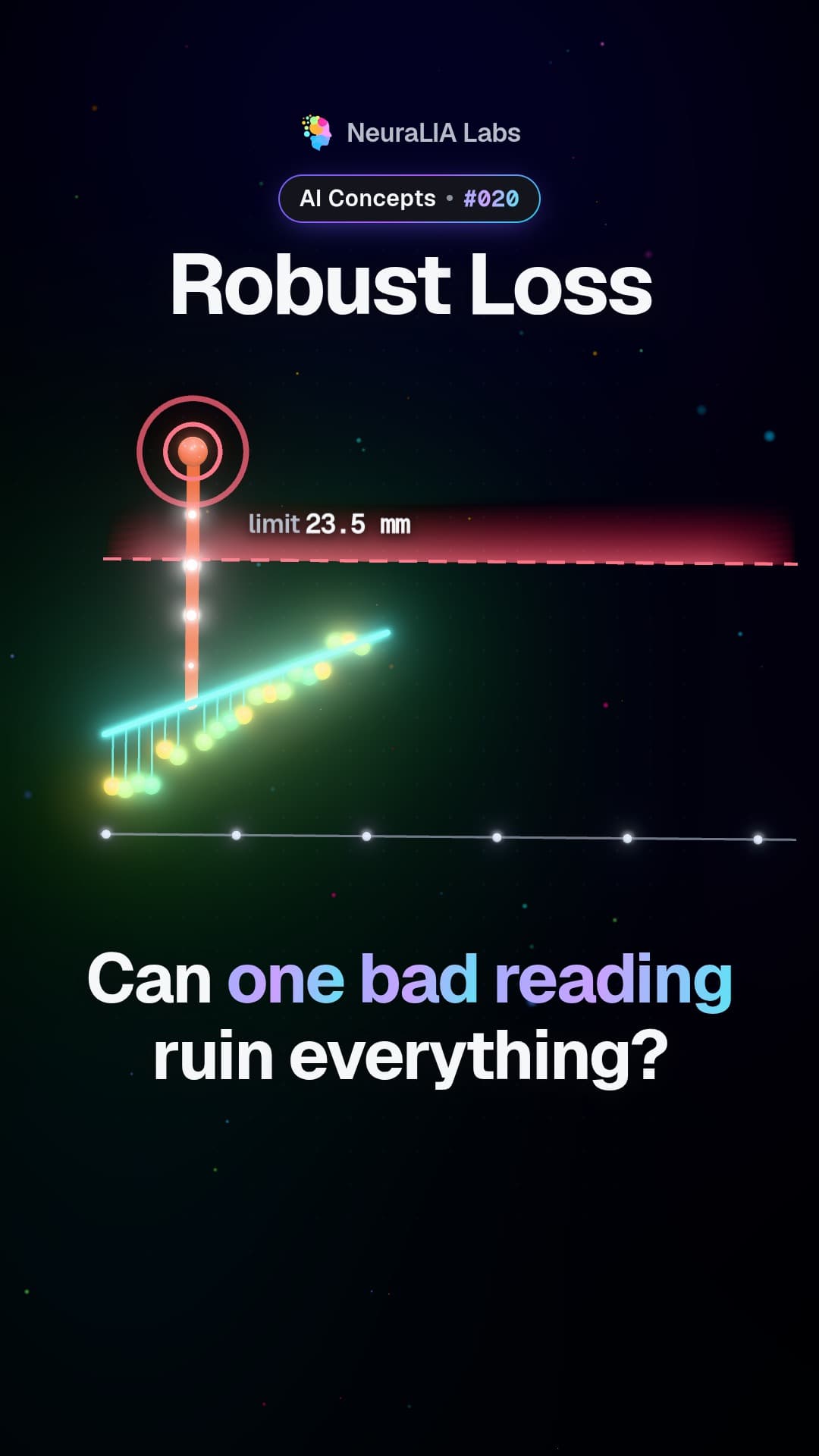 #020
#020Robust loss: stop one wild reading from wrecking your forecast
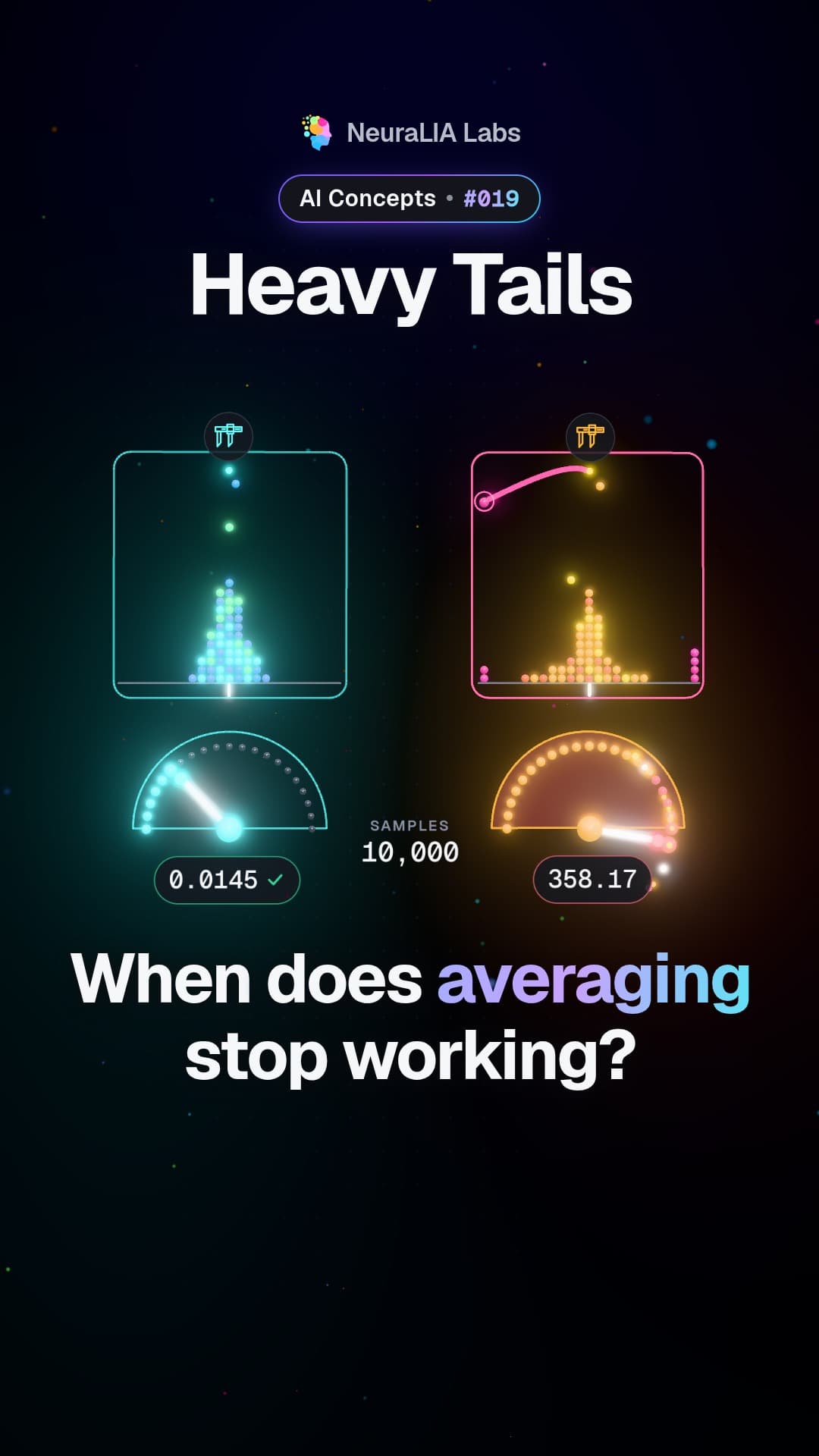 #019
#019Heavy tails: when rare, huge errors break the usual average
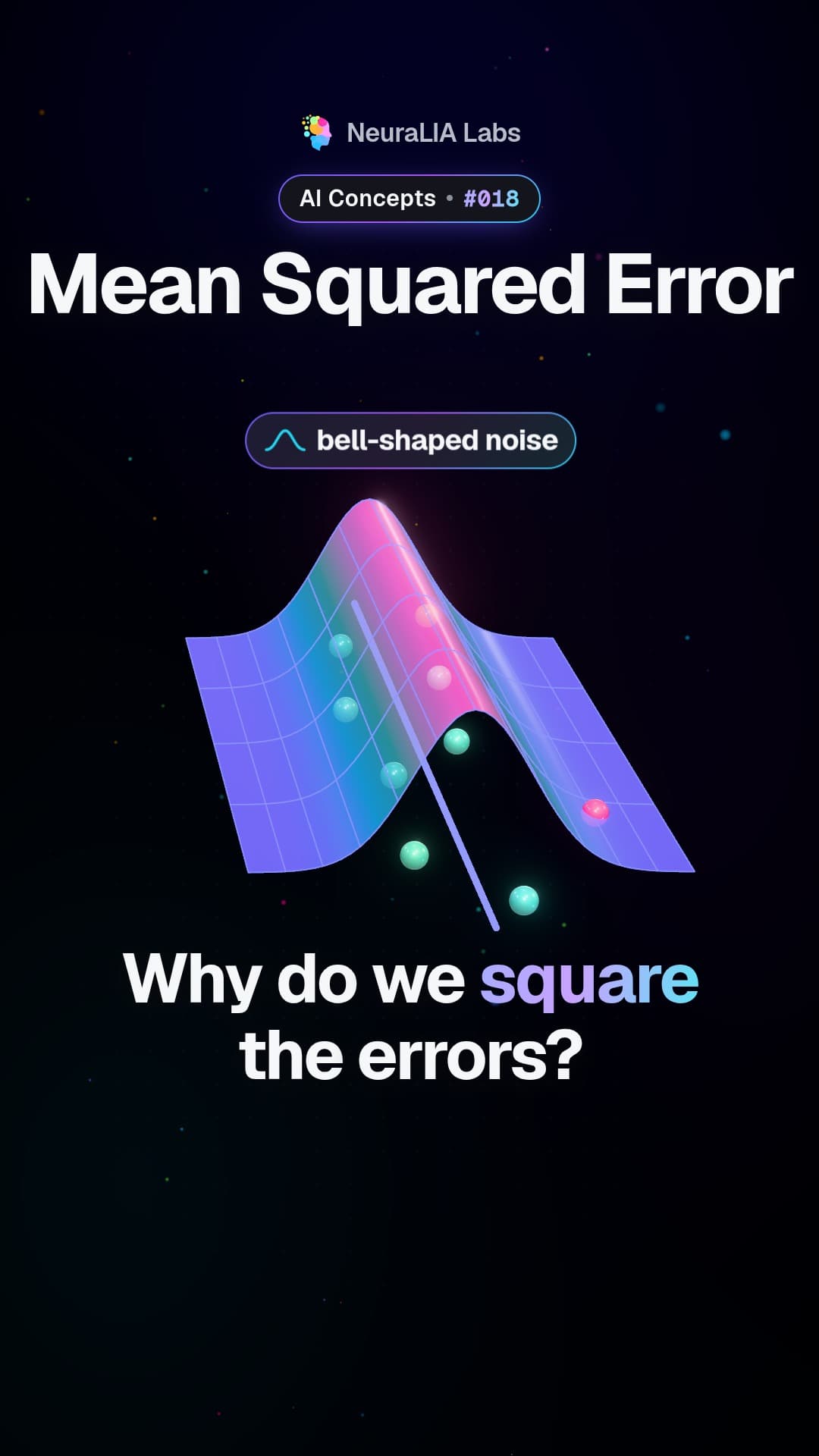 #018
#018Mean squared error: the hidden bet behind squaring your mistakes
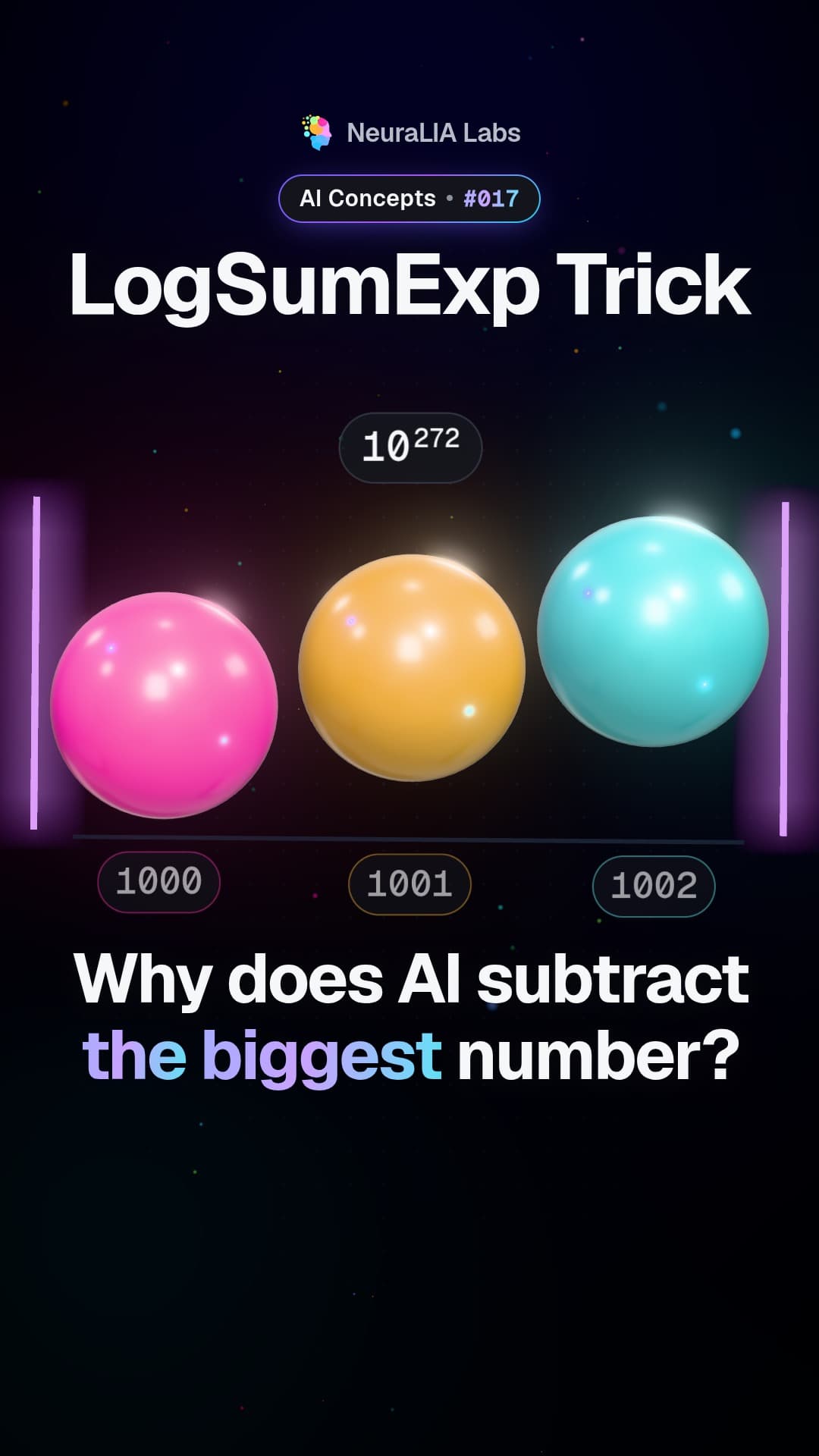 #017
#017The LogSumExp trick: one subtraction that stops AI math overflowing
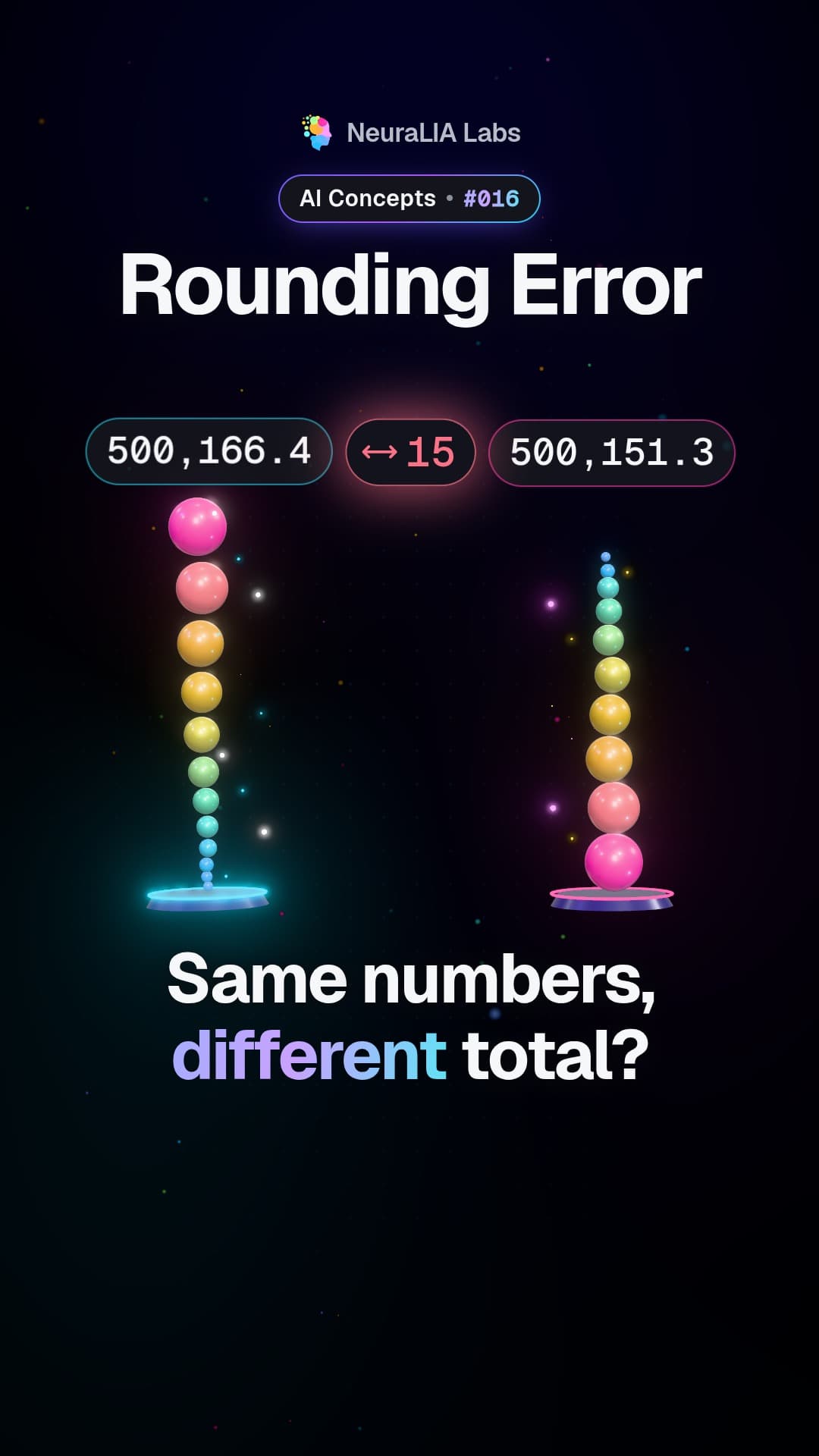 #016
#016Rounding error: why adding the same numbers can give two answers
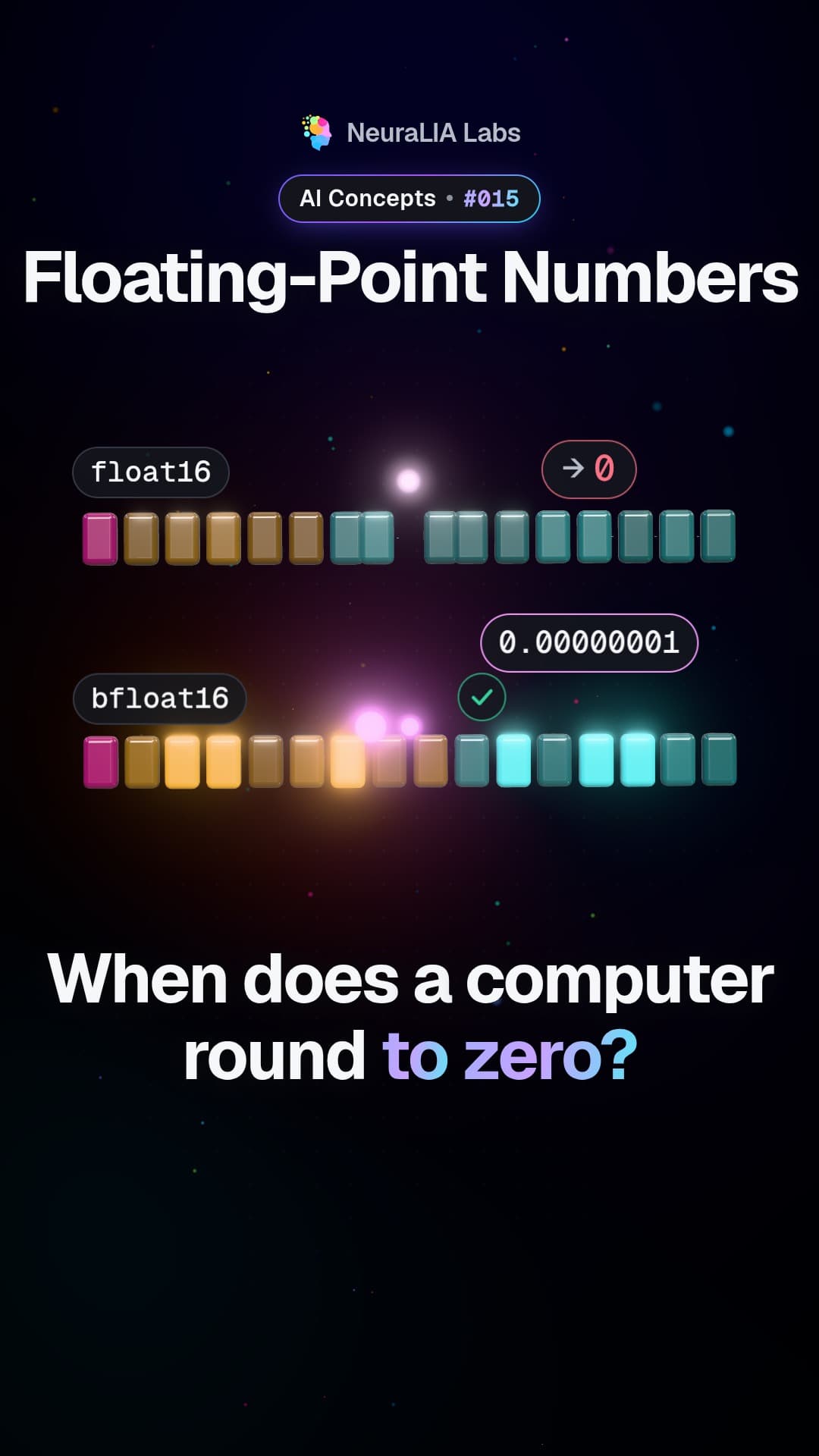 #015
#015Floating-point numbers: why your computer cannot hold every number
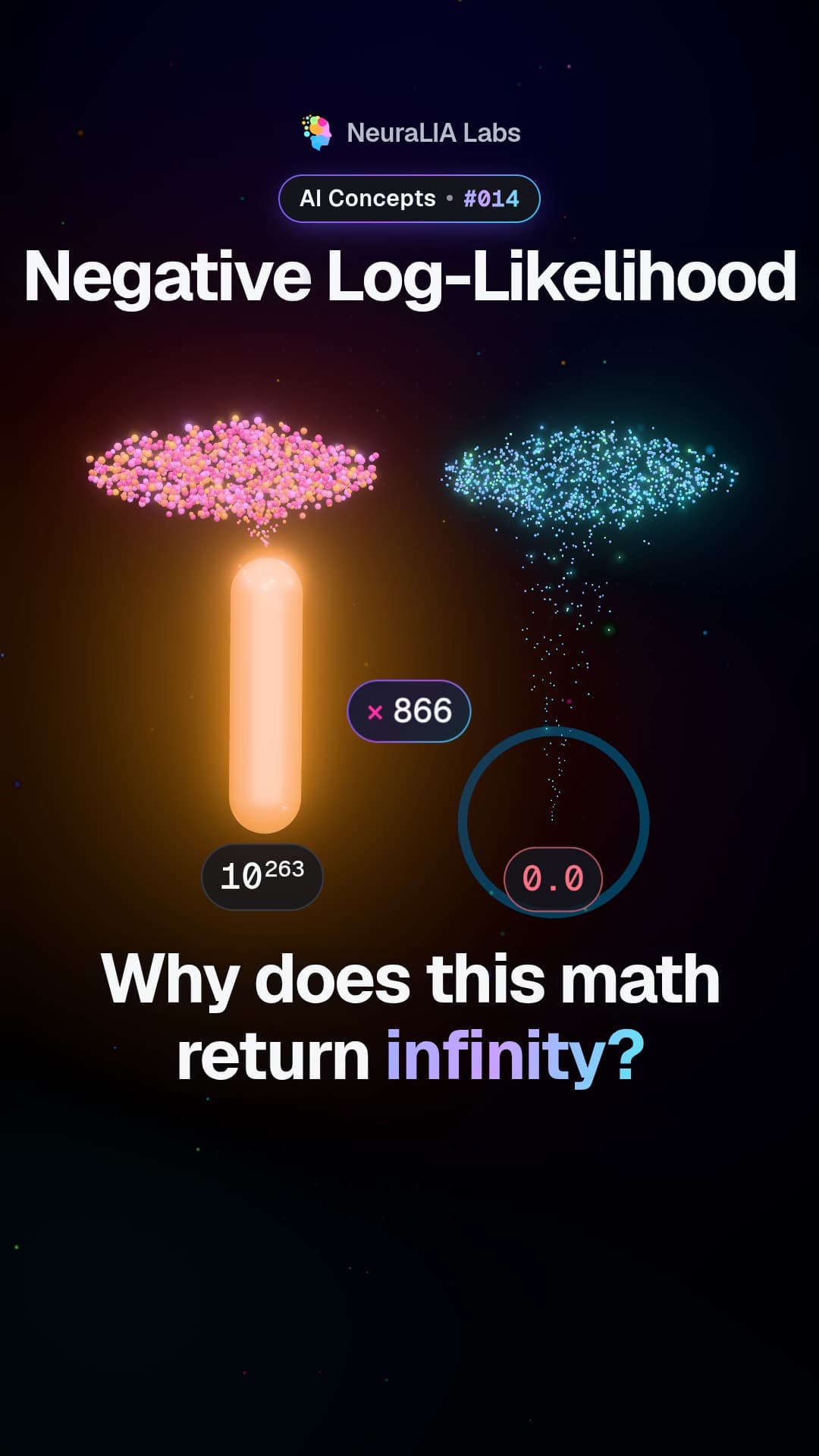 #014
#014Negative log-likelihood: turning a fragile product into a calm sum
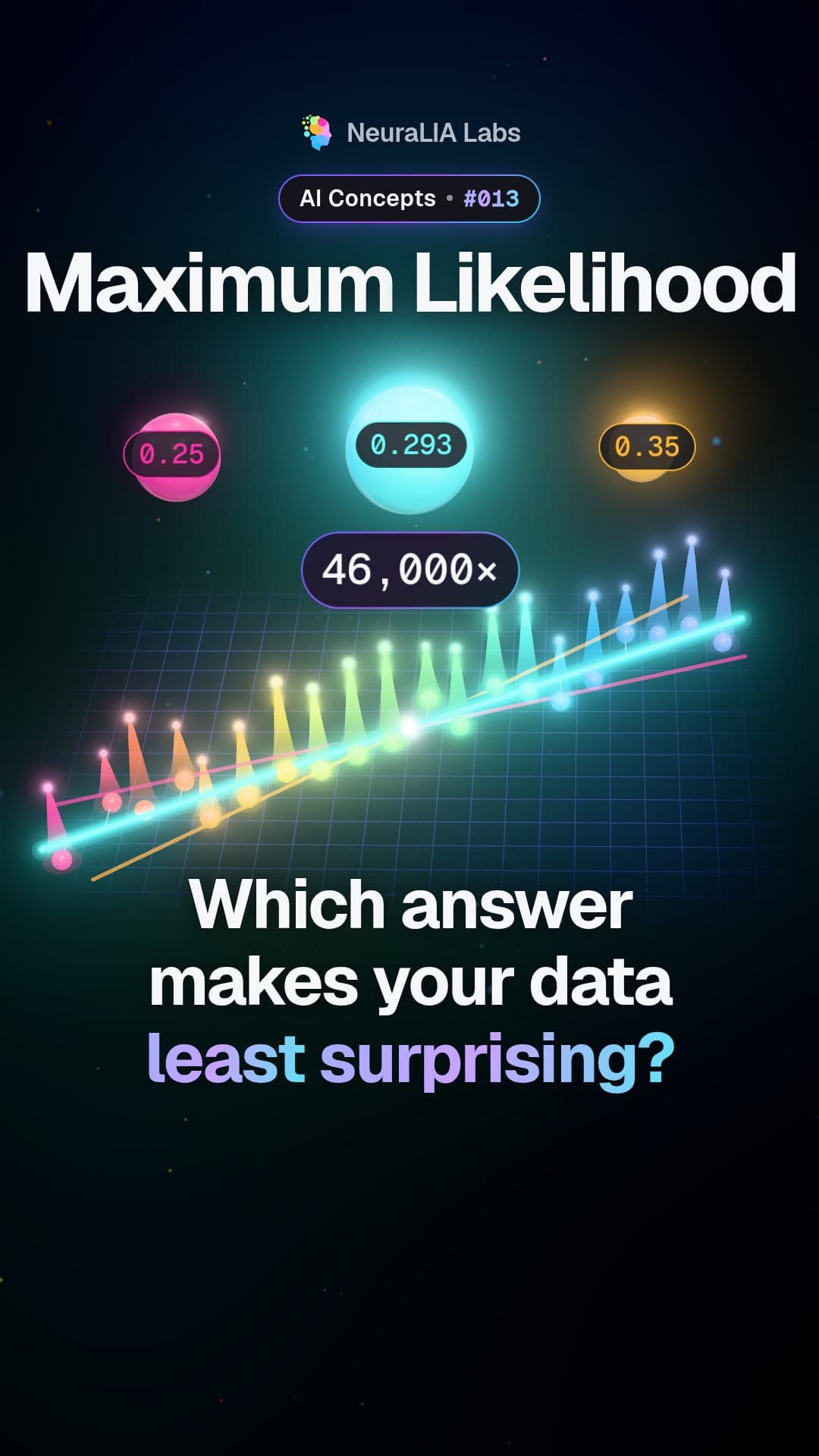 #013
#013Maximum likelihood: the answer that makes your data least surprising
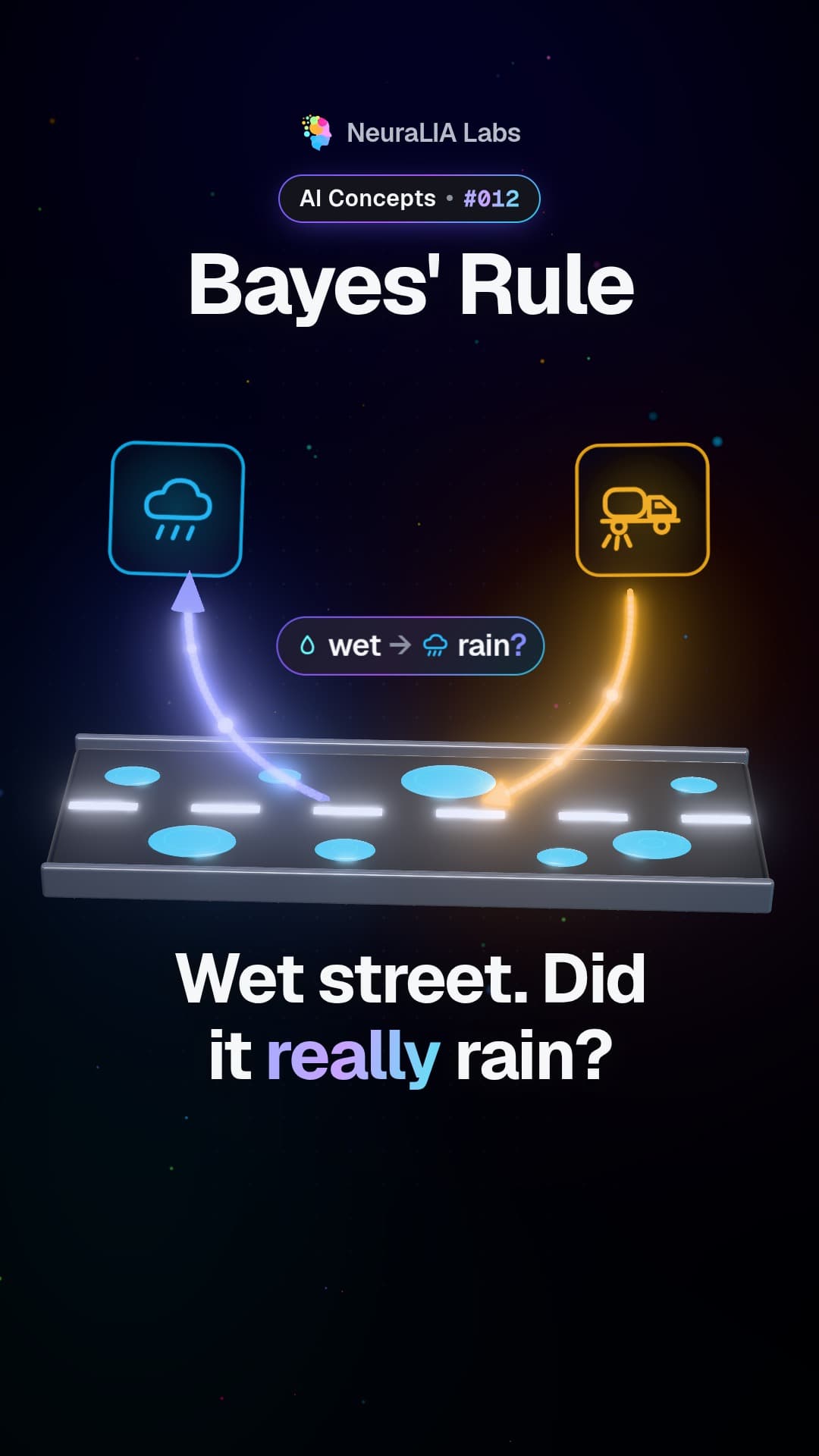 #012
#012Bayes' rule: reasoning backwards from a clue to its most likely cause
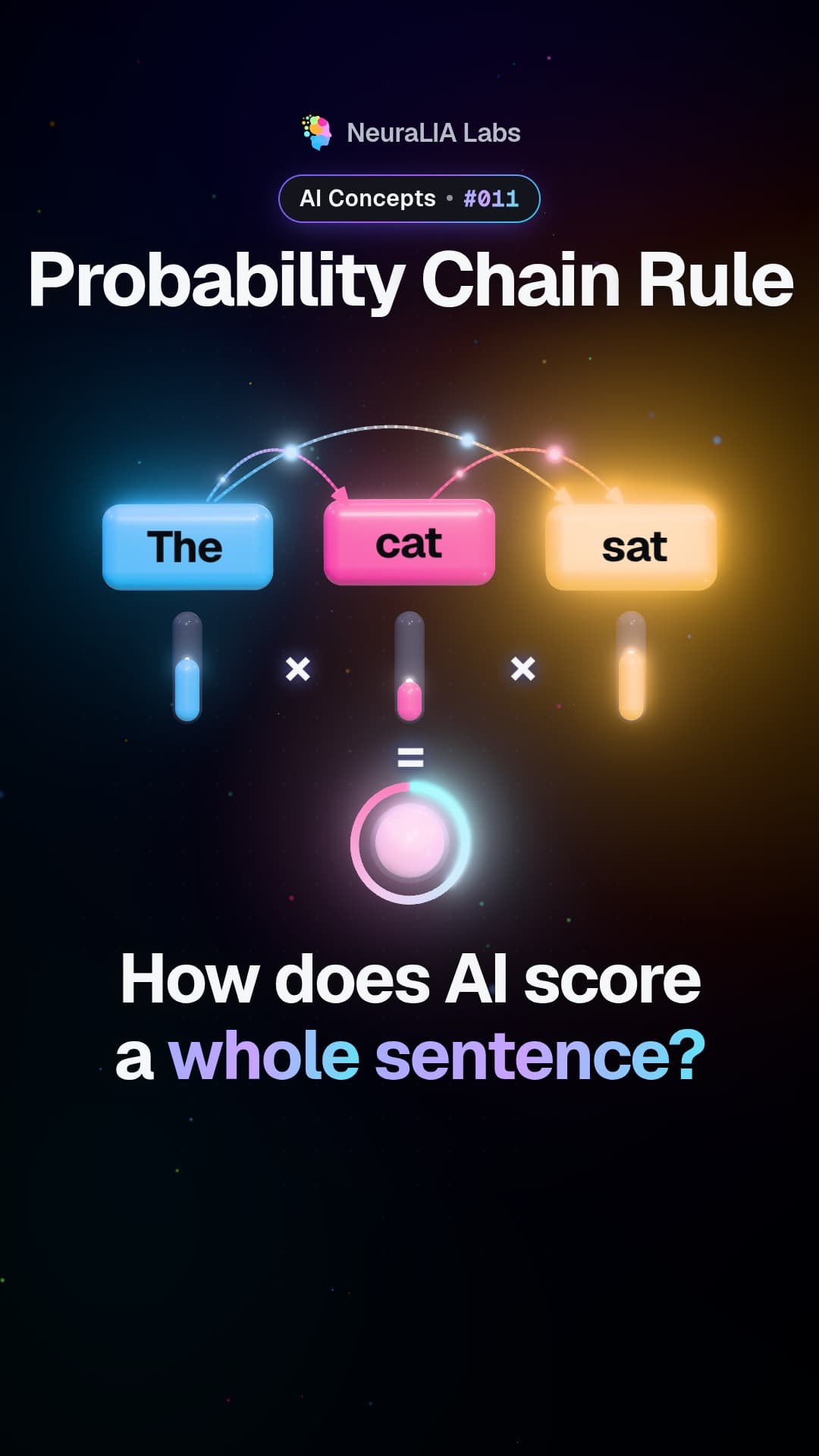 #011
#011Chain rule of probability: how AI scores a sentence word by word
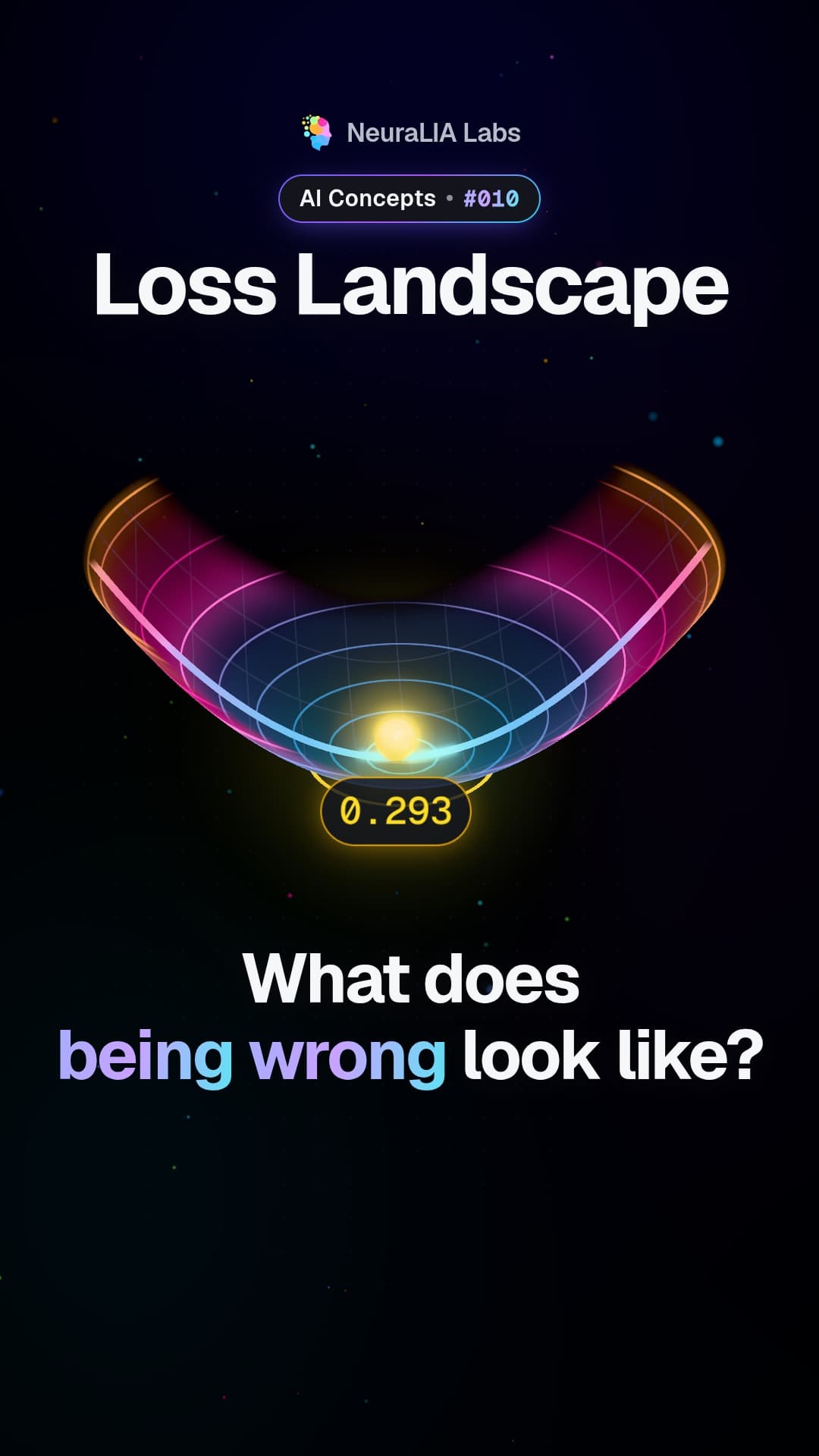 #010
#010Loss landscape: training an AI means finding the bottom of a valley
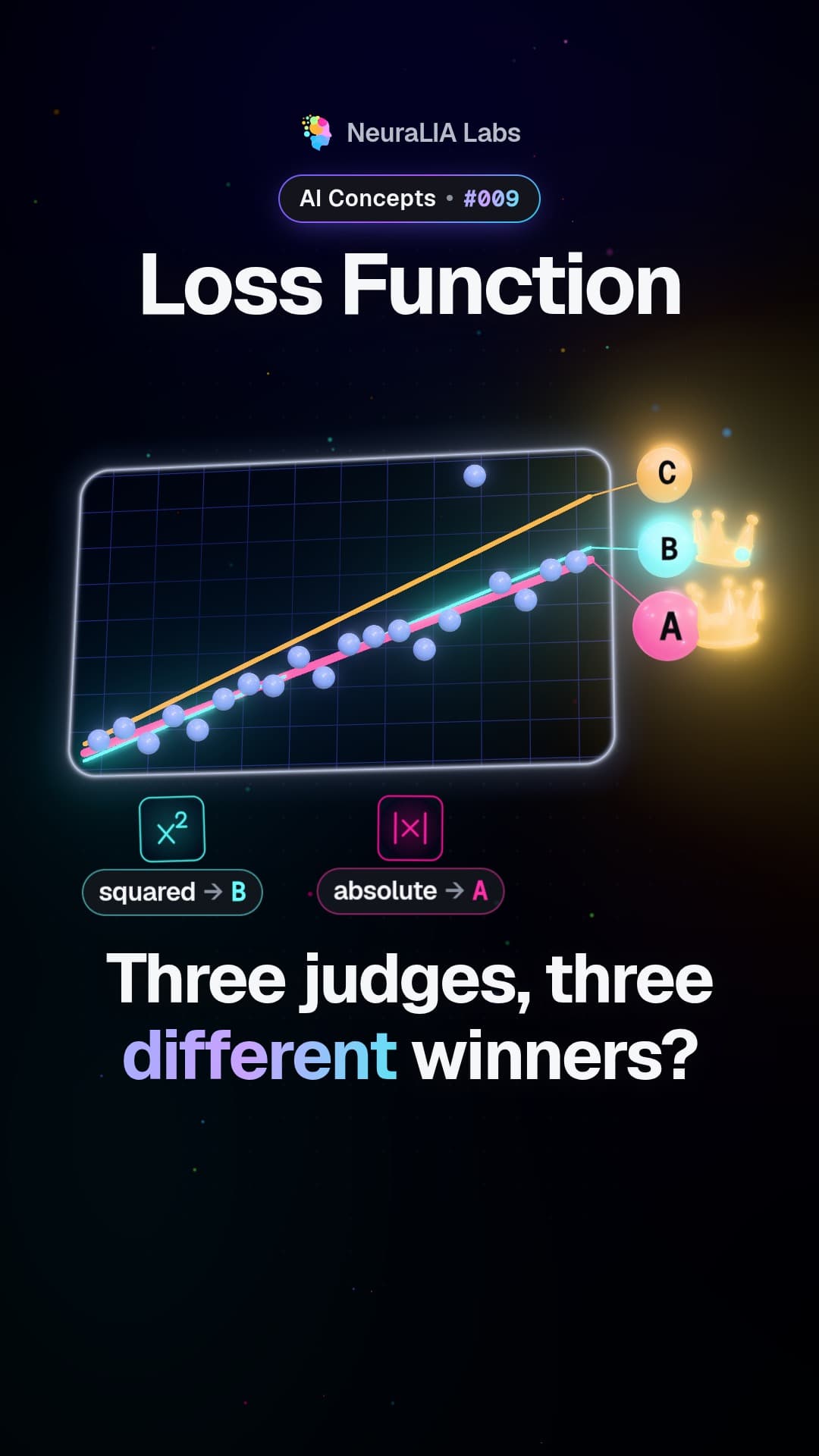 #009
#009Loss function: the scoring rule that decides which answer wins
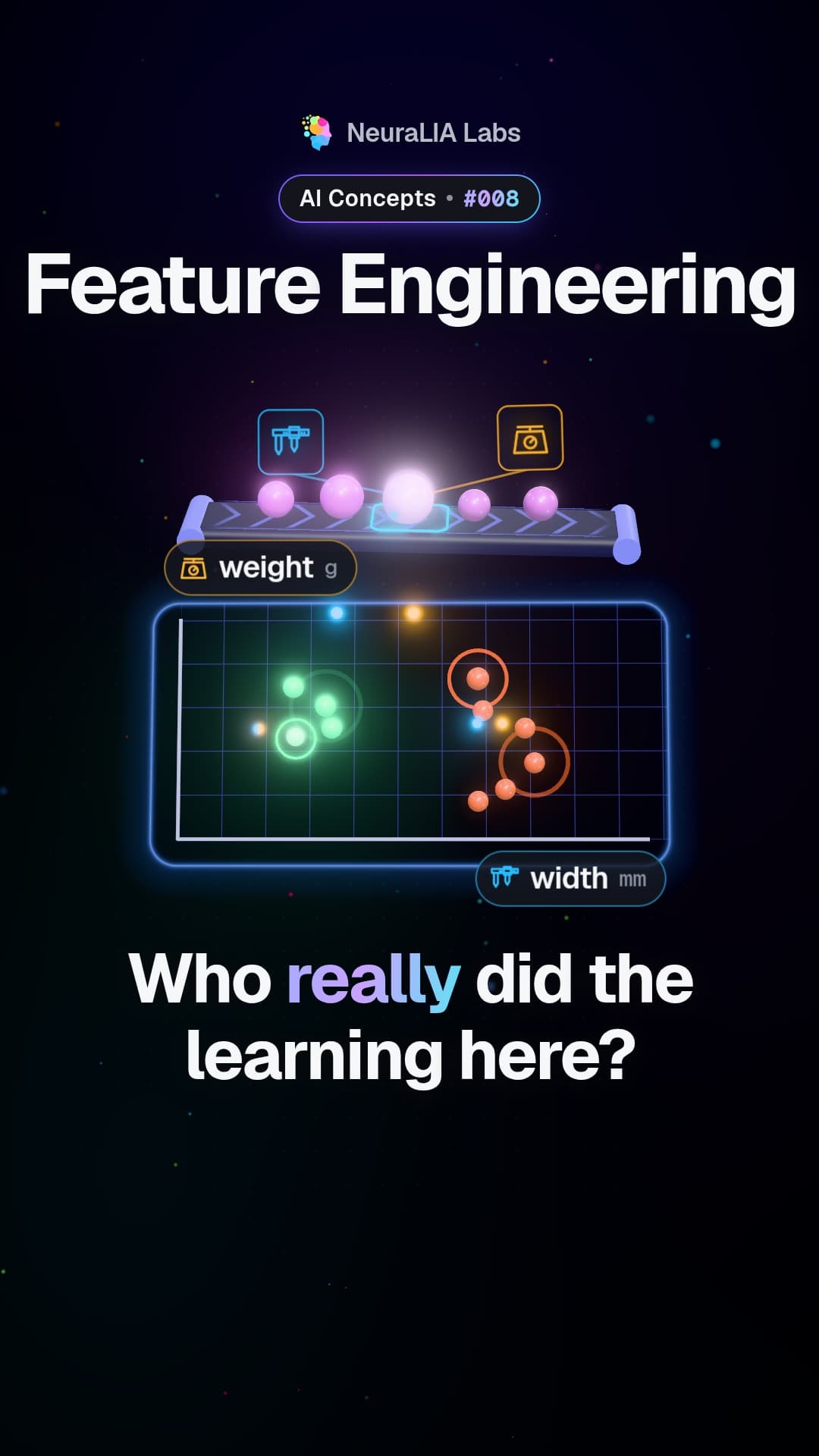 #008
#008Feature engineering: the human choice that can beat the algorithm
Podle kapitoly kurzu
- 1Perceptron od nuly: co počítá neuron10 videí
- 2Odkud se bere ztrátová funkce: z věrohodnosti, ne z konvence12 videí
- 3Z kopce dolů: Gradient Descent a dva kroky, které všichni přeskakují12 videí
- 4Klasifikace, křížová entropie a jak neobelhat sami sebe
- 5Backpropagation od nuly: nejdřív engine, potom síť1 video
- 6Jak síť přimět trénovat a generalizovat
- 7Sestavte BPE tokenizér: proč váš model neumí spočítat R1 video
- 8Next-token prediction: embedding a co znamená perplexity1 video
- 9Attention a Transformer block odvozené z průměru
- 10Pretrénování LLM: data, výpočty, škálovací zákony a náklady
- 11Od základního modelu k asistentovi: SFT, RLHF, DPO a GRPO
- 12Chain of Thought, RLVR a Test-Time Compute v číslech
- 13Jak zlevnit inference: KV Cache, batching a kvantizace
- 14Váš první produkční LLM call: streaming, retry a timeouty
- 15Prompt engineering v číslech: co mění výstup
- 16Context window, tokens a účet — změřeno
- 17Teplota, top-p a determinizmus, který nemáte
- 18Tool Calling a strukturované výstupy: smlouva, která drží
- 19RAG v produkci: chunking, retrieval a poctivé citace
- 20Fine-tuning, retrieval, nebo prompt? Rozhoduje ekonomika
- 21Multimodální ceny: za co se u obrázků, audia a videa opravdu účtuje
- 22Co je AI agent: pět klasických typů a dvě soupeřící definice
- 23Vytvořte agent harness: smyčka a jejích pět cest ven
- 24Context engineering: proč je váš agent ve 40. kole hloupější
- 25Orchestrace multi-agentů: pět vzorců a kdy jeden vítězí
- 26MCP podle specifikace: co server opravdu je
- 27Nasazení MCP serveru: TypeScript a Python pod měřením
- 28Agent Skills a SKILL.md: postupné odhalování, změřeno
- 29Evaluace LLM: od veřejných benchmarků k vaší zlaté sadě
- 30Prompt injection a smrtící trifecta: jak zabezpečit skutečný agent