
 #01
#01Videos
AI explained in short videos
One idea per video, in plain language. Each one links to the chapter of our free course that explains it step by step.
Start here AI 101
- #01
 #02
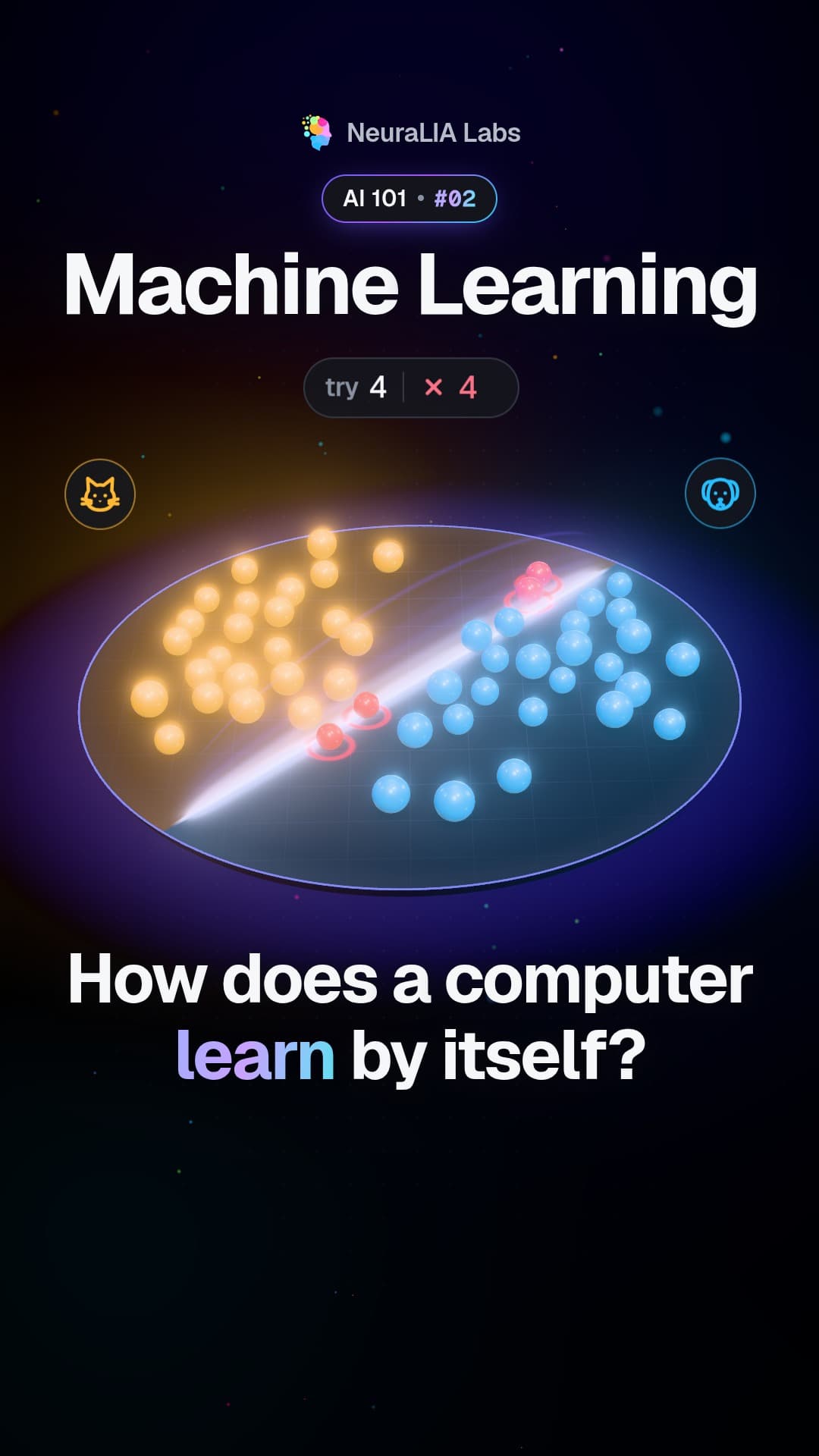
#02Machine learning: how a computer draws its own dividing line
 #03
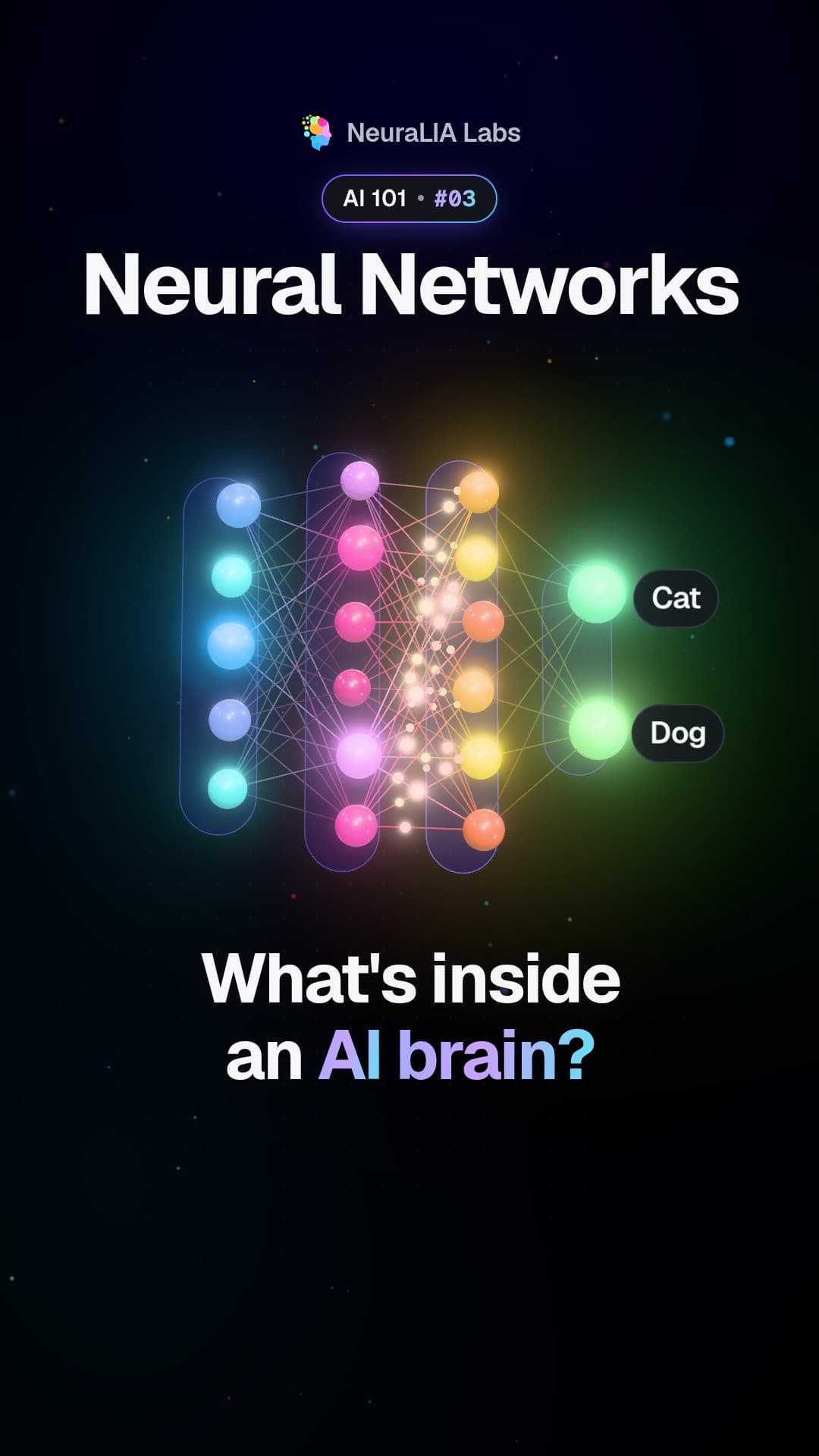
#03Neural networks: layers of tiny calculators passing signals on
 #04
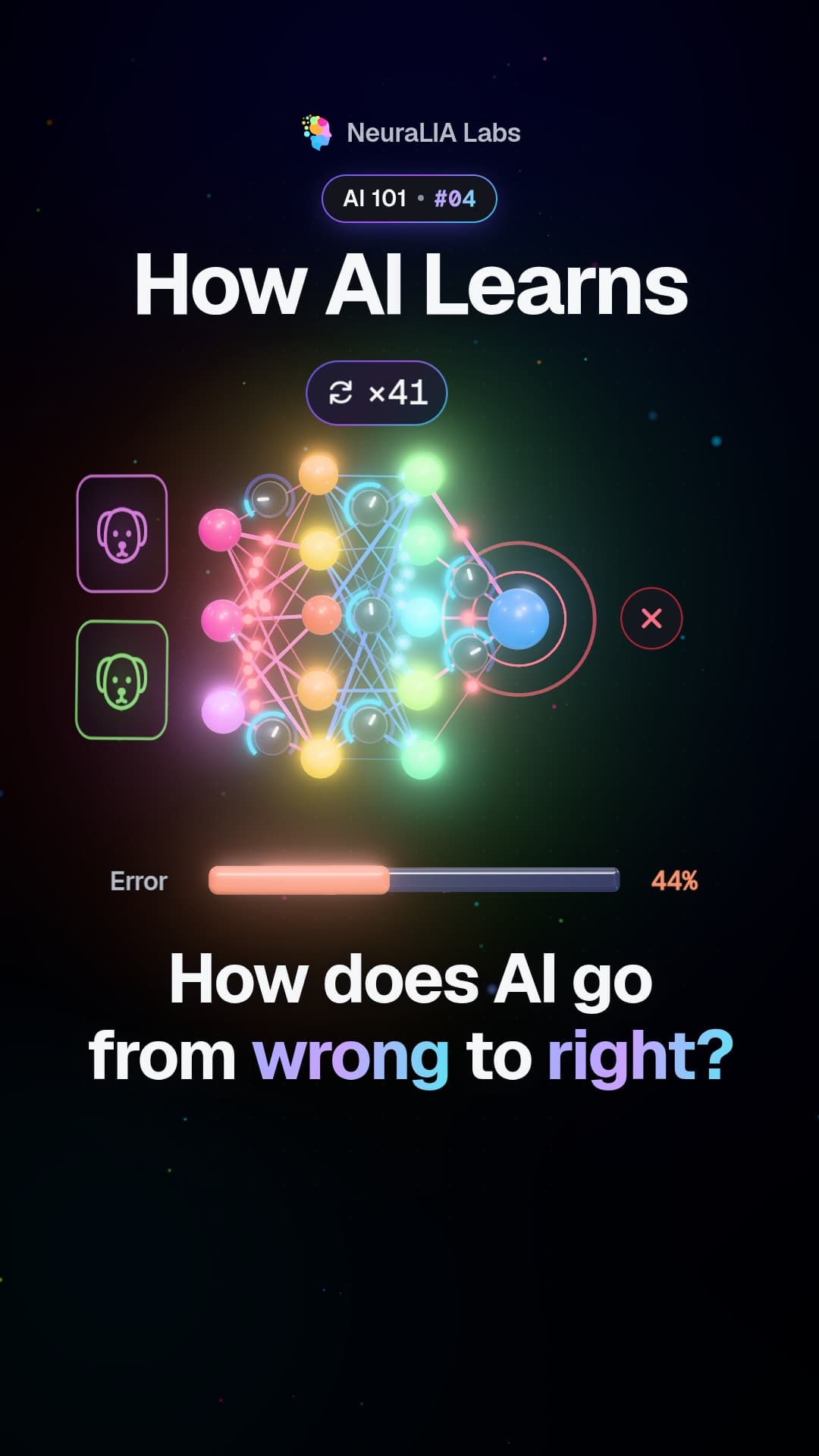
#04How AI learns: guess, measure the error, nudge, repeat
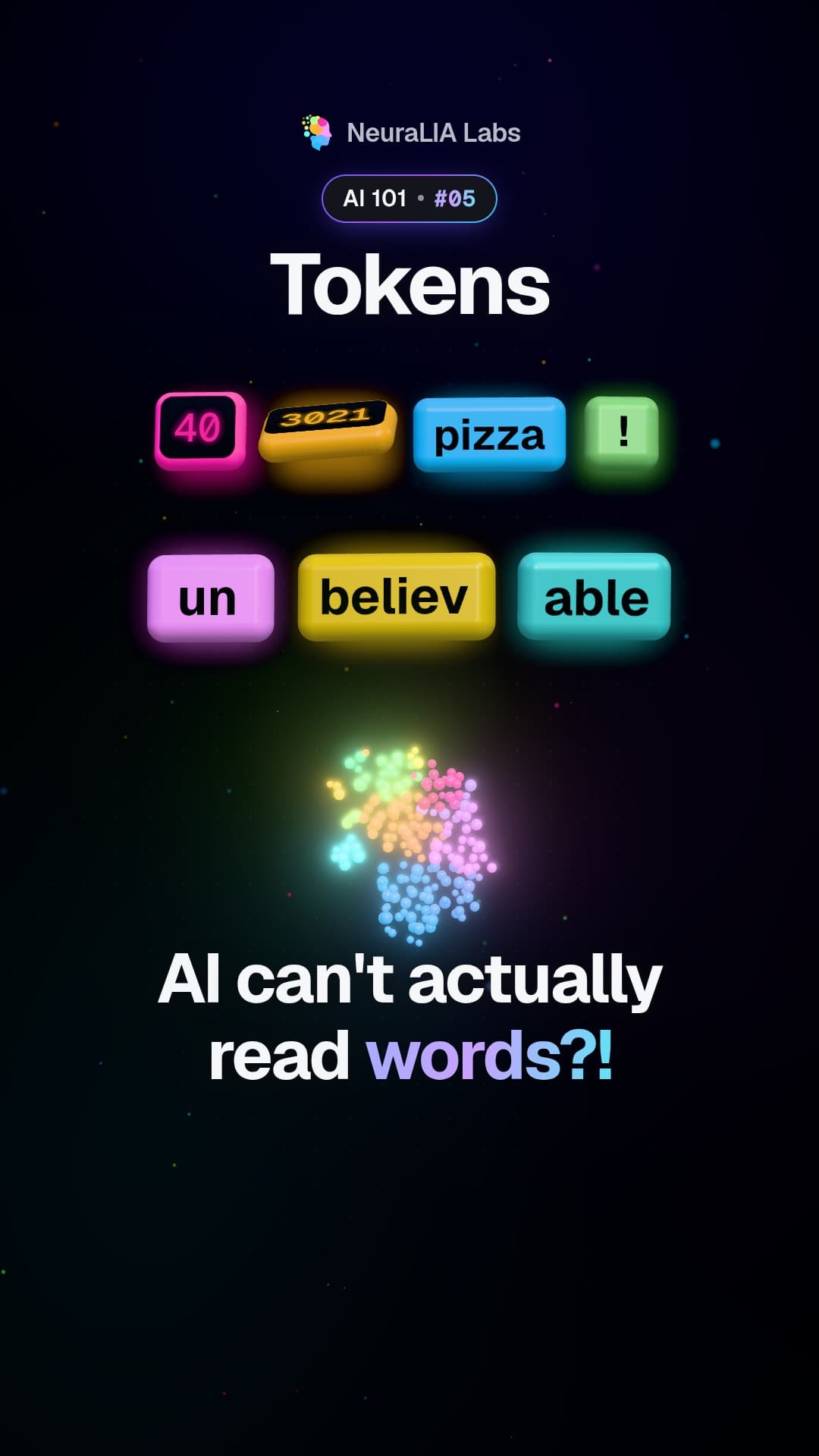 #05
#05Tokens: how AI chops your words into numbered pieces
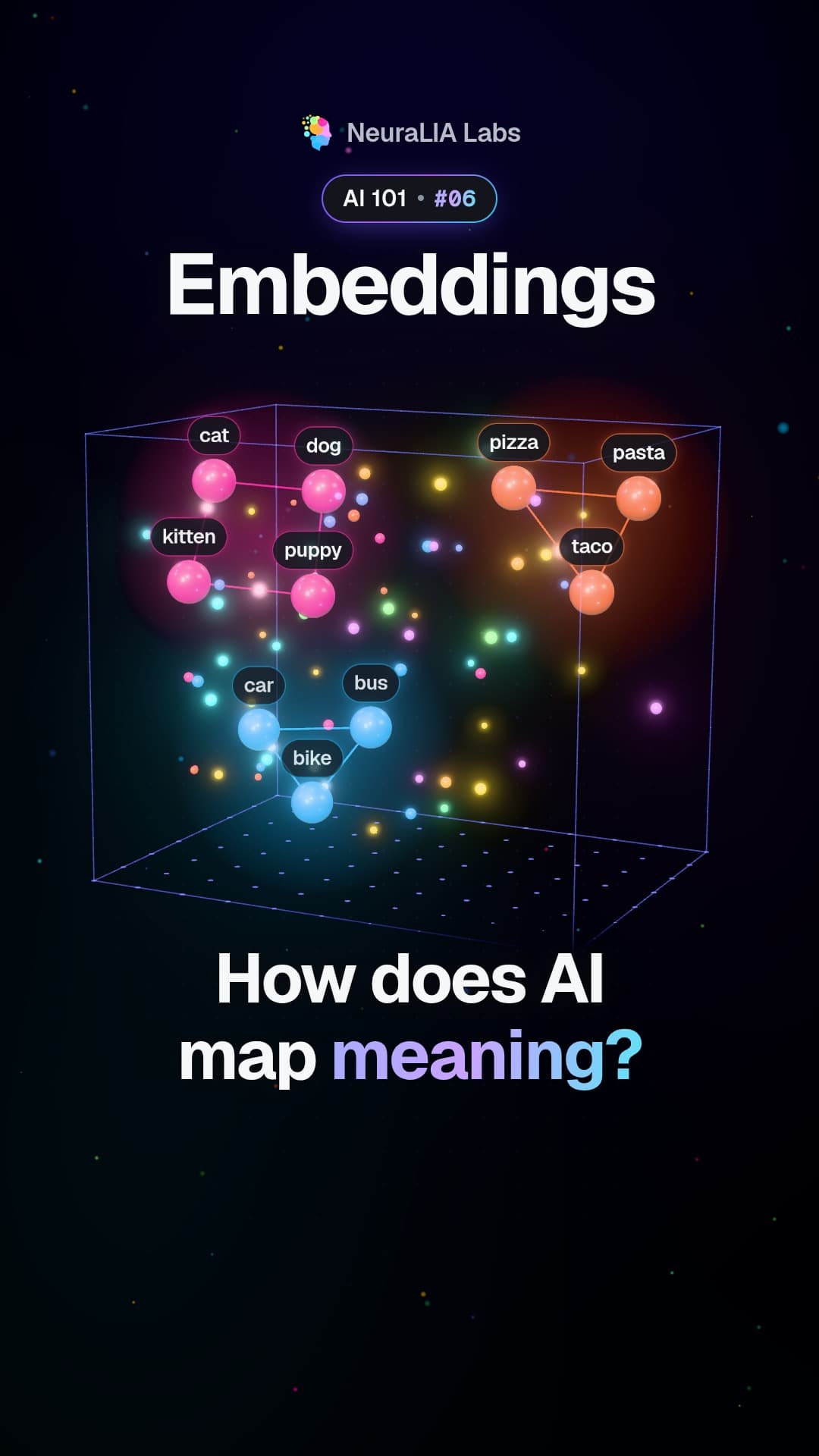 #06
#06Embeddings: why a puppy lands closer to a dog than to a pizza
Latest
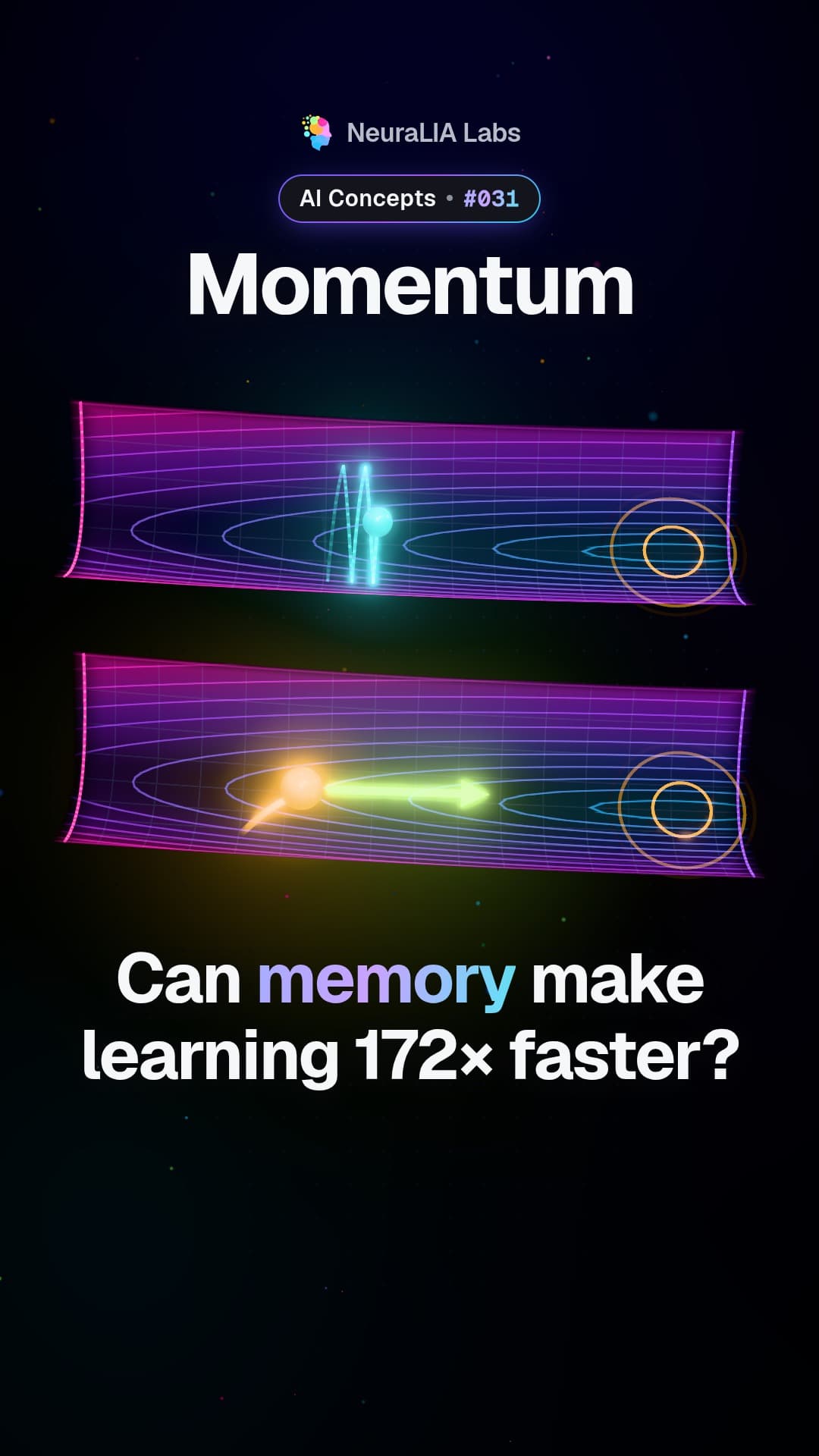 #031
#031Momentum: how remembering past steps stops AI training zigzagging
 #030
#030Mini-batches: why AI learns faster from a random handful of data
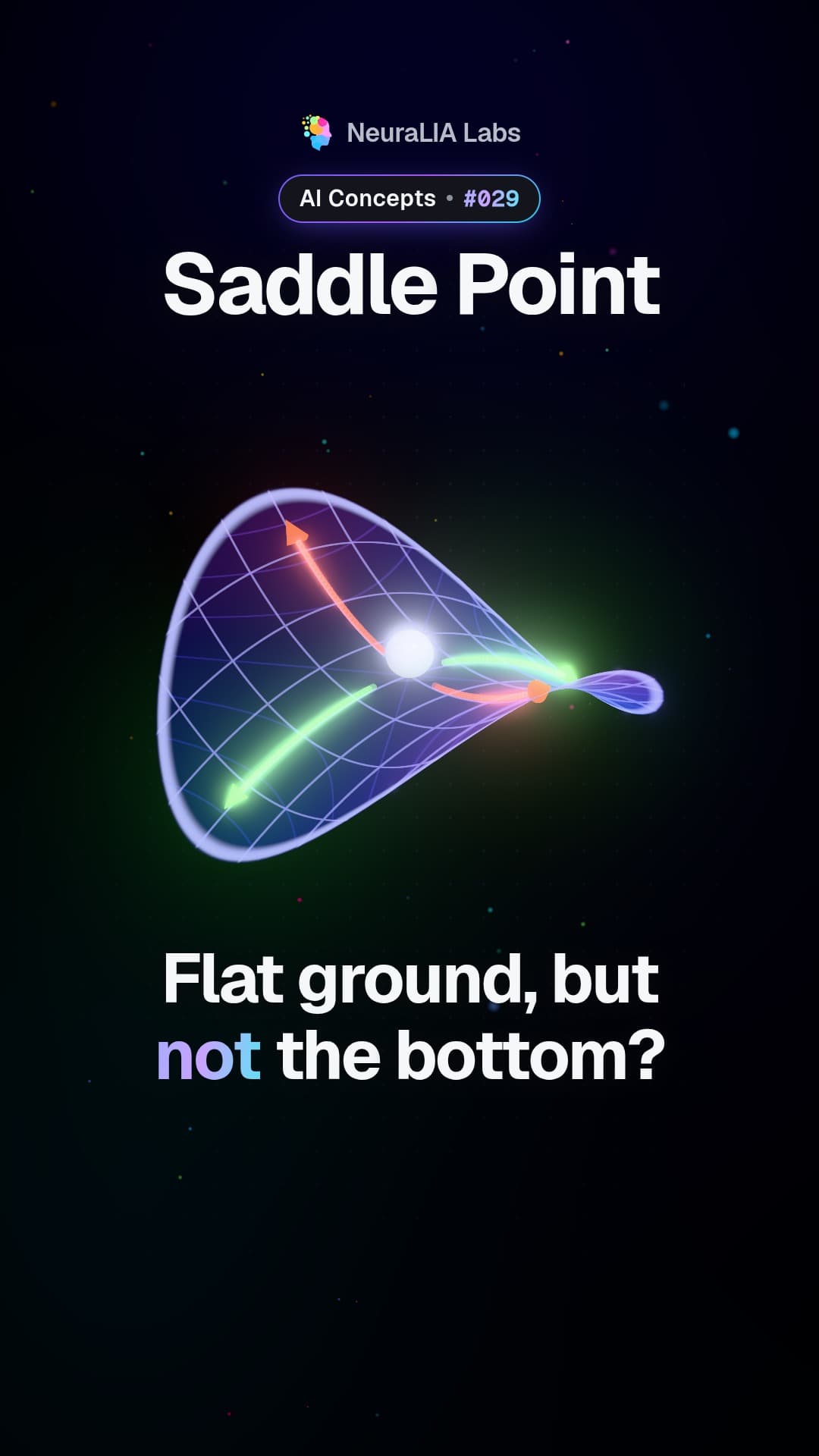 #029
#029Saddle points: where AI training looks stuck but has a way down
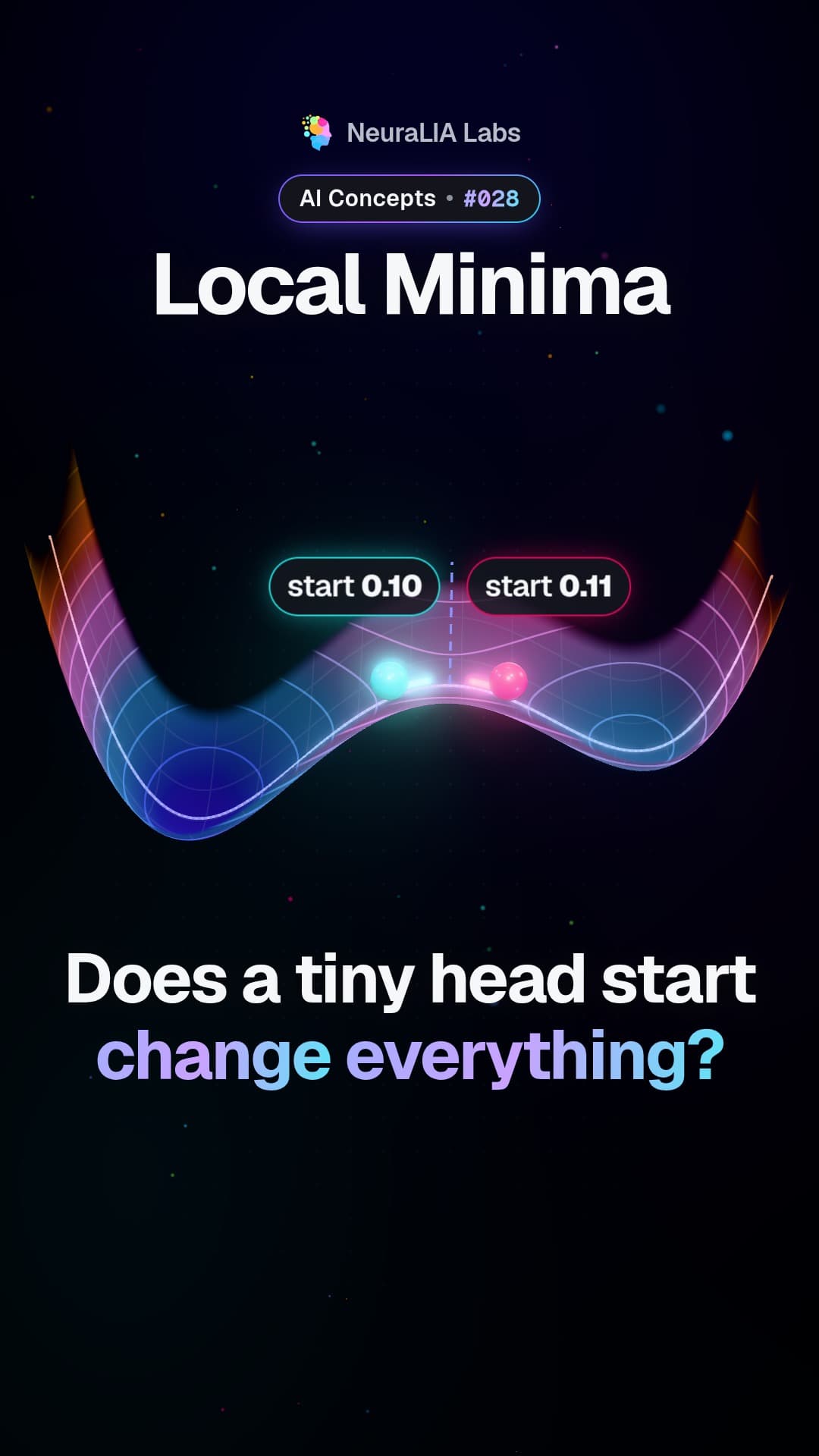 #028
#028Local minima: why AI training can settle for second best
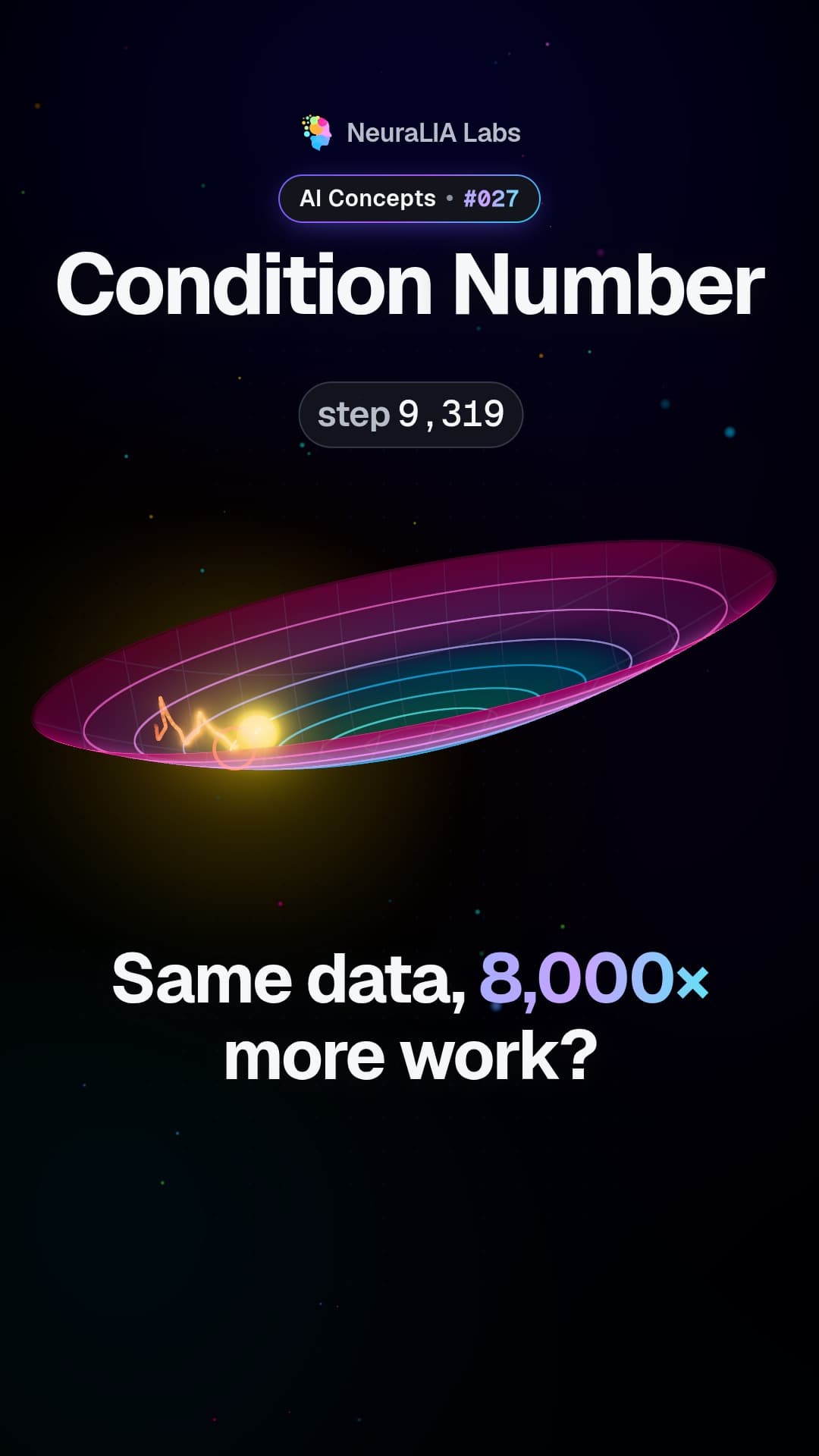 #027
#027Condition number: why a stretched valley makes AI training crawl
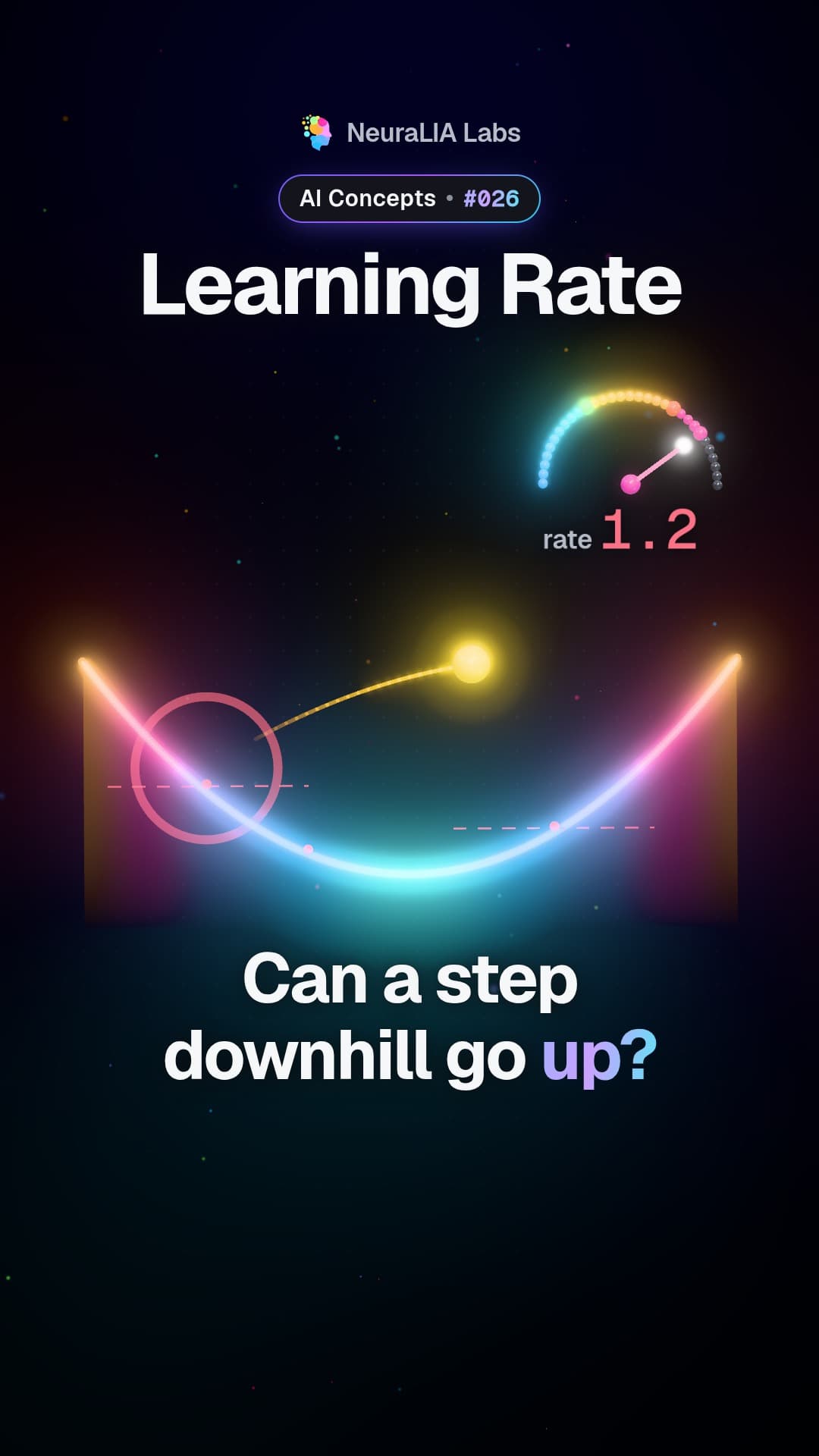 #026
#026Learning rate: the step size with a ceiling you can calculate
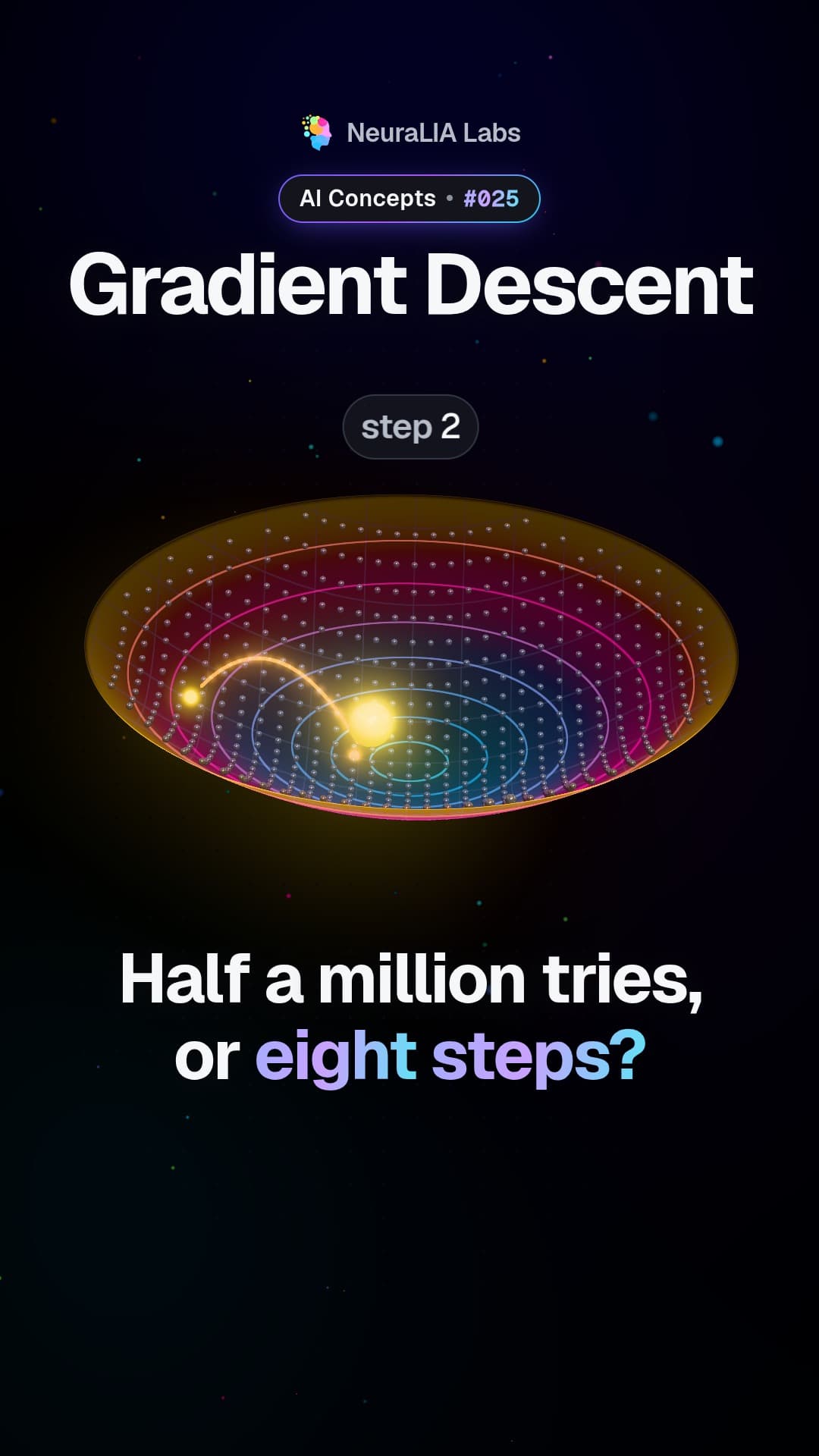 #025
#025Gradient descent: how AI finds its way downhill in small steps
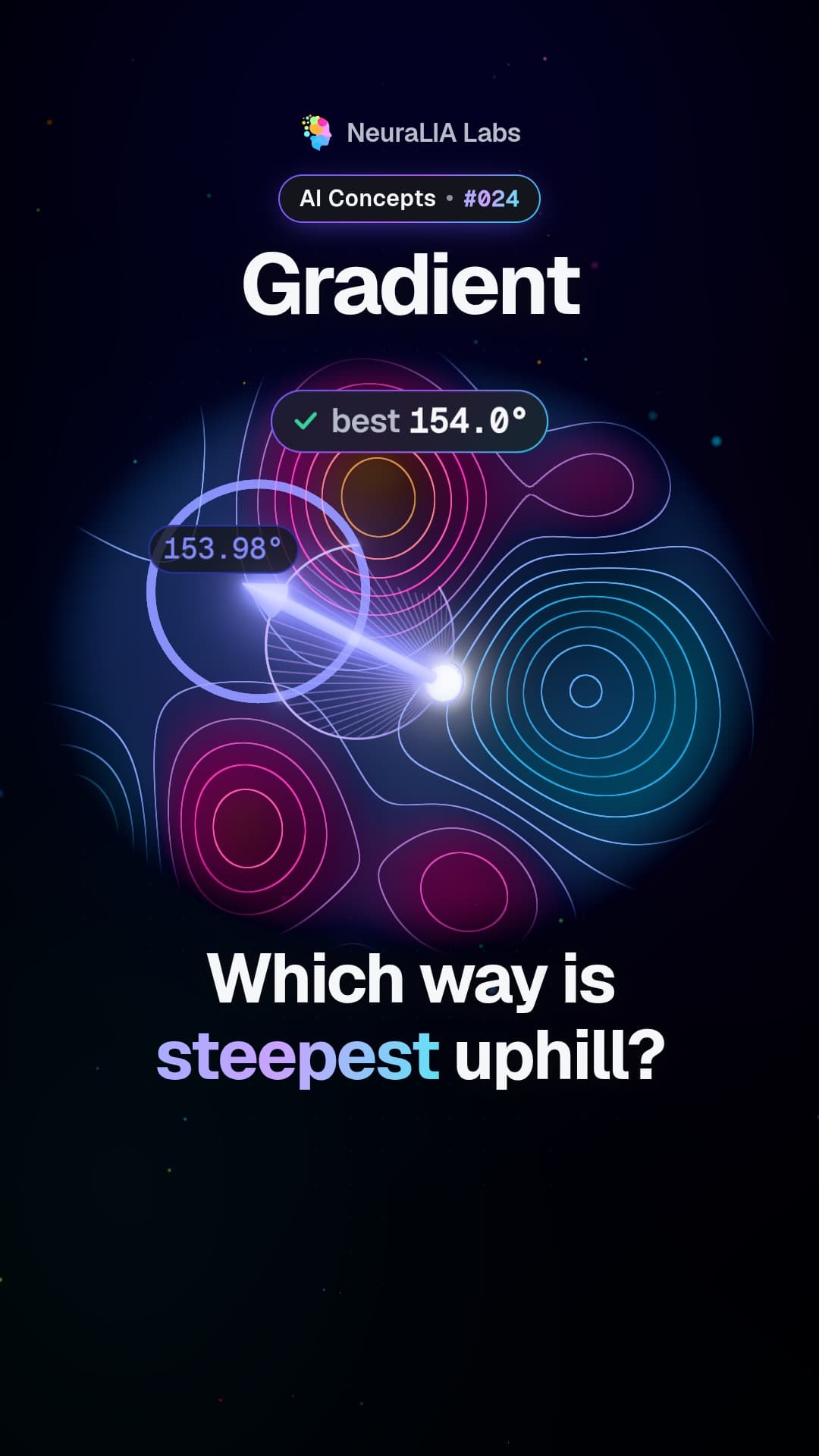 #024
#024Gradient: the arrow that points uphill, and why AI walks the other way
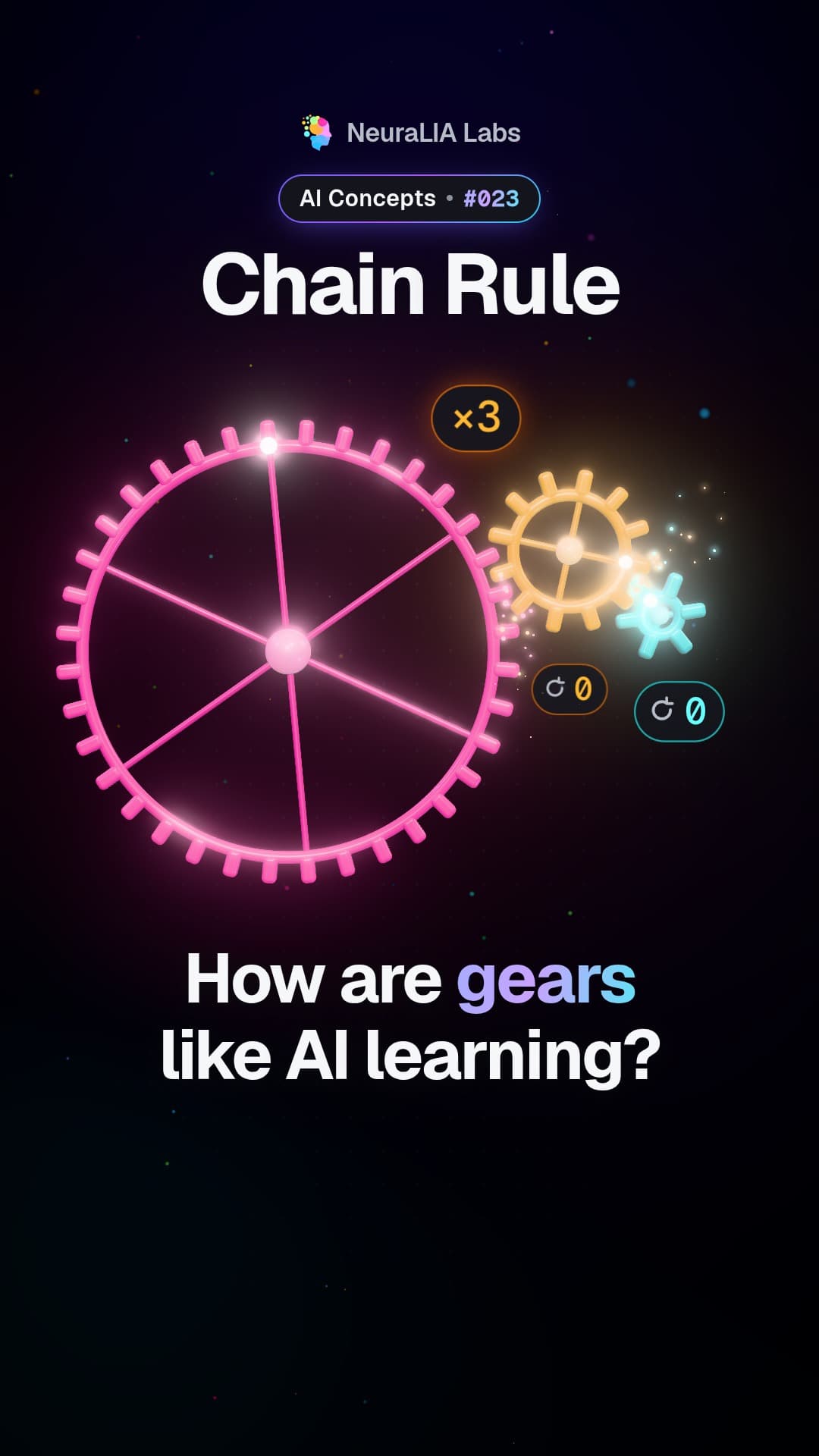 #023
#023Chain rule: how AI traces the effect of every layer
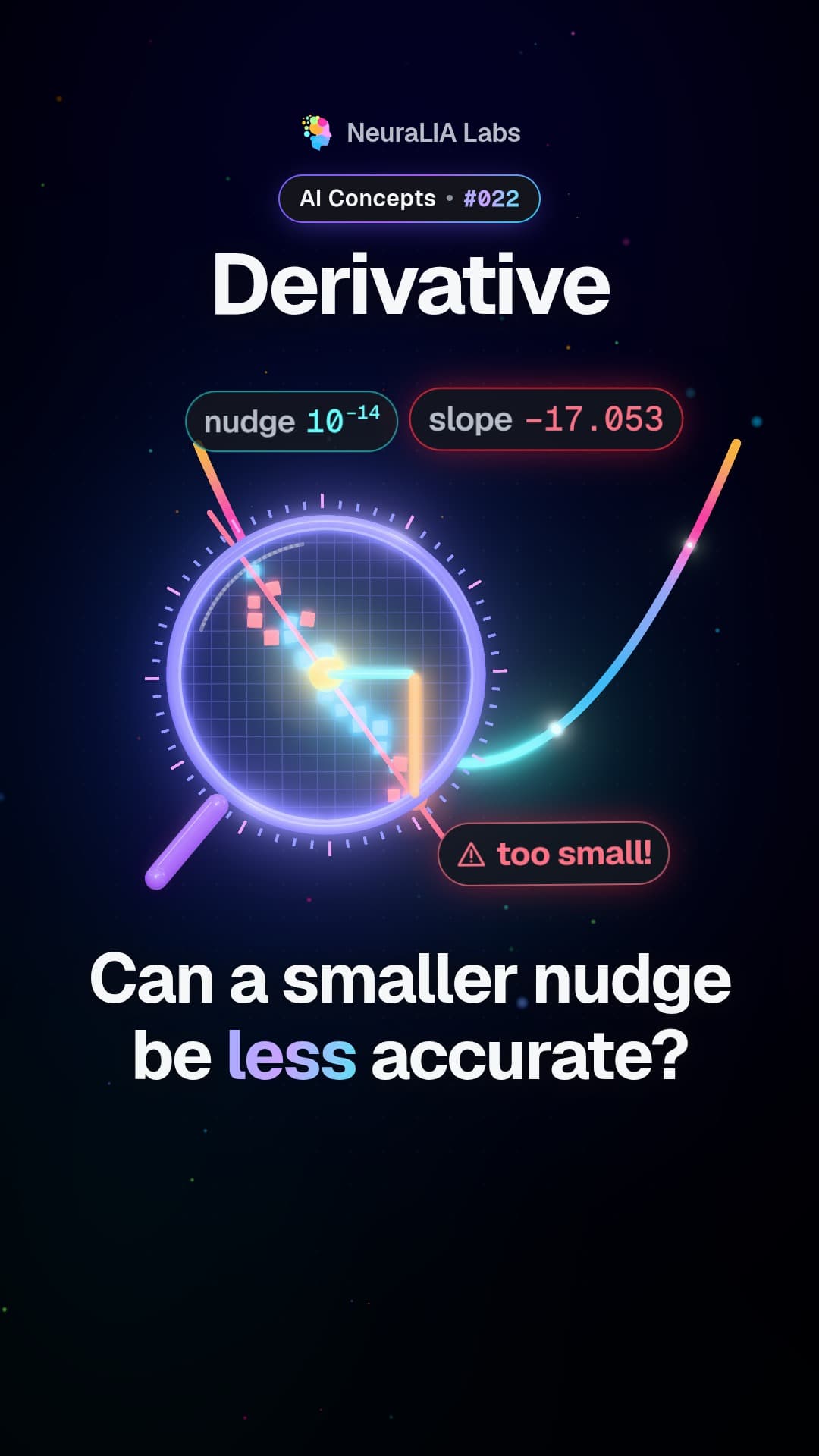 #022
#022Derivative: how much the result moves when you nudge one input
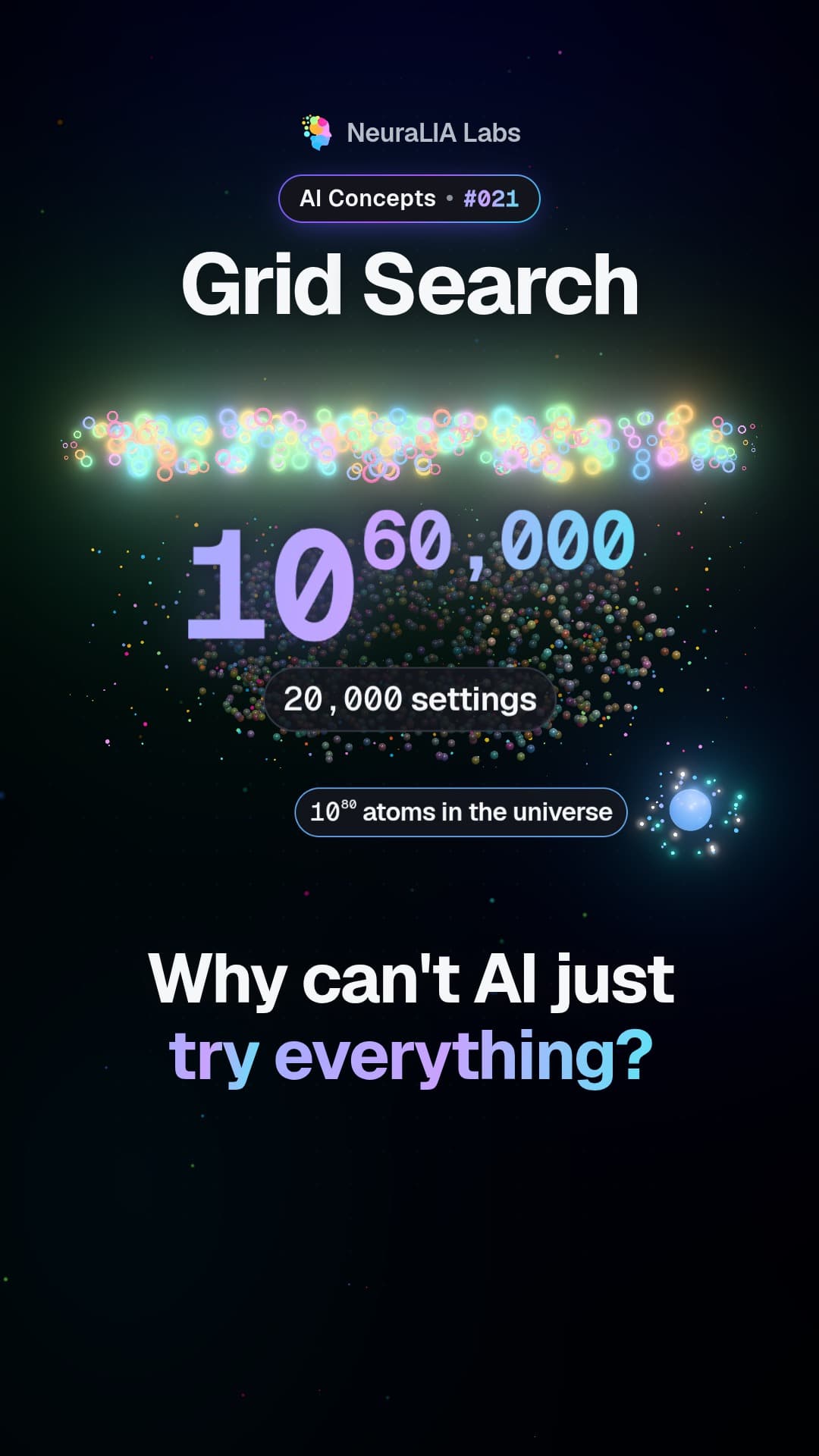 #021
#021Grid search: why you cannot train an AI by trying every setting
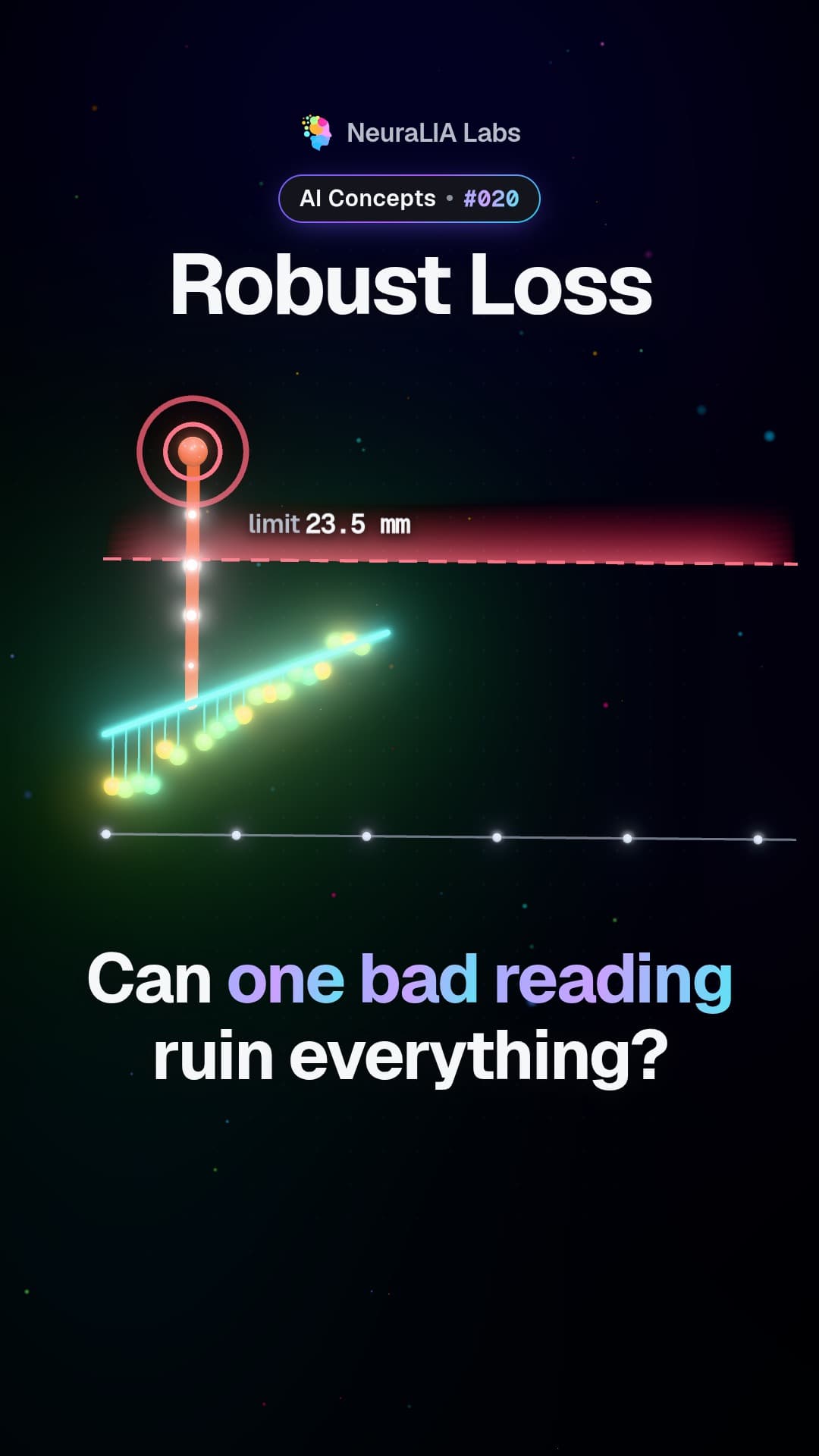 #020
#020Robust loss: stop one wild reading from wrecking your forecast
 #019
#019Heavy tails: when rare, huge errors break the usual average
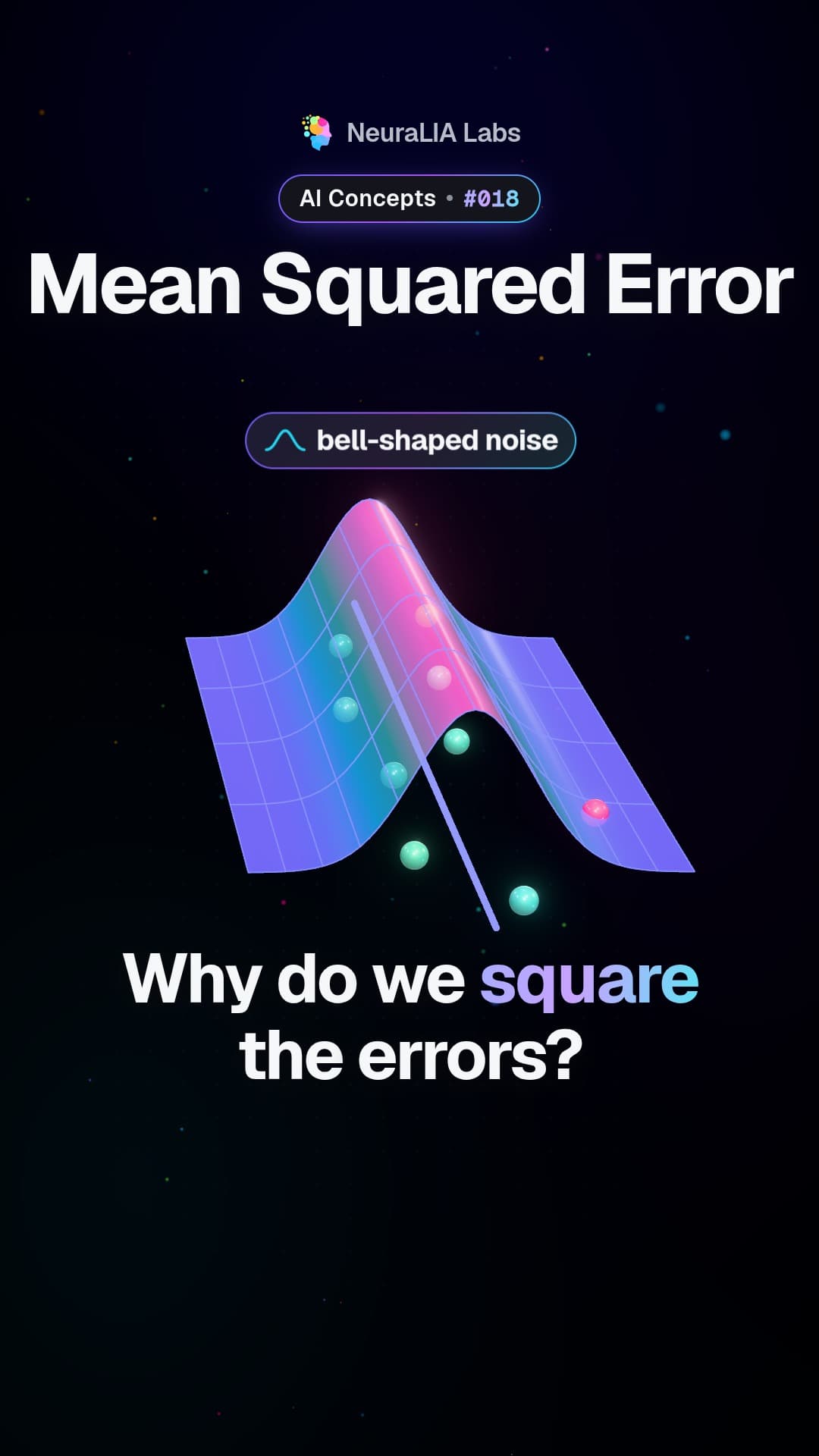 #018
#018Mean squared error: the hidden bet behind squaring your mistakes
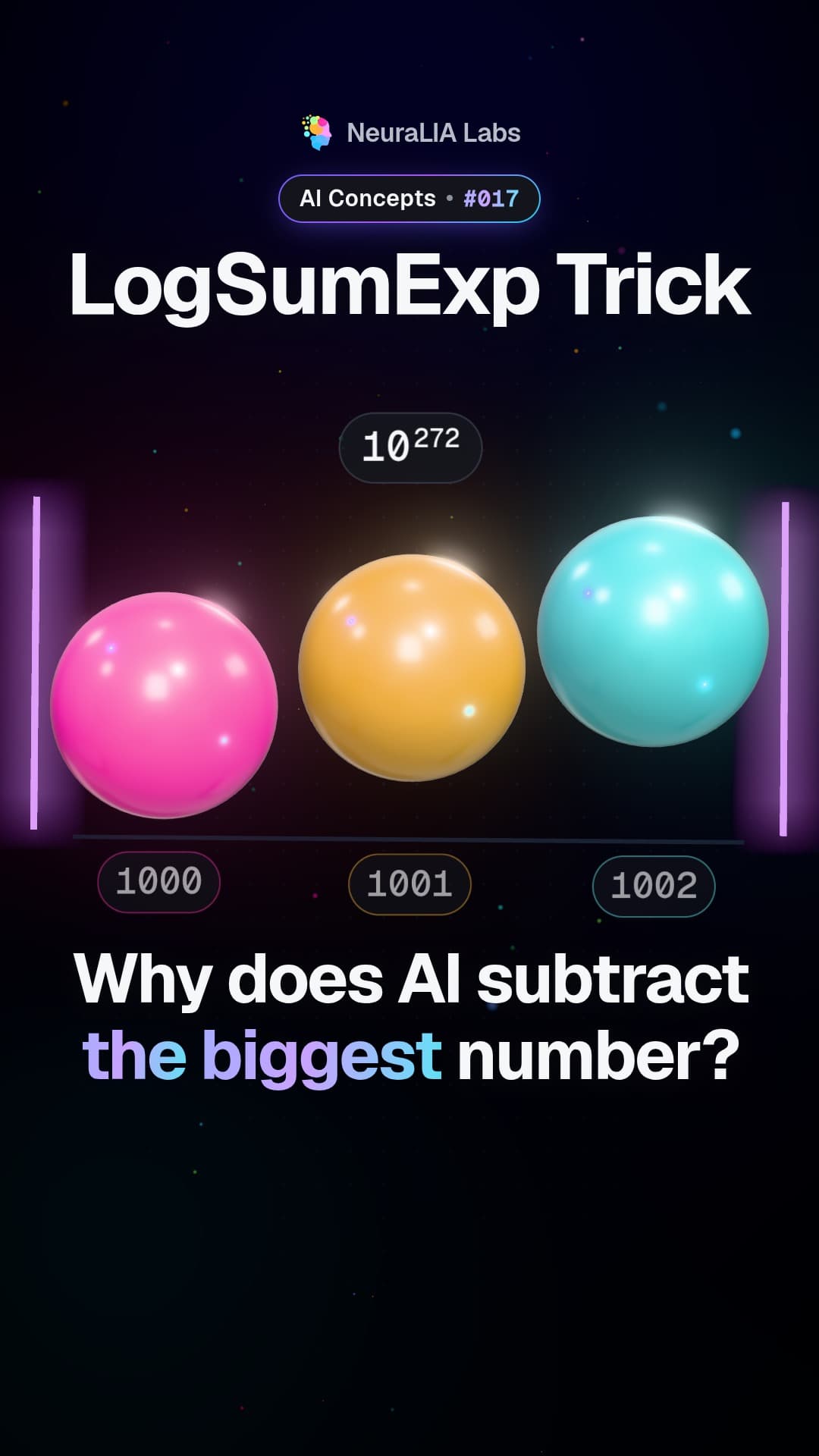 #017
#017The LogSumExp trick: one subtraction that stops AI math overflowing
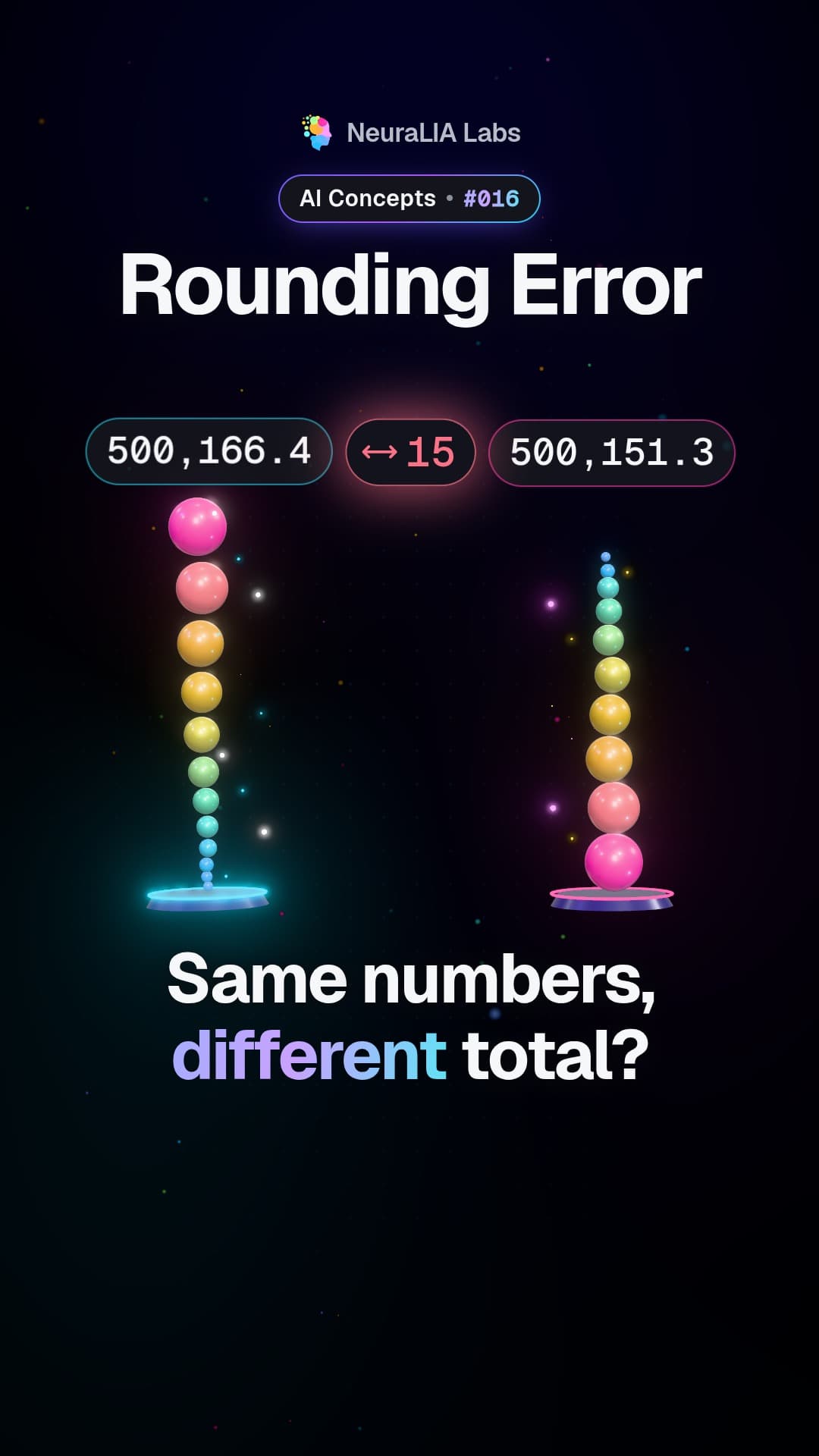 #016
#016Rounding error: why adding the same numbers can give two answers
 #015
#015Floating-point numbers: why your computer cannot hold every number
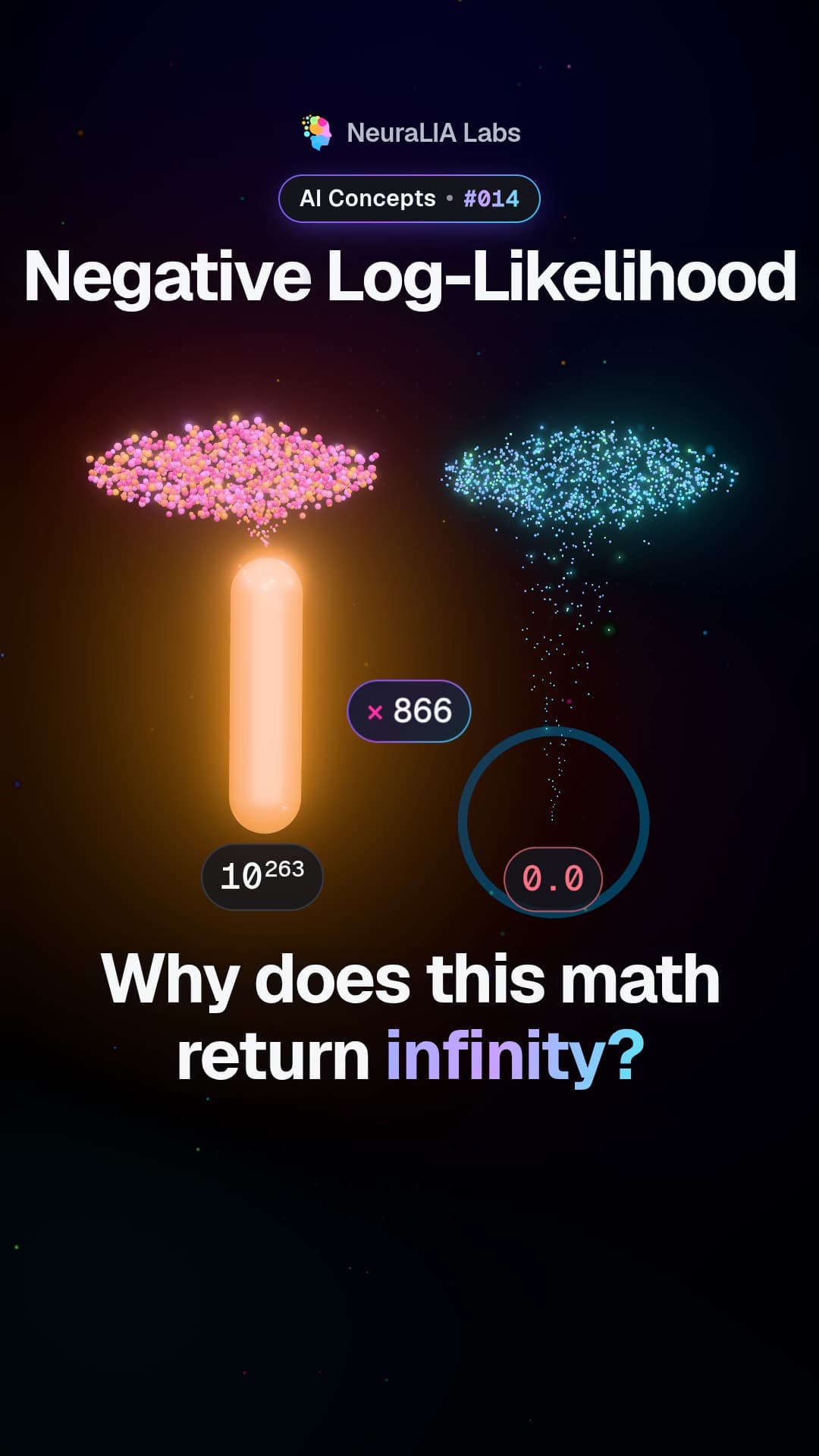 #014
#014Negative log-likelihood: turning a fragile product into a calm sum
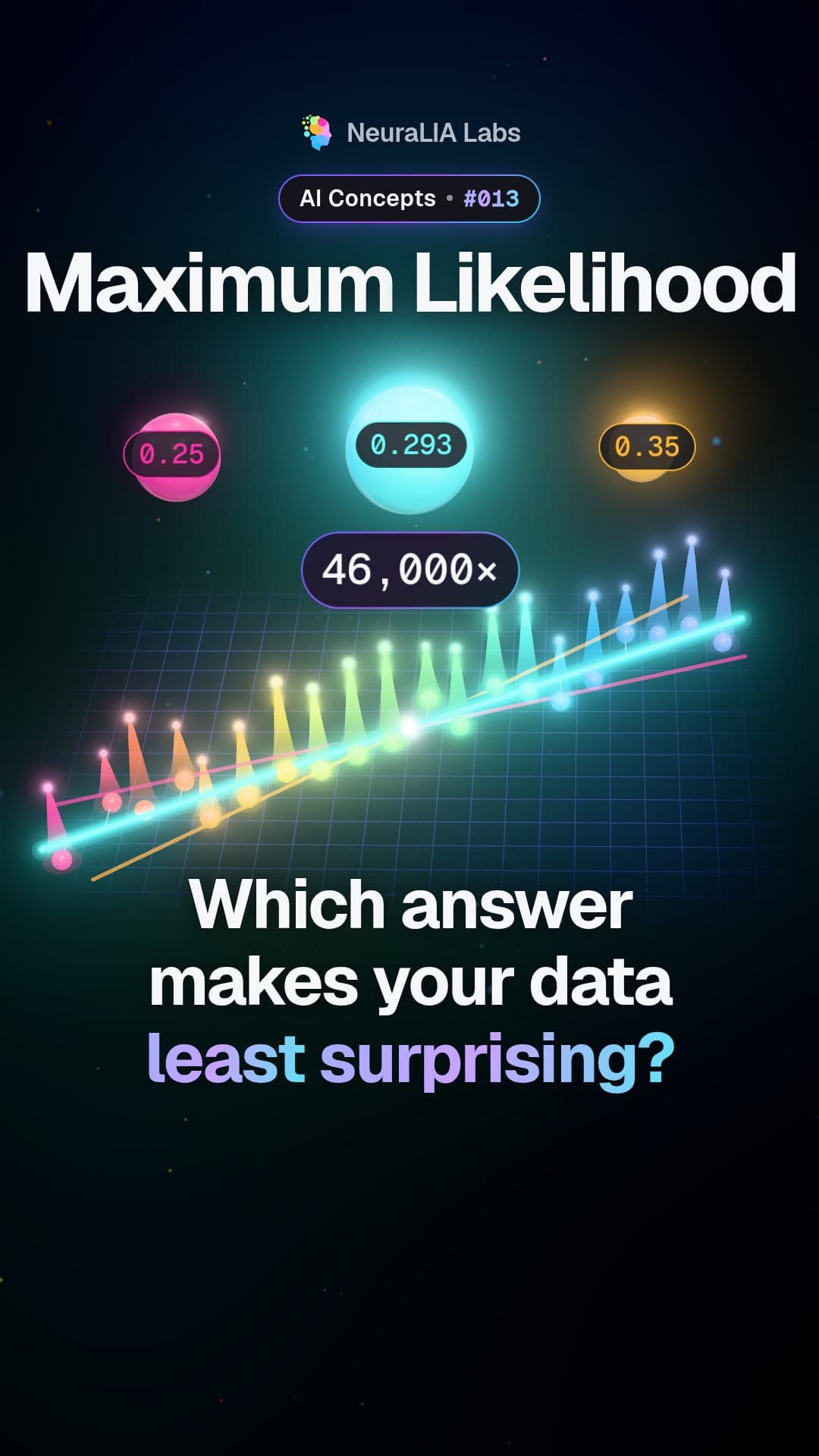 #013
#013Maximum likelihood: the answer that makes your data least surprising
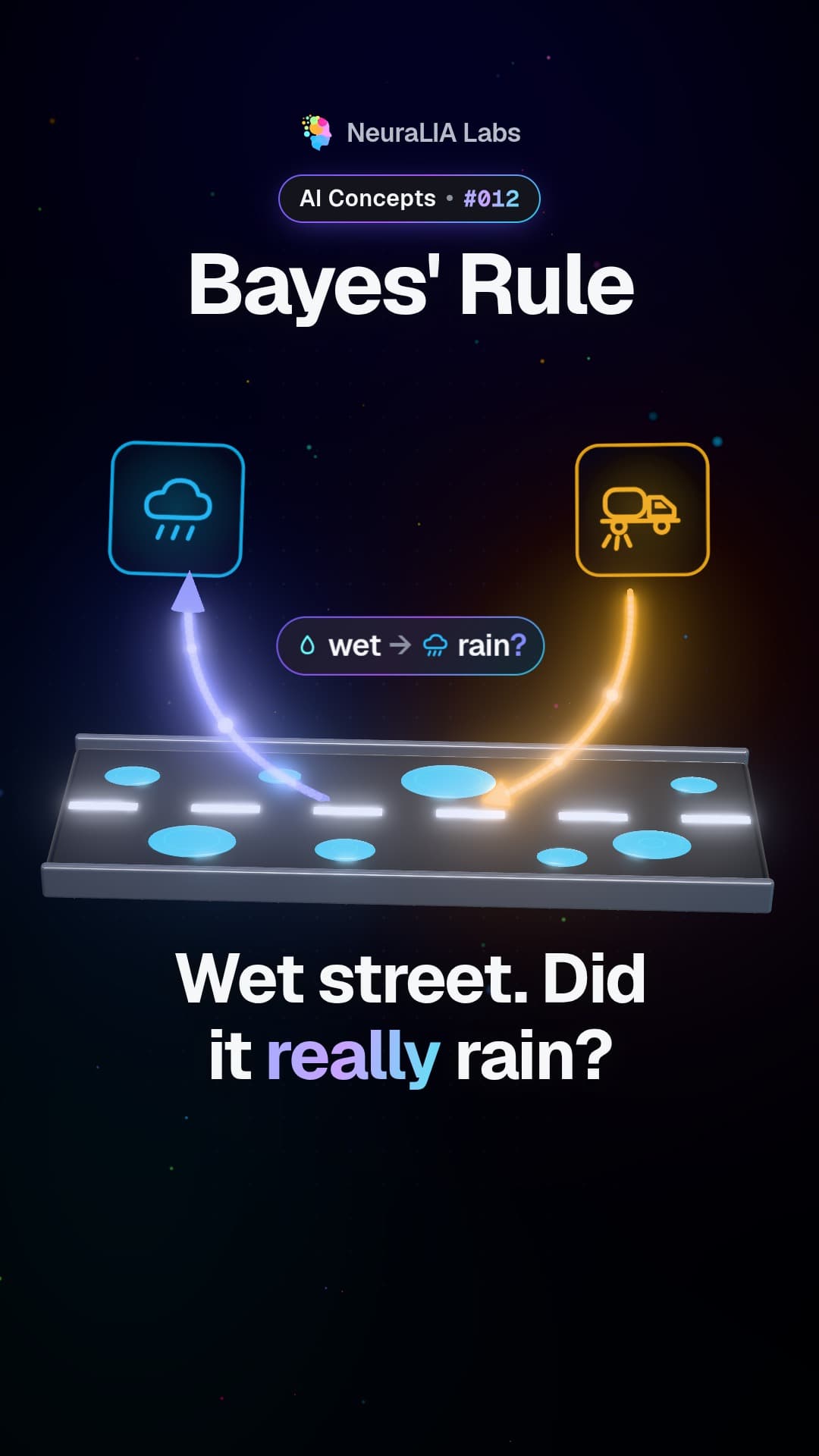 #012
#012Bayes' rule: reasoning backwards from a clue to its most likely cause
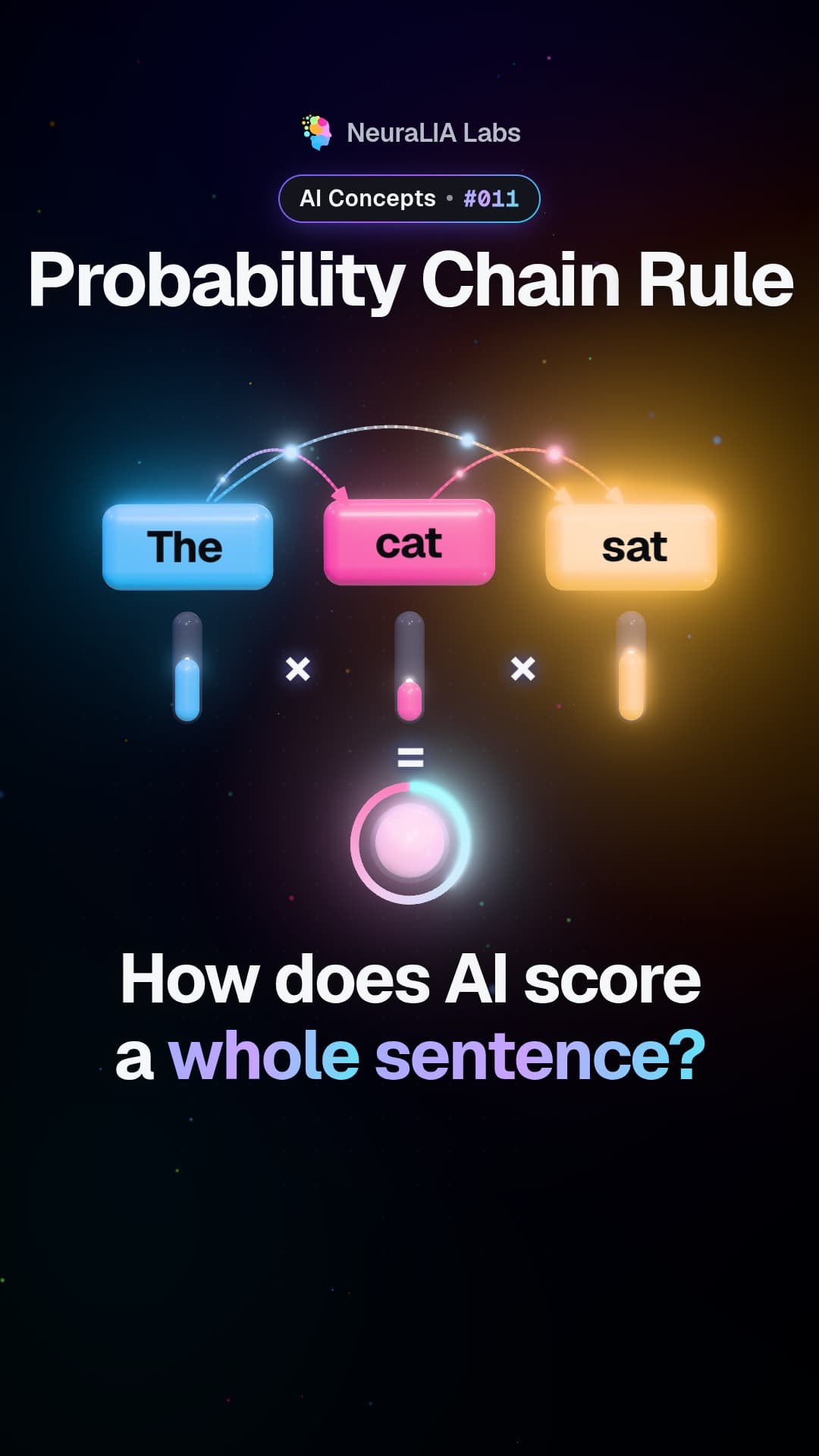 #011
#011Chain rule of probability: how AI scores a sentence word by word
 #010
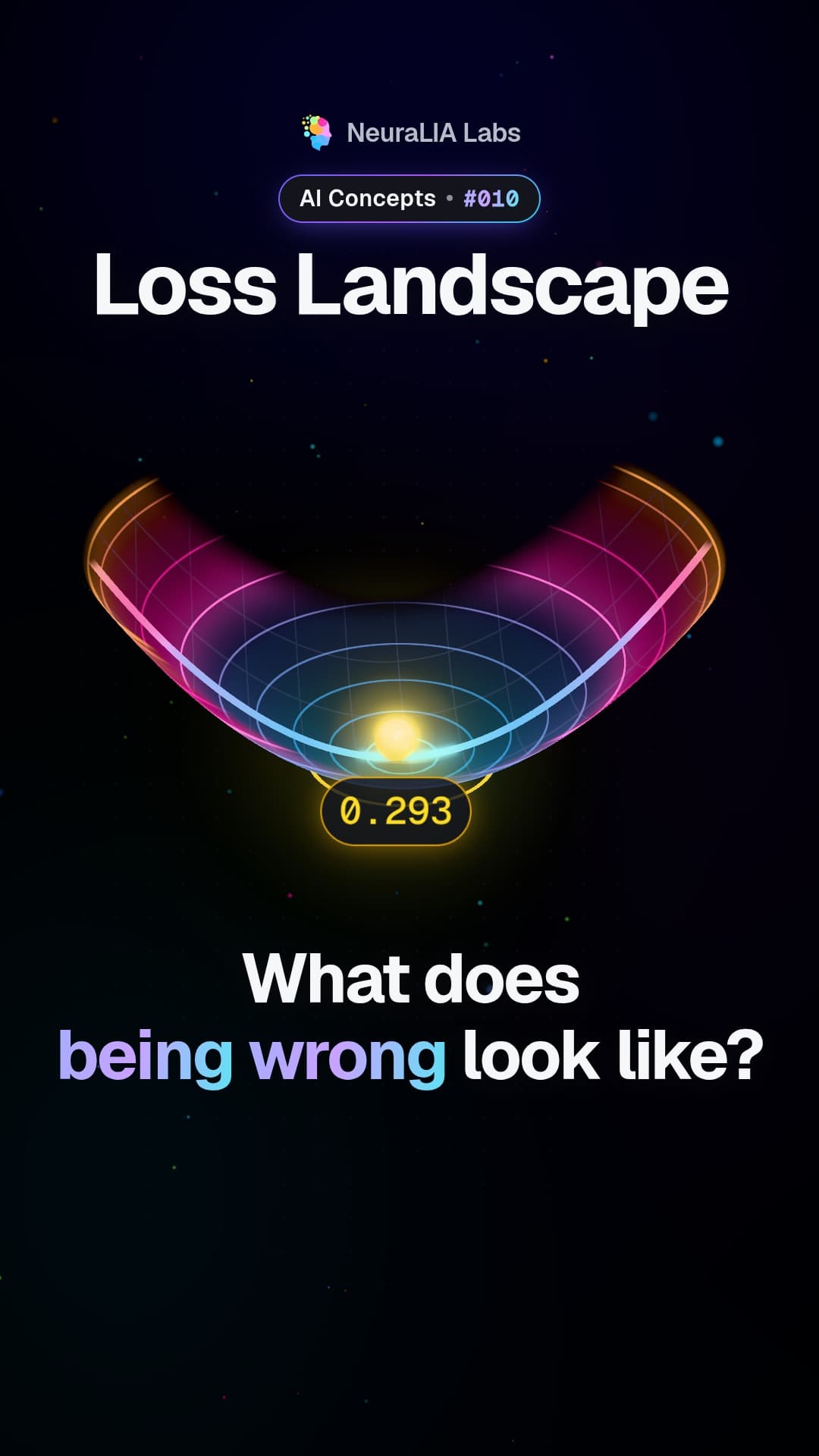
#010Loss landscape: training an AI means finding the bottom of a valley
 #009
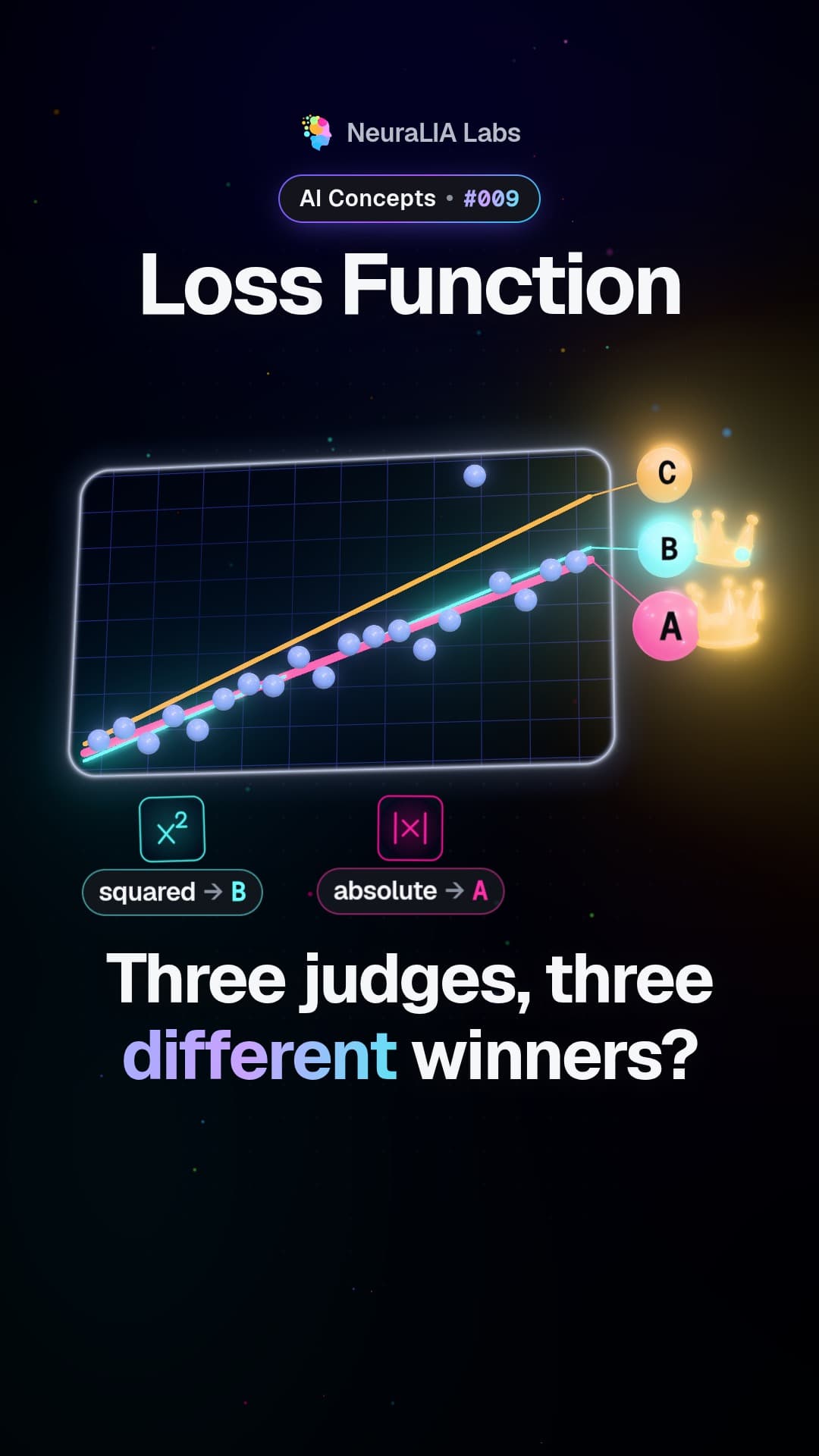
#009Loss function: the scoring rule that decides which answer wins
 #008
#008Feature engineering: the human choice that can beat the algorithm
By course chapter
- 1The Perceptron From Scratch: What a Neuron Computes10 videos
- 2Where a Loss Function Comes From: Likelihood, Not Convention12 videos
- 3Downhill: Gradient Descent, and the Two Steps Everyone Skips12 videos
- 4Classification, Cross-Entropy, and How Not to Fool Yourself
- 5Backpropagation From Scratch: The Engine, Then the Network1 video
- 6Getting It to Train, and Getting It to Generalise
- 7Build a BPE Tokenizer: Why Your Model Can't Count the R's1 video
- 8Next-Token Prediction: Embeddings, and What Perplexity Means1 video
- 9Attention and the Transformer Block, Derived From an Average
- 10Pretraining an LLM: Data, Compute, Scaling Laws and Cost
- 11From Base Model to Assistant: SFT, RLHF, DPO and GRPO
- 12Chain of Thought, RLVR and Test-Time Compute, Measured
- 13Making Inference Cheap: KV Cache, Batching and Quantization
- 14Your First Production LLM Call: Streaming, Retries, Timeouts
- 15Prompt Engineering, Measured: What Changes the Output
- 16The Context Window, Tokens and the Bill, Measured
- 17Temperature, Top-p and the Determinism You Do Not Have
- 18Tool Calling and Structured Outputs: The Contract That Holds
- 19RAG in Production: Chunking, Retrieval and Honest Citations
- 20Fine-Tune, Retrieve or Prompt? The Decision Is Economic
- 21Multimodal Pricing: What Images, Audio and Video Really Bill
- 22What an AI Agent Is: Five Classic Types, Two Rival Definitions
- 23Build an Agent Harness: The Loop and Its Five Ways Out
- 24Context Engineering: Why Your Agent Gets Dumber at Turn 40
- 25Multi-Agent Orchestration: Five Patterns, and When One Wins
- 26MCP Explained Against the Spec: What a Server Really Is
- 27Ship an MCP Server: TypeScript and Python, Measured
- 28Agent Skills and SKILL.md: Progressive Disclosure, Measured
- 29LLM Evaluation: From Public Benchmarks to Your Golden Set
- 30Prompt Injection and the Lethal Trifecta: Securing a Real Agent