
 #01
#01วิดีโอ
AI อธิบายด้วยวิดีโอสั้น
หนึ่งแนวคิดต่อหนึ่งวิดีโอ อธิบายด้วยภาษาง่าย ๆ แต่ละวิดีโอลิงก์ไปยังบทในคอร์สฟรีของเราที่อธิบายทีละขั้นตอน
เริ่มที่นี่ AI 101
- #01
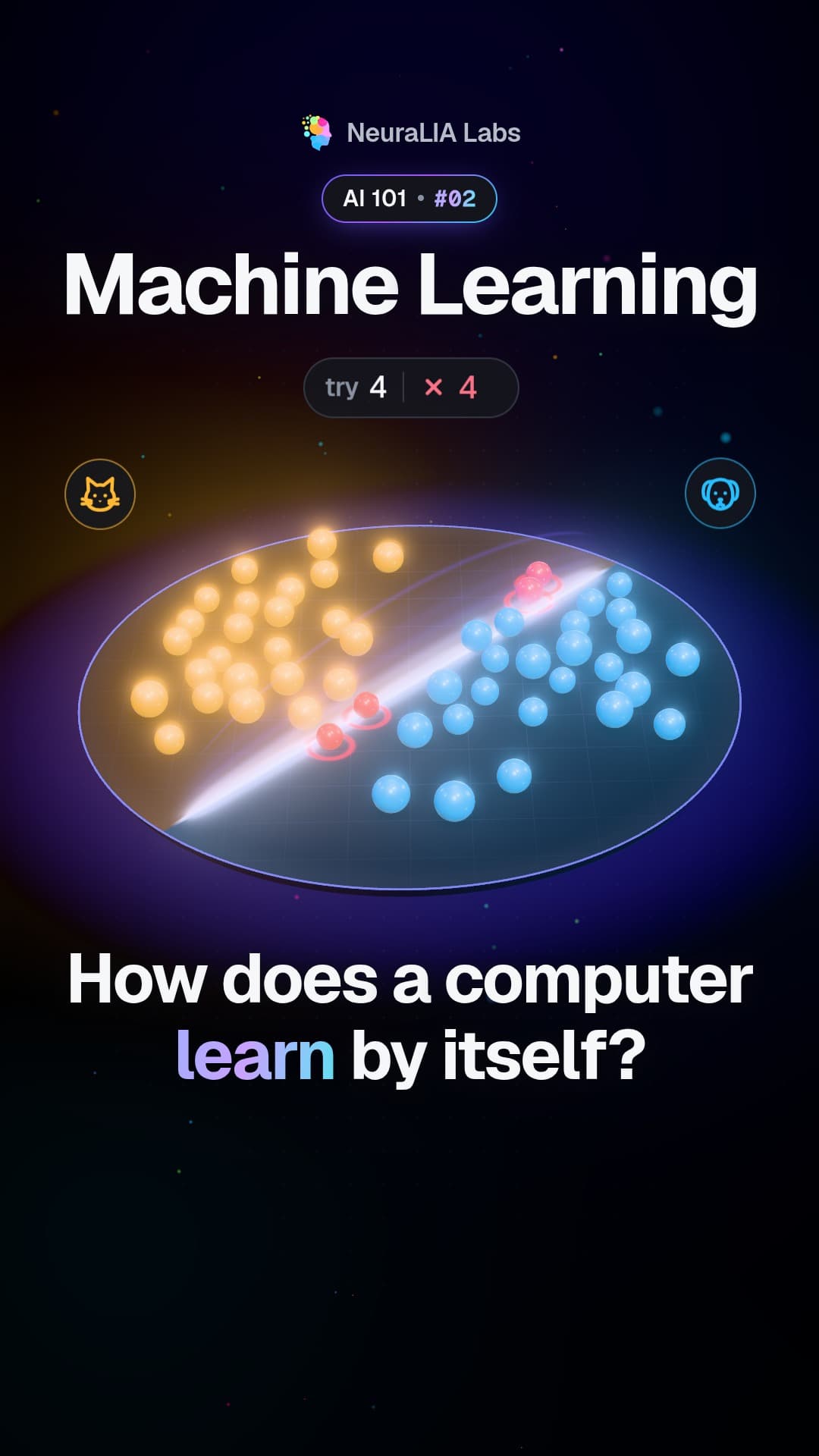 #02
#02Machine learning: how a computer draws its own dividing line
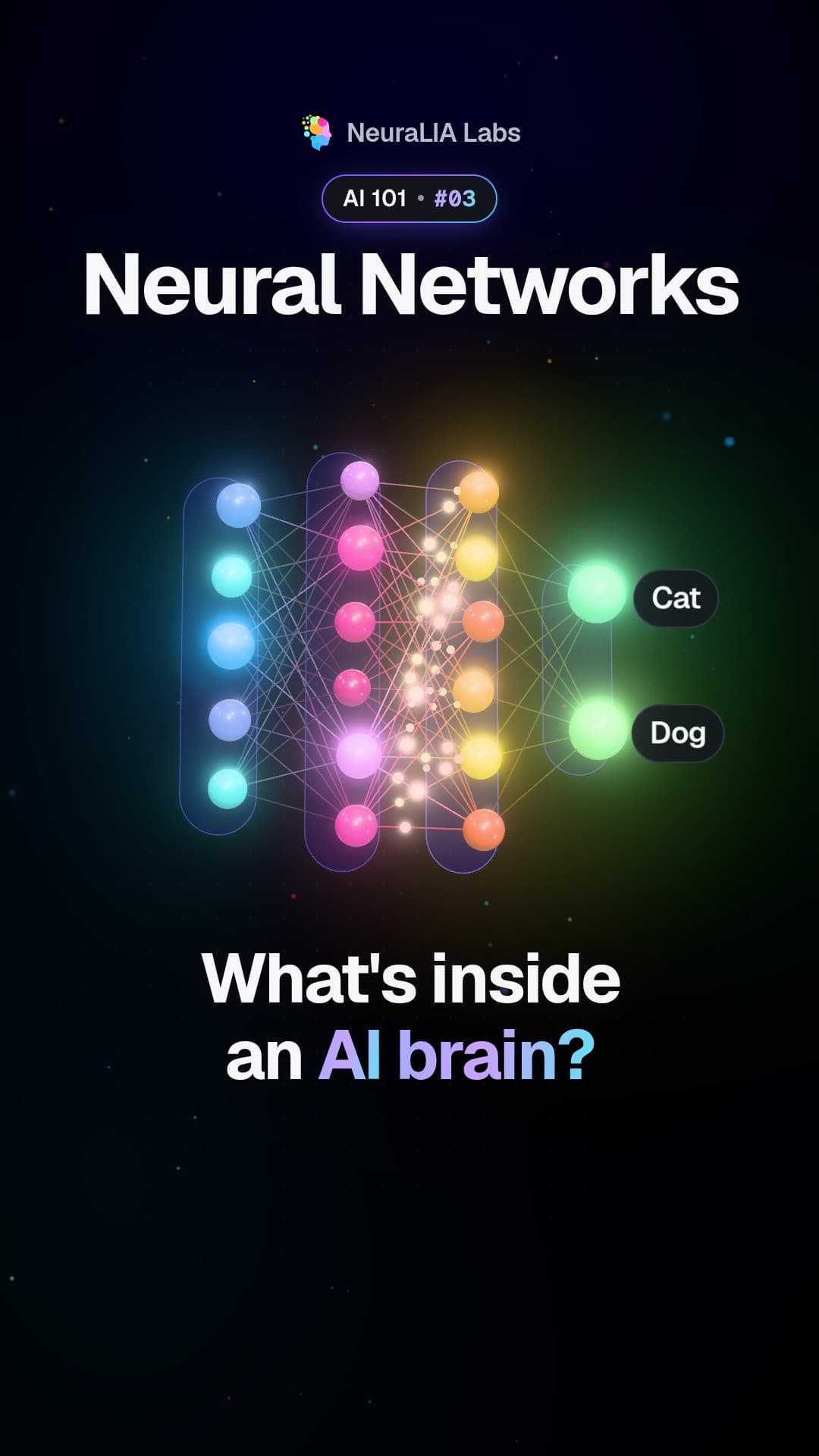 #03
#03Neural networks: layers of tiny calculators passing signals on
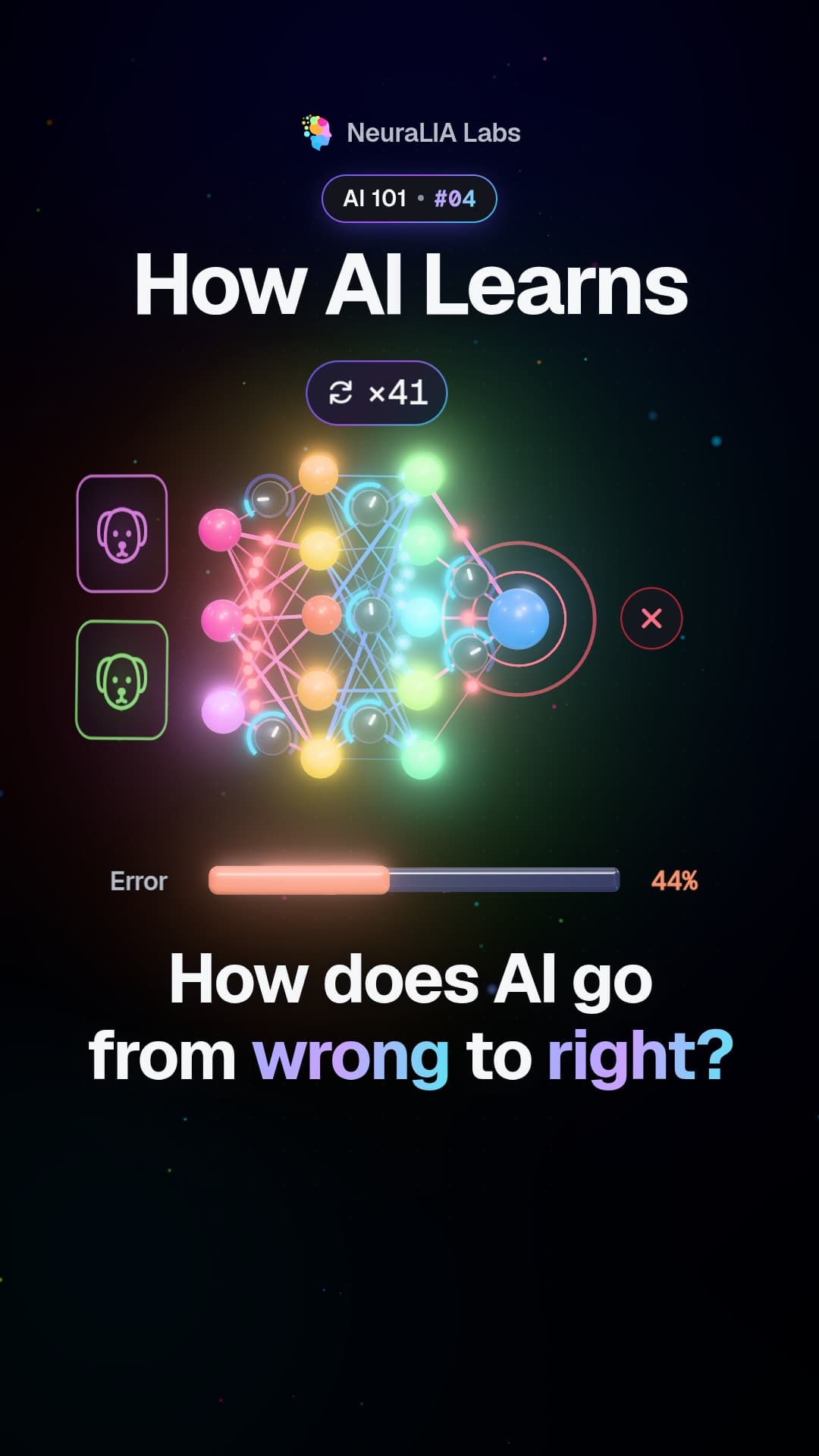 #04
#04How AI learns: guess, measure the error, nudge, repeat
 #05
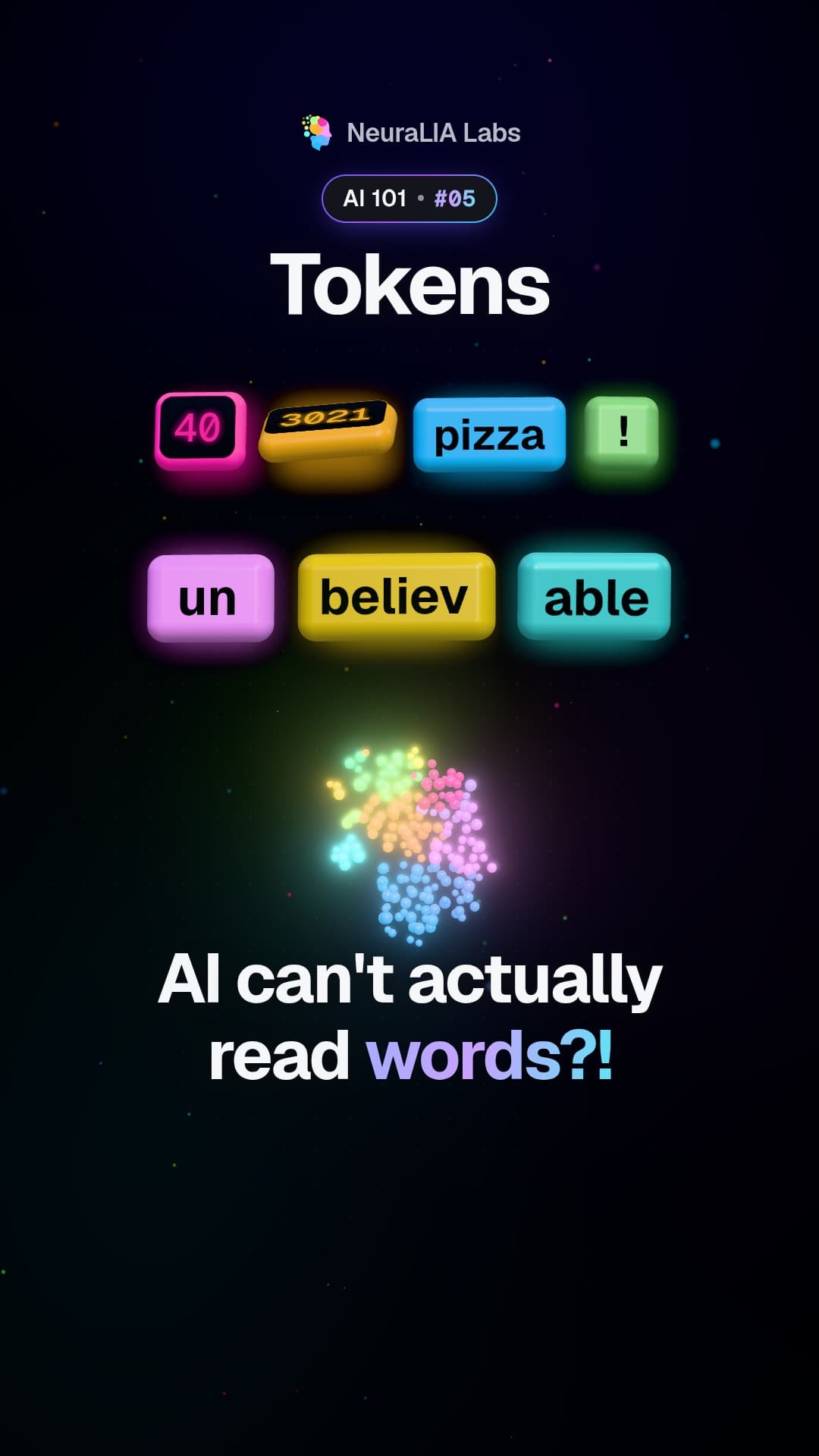
#05Tokens: how AI chops your words into numbered pieces
 #06
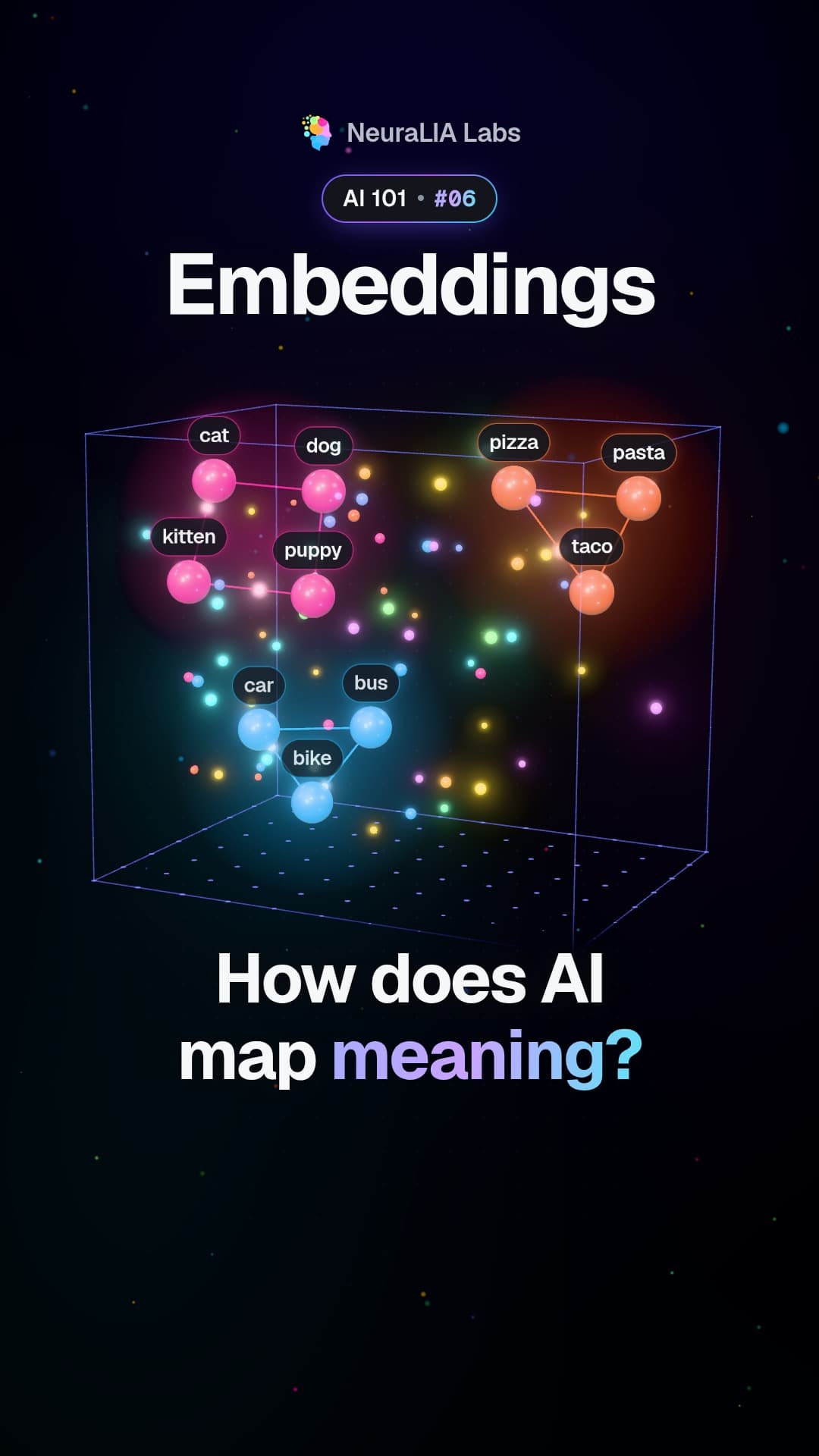
#06Embeddings: why a puppy lands closer to a dog than to a pizza
ล่าสุด
 #031
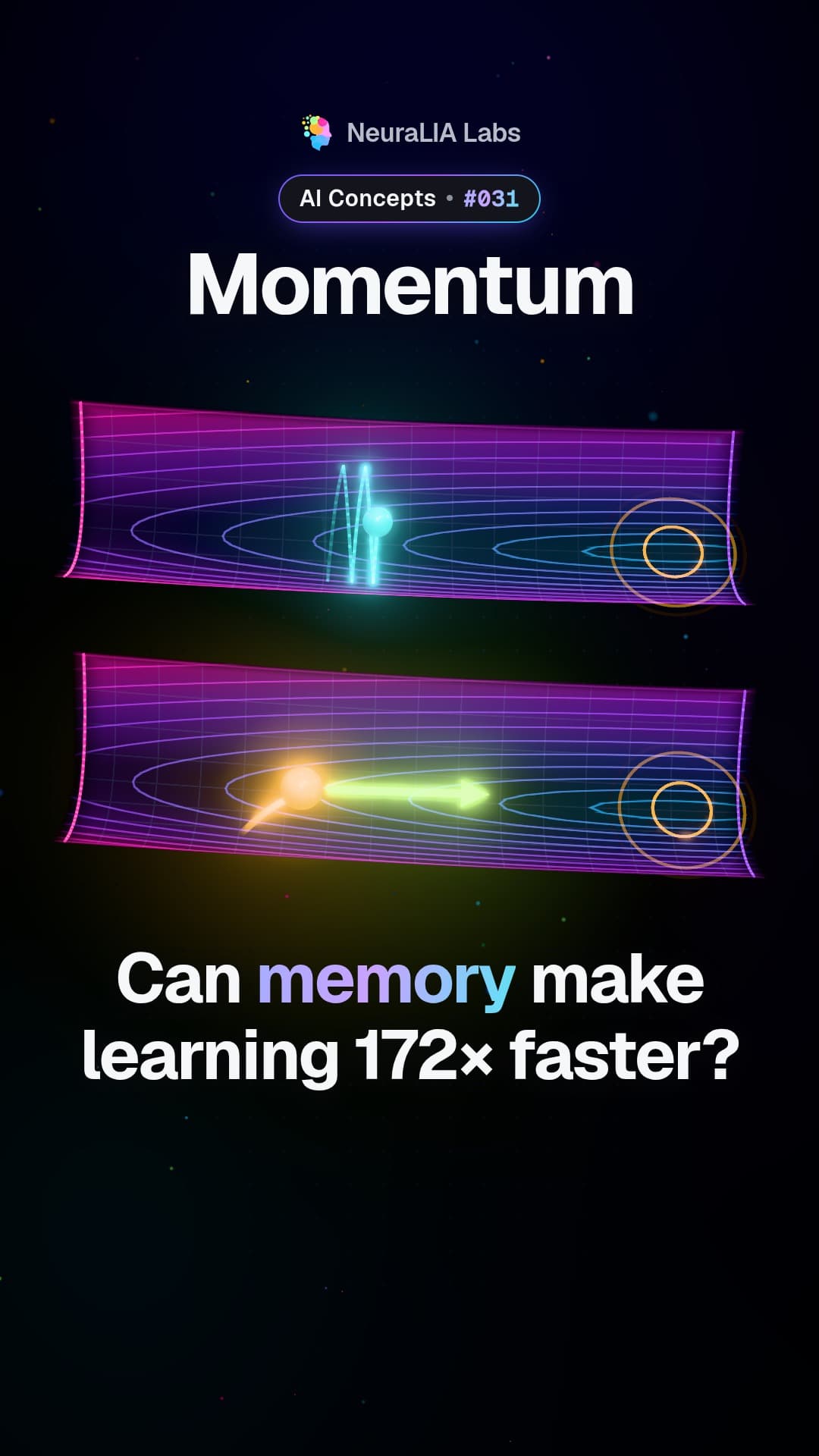
#031Momentum: how remembering past steps stops AI training zigzagging
 #030
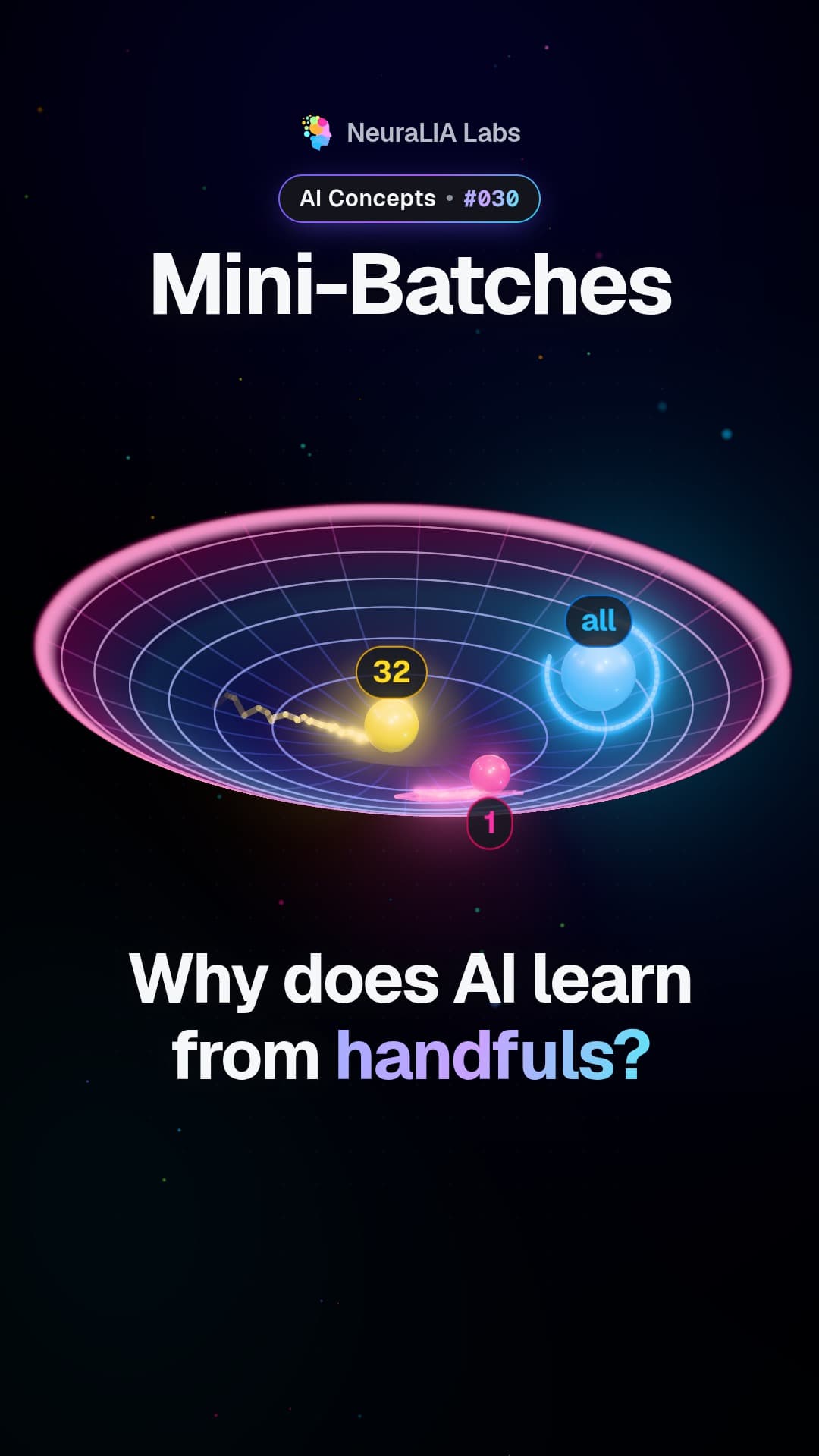
#030Mini-batches: why AI learns faster from a random handful of data
 #029
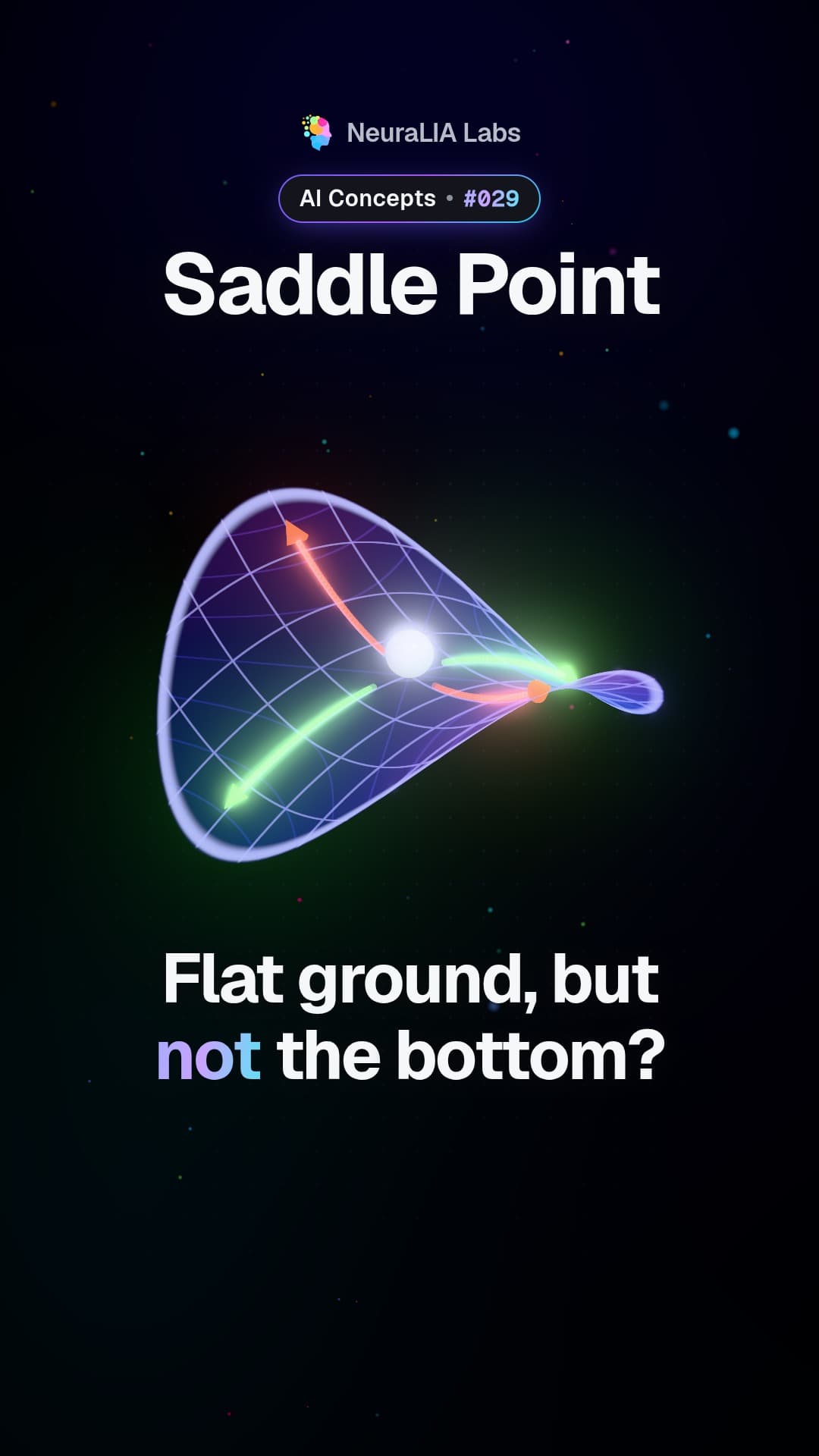
#029Saddle points: where AI training looks stuck but has a way down
 #028
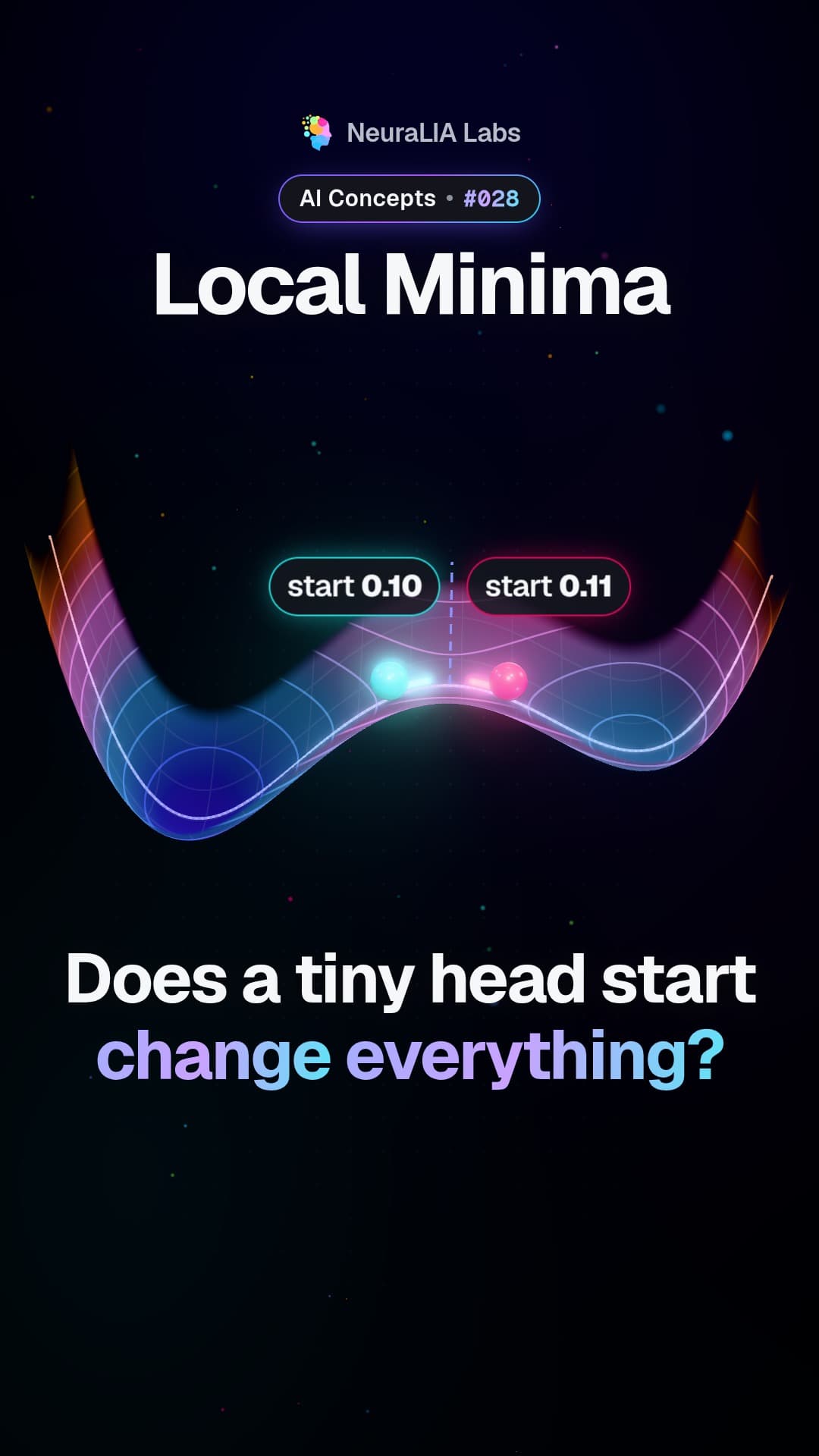
#028Local minima: why AI training can settle for second best
 #027
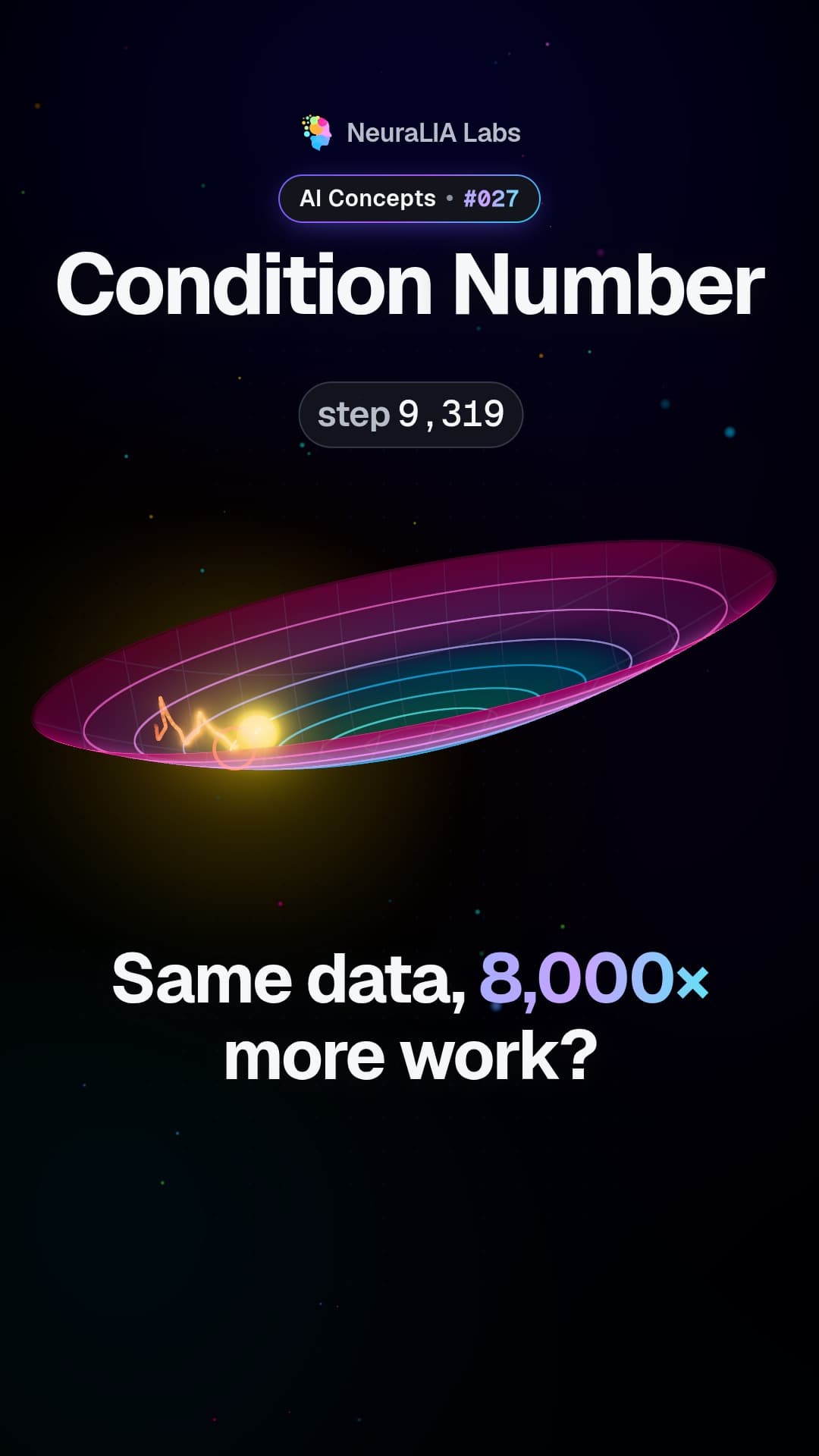
#027Condition number: why a stretched valley makes AI training crawl
 #026
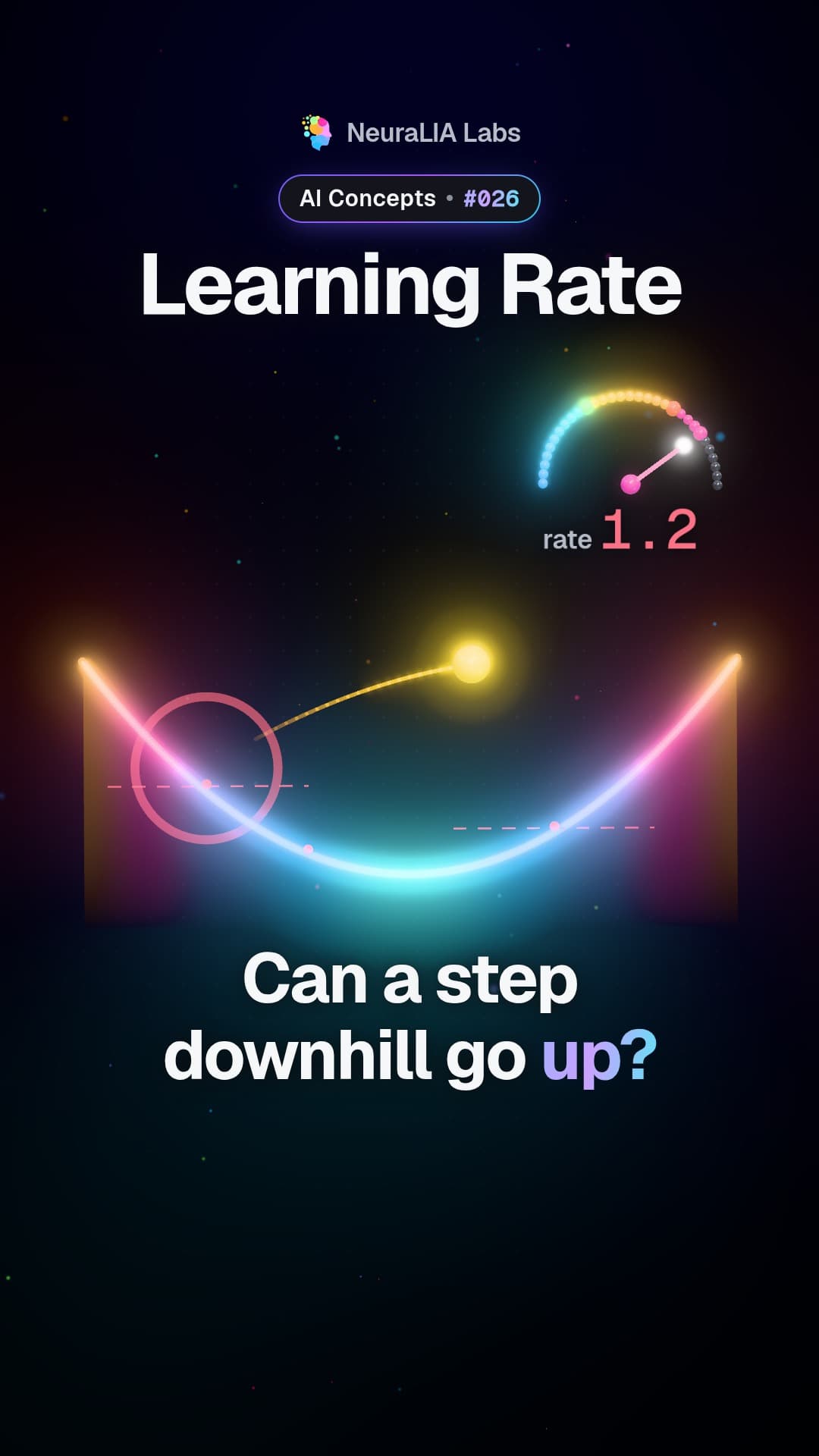
#026Learning rate: the step size with a ceiling you can calculate
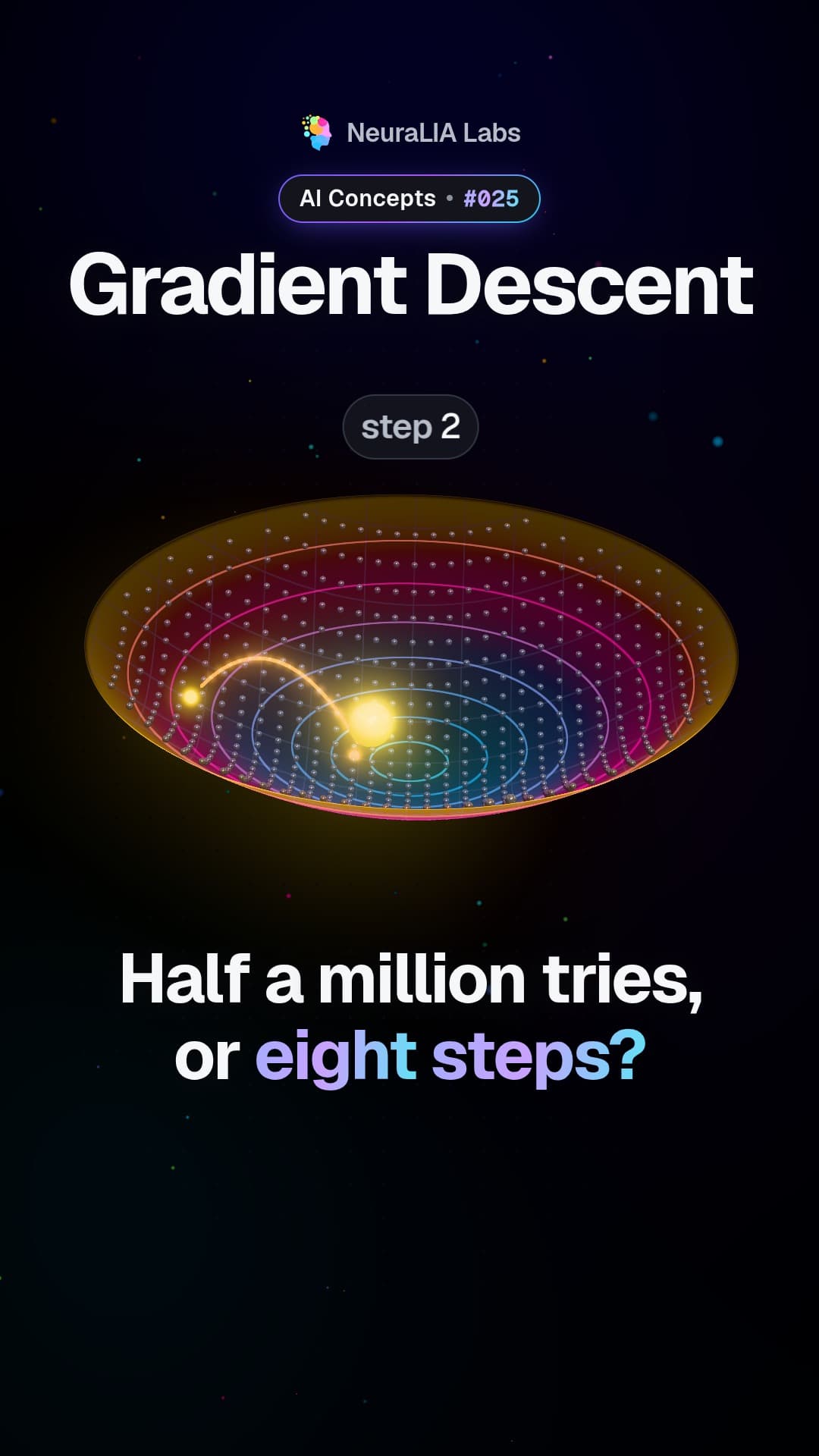 #025
#025Gradient descent: how AI finds its way downhill in small steps
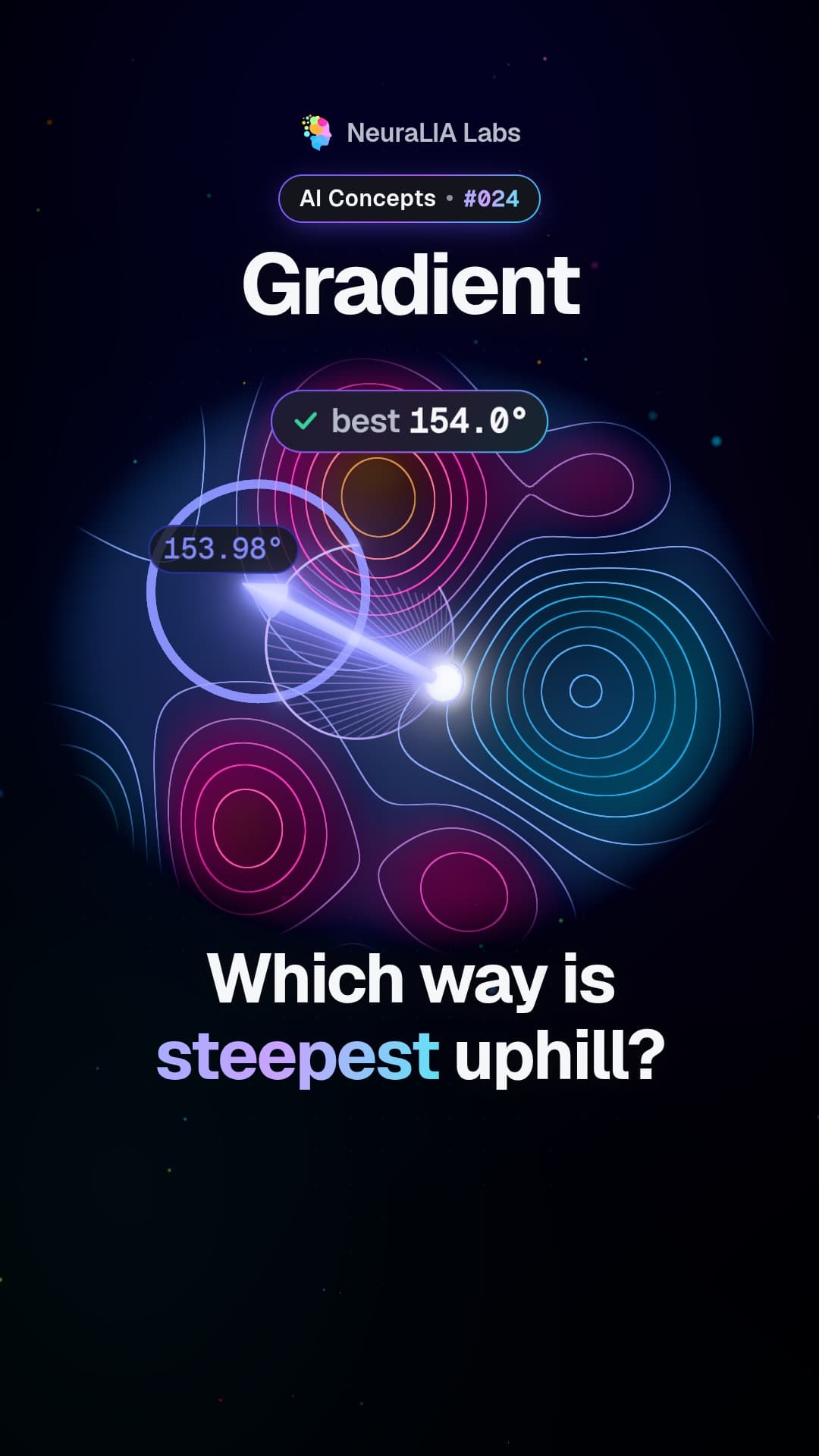 #024
#024Gradient: the arrow that points uphill, and why AI walks the other way
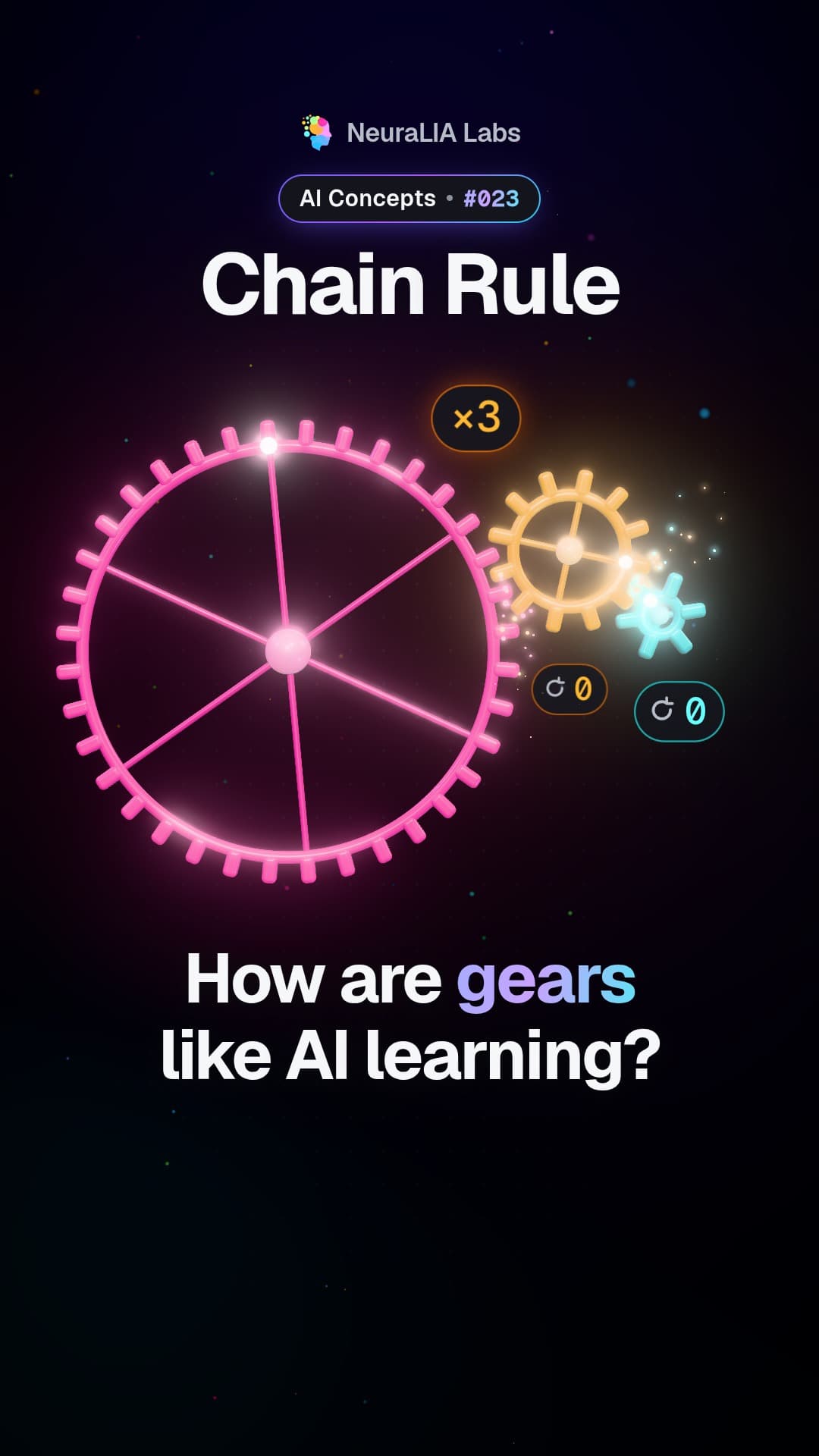 #023
#023Chain rule: how AI traces the effect of every layer
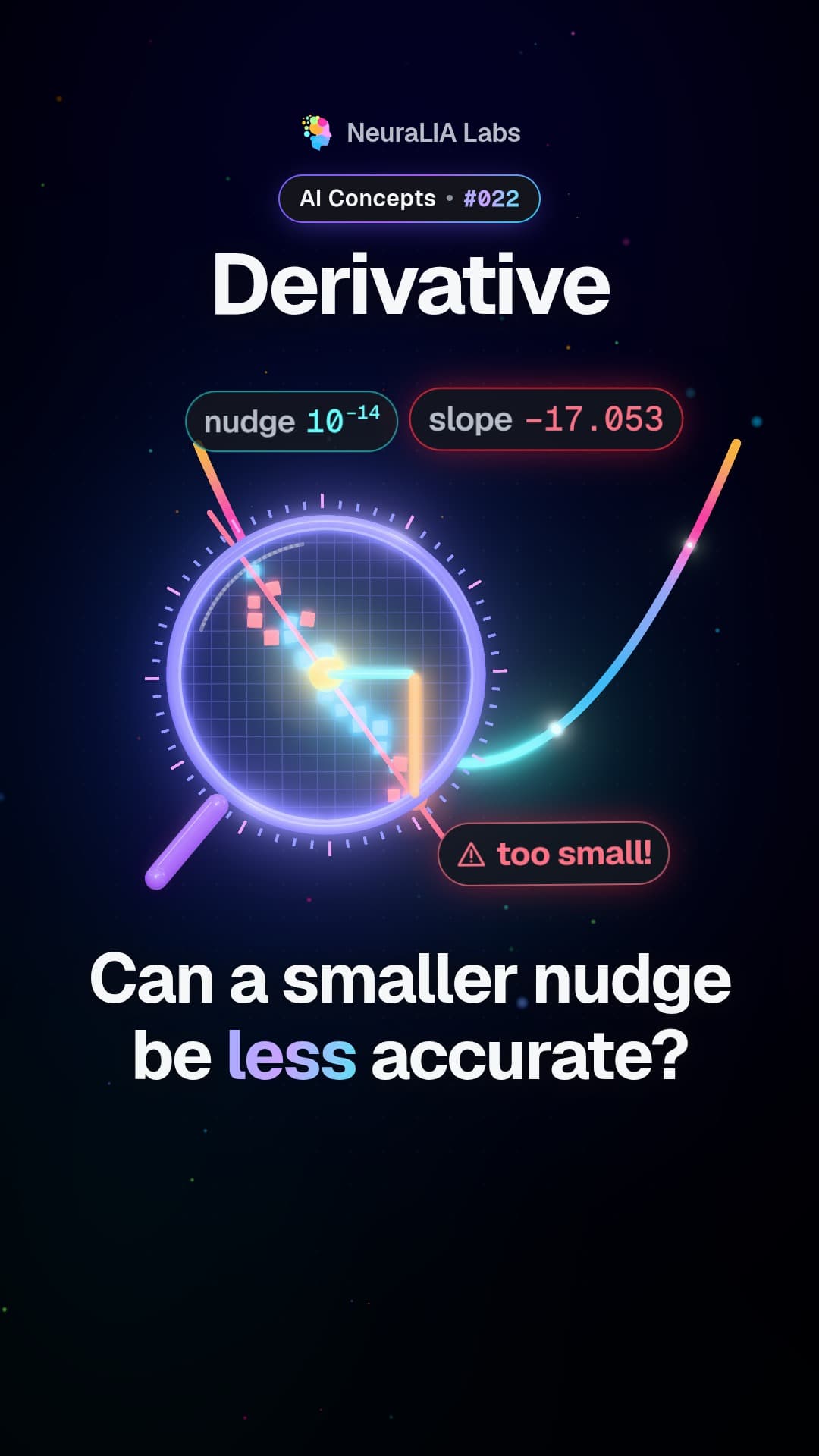 #022
#022Derivative: how much the result moves when you nudge one input
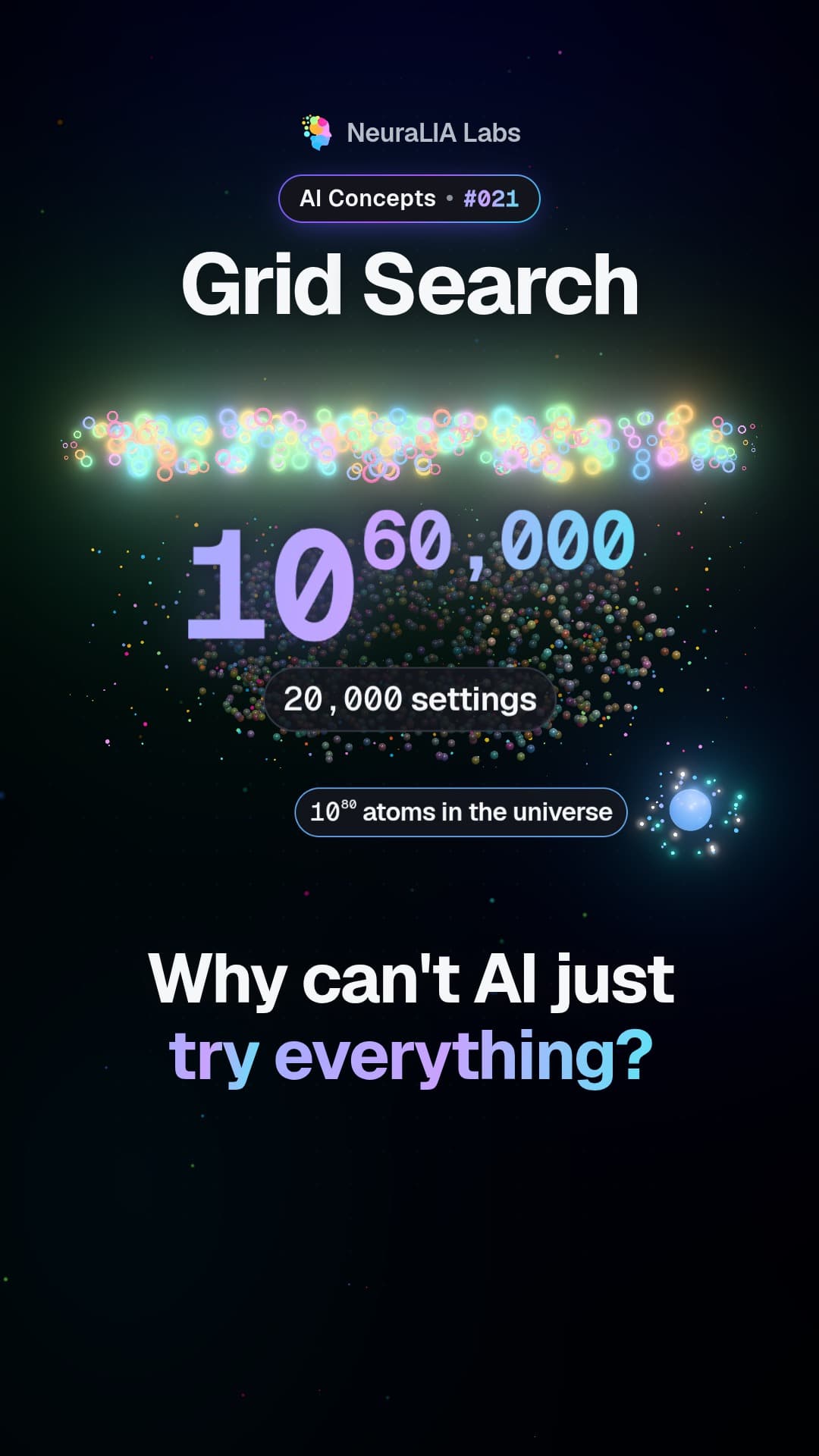 #021
#021Grid search: why you cannot train an AI by trying every setting
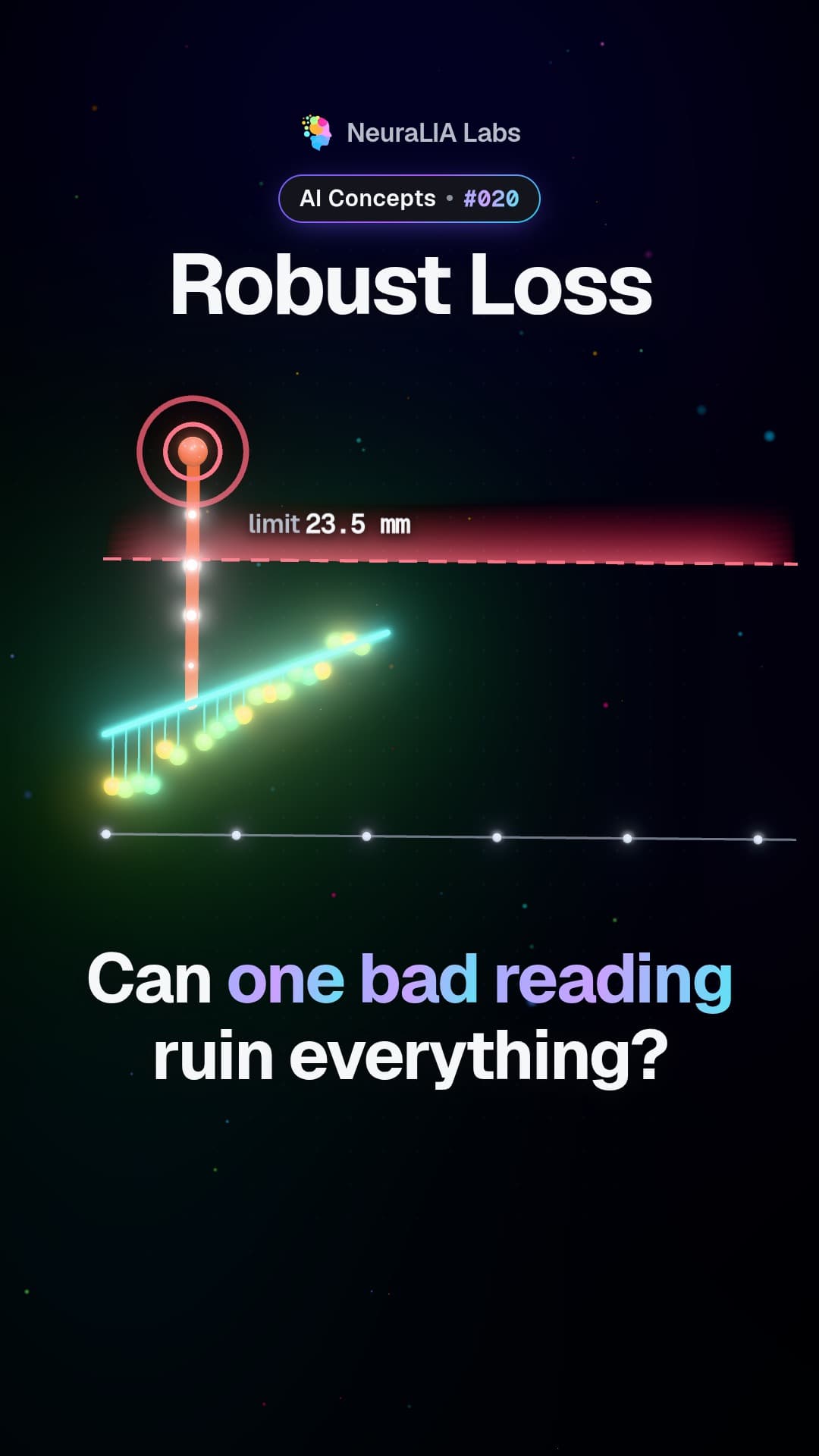 #020
#020Robust loss: stop one wild reading from wrecking your forecast
 #019
#019Heavy tails: when rare, huge errors break the usual average
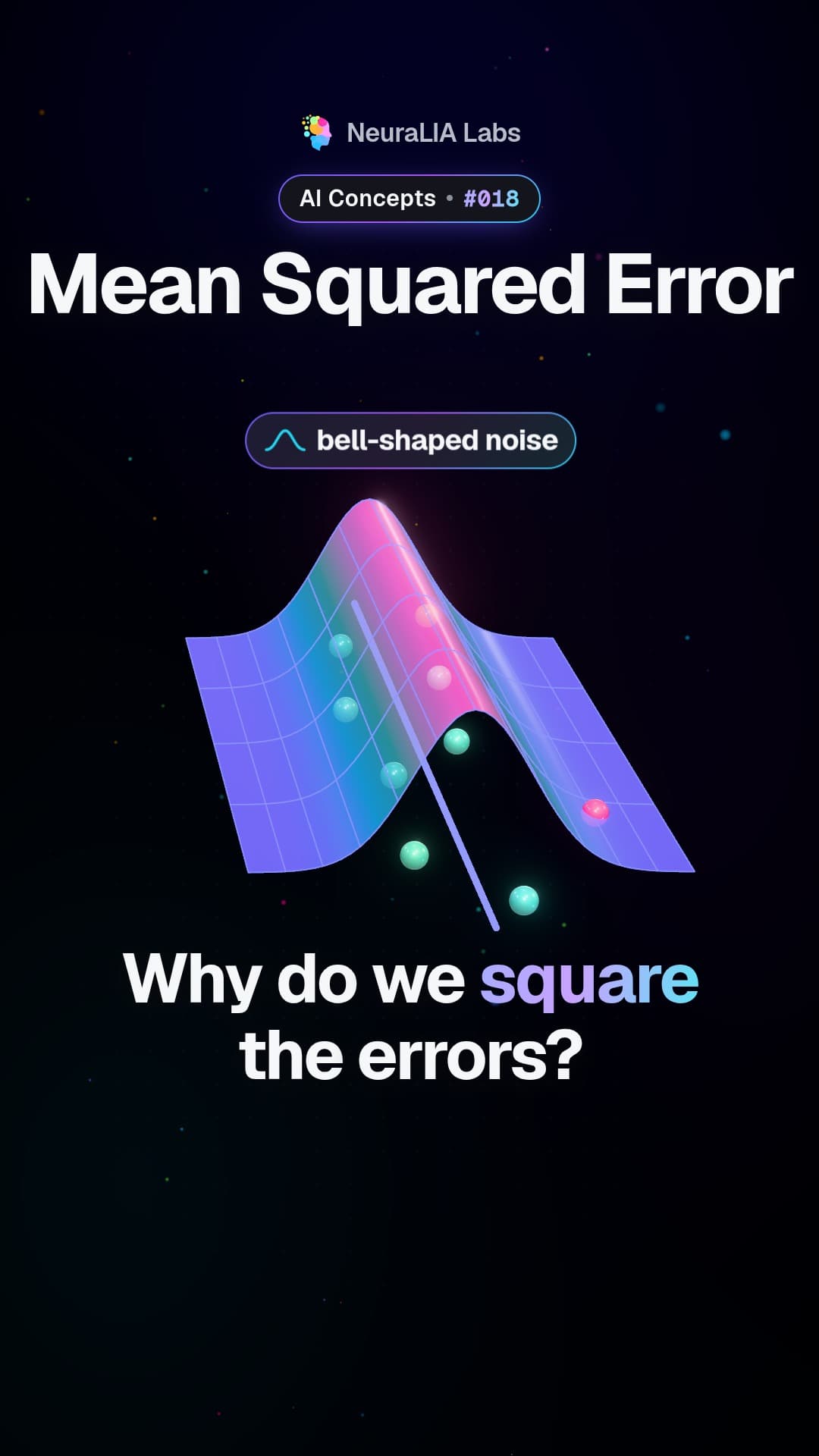 #018
#018Mean squared error: the hidden bet behind squaring your mistakes
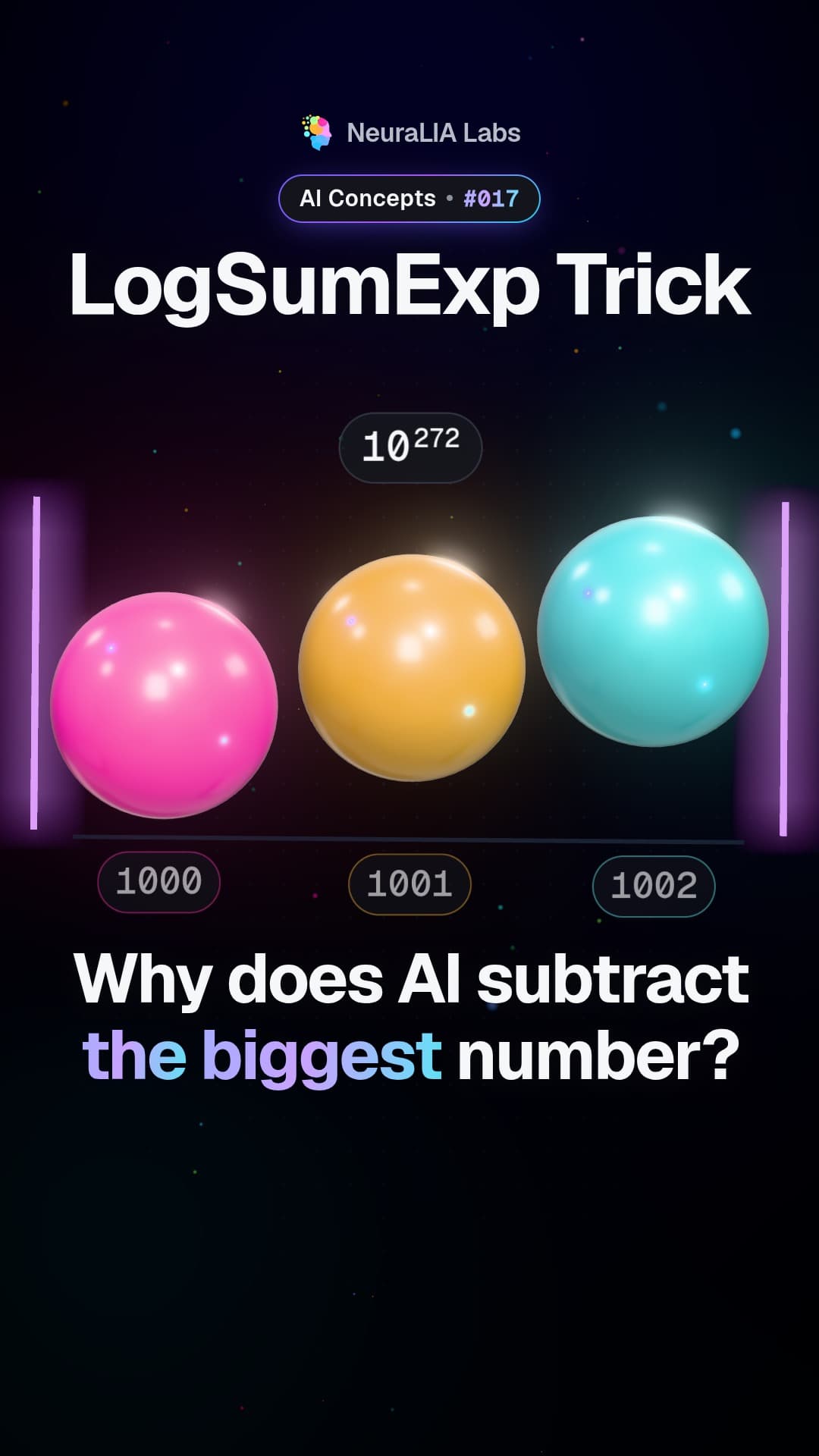 #017
#017The LogSumExp trick: one subtraction that stops AI math overflowing
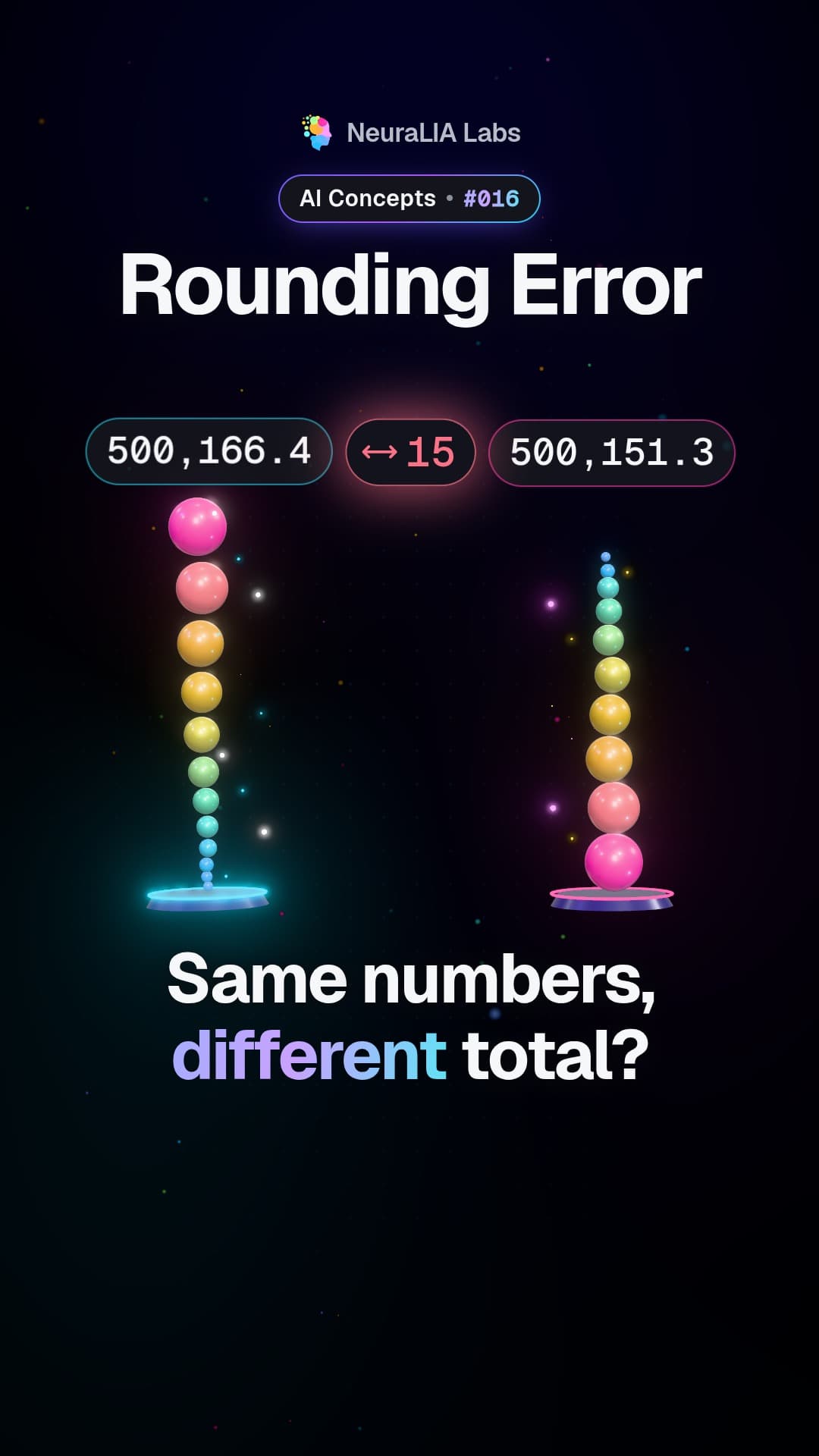 #016
#016Rounding error: why adding the same numbers can give two answers
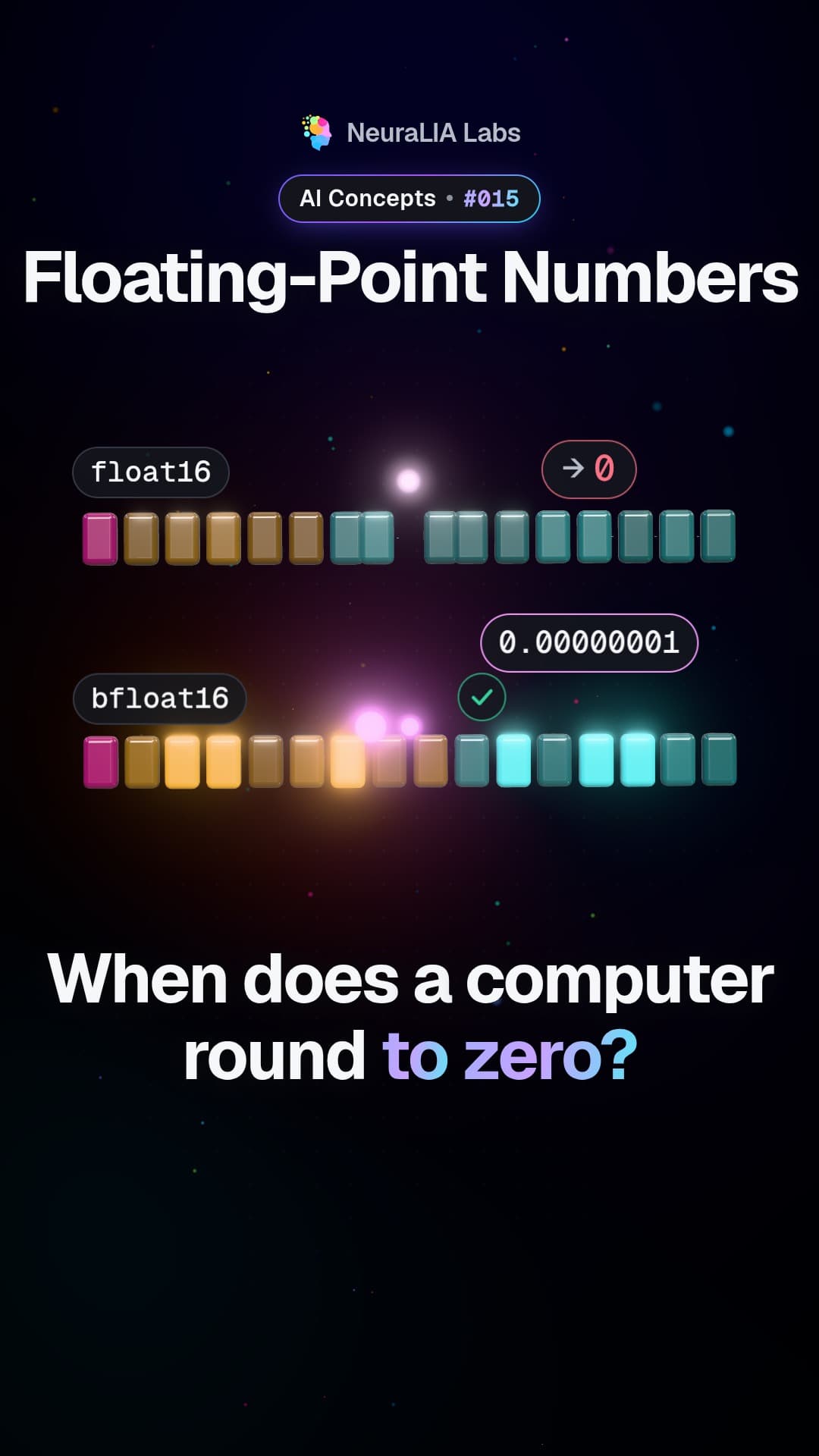 #015
#015Floating-point numbers: why your computer cannot hold every number
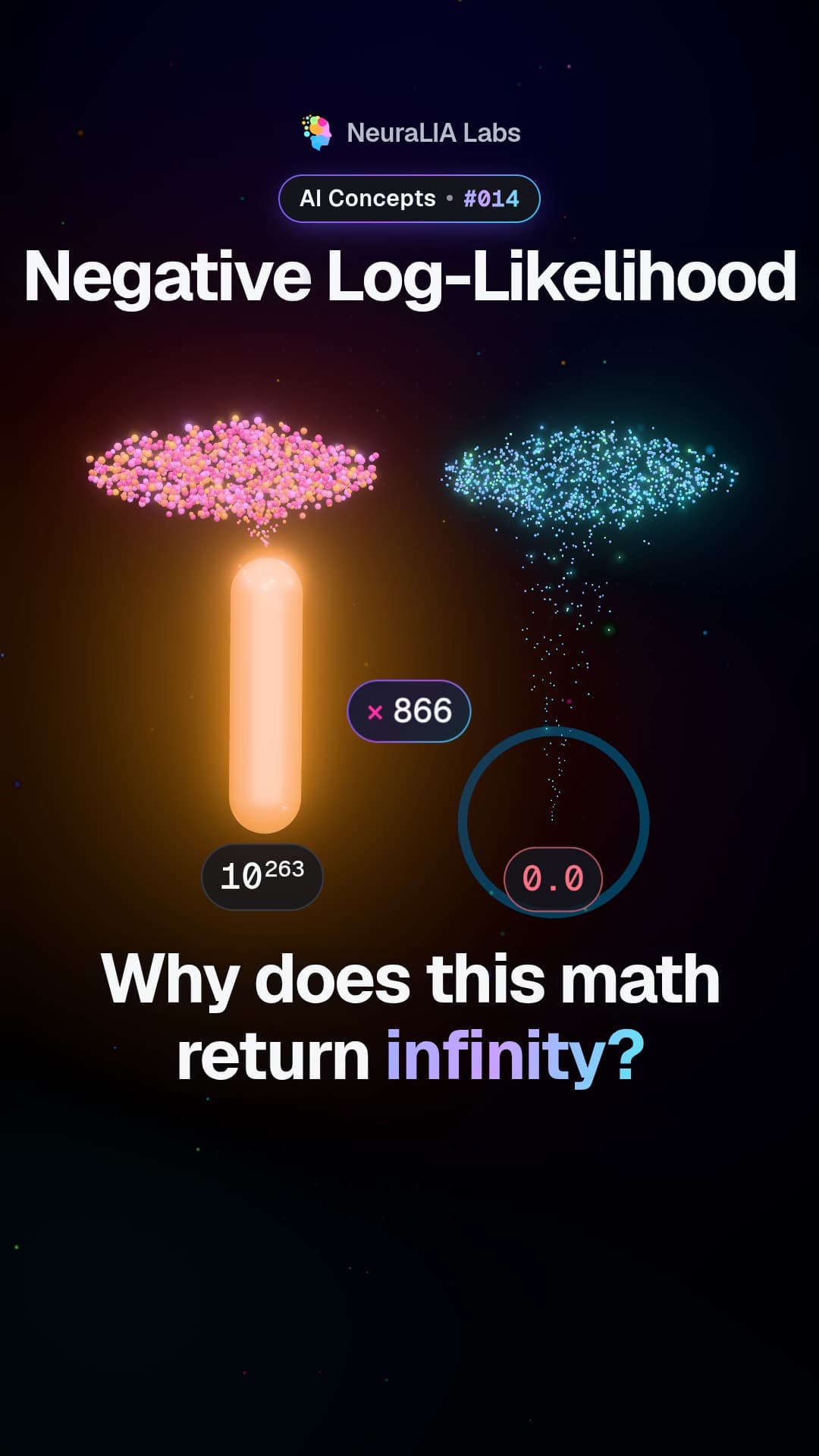 #014
#014Negative log-likelihood: turning a fragile product into a calm sum
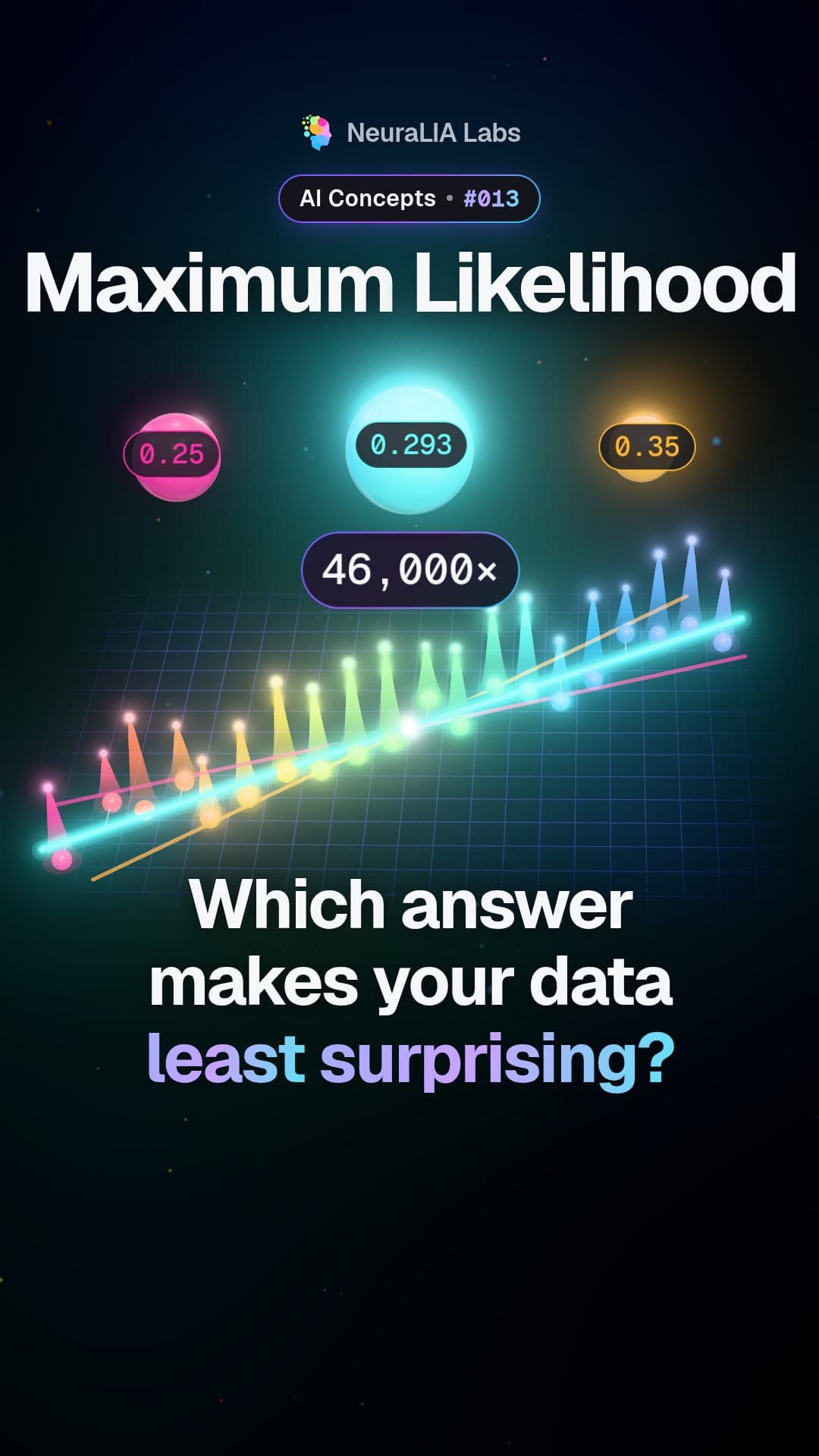 #013
#013Maximum likelihood: the answer that makes your data least surprising
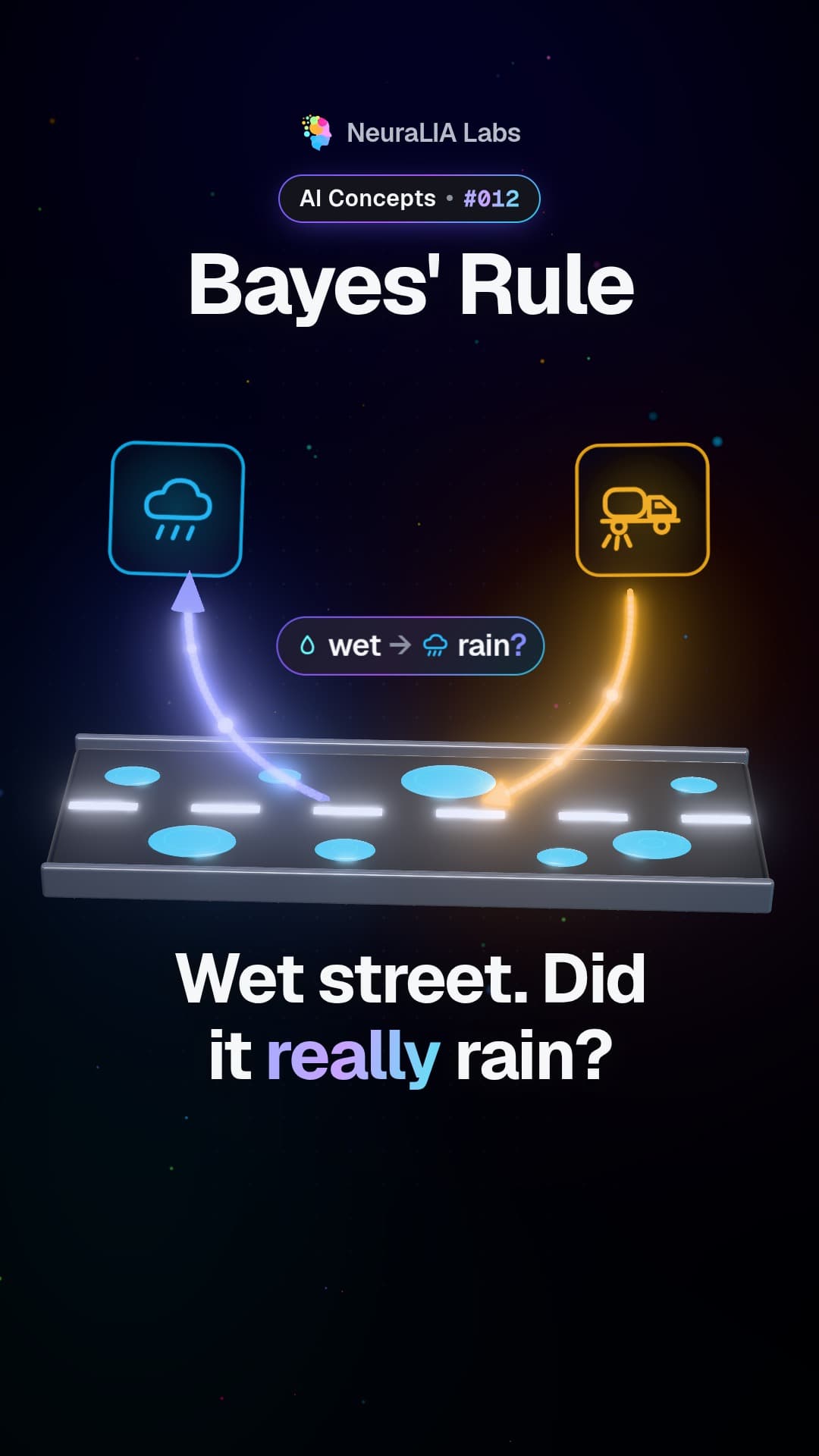 #012
#012Bayes' rule: reasoning backwards from a clue to its most likely cause
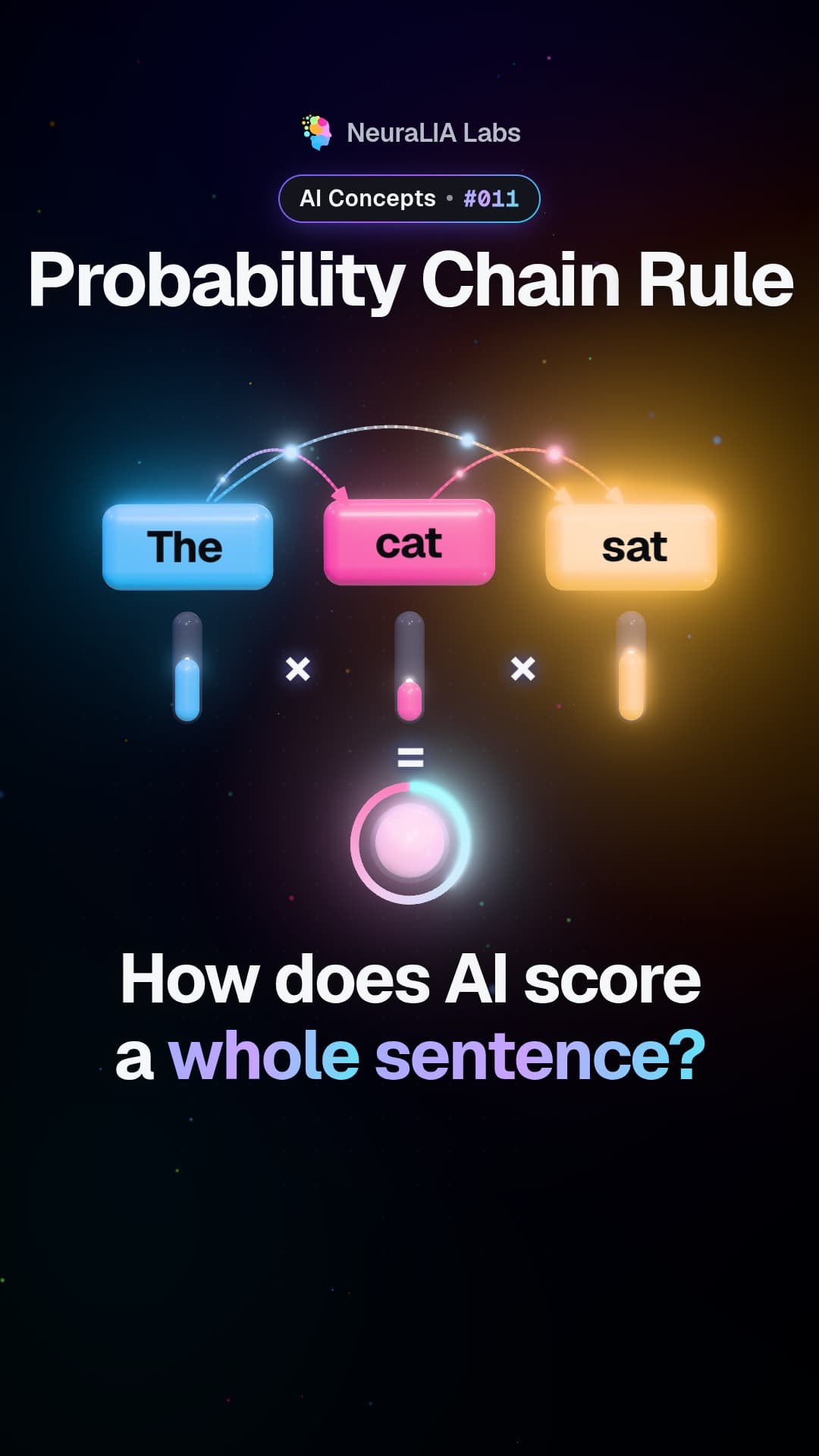 #011
#011Chain rule of probability: how AI scores a sentence word by word
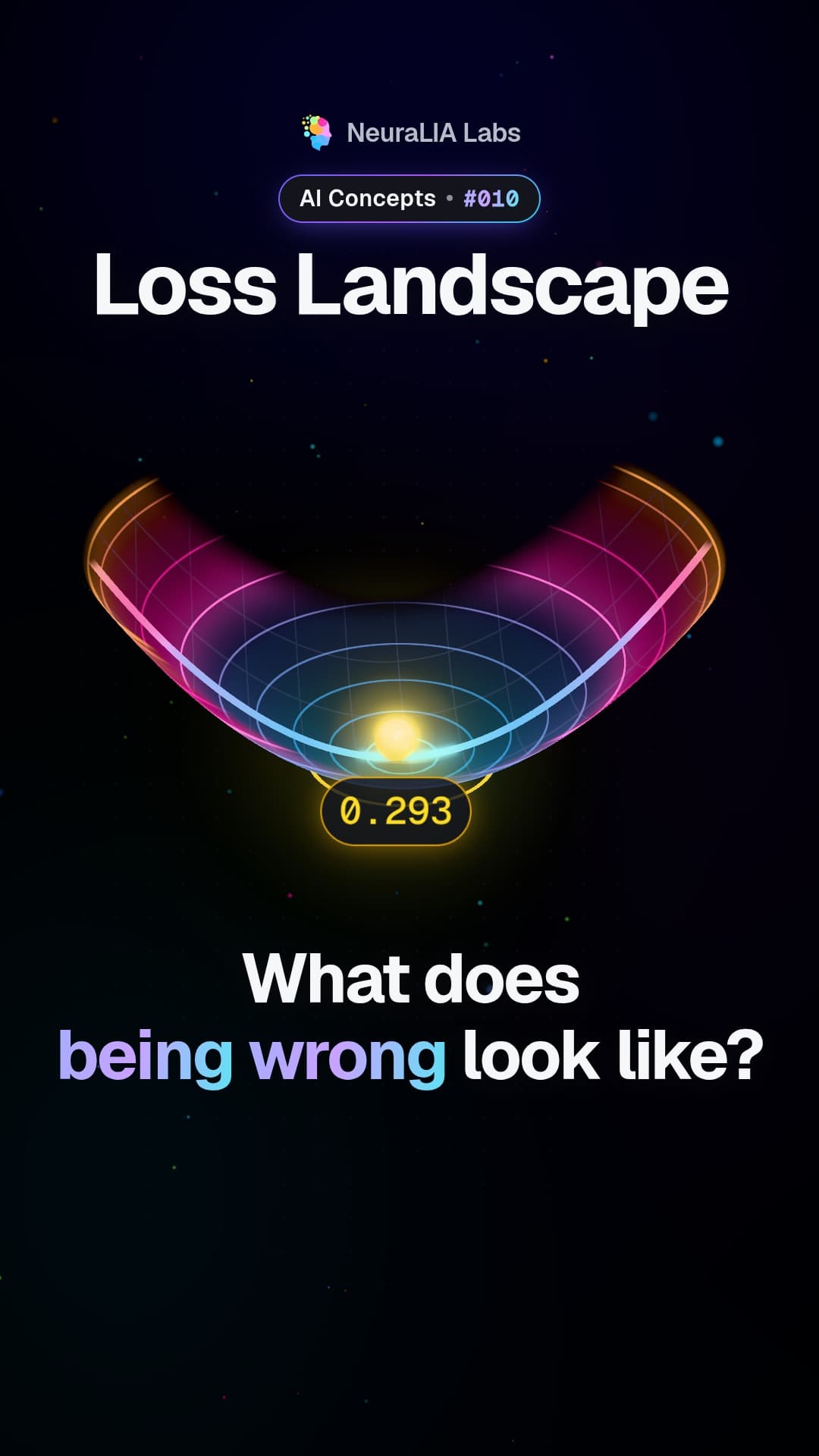 #010
#010Loss landscape: training an AI means finding the bottom of a valley
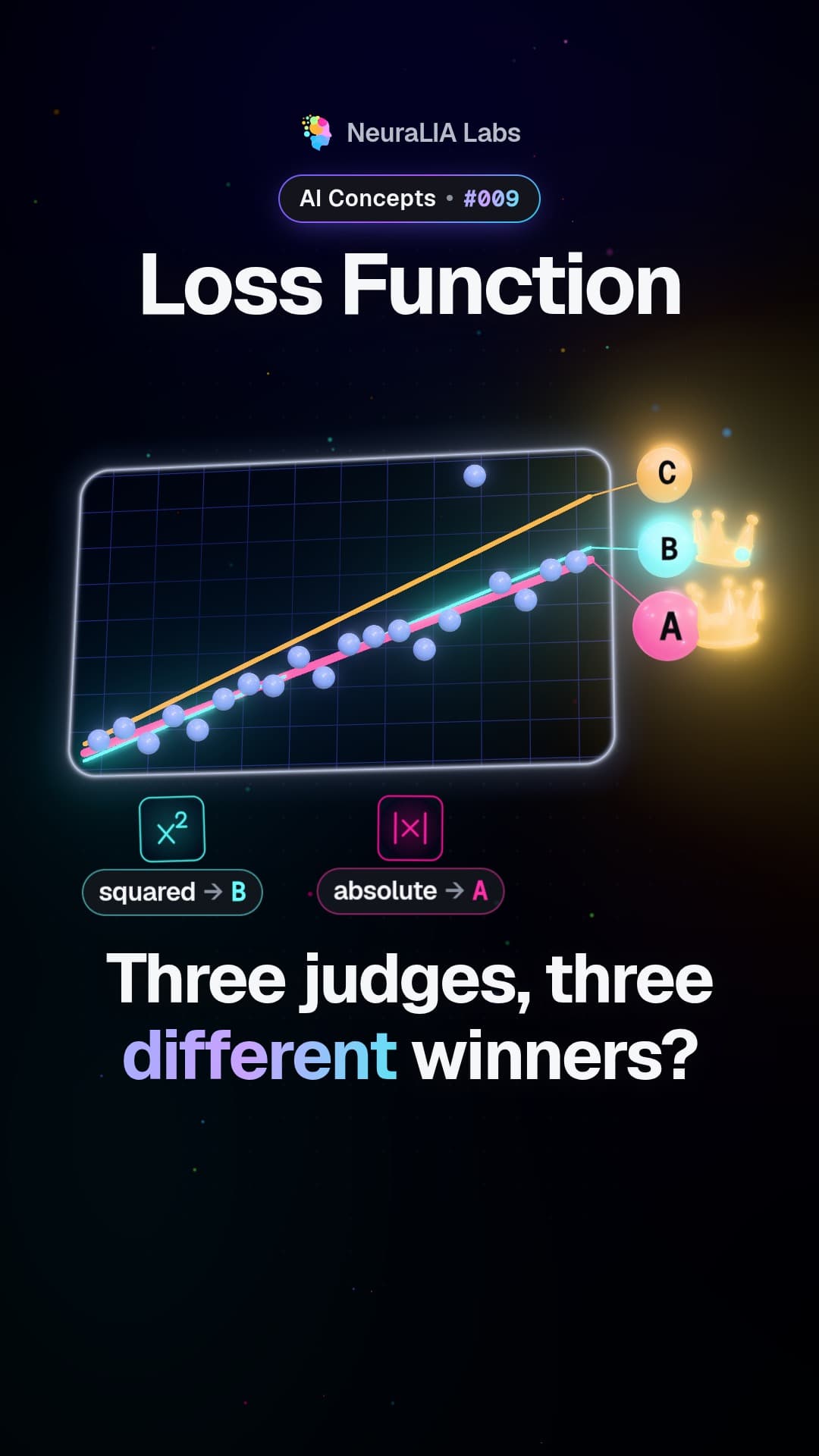 #009
#009Loss function: the scoring rule that decides which answer wins
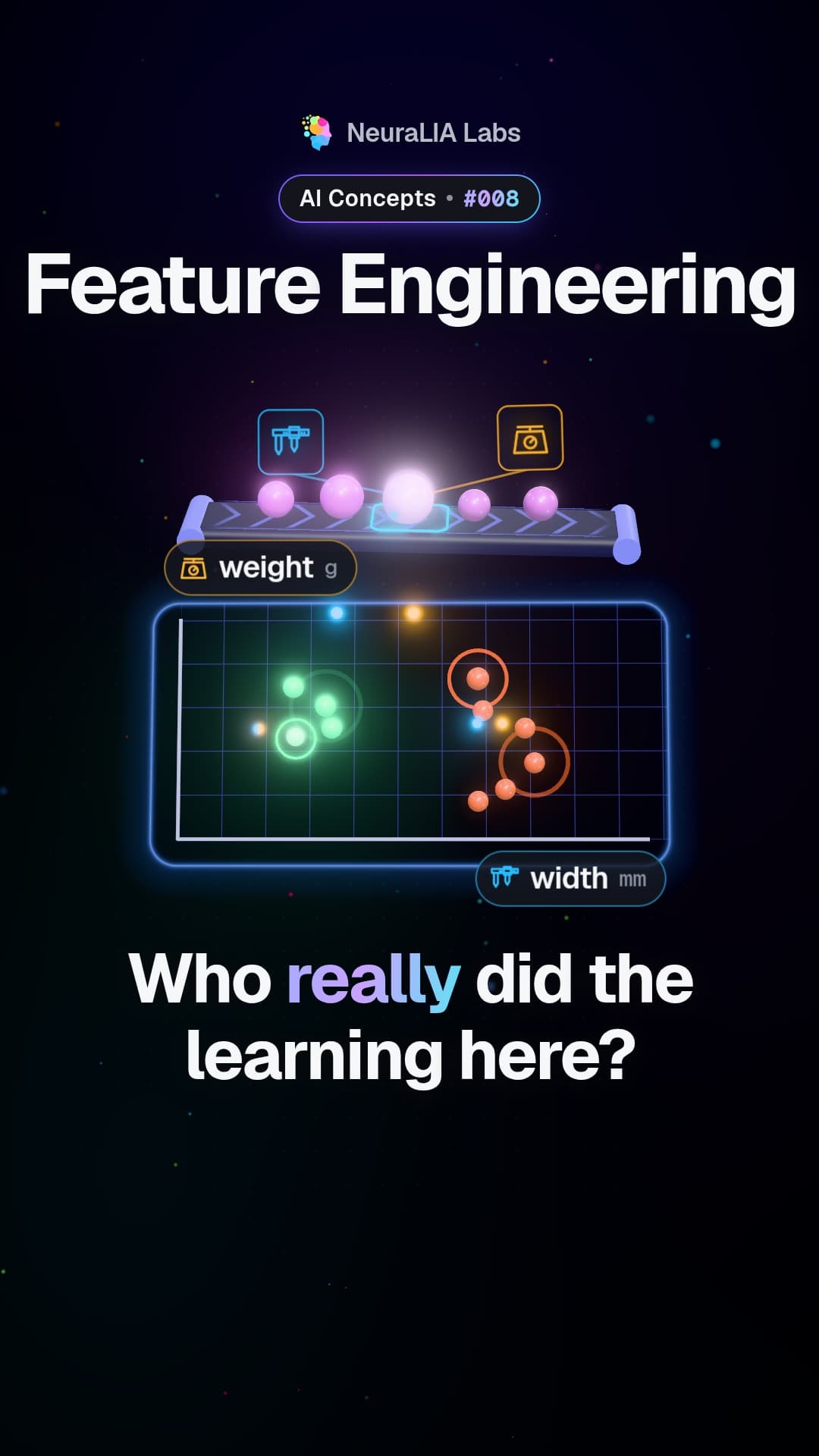 #008
#008Feature engineering: the human choice that can beat the algorithm
ตามบทของคอร์ส
- 1Perceptron จากศูนย์: นิวรอนคำนวณอะไร10 วิดีโอ
- 2Loss Function มาจากไหน: จาก Likelihood ไม่ใช่ธรรมเนียม12 วิดีโอ
- 3ลงเขา: Gradient Descent และสองขั้นตอนที่ทุกคนมักข้าม12 วิดีโอ
- 4Classification, Cross-Entropy และวิธีไม่หลอกตัวเอง
- 5Backpropagation ตั้งแต่ศูนย์: สร้าง Engine ก่อน แล้วค่อยสร้าง Network1 วิดีโอ
- 6ทำให้ฝึกได้ และทำให้ใช้ได้กับข้อมูลใหม่
- 7สร้าง BPE Tokenizer: ทำไมโมเดลของคุณนับตัว R ไม่ถูก1 วิดีโอ
- 8การทำนาย Next-Token: Embedding และความหมายของ Perplexity1 วิดีโอ
- 9Attention และบล็อก Transformer อนุมานจากค่าเฉลี่ย
- 10Pretraining LLM: data, compute, scaling laws และต้นทุน
- 11จาก Base Model สู่ Assistant: SFT, RLHF, DPO และ GRPO
- 12Chain of Thought, RLVR และ Test-Time Compute ที่วัดผลได้
- 13ทำ Inference ให้ถูกลง: KV cache, Batching และ Quantization
- 14LLM call แรกใน Production: Streaming, Retries, Timeouts
- 15Prompt Engineering แบบวัดผล: อะไรเปลี่ยนผลลัพธ์
- 16Context Window, Tokens และใบเรียกเก็บเงิน: วัดให้เห็นจริง
- 17Temperature, Top-p และ Determinism ที่คุณไม่มี
- 18Tool Calling และ Structured Outputs: ข้อตกลงที่ยืนอยู่ได้
- 19RAG ใน Production: Chunking, Retrieval และการอ้างอิงที่ซื่อสัตย์
- 20Fine-Tune, Retrieve หรือ Prompt? คำตอบอยู่ที่เศรษฐศาสตร์
- 21ราคา Multimodal: รูปภาพ เสียง และวิดีโอคิดเงินจริงอย่างไร
- 22AI Agent คืออะไร: 5 ประเภทคลาสสิก กับ 2 นิยามคู่แข่ง
- 23สร้าง agent harness: ลูปและห้าทางออกของมัน
- 24Context Engineering: ทำไม agent ของคุณโง่ลงที่เทิร์น 40
- 25การประสานงาน Multi-agent: 5 รูปแบบ และเมื่อใดที่รูปแบบเดียวชนะ
- 26อธิบาย MCP เทียบกับสเปก: เซิร์ฟเวอร์จริง ๆ คืออะไร
- 27Ship MCP Server: วัดกันจริงด้วย TypeScript และ Python
- 28Agent Skills และ SKILL.md: วัด Progressive Disclosure อย่างเป็นรูปธรรม
- 29การประเมิน LLM: จาก public benchmarks สู่ golden set ของคุณ
- 30Prompt injection และ lethal trifecta: ทำให้ agent จริงปลอดภัย