
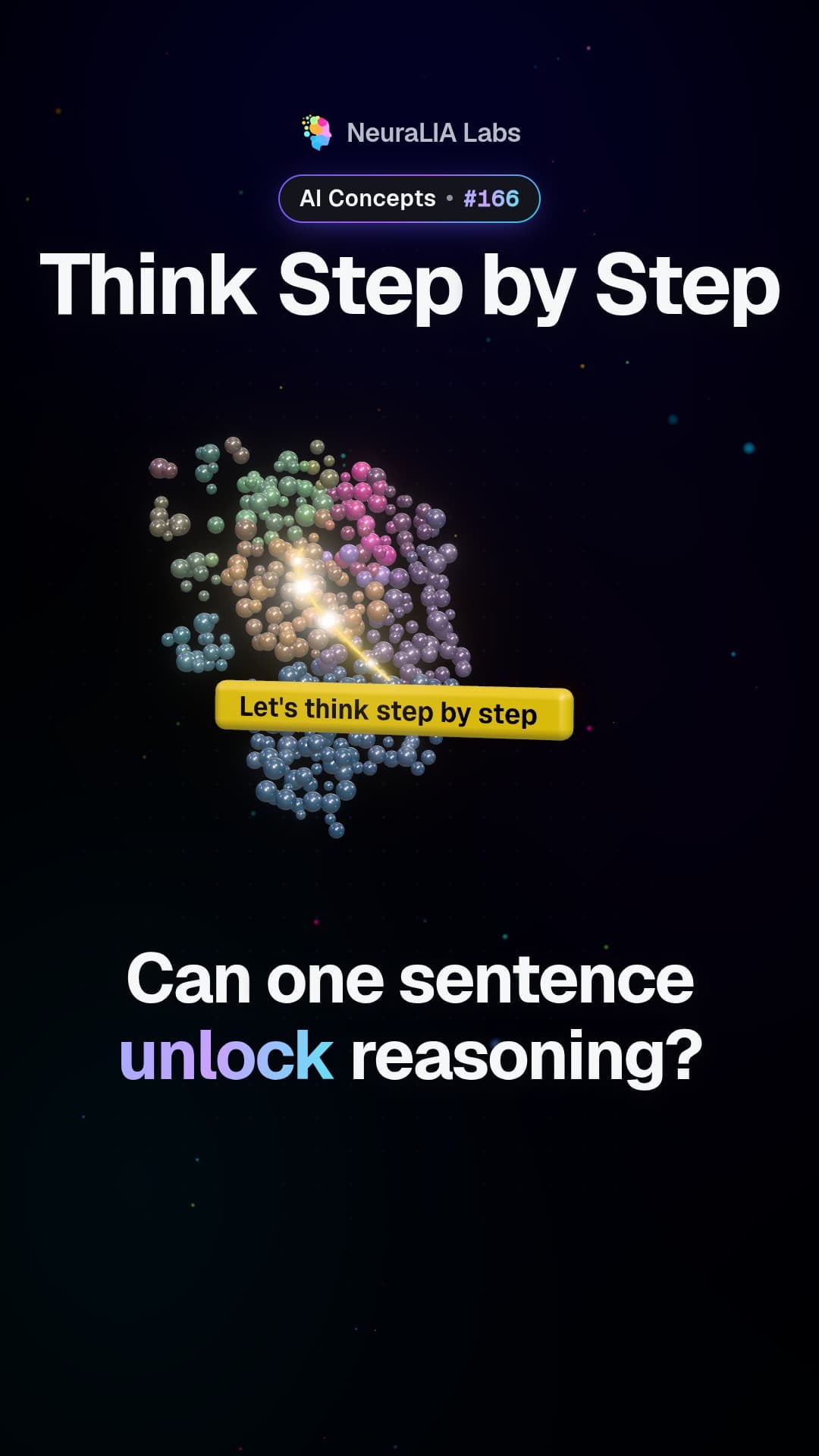
 #166
Video này và phần văn bản của video bằng tiếng Anh.
Chain of thought: why letting an AI show its work changes the answer
The same small AI went from 0 to 24 correct answers just by writing its steps first. Learn what chain of thought is and why it works so well.
Chi tiết
What chain of thought is
Chain of thought means letting an AI model write out its in-between steps before it gives a final answer. Instead of jumping straight to a number, it writes something like "first this, then that, so the answer is 45". Nothing inside the model changes. Same model, same knowledge. The only difference is that it gets to work on the page before it commits to an answer.
What the video shows
A small AI model is given 24 short word problems. When it is told to reply with just the number, it gets 0 of them right. When it is allowed to write its steps first, it gets all 24. Same model, 0% versus 100%. The explanation it gives is short: writing gives the model more effort and a notepad.
An everyday example
Imagine splitting a restaurant bill with three friends. Someone asks for your share the second the bill lands. You have to add the drinks, add the food, take off a voucher and divide by four, all in one go, in your head. You will often be off. Now grab a napkin and jot down each subtotal. Every step is easy, and you can read your last line before doing the next one. The napkin did not make you smarter. It gave you room to work and a place to keep the numbers.
How it works
Two things happen when the model writes its steps.
- More effort. A transformer, the kind of AI behind today's chatbots, does a fixed amount of work for every token it produces (a token is a word or a piece of a word). An instant answer gets one round of that work. Every extra token of written working is another full round.
- A notepad. Whatever the model writes becomes part of what it reads next. A half-way result stops being something it has to hold in its head and becomes text on the page.
Where the idea came from
The technique took off in 2022, in two steps. First, Wei and colleagues showed that adding a few worked examples to the prompt, where each answer comes after its reasoning, made models much better at arithmetic and common-sense questions. Then Kojima and colleagues found you could drop the examples: one added sentence, "Let's think step by step", recovered much of the same gain.
A common misconception
It is tempting to think chain of thought teaches the model to reason. The course argues the opposite. The huge pile of text a model first learns from, called its pretraining data, is full of worked solutions. The ability to lay out steps was already there. The prompt only points the model toward that habit. If a single sentence is enough to switch a behaviour on, the model must have picked it up long before.
Why it matters
Chain of thought is a simple, practical lever, though not a free one: all that written working costs extra tokens. For problems where each step builds on the last, asking for the working can be the difference between failure and success. Knowing why it works also tells you its limits, and it explains why newer "reasoning" models are trained to do this on their own instead of waiting to be asked.
Learn it step by step in Chapter 12 of our free course AI From Scratch: Chain of Thought, RLVR and Test-Time Compute, Measured.
Cũng có trên
Thêm từ chương này
- #166
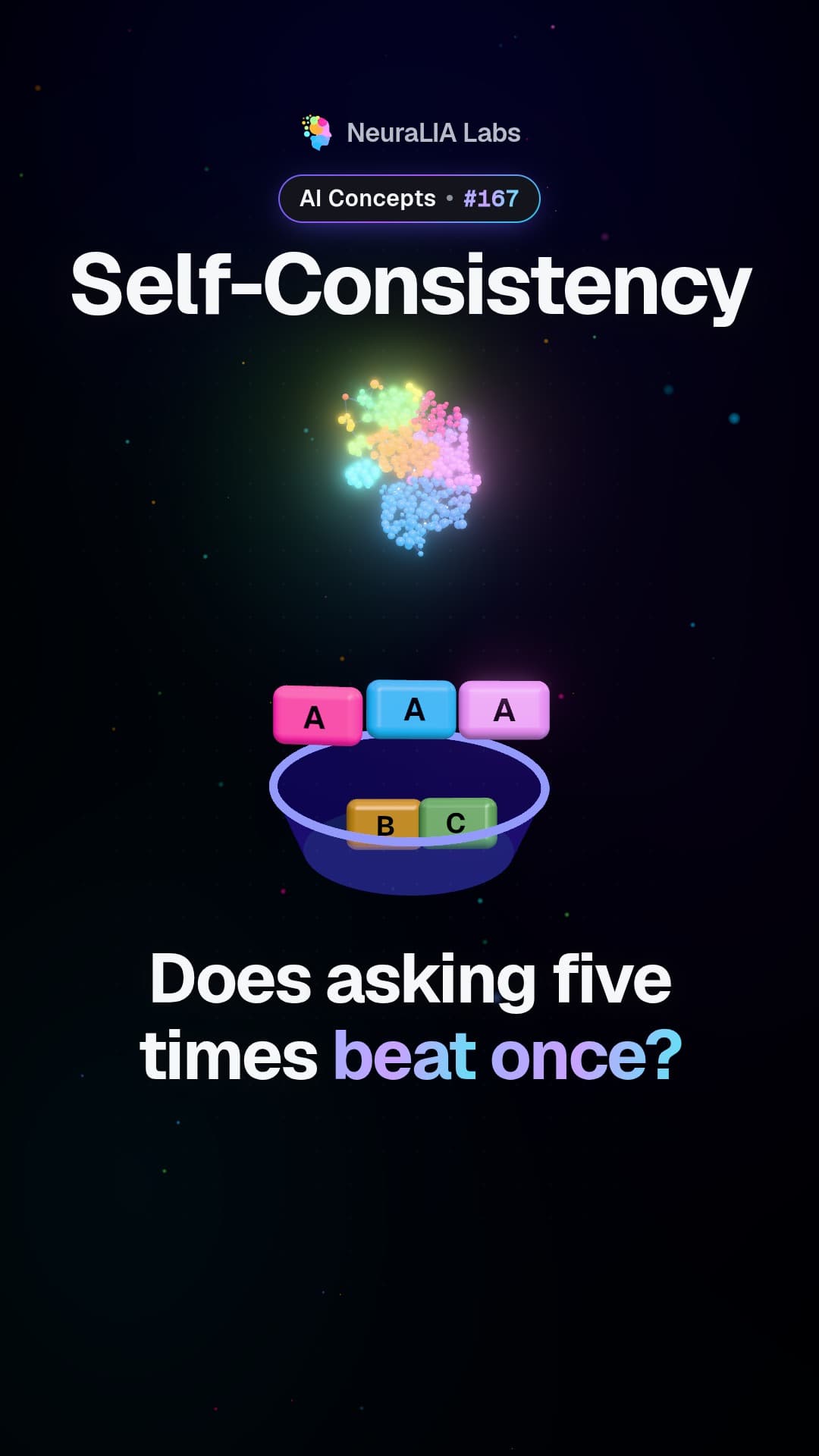 #167
Self-consistency: ask an AI several times, then trust the majority
 #168
Tree of thoughts: how an AI searches through ideas, and what it costs
 #169
Verifiable rewards: training AI on answers a program can check
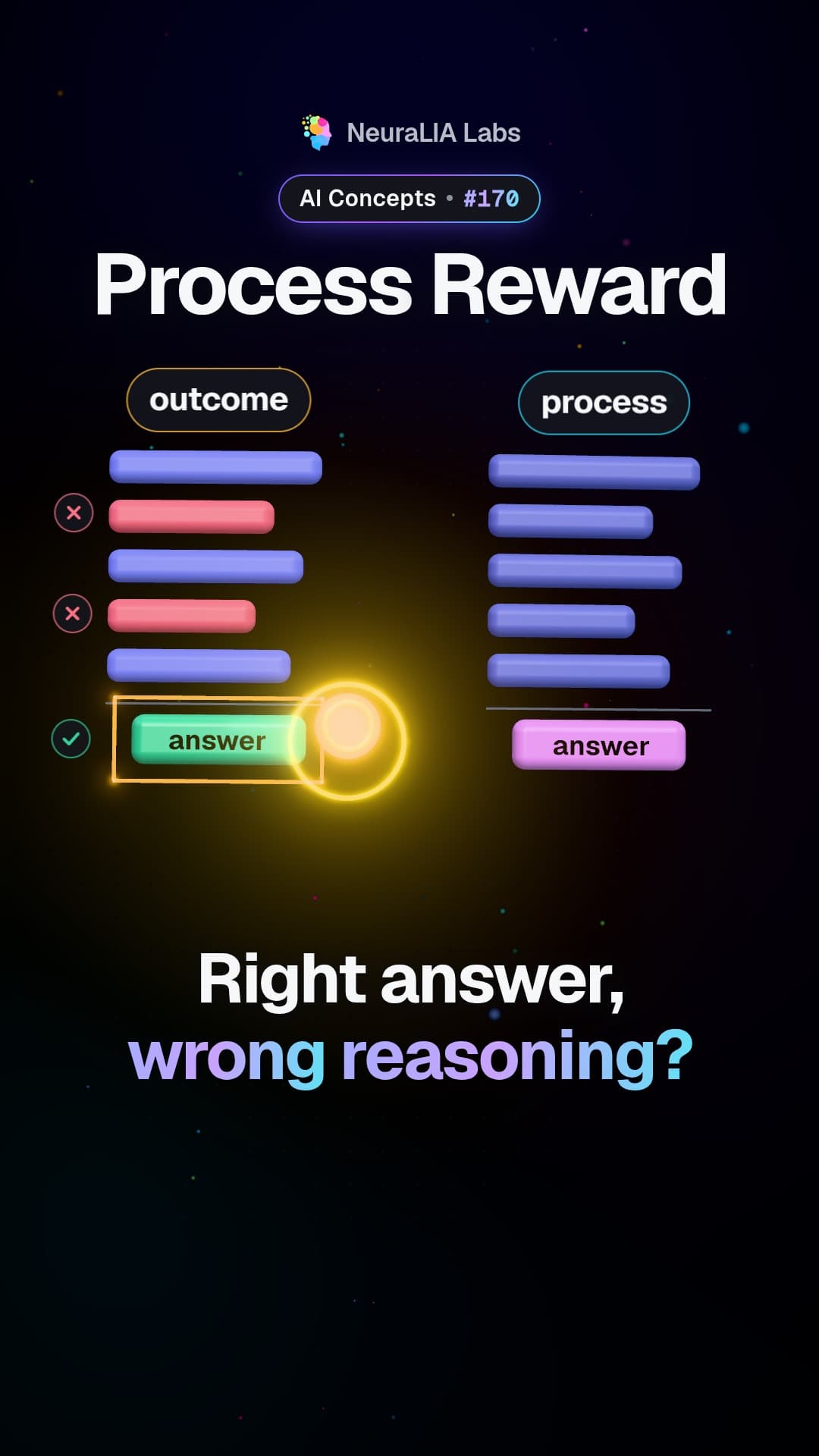 #170
Process reward: grading an AI's working, not just its final answer
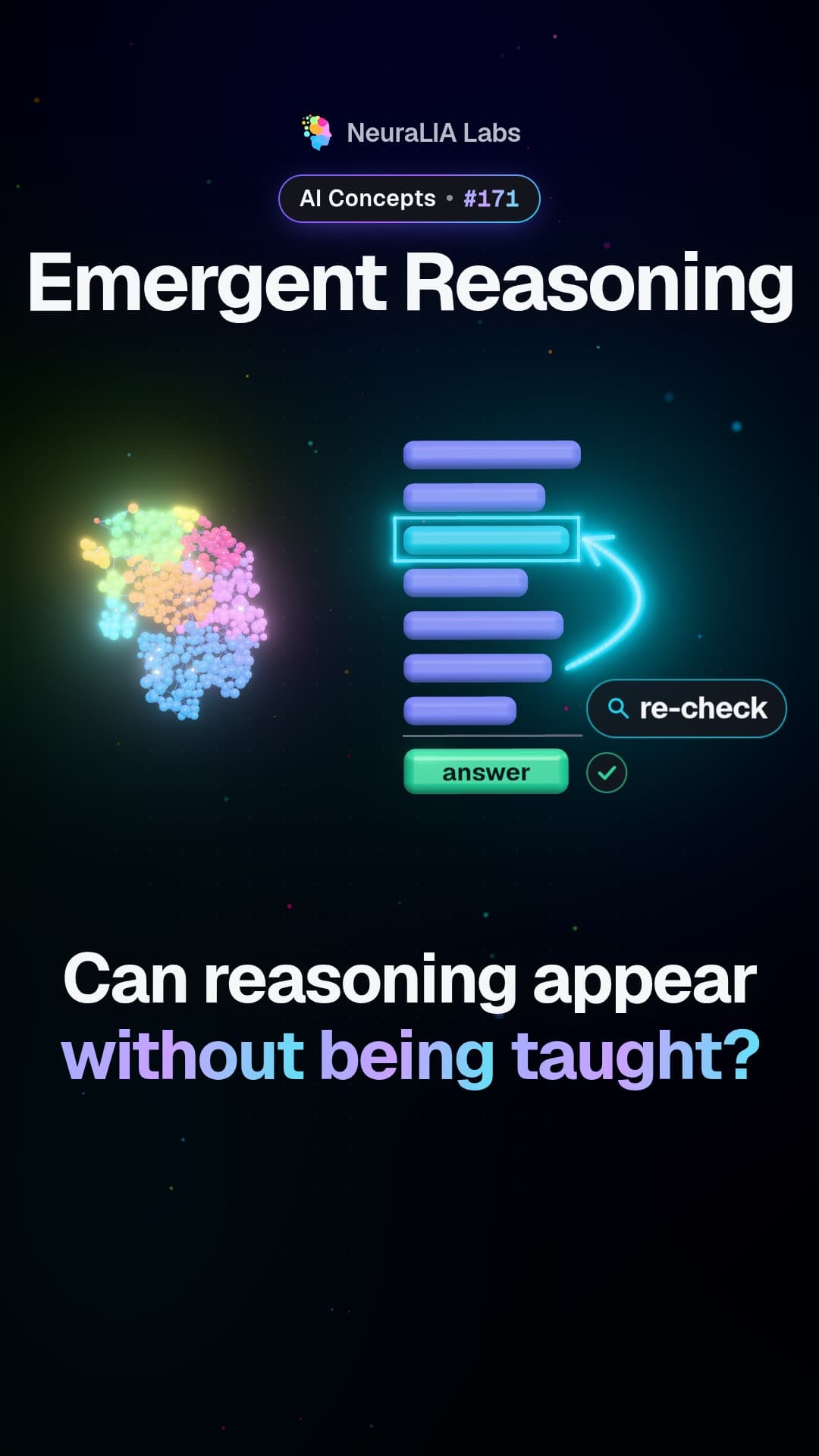 #171
Emergent reasoning: the AI that started double-checking on its own
Nội dung được viết với sự hỗ trợ của AI từ chương 12 trong khóa học miễn phí của chúng tôi.