
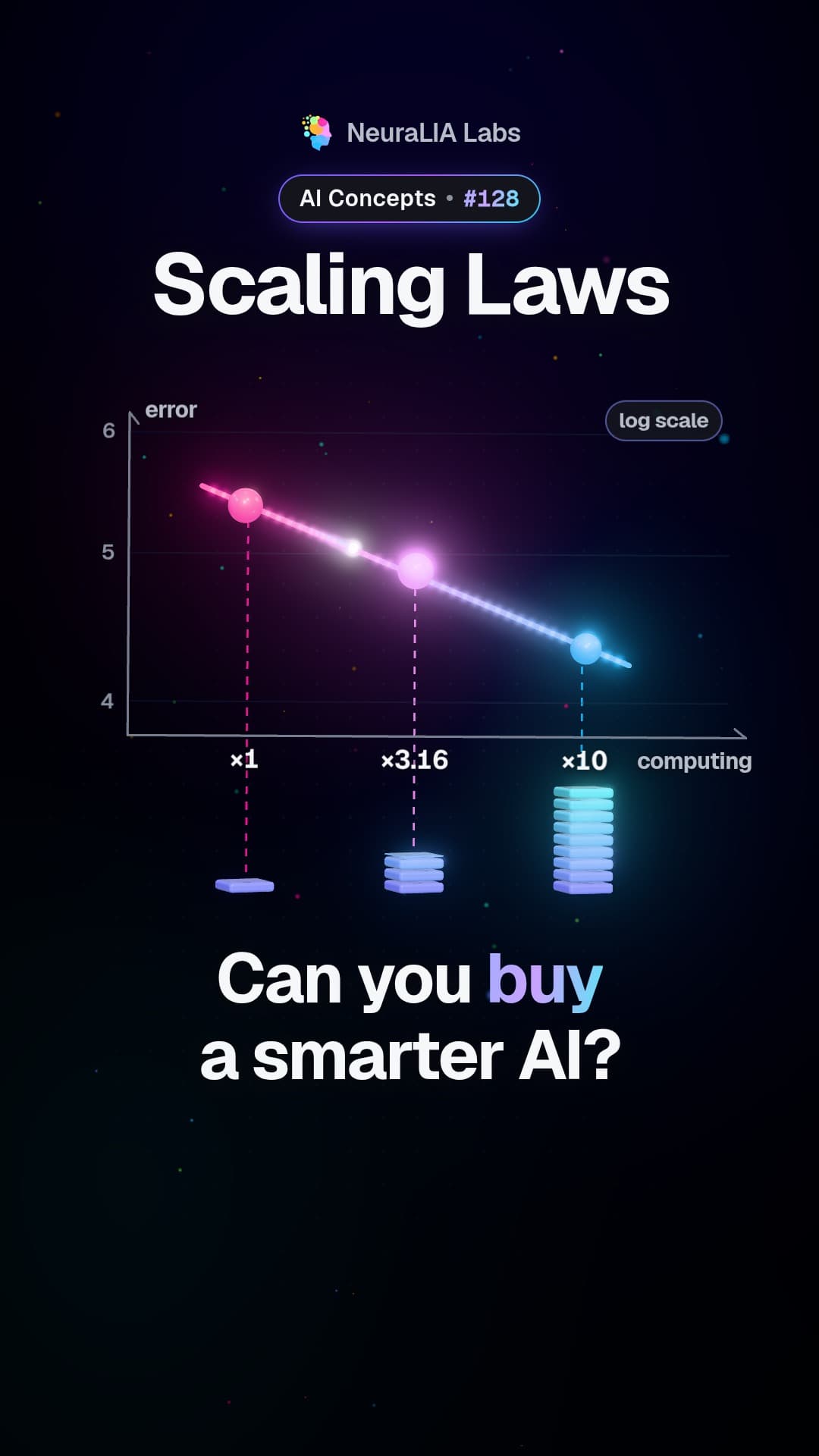
 #128
Questo video e il suo testo sono in inglese.
Training energy: how much power AI uses, and why figures mislead
Training a big AI model uses real electricity, but emissions depend on the power grid. Learn the careful numbers, and the famous figure that was 88 times too high.
Nel dettaglio
What training energy is
Training a large AI model means keeping a huge number of computer chips busy for a long time. That takes electricity, and producing electricity usually releases greenhouse gases. Training energy is the question of how much power a training run really uses, and how much pollution comes with it.
The honest answer has three parts: the amount is real, it is often misquoted, and the pollution depends heavily on where the power comes from.
What the video shows
The video makes three points. Training a large AI uses real electricity. The emissions depend on the power grid behind it. And the field's most-quoted figure turned out to be 88 times too high. It also gives the wider picture: US data centres use 4.7% of the country's electricity.
A few units, in plain words
- A kilowatt-hour (kWh) is the unit on a household electricity bill. A megawatt-hour (MWh) is 1,000 of them.
- CO₂ equivalent (CO₂e) adds up all the greenhouse gases released and expresses them as the amount of carbon dioxide that would warm the planet just as much.
- A GPU-hour is one AI chip (a GPU, originally built for graphics) running for one hour.
The careful numbers
The most carefully documented figure comes from BLOOM, an open language model. Its training run took about 1.08 million GPU-hours and 433 MWh of electricity, and released 24.7 tonnes of CO₂e. Add the emissions from manufacturing the hardware and from machines sitting idle, and the total rises to 50.5 tonnes.
For comparison, Patterson and colleagues estimated GPT-3's training at 1,287 MWh and 552 tonnes. That is roughly three times BLOOM's electricity but more than twenty times its emissions. The two figures come from different teams using different methods, so treat the comparison as rough.
Why such a gap? Not mainly efficiency: BLOOM actually used more energy than another large model, OPT-175B. Its advantage was the French power grid, largely nuclear, which released about 57 grams of CO₂ per kWh.
An everyday example
Imagine two identical electric cars driving the same distance. One charges from a grid that burns a lot of coal. The other charges from a grid that runs mostly on nuclear or hydro power. They use the same amount of electricity, yet their emissions are completely different. "How much energy?" is only half the question. "Where did it come from?" is the other half.
The figure that was 88 times too high
The most-quoted emissions number in the field came from a study by Strubell and colleagues: 626,155 pounds of CO₂ for a neural architecture search, an automated process where computers try out many possible network designs. It was later shown to be about 88 times too high. The estimate assumed the search ran on full-size models, when in fact it ran on a smaller stand-in model.
Why it matters
Numbers for a single training run are easy to misquote and hard to compare, because they depend on the grid, on what gets counted, and on assumptions that can be badly wrong. The framing that holds up best is at the level of a whole industry: US data centres, the buildings full of servers behind the internet as well as AI, used 192 terawatt-hours in 2024 (a terawatt-hour is a billion kWh). That was about 4.7% of all the electricity used in the country, a figure that belongs to an industry rather than to any one model.
Learn it step by step in Chapter 10 of our free course AI From Scratch: Pretraining an LLM: Data, Compute, Scaling Laws and Cost.
Anche su
Altri da questo capitolo
- #128
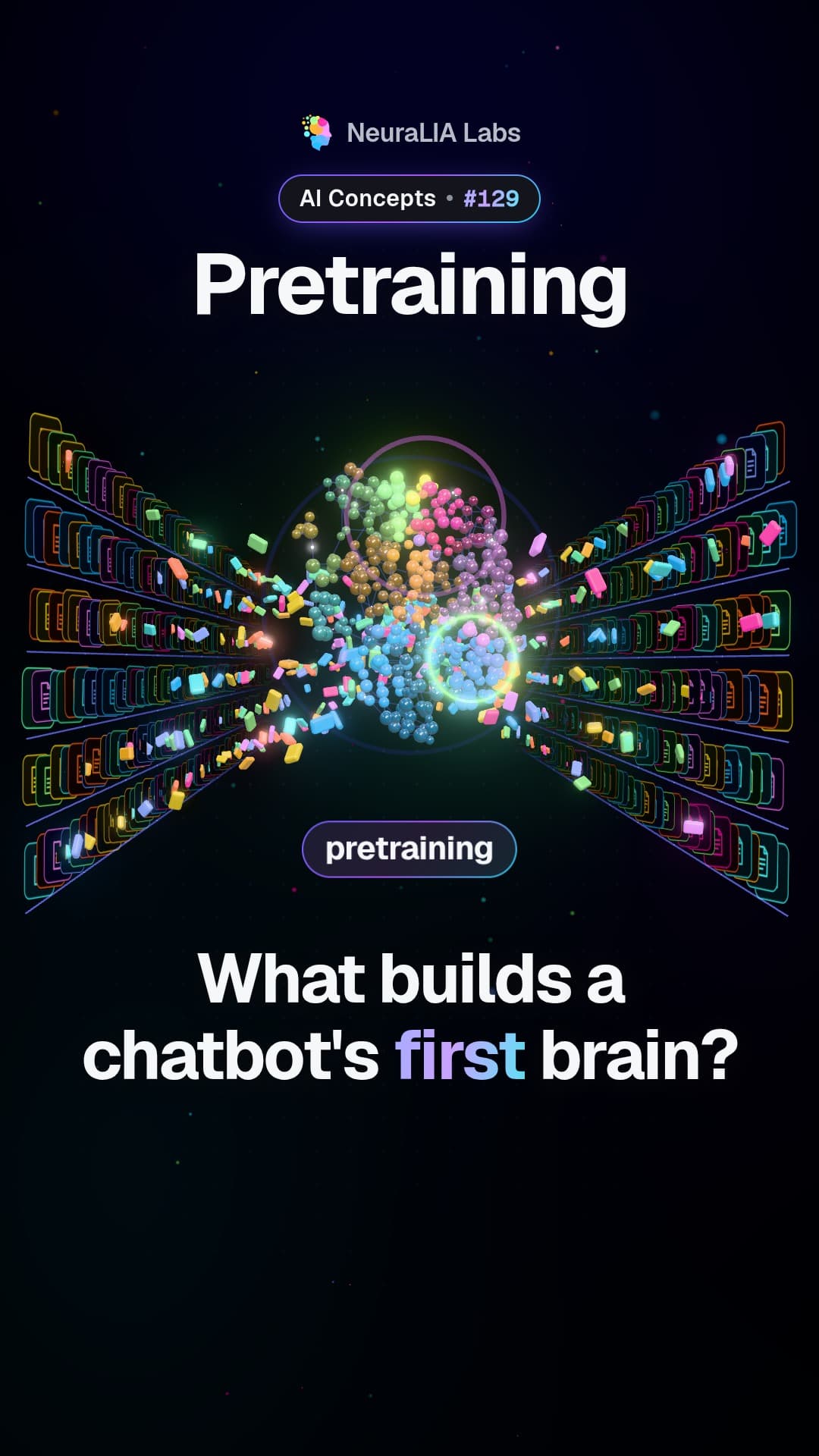 #129
Pretraining: the guess-the-next-word game played on a whole library
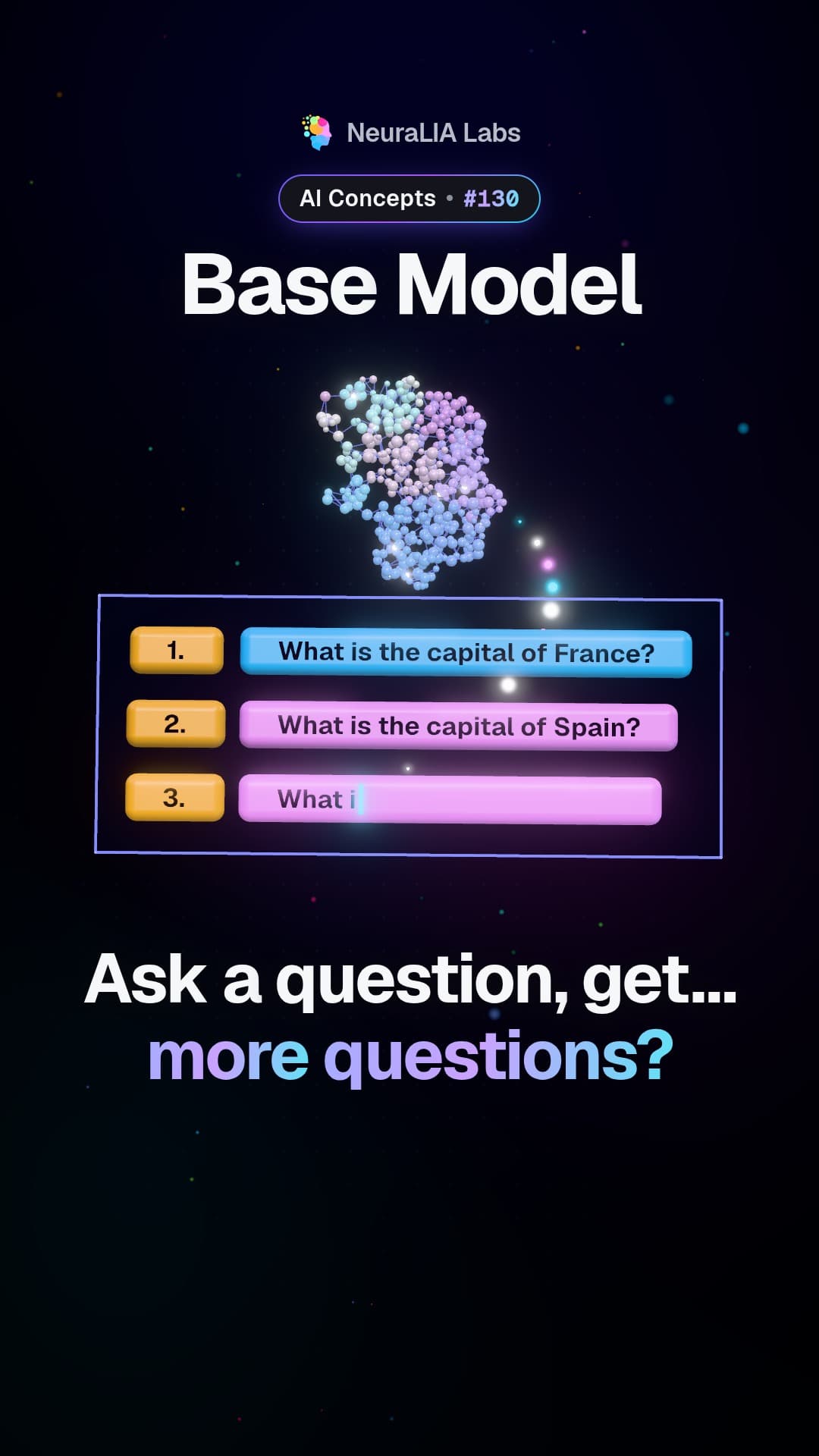 #130
Base model: the AI that continues your text instead of answering
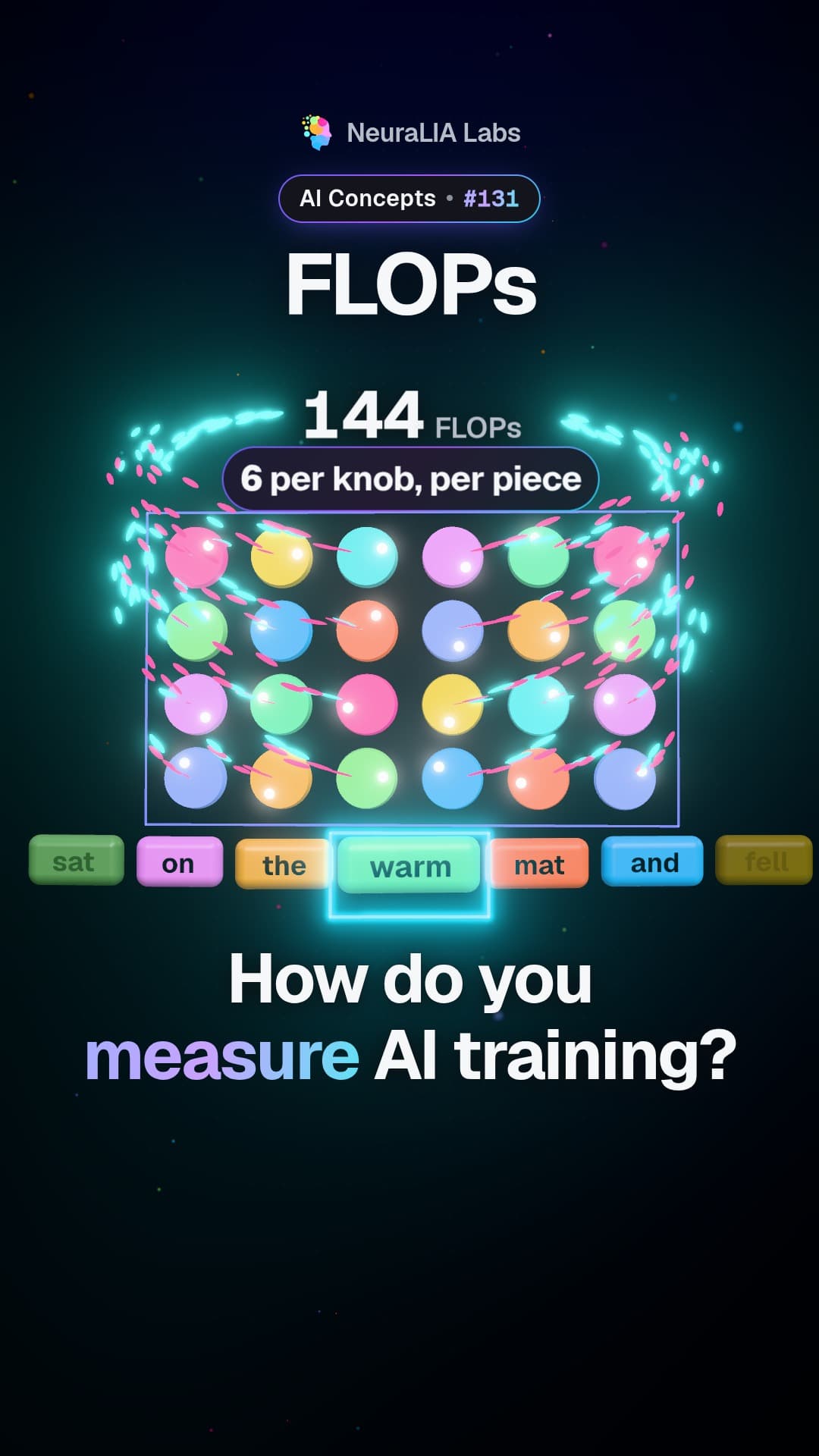 #131
FLOPs: the six-operation rule for sizing an AI training run
 #132
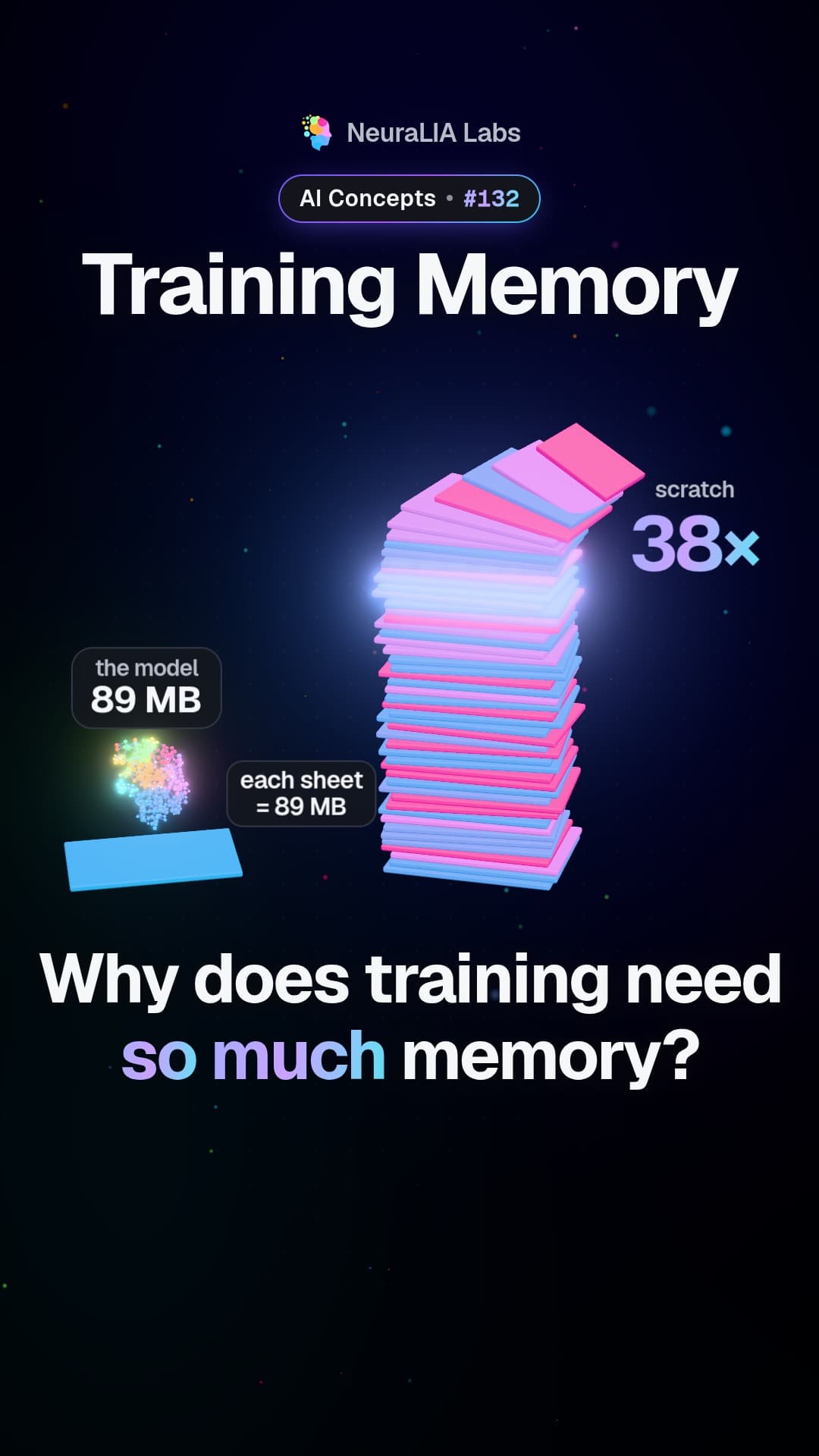
Training memory: 16 bytes per setting, plus a mountain of scratch work
 #133
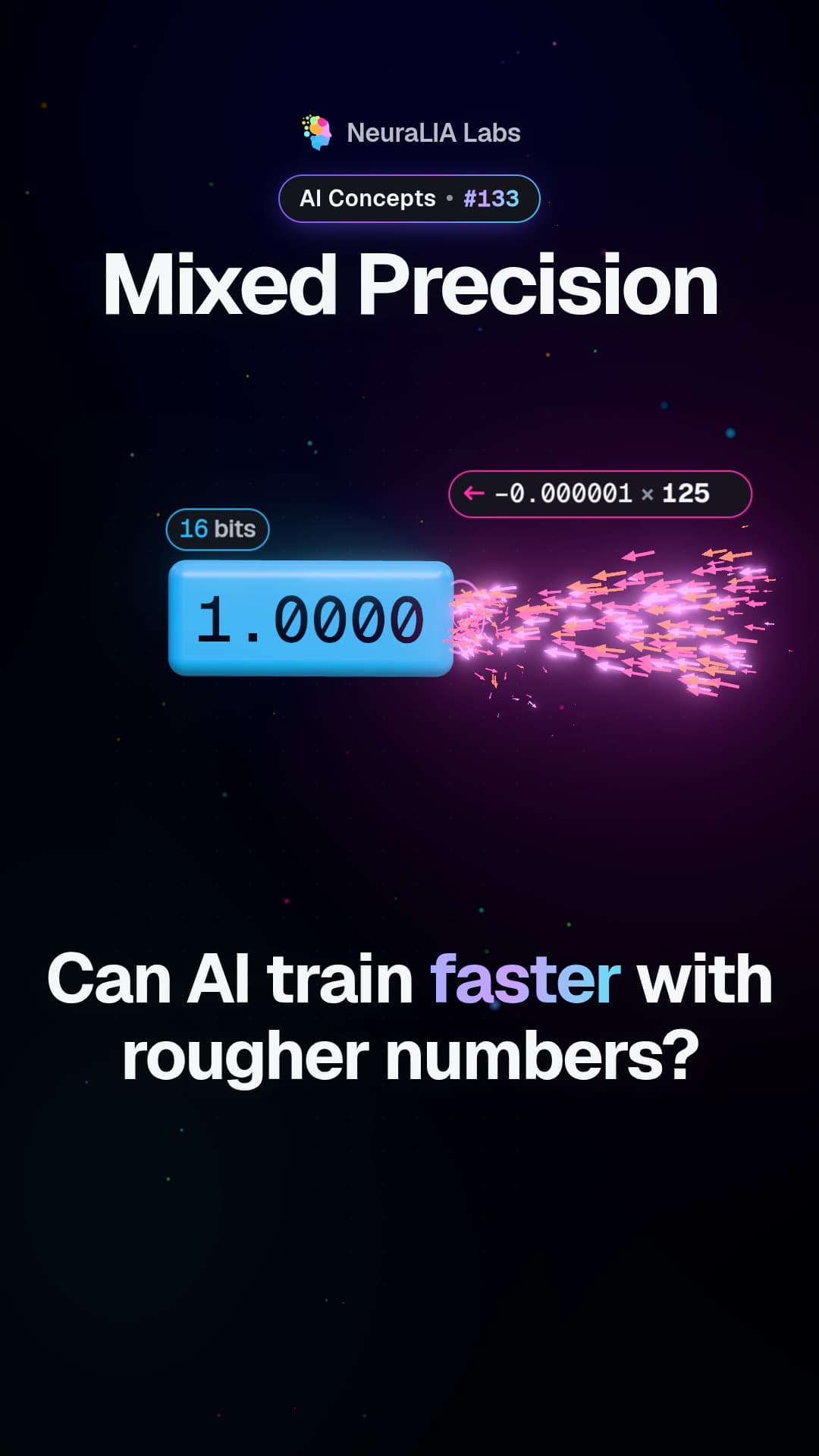
Mixed precision: faster AI training without losing the tiny updates
Testo scritto con assistenza AI dal capitolo 10 del nostro corso gratuito.