
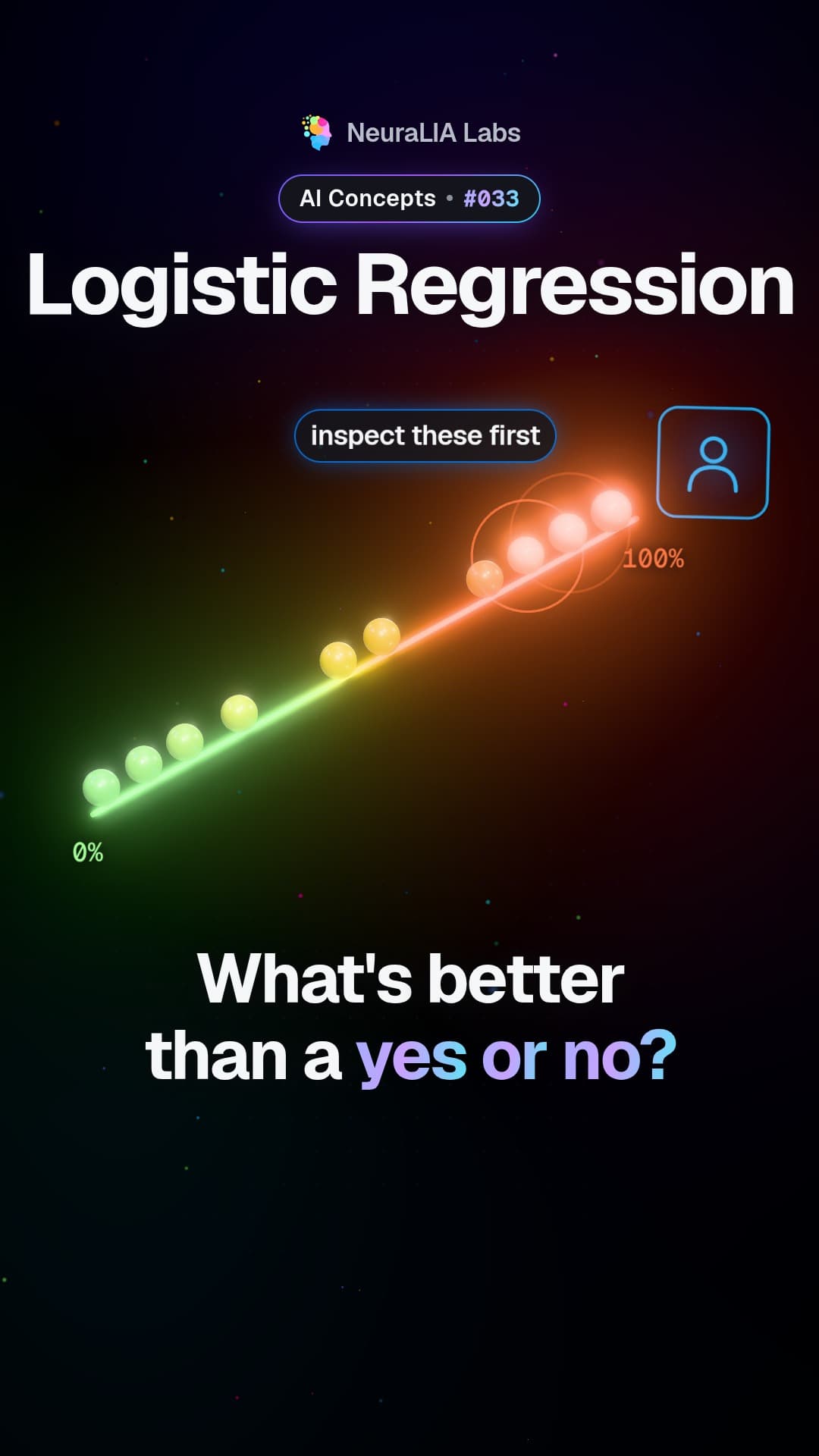
 #033
Den här videon och dess text är på engelska.
Precision and recall: is the alarm right, and does it catch enough?
Precision asks whether an AI's alarms were real; recall asks how many real problems it caught. Learn why a model can ace one, fail the other, and who decides.
I detalj
What precision and recall are
When an AI model raises alarms, for example flagging emails as spam or factory parts as defective, two separate questions matter:
- Precision: of everything the model flagged, how much was really a problem? It tells you how many alarms were wasted.
- Recall: of all the real problems out there, how many did the model catch? It tells you how many slipped through.
A model can score well on one and terribly on the other. That is why a single headline number, such as accuracy (the share of all answers that were right), can hide so much.
What the video shows
The video looks at a model that flags defective parts. When it raises an alarm, it is usually right: 8 of its 10 flags were real defects, so its precision is 0.80. But there were 74 defective parts in total, and it caught only 8 of them. Its recall is 8 out of 74, about 0.108. Right when it speaks, silent most of the time.
An everyday example
Imagine fishing with a small hand net that you only dip in when you can clearly see a fish. Almost everything you pull up is a fish, not an old boot, so your precision is excellent. But you leave most of the fish in the lake, so your recall is poor. Now drag a huge net through the whole lake and the picture flips: you catch nearly every fish, along with boots, weeds and plastic bags.
Neither net is simply correct. Each one answers a different question.
Which one matters more
Here is the key point: choosing between the two is a business decision, not a mathematical one. You have to ask what each kind of mistake costs.
In the course's factory example, a wasted inspection costs a few seconds of someone's time. A defective part that slips through reaches a customer and can lead to a recall. So recall matters most here, and catching 8 of 74 defects is a failure, even with 80% precision.
Change the setting and the answer can change too. Imagine a filter that moves emails into a spam folder. There, a false alarm hides a message you needed, so you might care more about precision.
How to use them
- Always ask for both numbers, never just one.
- Before you look at any scores, write down which mistake is more expensive: a false alarm or a miss.
- Expect a trade-off. Making the model flag things more readily usually catches more real problems but also raises more false alarms. That setting is the decision threshold, the cut-off at which a probability turns into a yes, and it deserves its own explanation.
The counts behind both numbers (right flags, false alarms and misses) come from a confusion matrix, a simple table of hits and mistakes.
Why it matters
In the course, this same model reaches 98.3% accuracy, which sounds excellent. Yet it lets 66 of the 74 defective parts through. Precision and recall are how you find that out. Whenever someone quotes one impressive score for a system that raises alarms, ask two questions: when it warns, is it right? And how much does it miss?
Learn it step by step in Chapter 4 of our free course AI From Scratch: Classification, Cross-Entropy, and How Not to Fool Yourself.
Finns även på
Mer från det här kapitlet
- #033
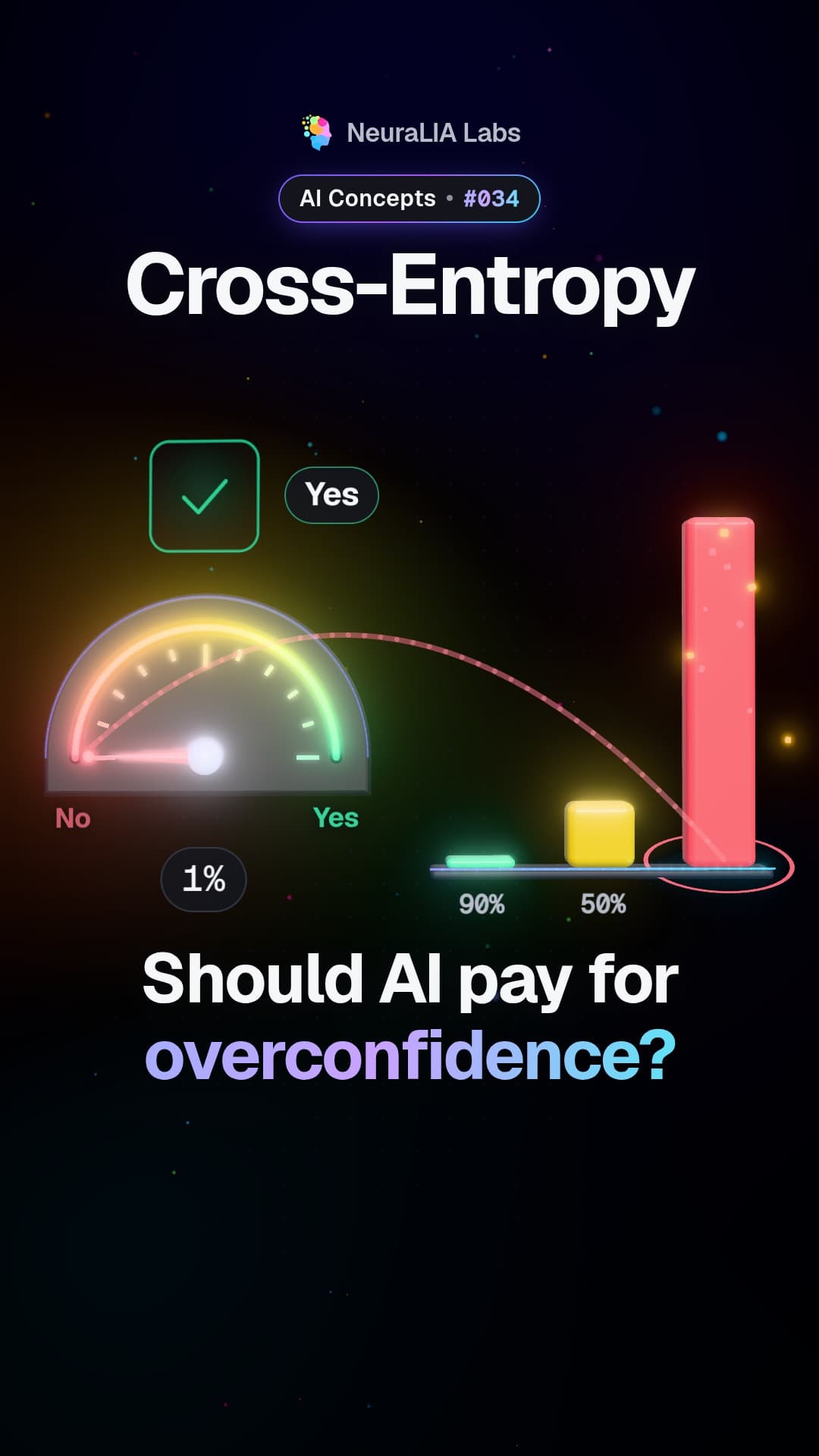 #034
Cross-entropy: the score that makes AI pay for confident mistakes
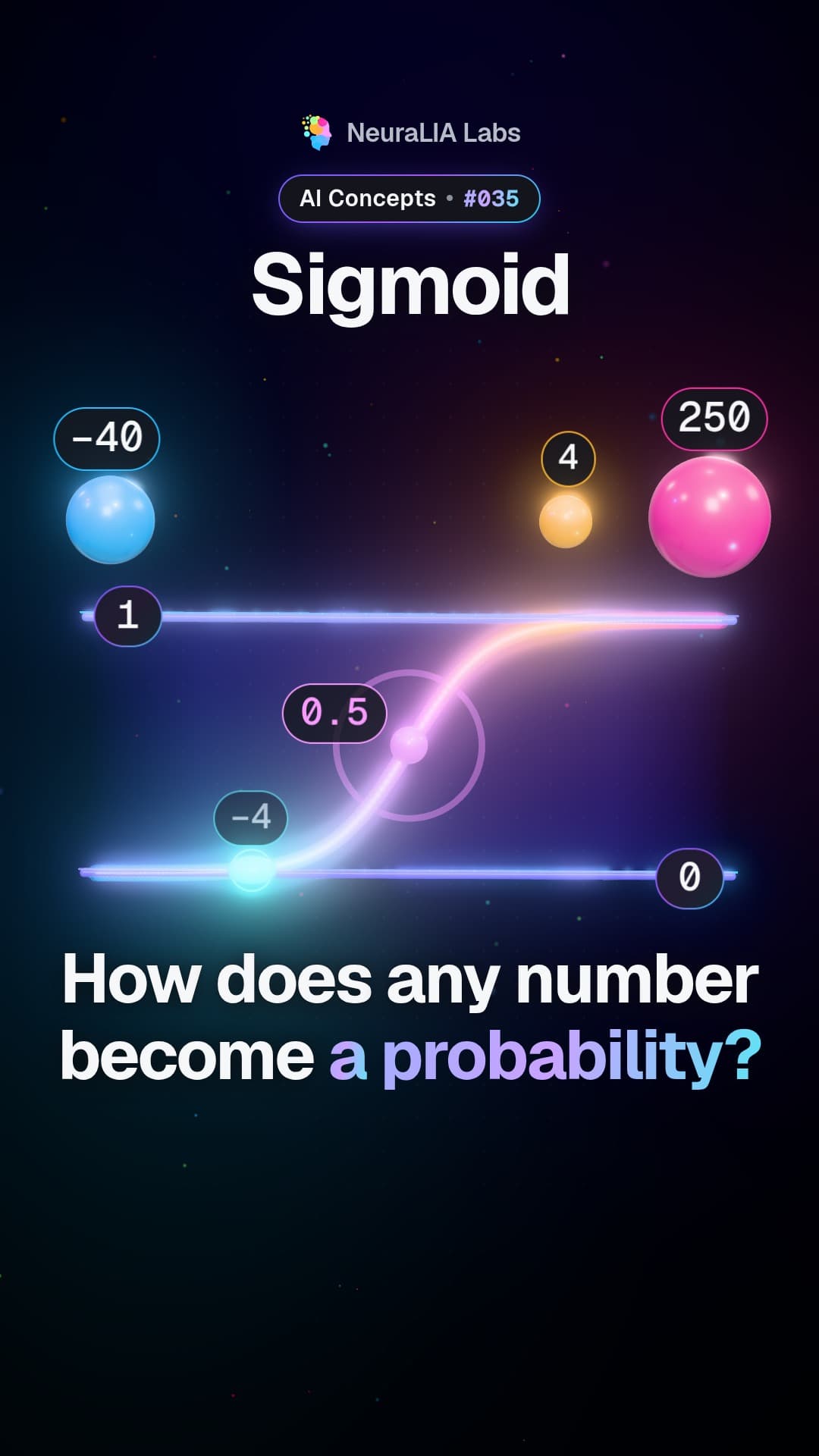 #035
Sigmoid: the S-shaped curve that turns any score into a probability
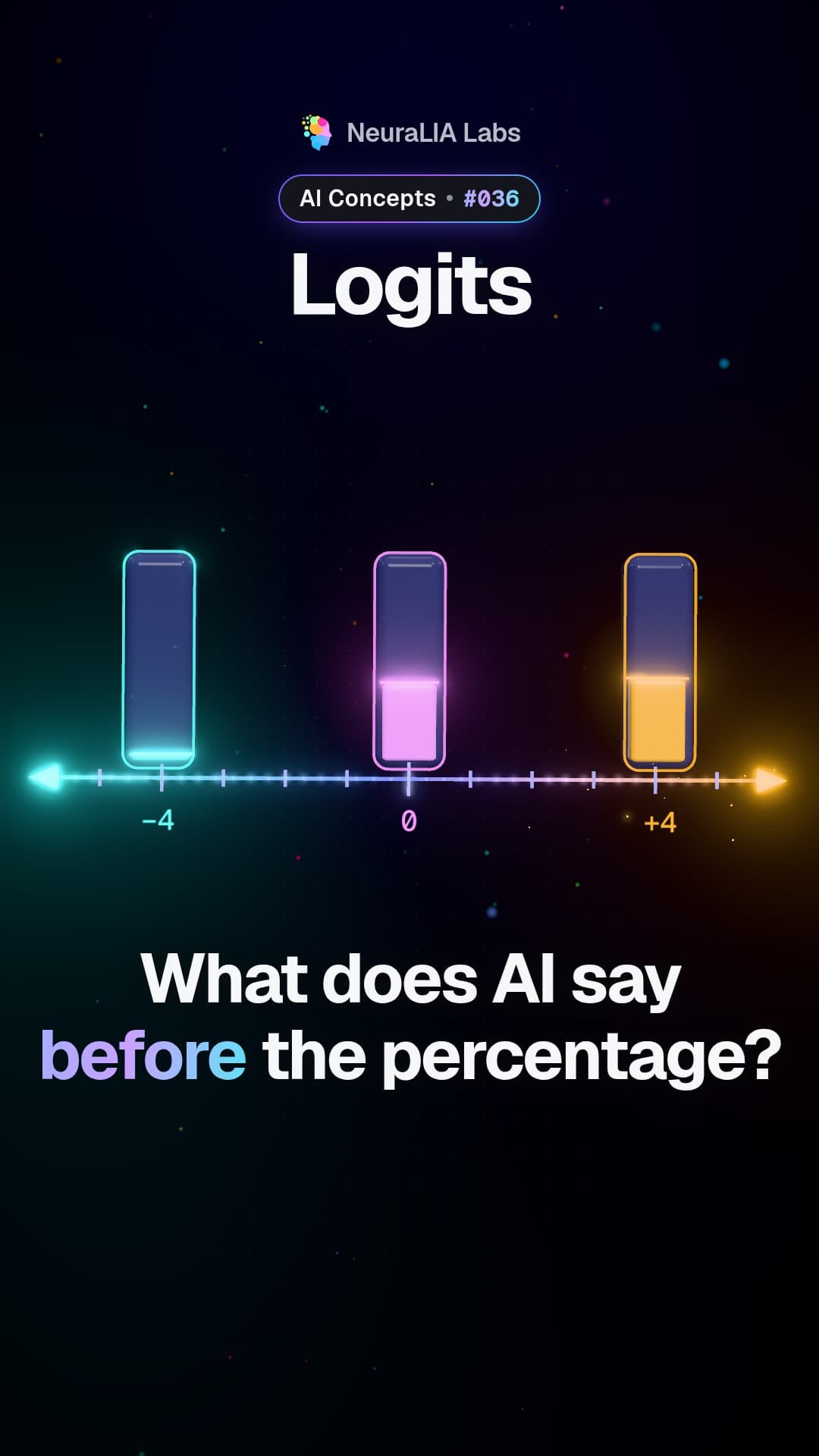 #036
Logits: the raw bet a model places before it gives you a percentage
 #037
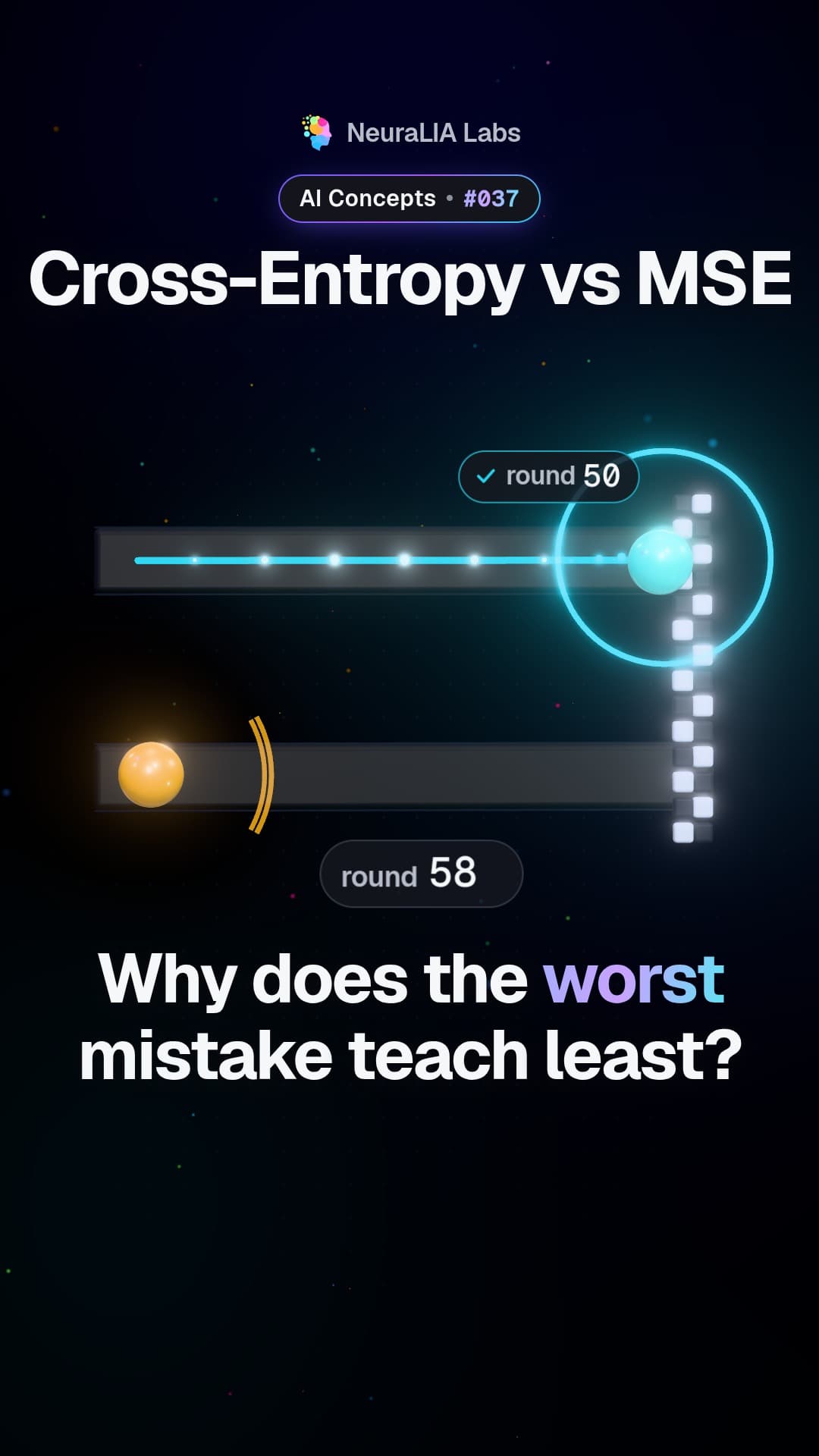
Cross-entropy vs MSE: why squared error stalls on its worst mistakes
 #038
Entropy: measuring surprise, and the floor no blind guess can beat
Text skriven med AI-hjälp från kapitel 4 i vår gratiskurs.