
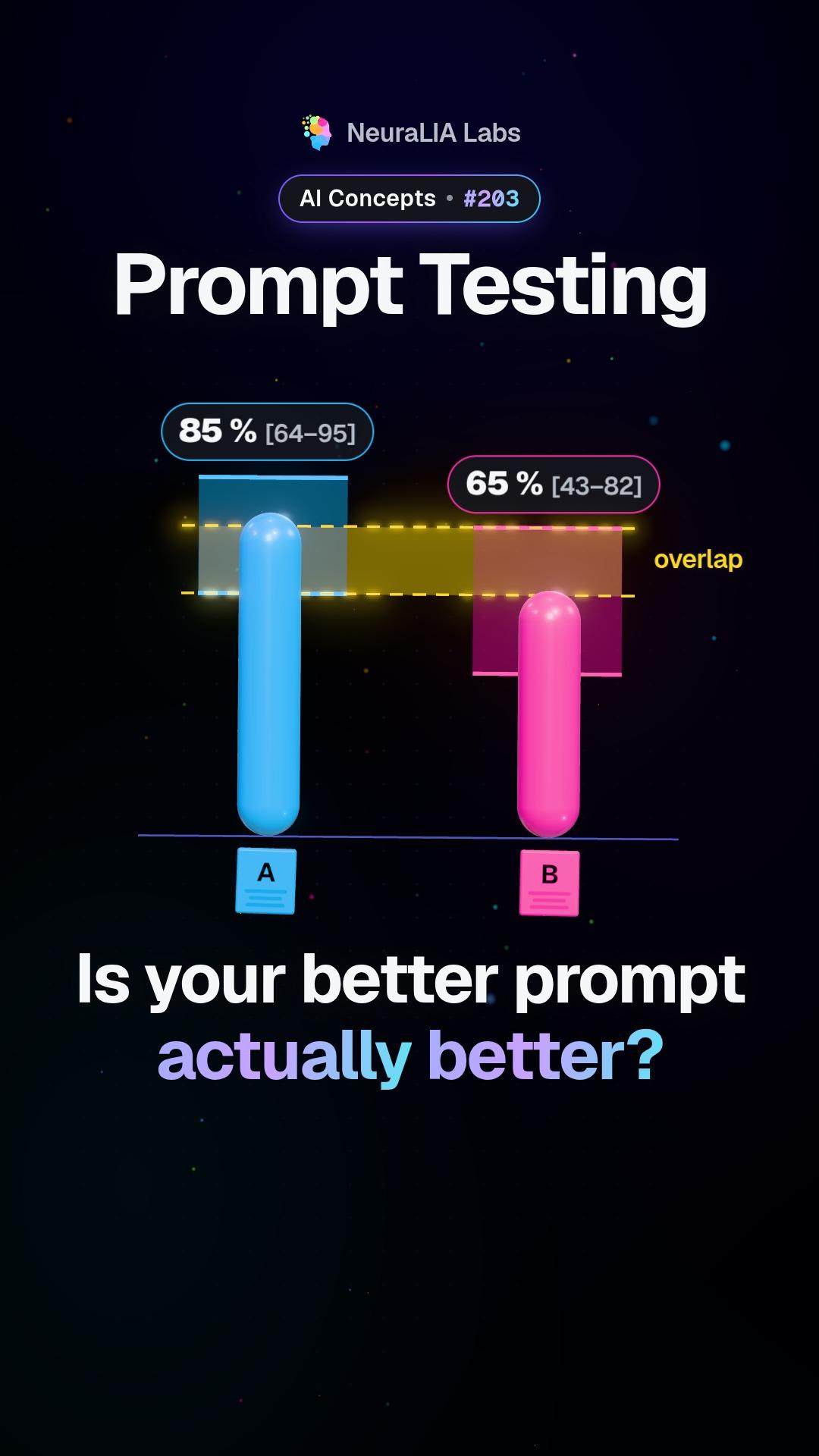
 #203
Tämä video ja sen teksti ovat englanniksi.
Negative instructions: why telling an AI "don't" can backfire
Forbidding one option made a small AI pick it three times more often. Learn why "do not" rules backfire in prompts and how to rewrite them as positive rules.
Tarkemmin
What a negative instruction is
A negative instruction is a rule written as a ban: "do not explain", "never use this option", "do not mention that". It feels like the most precise way to steer an AI model, because you name exactly what you do not want. The trouble is that naming something is also a way of bringing it up. With language models, a "don't" can end up working as an invitation.
What the video shows
Forbidding one option made a small AI choose that option about three times more often, because naming something puts it in the prompt. Its advice: write the rule as what to do instead.
The experiment behind it
In the course, one small model reads customer support tickets and sends each one to one of four queues, shipping among them. One sentence was added to its instructions: "Do not use the shipping queue for software problems." Then the course looked only at the 45 tickets that had nothing to do with shipping.
| | Chose "shipping" by mistake | Overall accuracy | |---|---|---| | Before the ban | 11.1% of those tickets | 76.7% | | After the ban | 37.8% of those tickets | 51.7% |
Naming the forbidden queue made it roughly three times more popular and cost 25 points of accuracy. Compared ticket by ticket, 16 answers got worse and only 1 got better.
A second test points the same way. The goal was an answer of exactly one word:
- "Answer with one word." worked in 10 of 60 cases.
- Three bans (don't explain, don't write a sentence, don't add punctuation) worked in just 1 of 60, and the model wrote about five times more text than with the one positive line.
- Both together worked in 41 of 60.
Why "don't" backfires
A language model writes by picking the next word from a list of likely options, and those odds are shaped by everything already in the prompt. It has no built-in switch that means "not". When the word "shipping" appears in your instructions, even inside a ban, it becomes part of what the model is looking at, and that nudges it towards shipping. It is the old "don't think of an elephant" problem, measured.
An everyday example
Imagine sending someone to the shop in a hurry with a note that says "don't buy the big-brand coffee". At the shelf they glance at the note, and the only coffee named on it is the one they should not buy. A note that says "buy the store-brand coffee in the green packet" leaves nothing to misread. A positive rule gives the reader a target; a ban only gives them the thing to avoid. A person usually copes with the "don't"; a model, with no built-in "not", copes worse.
How to rewrite a ban
Replace each prohibition with the positive rule that makes it unnecessary:
- Instead of "do not use shipping for software problems", write "use shipping only when a physical parcel is involved".
- Instead of relying on "do not" lines about format, always state the format you want: "answer with one word". In the test, the three bans alone worked 1 time in 60; with that positive line added, 41 times.
Then test the new wording on your own cases, the way the course did, rather than trusting that it reads better.
Why it matters
When a model makes a mistake, the natural reflex is to add another "do not" line to the prompt. These tests show why that reflex can backfire: every ban mentions the very thing you are trying to prevent. Here, adding a ban cost accuracy, and it was the positive rule that rescued the format.
Learn it step by step in Chapter 15 of our free course AI From Scratch: Prompt Engineering, Measured: What Changes the Output.
Myös palvelussa
Lisää tästä luvusta
- #203
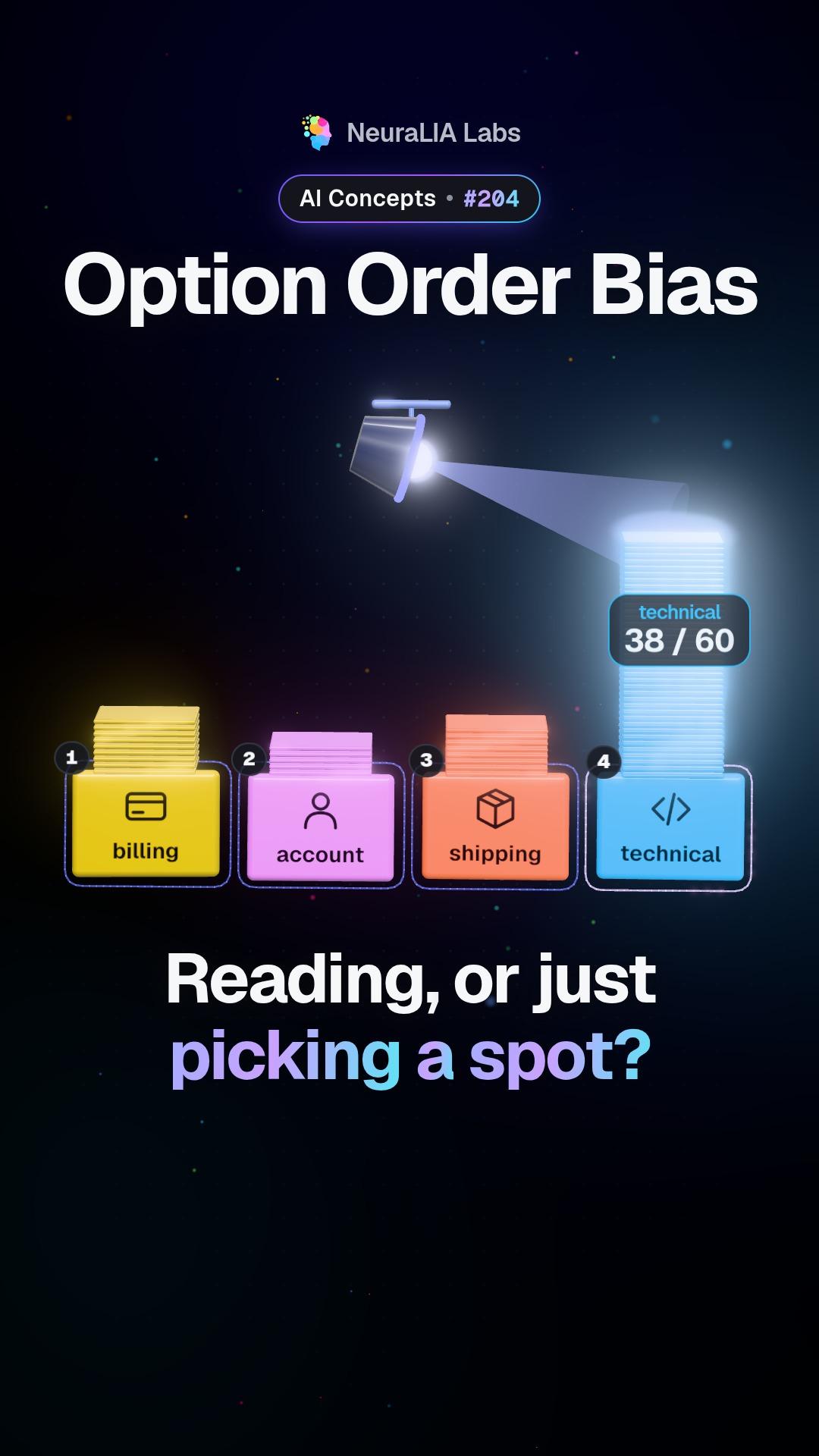 #204
Option order bias: when an AI picks a position, not an answer
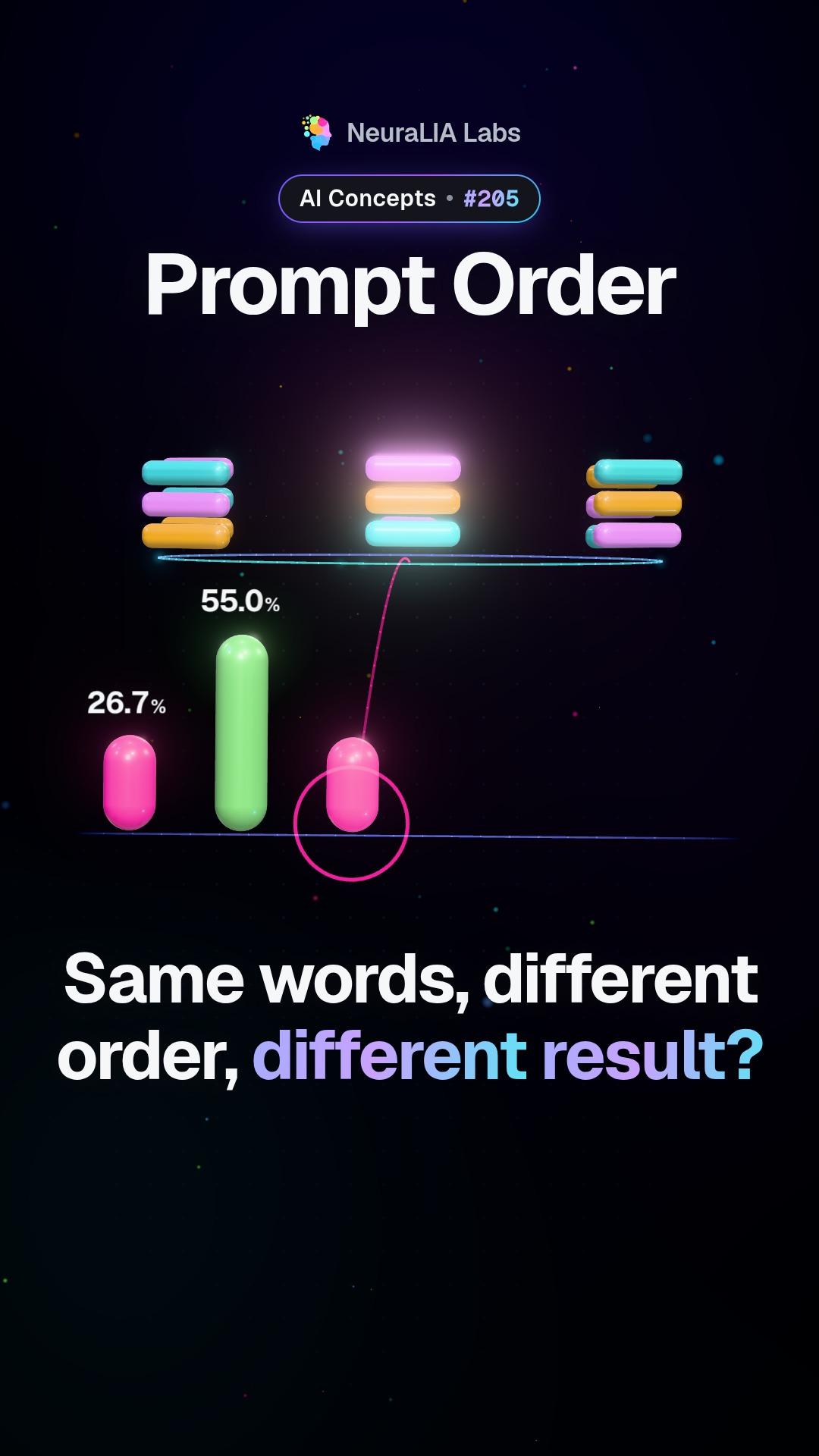 #205
Prompt order: the same words, rearranged, can double AI accuracy
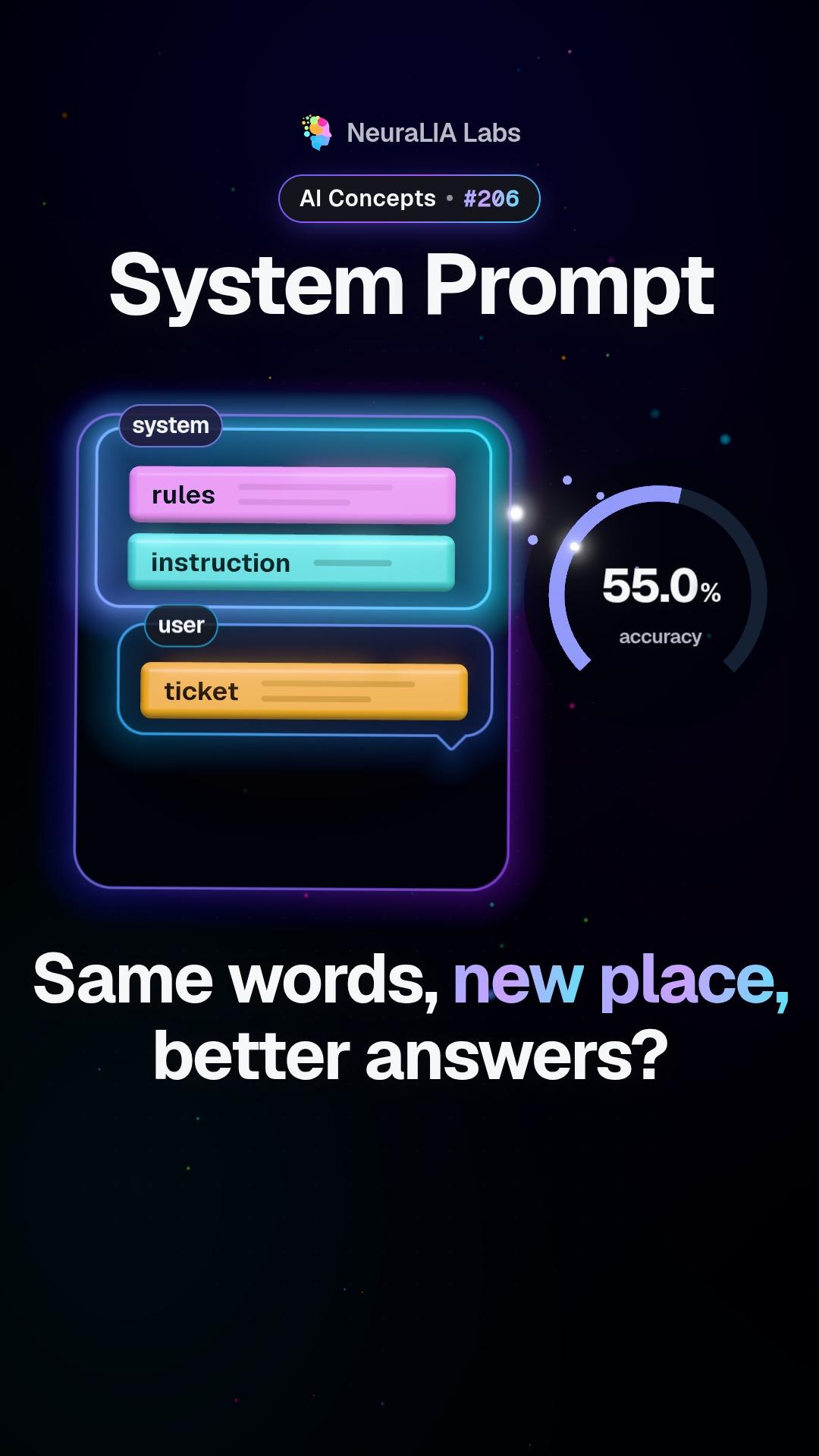 #206
System prompt: why where you put AI instructions changes results
 #207
Prompt formatting: how quotes and tags quietly shift AI accuracy
 #208
Few-shot prompting: how many examples an AI prompt really needs
Teksti on kirjoitettu AI-avusteisesti ilmaisen kurssimme luvun 15 pohjalta.