
 #033
Tämä video ja sen teksti ovat englanniksi.
AUC: how well a model ranks, before you set any alarm line
AUC asks whether a model ranks real problems above harmless cases. Learn what the number means, why alarm settings barely move it, and where it can mislead.
Tarkemmin
What AUC is
Many scores for an AI model depend on where you draw the line between yes and no. AUC does not. It judges something that comes earlier: how well the model ranks cases, from most suspicious to least suspicious.
The definition is a small game. Take one real problem case and one harmless case at random, for example one defective part and one good part. Ask the model which of the two looks more suspicious. AUC is how often it points at the defective one. An AUC of 1.0 means it wins every pair. A model that guessed at random would win about half of the pairs, so 0.5 means no skill at all.
The letters stand for "area under the curve", after the chart the number is usually read from. You do not need the chart: the pair game is the whole idea.
What the video shows
The video explains AUC through that pair game: pick one bad item and one good item at random, and check how often the model ranks the bad one higher. Then it shows that changing the alarm settings barely moves AUC, because the ranking itself stays the same.
An everyday example
Imagine a weather forecaster who gives a chance of rain every day. You decide to carry an umbrella whenever the forecast says 40% or more. That 40% is your personal line. AUC ignores your line and asks a different question: if you pick one rainy day and one dry day at random, did the forecaster give the rainy day the higher chance? A forecaster who gets that right almost every time is useful, whatever umbrella rule you follow.
How it works in practice
In the course, a model that checks factory parts has an AUC of about 0.936. Yet at its default setting it catches only 8 of 74 defects, which sounds terrible. Both facts are true at once: the model ranks parts well, but its alarm line is in the wrong place. That is the course's own verdict: here the threshold, not the model, is the problem.
The course then retrains the model, telling it that defective parts count 10 times, and then 60 times, more than good ones. Precision (how many alarms are real) and recall (how many defects are caught) swing a long way. AUC moves by 0.0002. That tiny change is the evidence: reweighting did not teach the model anything new. It only slid the same ranking along the same trade-off. Moving the alarm line by itself would not change AUC at all, since AUC never looks at the line.
AUC also works as a warning light. When the course hunts for a hidden leak, meaning an input that secretly contains the answer, it scores each input on its own. Two genuine measurements reach 0.87 and 0.79. One suspicious column reaches 0.996 all by itself. A single input that ranks almost perfectly deserves suspicion, not celebration.
Where it can mislead
AUC is not the whole story. The course's sources warn that when the problem cases are very rare, AUC on its own can make a model look better than it really is. And a good ranking is not yet a decision: you still have to choose where to draw the line, and still check what that line catches and what it misses.
Why it matters
AUC answers the question worth asking before any other: can this model tell the two kinds of case apart at all? If yes, you can tune the alarm line to suit the business. If no, no setting and no amount of reweighting will rescue it.
Learn it step by step in Chapter 4 of our free course AI From Scratch: Classification, Cross-Entropy, and How Not to Fool Yourself.
Myös palvelussa
Lisää tästä luvusta
- #033
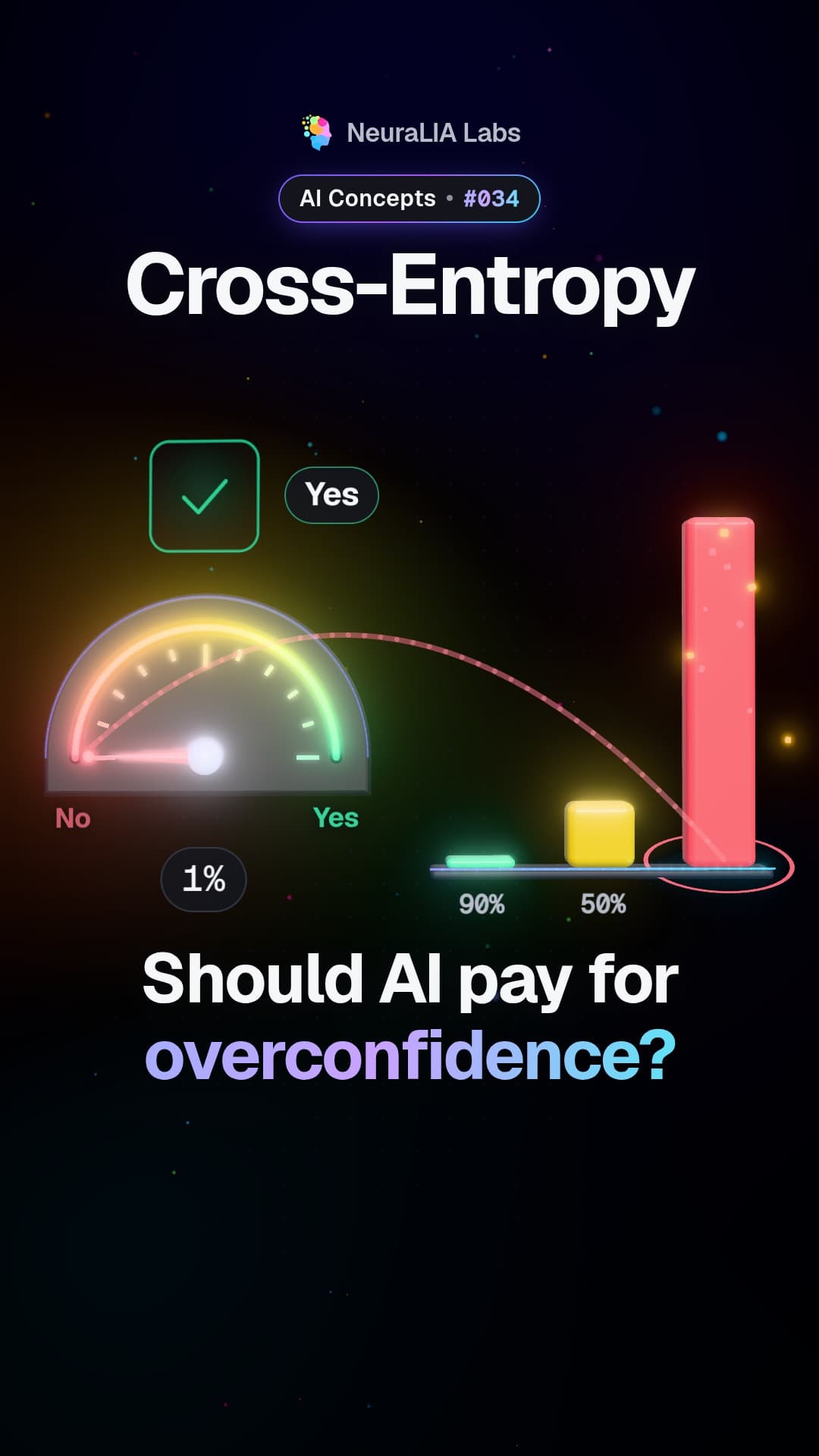 #034
Cross-entropy: the score that makes AI pay for confident mistakes
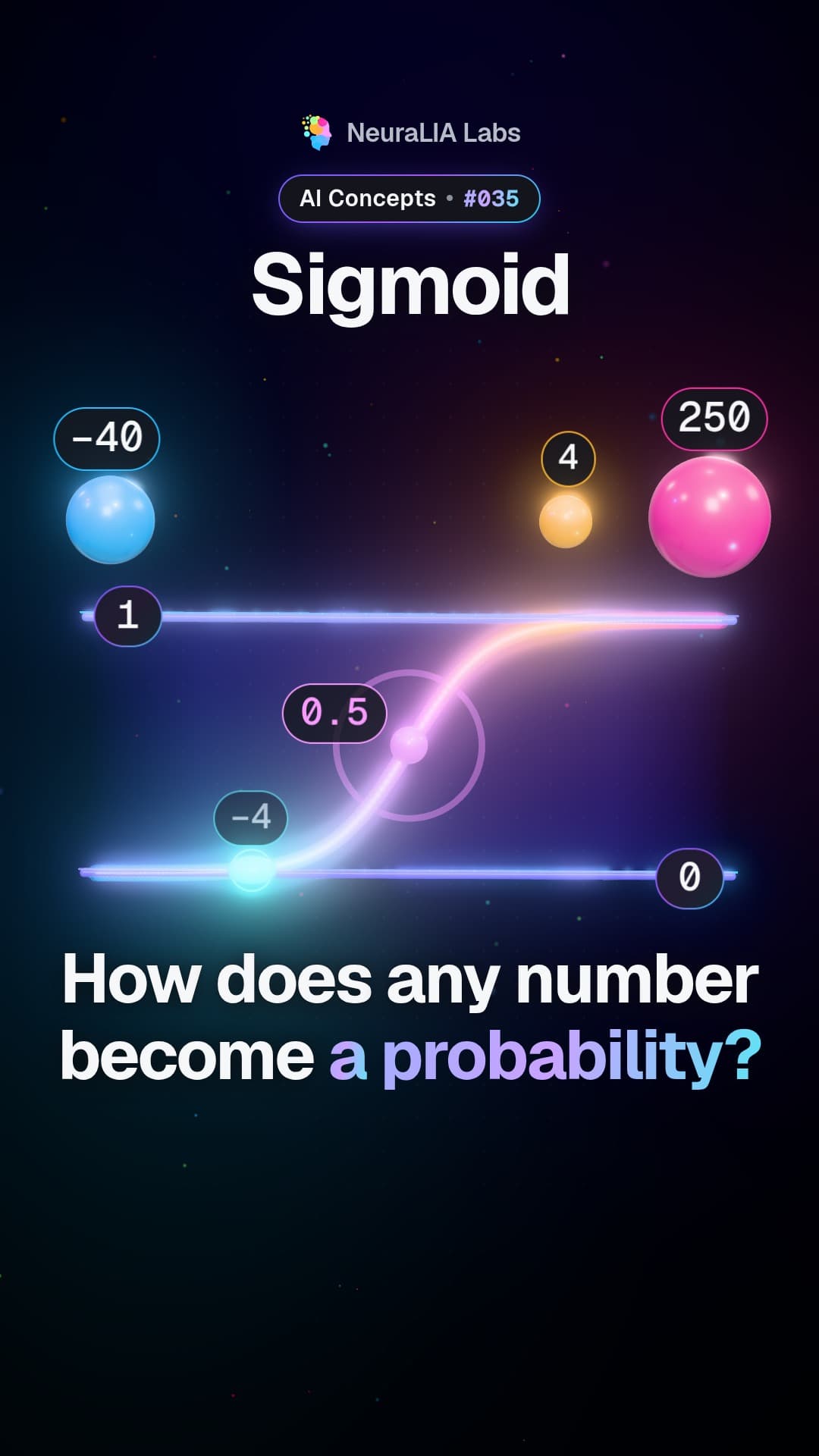 #035
Sigmoid: the S-shaped curve that turns any score into a probability
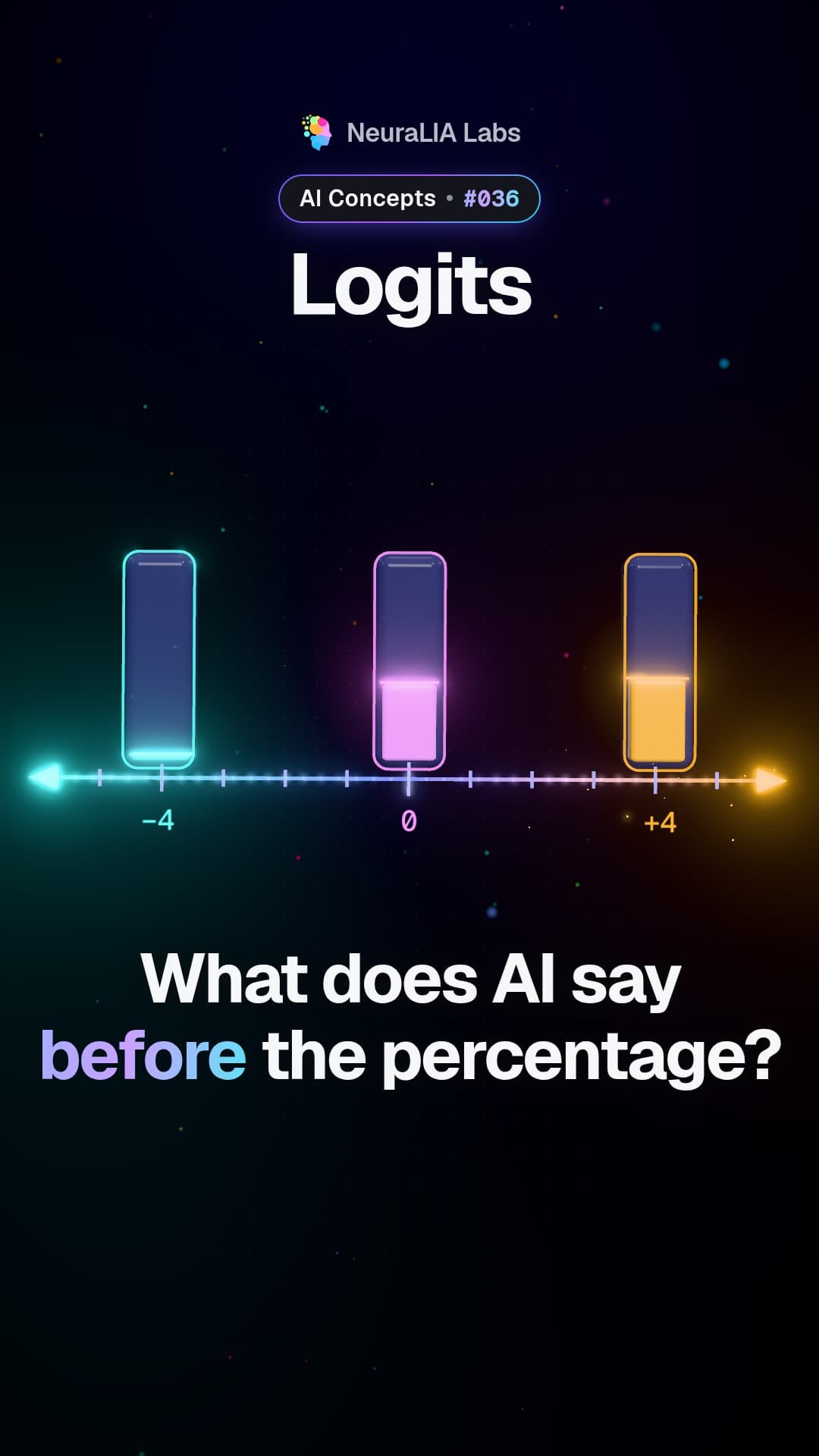 #036
Logits: the raw bet a model places before it gives you a percentage
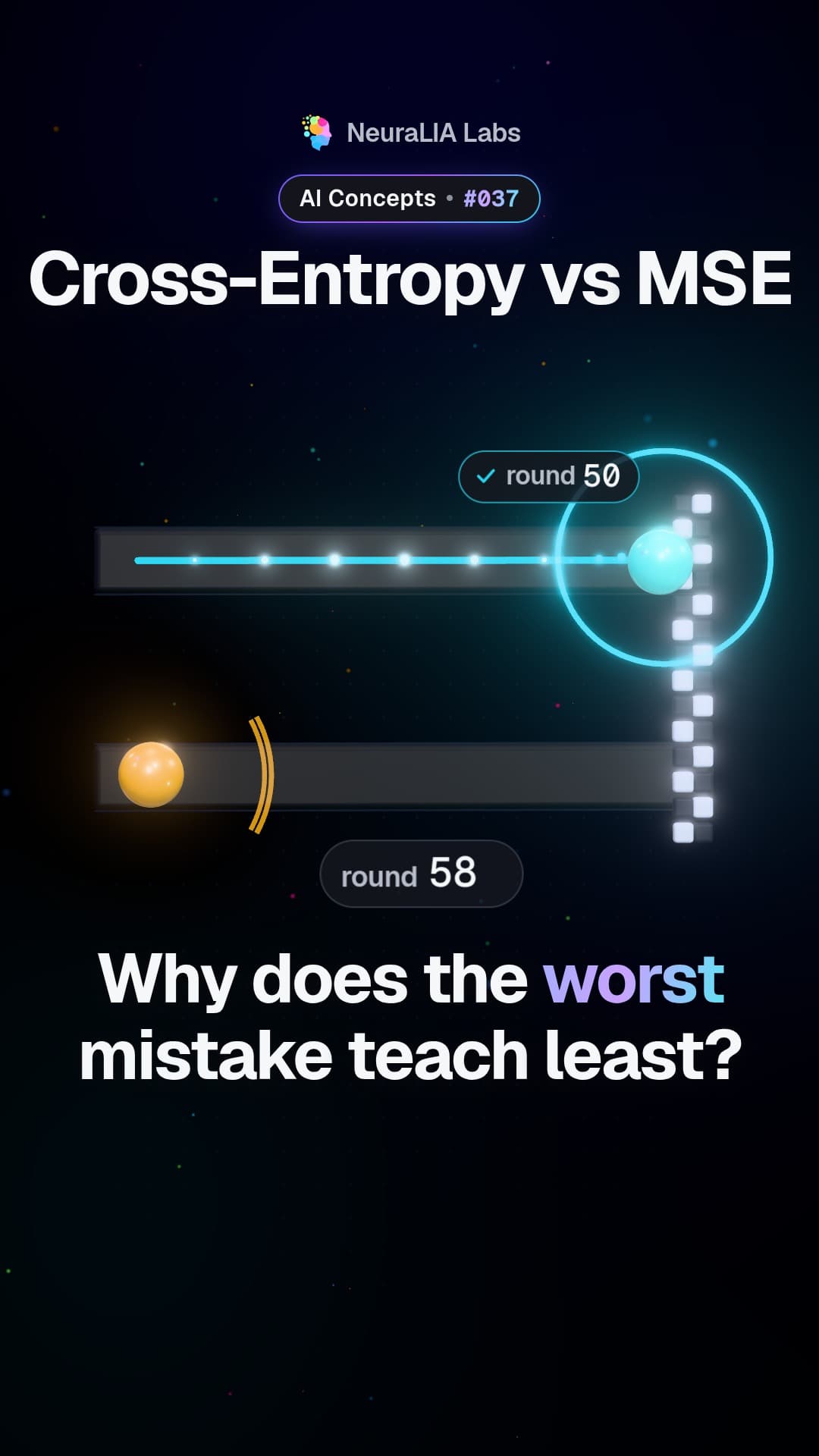 #037
Cross-entropy vs MSE: why squared error stalls on its worst mistakes
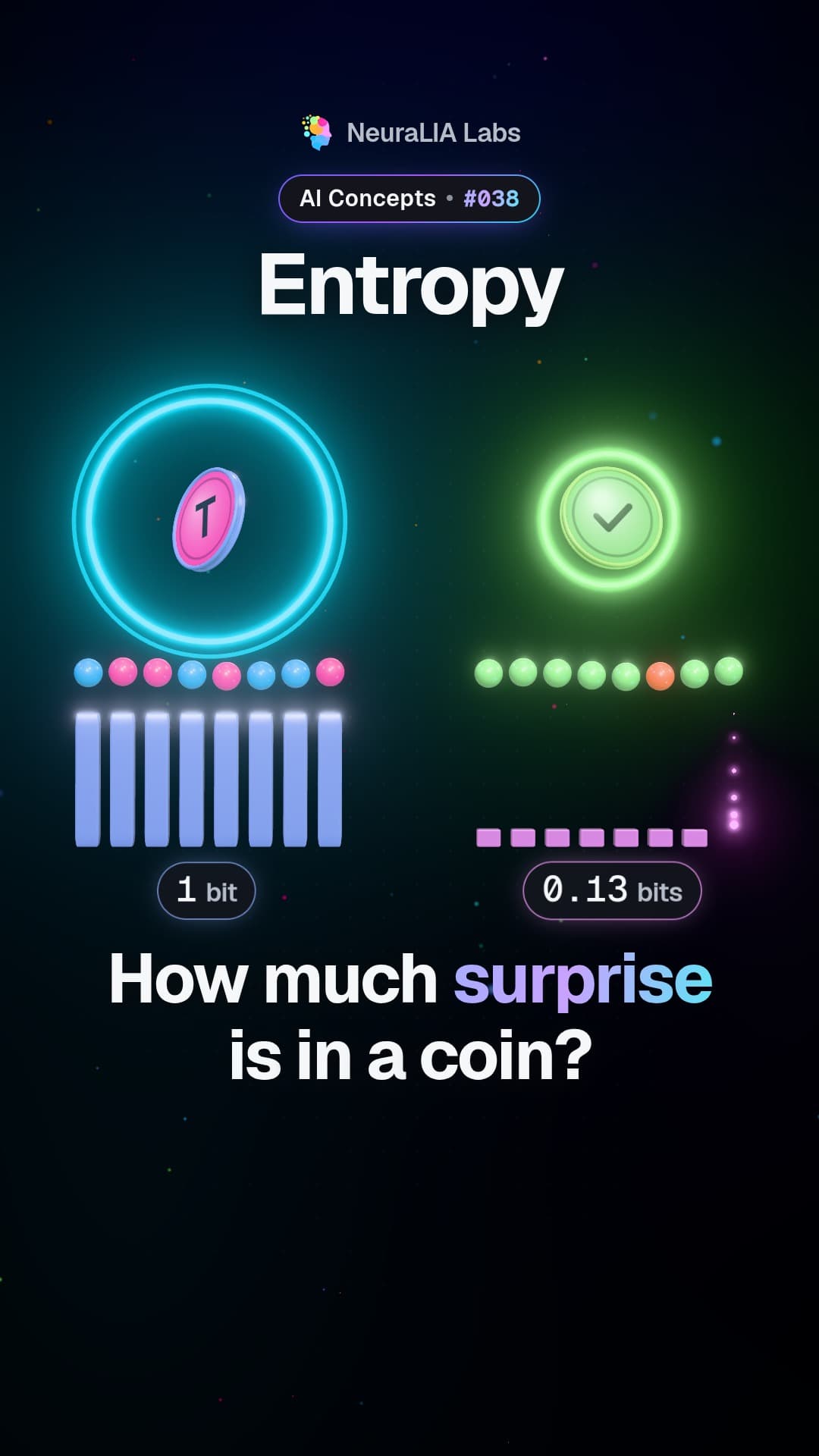 #038
Entropy: measuring surprise, and the floor no blind guess can beat
Teksti on kirjoitettu AI-avusteisesti ilmaisen kurssimme luvun 4 pohjalta.