
 #065
Αυτό το βίντεο και το κείμενό του είναι στα Αγγλικά.
Early stopping: knowing when an AI should stop training
Practice scores keep improving after a model stops getting better at new data. Early stopping watches a set of held-back examples and halts at the right time.
Αναλυτικά
What early stopping is
Training an AI model is a loop: show it examples, measure how wrong it is, adjust, repeat. That measure of wrongness is called the loss, and lower is better. On the examples the model trains on, the loss usually keeps falling for as long as you let it run.
The catch is that the training loss is not the real goal. The real goal is doing well on data the model has never seen. Early stopping keeps an eye on exactly that. It sets aside some examples the model never trains on, called the validation set, checks the loss on them as training goes on, and halts training as soon as that loss starts to climb.
What the video shows
The video shows two scores pulling apart. The practice score keeps improving the longer the AI trains, but the results on new data eventually get worse. Early stopping watches both and stops at the best moment, instead of letting training run on.
Why more training can make things worse
At first, the model picks up the general pattern, and both scores improve together. Later, it starts memorising the specific training examples, including their quirks and random noise. That still lowers the training loss, so the practice score looks better than ever. But memorised quirks are useless on new data, and can even mislead, so the validation loss turns upward. This is overfitting, and early stopping aims to halt training just before it sets in.
An everyday example
Imagine revising for an exam with the same 50 practice questions every night. For the first few rounds you are learning the ideas. After enough rounds you simply remember that question 12 is "B". Your score on those 50 questions climbs to 100%, but it tells you very little about the real exam.
Now imagine a friend who quizzes you each evening with fresh questions you have never practised. While their quiz scores keep going up, keep studying. The evening they start going down, stop: you have switched from understanding to memorising. The friend's quiz is your validation set.
How to spot the moment
Look at the two loss curves side by side:
| Training loss | Validation loss | What it means | |---|---|---| | Falling | Falling | Still learning. Keep going. | | Falling | Rising | Memorising. Time to stop. |
That second row is exactly the pattern our course's troubleshooting table matches with early stopping. (Reading loss curves in general is a separate concept in this series.)
Why it matters
Early stopping is one of the simplest tools against overfitting. It changes nothing about the model itself; it is only a decision about when to stop, based on data the model has not trained on. It also means you do not spend extra training time making the model worse. Our course lists it with the other standard defences, such as penalties on large weights, dropout and data augmentation.
The bigger lesson is a healthy suspicion of practice scores. A number that keeps improving on data the model has already seen is not, on its own, evidence that the model is getting better.
Learn it step by step in Chapter 6 of our free course AI From Scratch: Getting It to Train, and Getting It to Generalise.
Επίσης στο
Περισσότερα από αυτό το κεφάλαιο
- #065
 #066
Weight initialization: the starting numbers that decide if AI learns
 #067
Batch normalization: the AI layer that grades on a curve
 #068
Layer normalization: why chatbots steady each input on its own
 #069
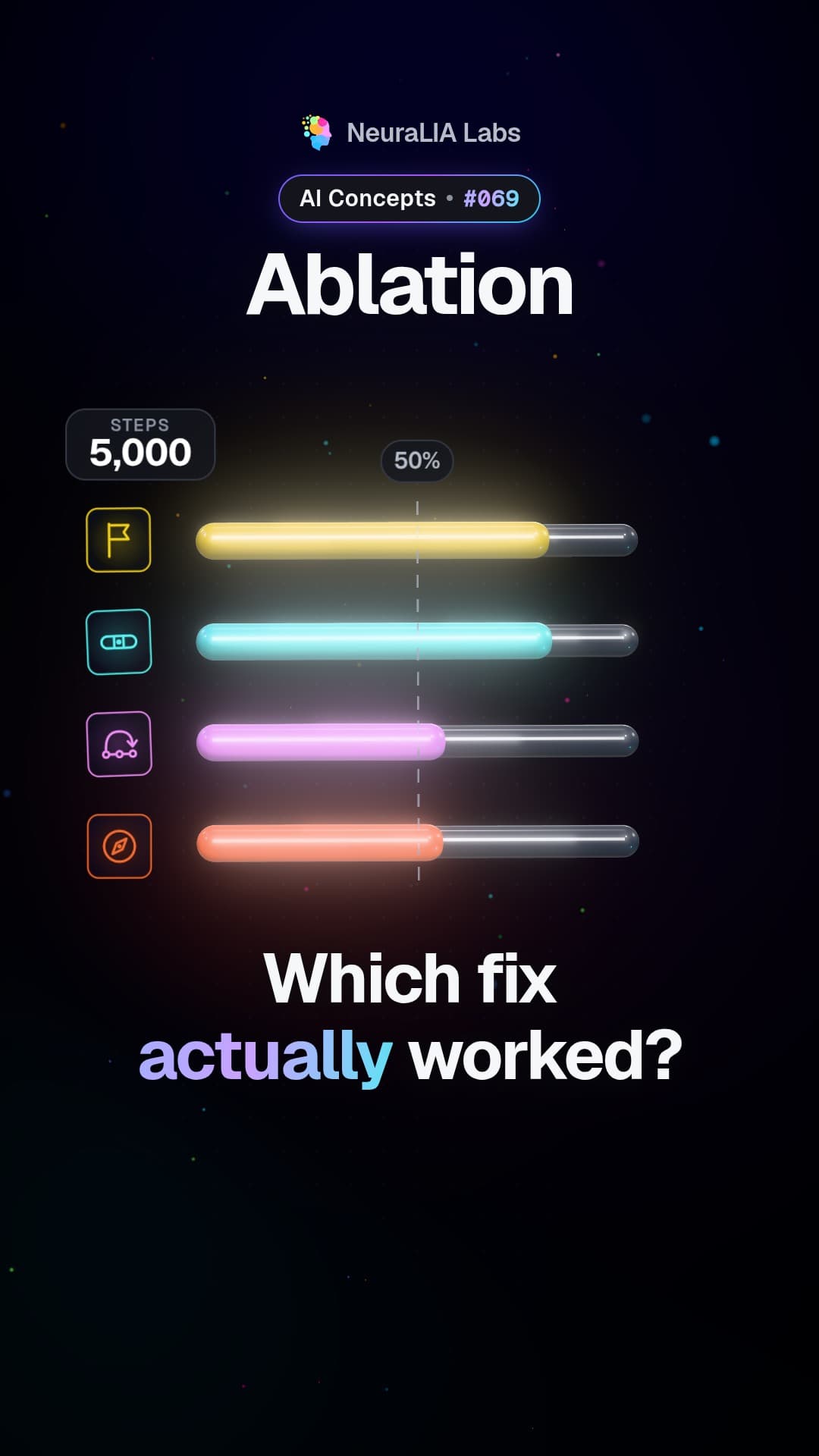
Ablation: change one thing at a time to find what really works
 #070
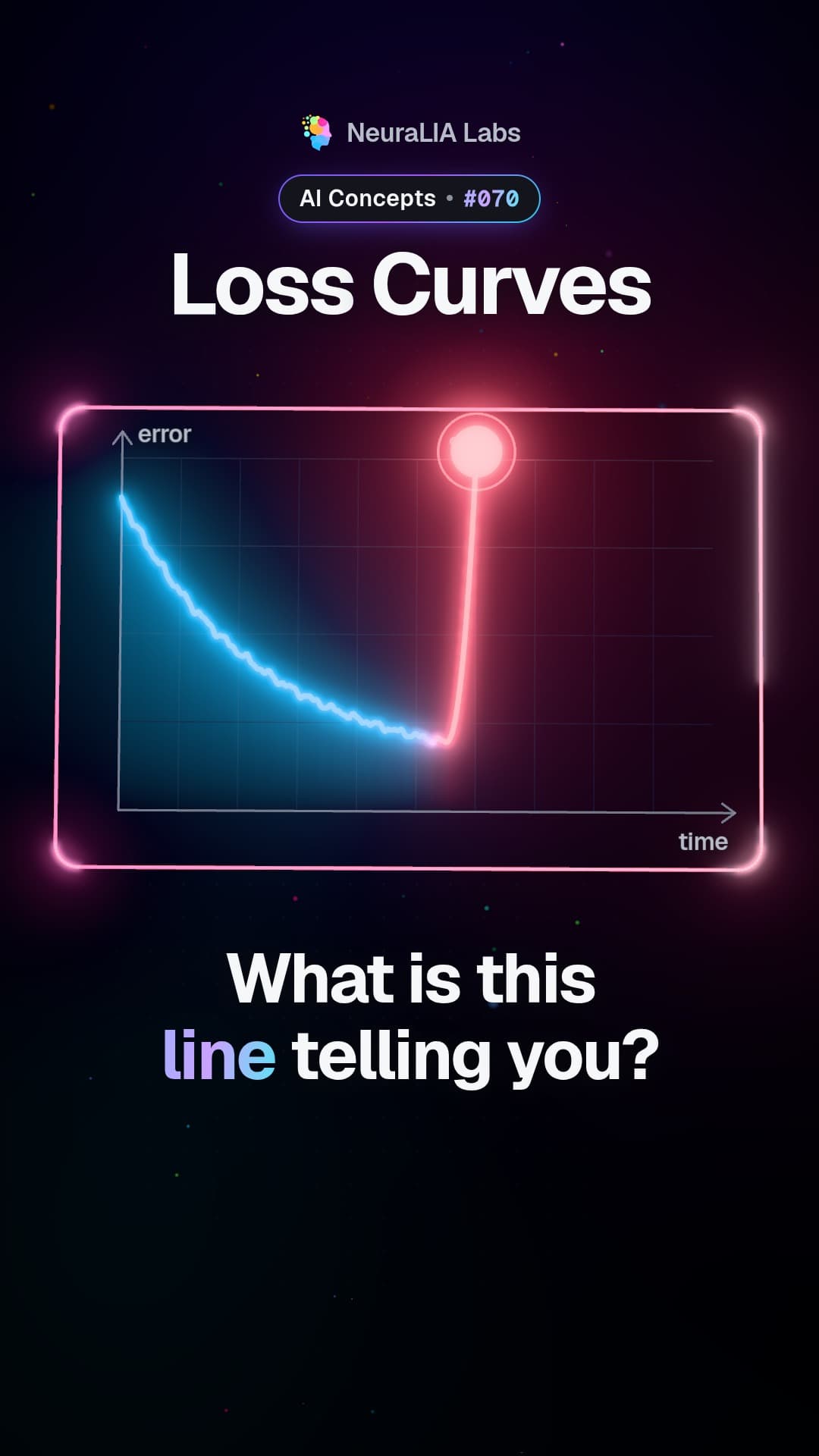
Loss curves: what the shape of a training line tells you
Το κείμενο γράφτηκε με τη βοήθεια AI από το κεφάλαιο 6 του δωρεάν μαθήματός μας.